
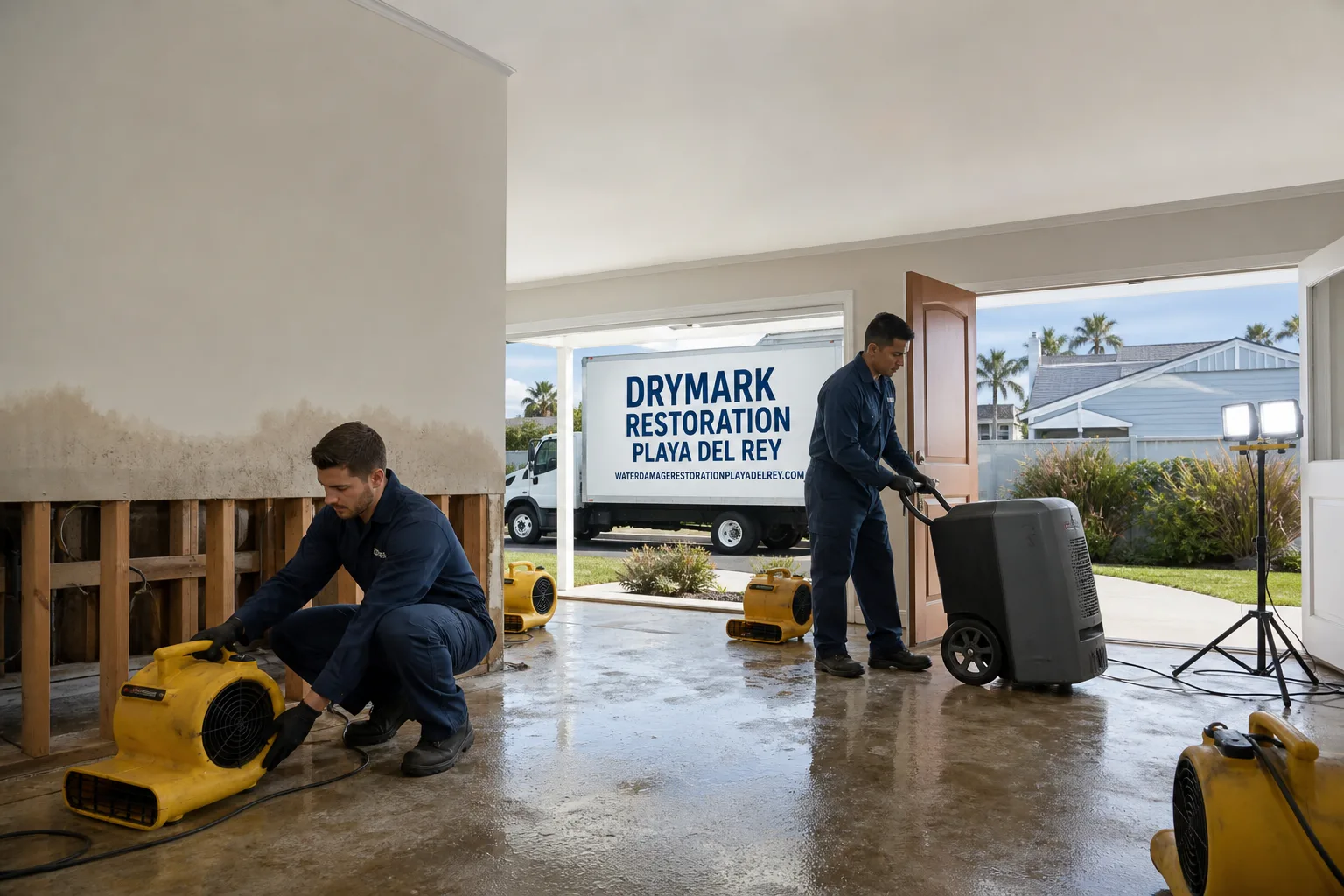
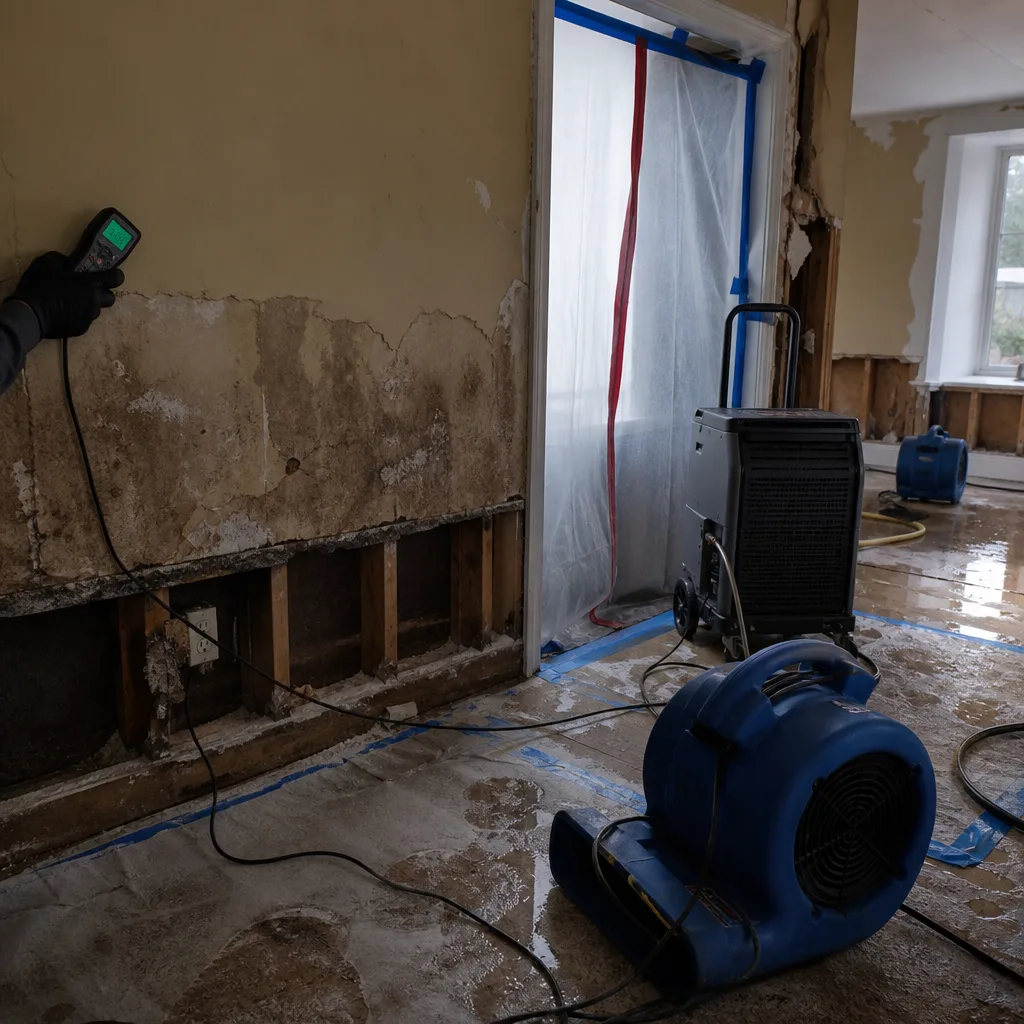
Free visual inspection and a written scope of work before any mitigation begins - photos, moisture readings, and drying logs go in your claim file
The scope we write is the scope we bill. Anything new gets shown to you, in writing, before we touch it.
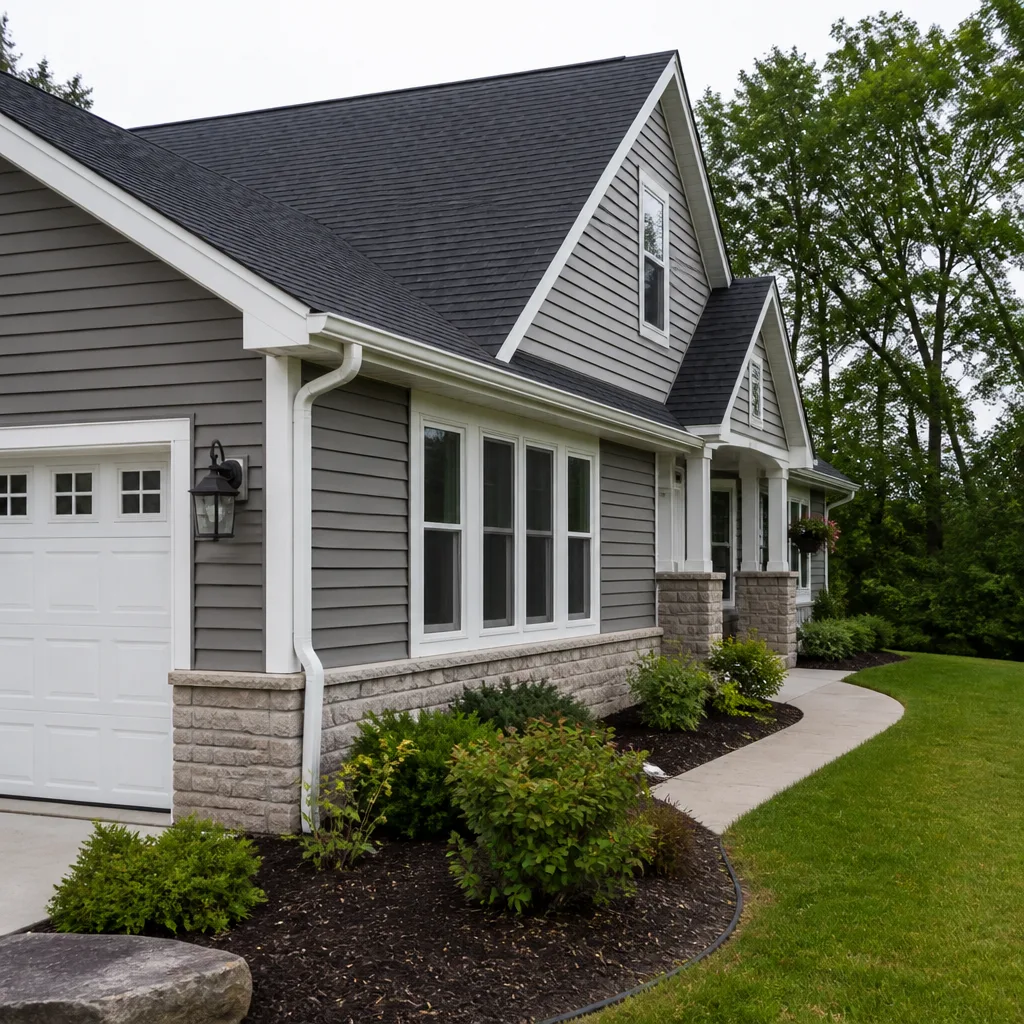
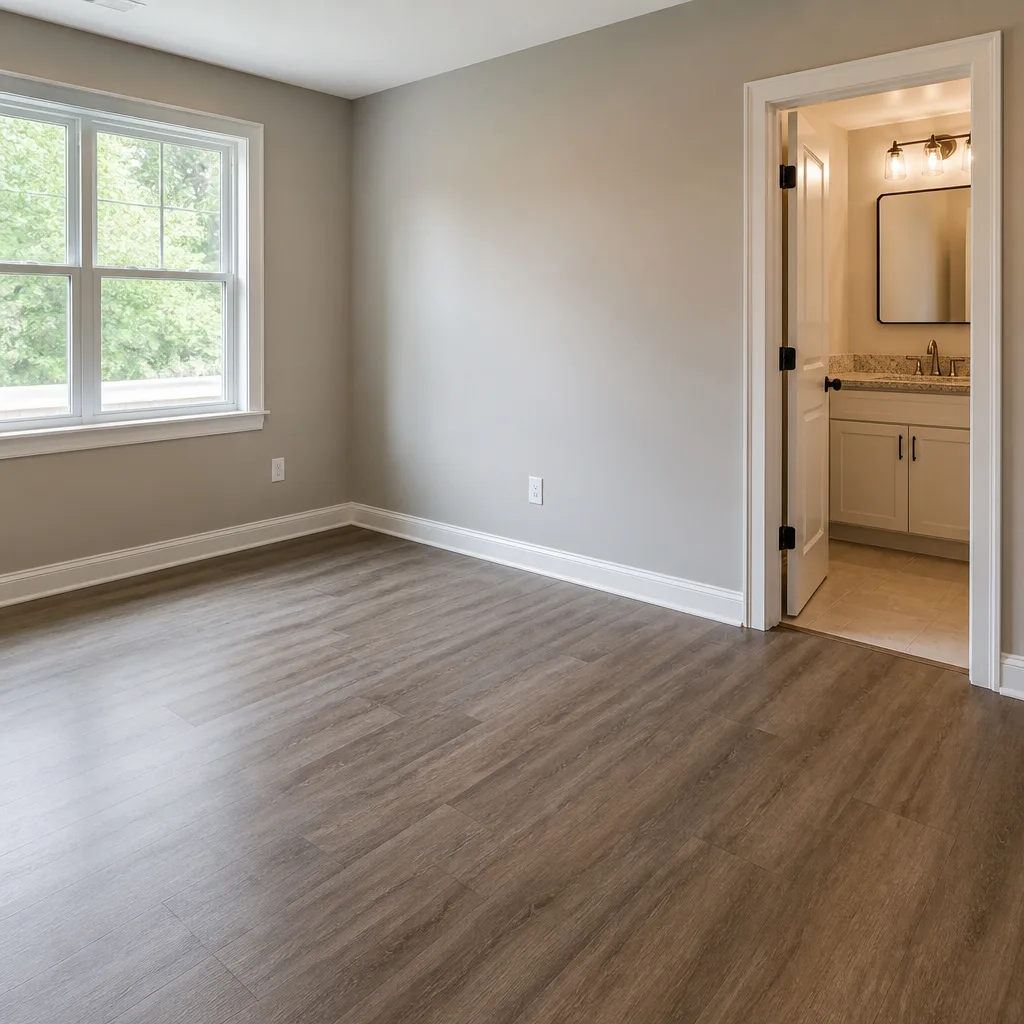
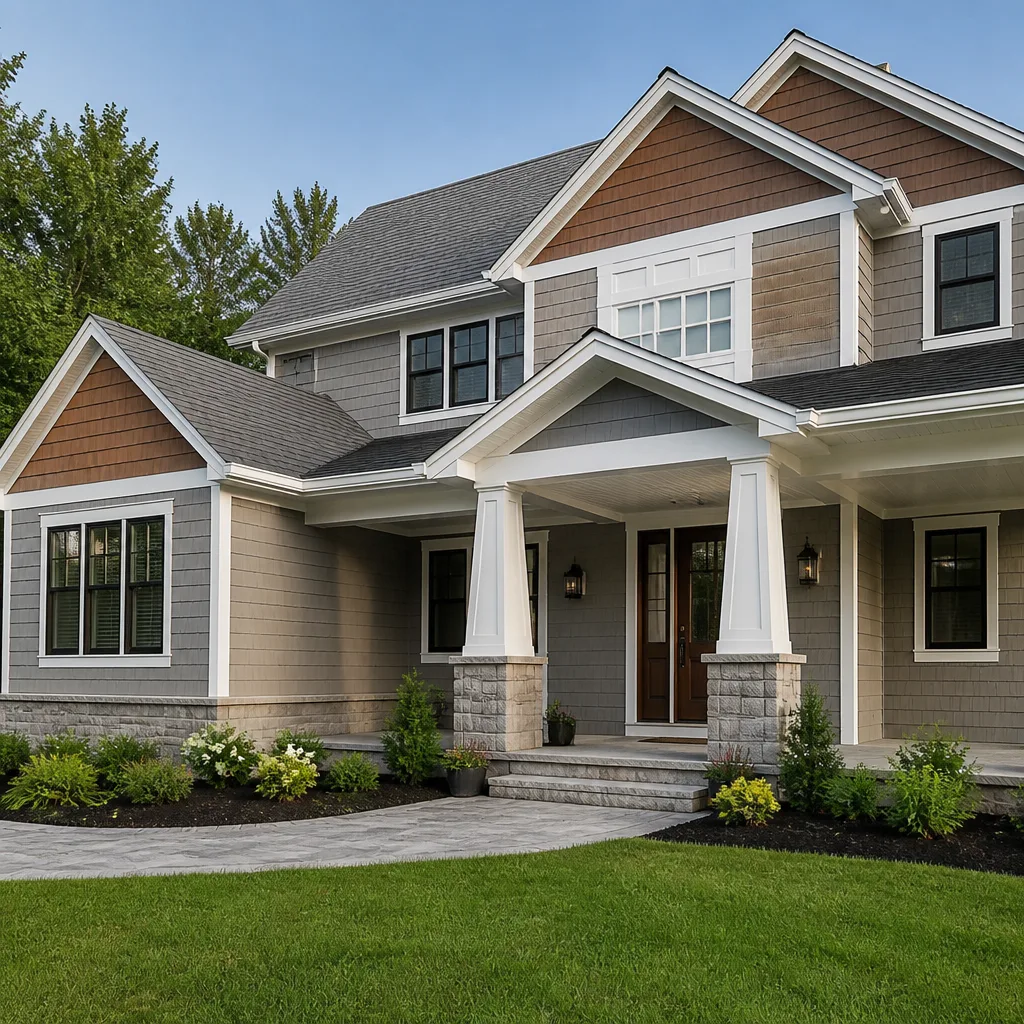
 Before
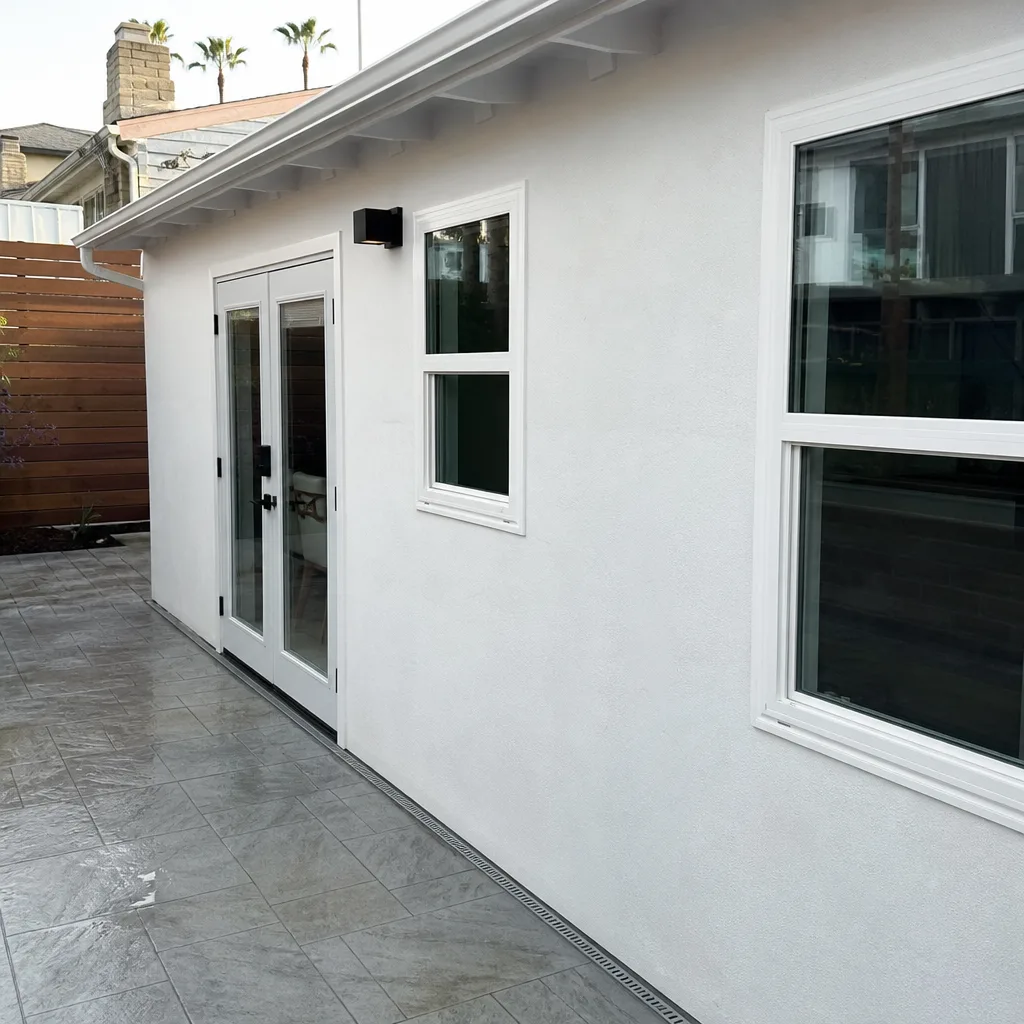 After
After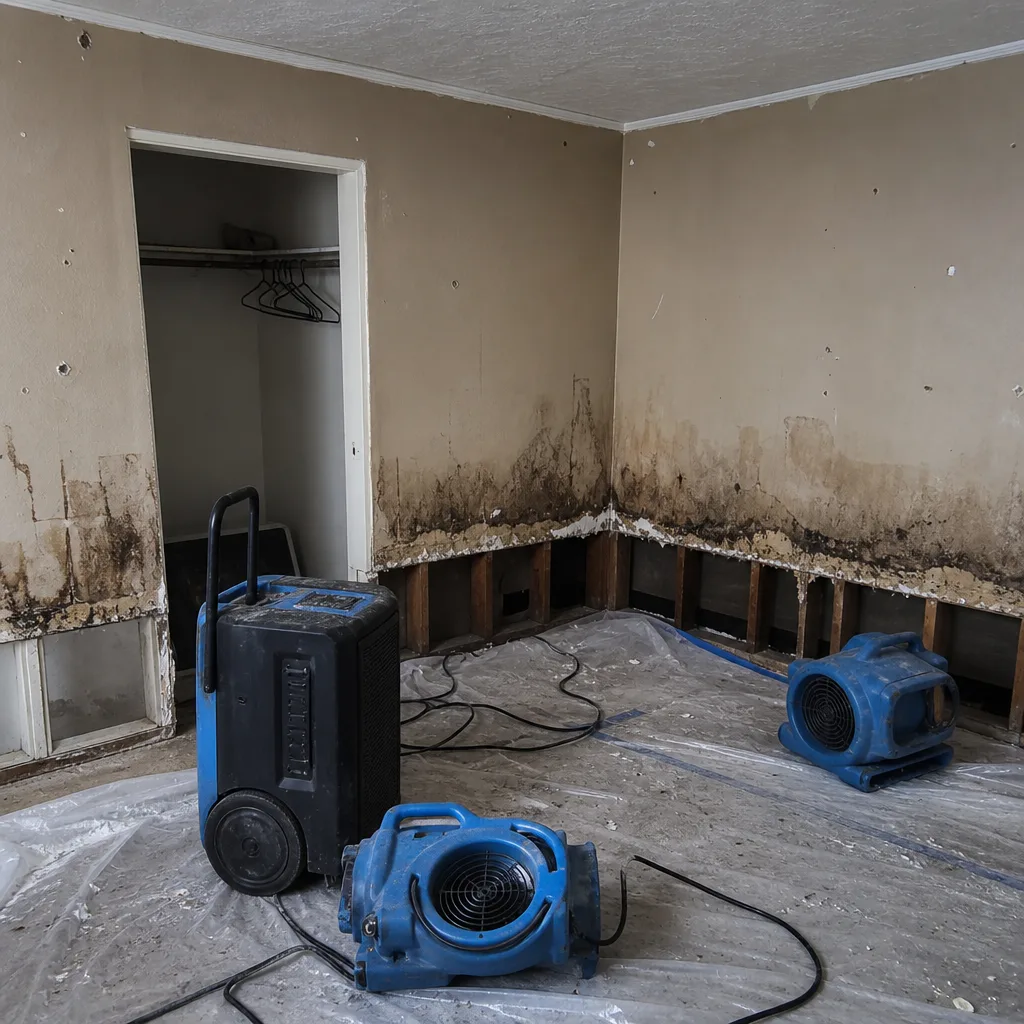 Before
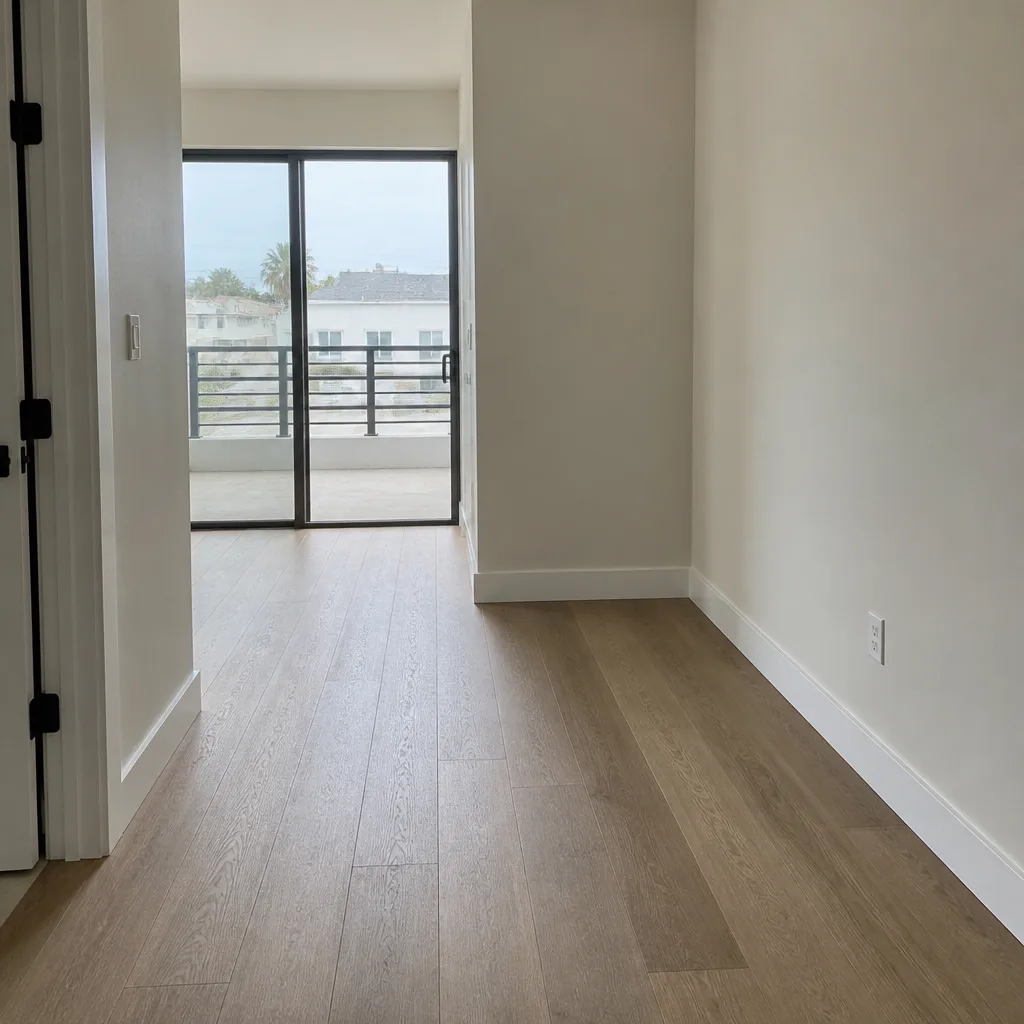 After
After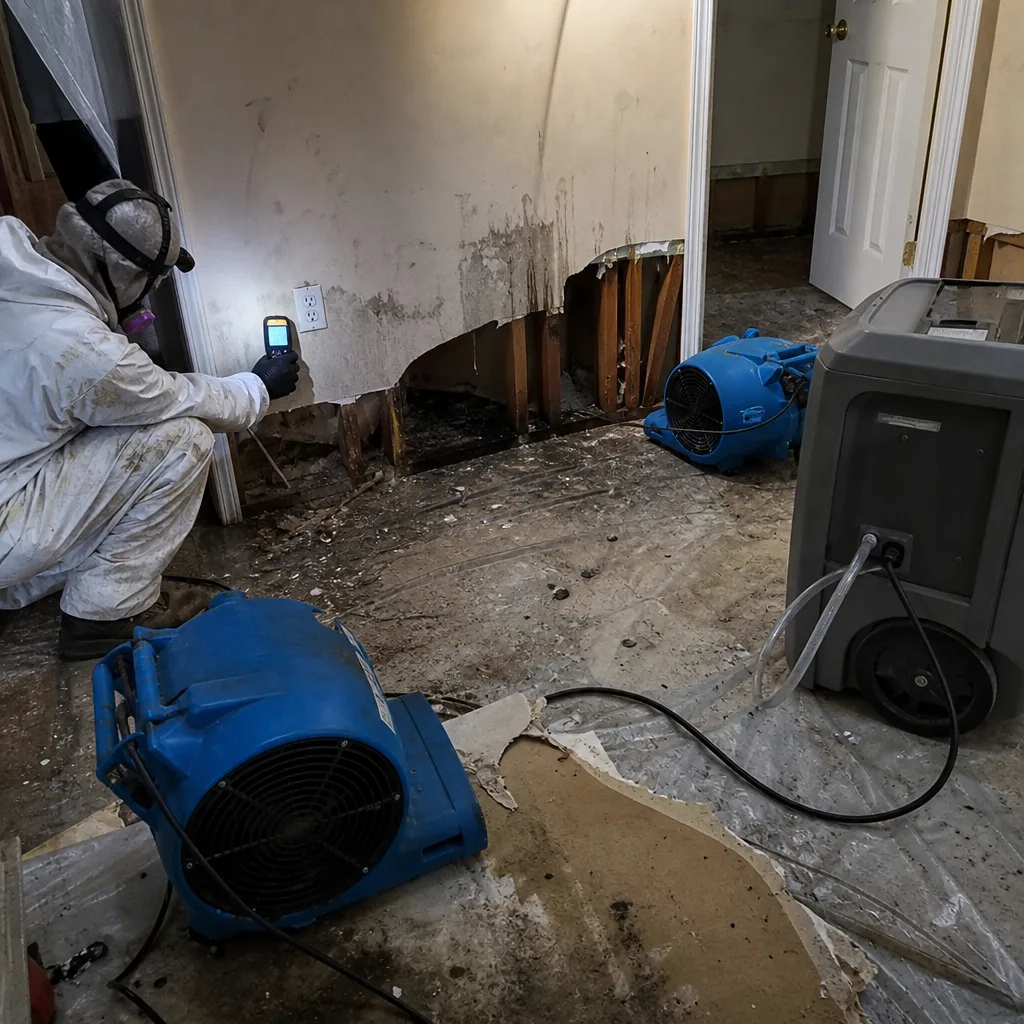 Before
 After
AfterFast, Reliable Water Damage Restoration Across Santa Monica
Water damage restoration in Santa Monica typically costs $2,800-$7,500 for residential projects, with emergency extraction starting at $1,200 and full structural drying running $3,200-$5,800 depending on affected square footage and material classification. Most Santa Monica properties we serve require same-day dispatch because coastal moisture conditions accelerate secondary damage faster than inland climates. Our Water Damage Restoration team coordinates dispatch from our Los Angeles office and routes crews directly to Santa Monica addresses, usually arriving within 45-60 minutes for emergency calls.
We’ve restored water-damaged properties from Ocean Park to Montana Avenue, and we understand what Santa Monica building envelopes face. The marine layer isn’t a weather footnote here. It’s the primary moisture driver in older structures, especially the soft-story dingbat apartments built during the 1950s-1970s housing boom. When you call (424) 351-9295, a live person answers. No voicemail tree. No callback queue while water keeps moving.
Why DryMark Restoration Playa del Rey Is Santa Monica’s Preferred Water Damage Restoration Company
Our reputation in Santa Monica was built on documentation that survives adjuster review. Since 2011, Alicia Brennan has led Back to Dry Restoration under The Haven Standard, a system created by a former claims adjuster who watched homeowners lose legitimate payouts over missing photo records and verbal estimates. We don’t do verbal estimates. Haven Standard, Clause 1: written price before work begins, every time, with no scope-creep additions once the crew is inside.
Santa Monica customers find us because they read the three-star reviews. They want to know what happens when something goes sideways. Our answer: the 365-Day Done Right Promise, backed by The Haven Standard. If it’s not done right, we make it right. It’s a signed guarantee, not a marketing line.
Response time to Santa Monica averages under an hour for emergency water extraction calls placed through our 24/7 live dispatch line. Crews carry Dri-Eaz and Phoenix LGR dehumidifiers, XPOWER air movers, and Injectidry cavity drying systems. Every technician is background-checked, uniformed, and licensed. Their license number is on the work order you sign.
Local knowledge matters because Santa Monica’s building stock doesn’t behave like newer construction. We know the dingbat corridor along Pico, the soft-story buildings with tuck-under parking, the original galvanized plumbing corroded by salt air. We document what we find with moisture readings, affected square footage, and material classifications by trade name. Then we explain each in plain language.
Our Water Damage Restoration Services in Santa Monica
Emergency Water Extraction
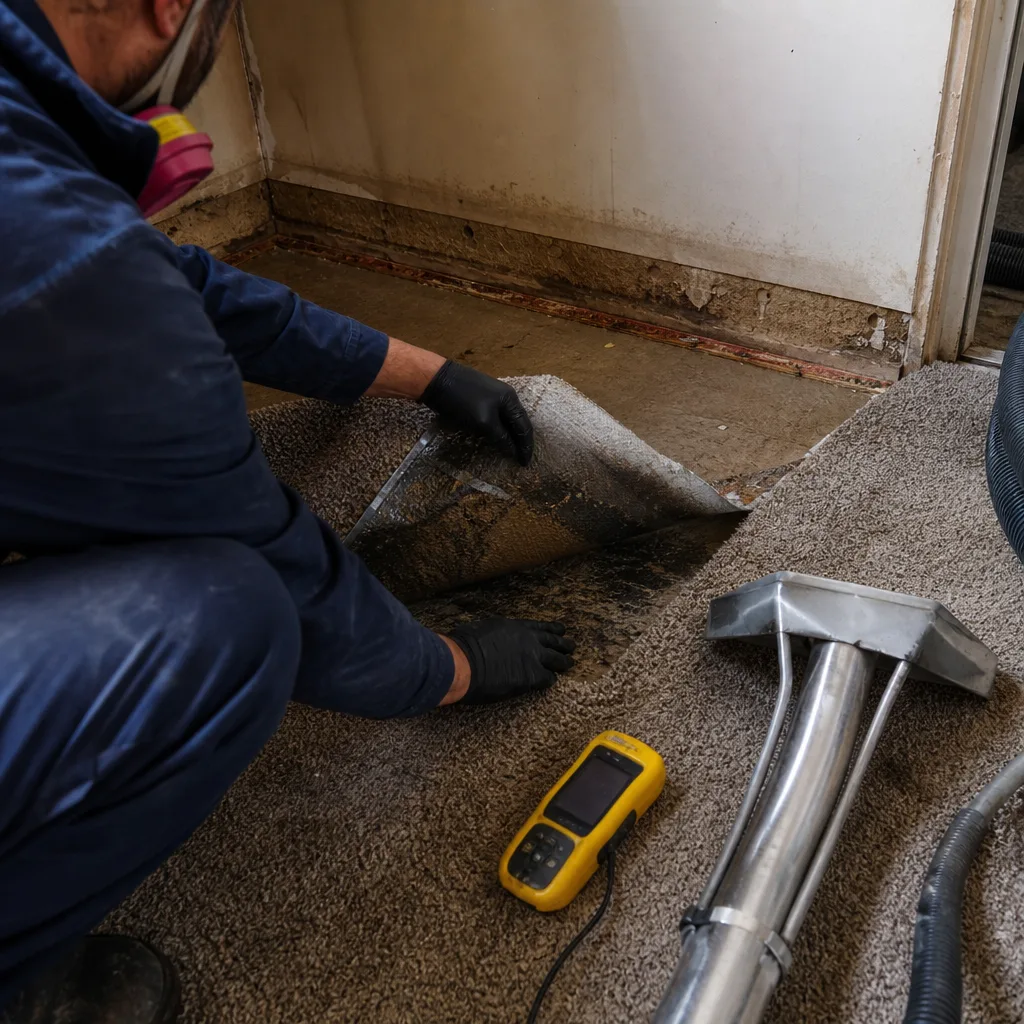
When water enters a Santa Monica structure, speed limits the damage category escalation. Category 1 clean water becomes Category 2 gray water within 48-72 hours; Category 2 becomes Category 3 black water shortly after. Our emergency extraction crews in Santa Monica deploy truck-mounted extraction systems and portable flood pumper units to remove standing water before absorption spreads to subfloors and wall cavities. We document pre-extraction moisture readings with thermal imaging and write the scope before any equipment runs.
Structural Drying & Dehumidification
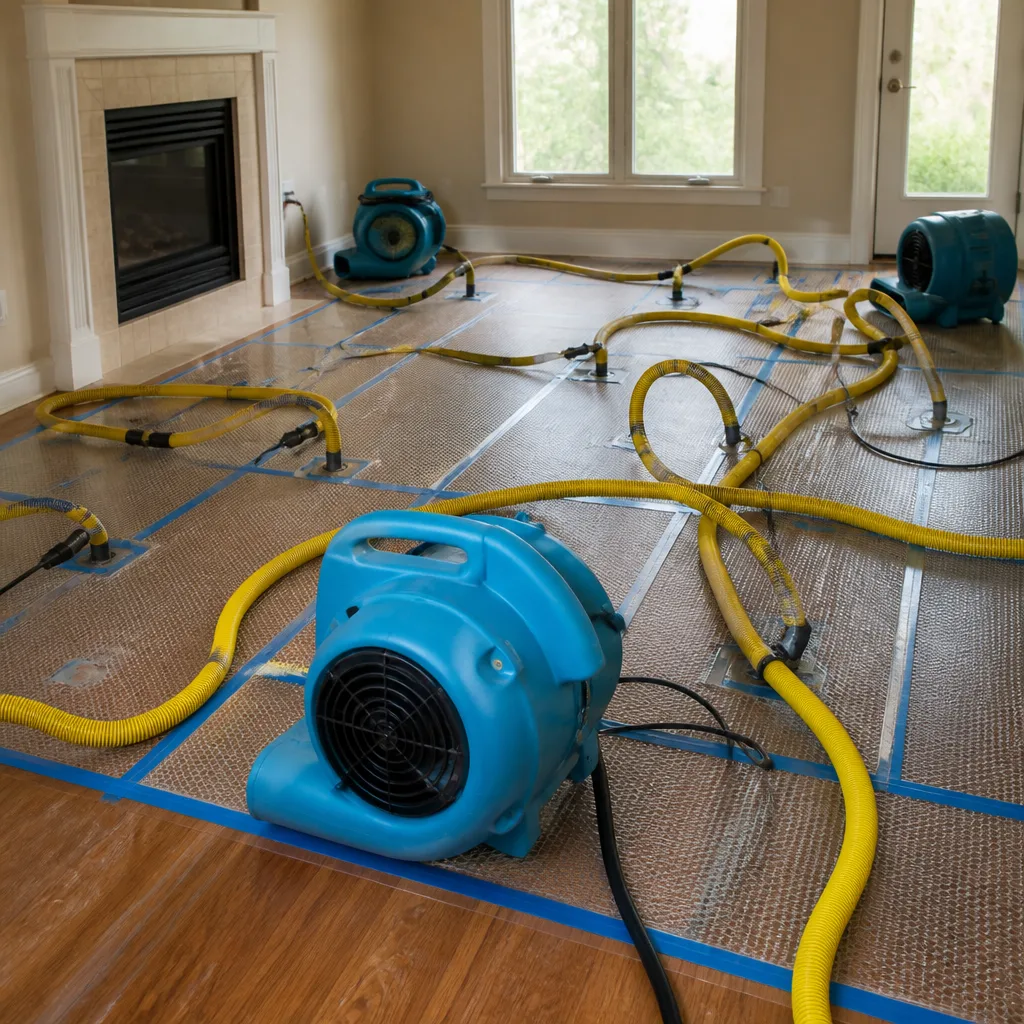
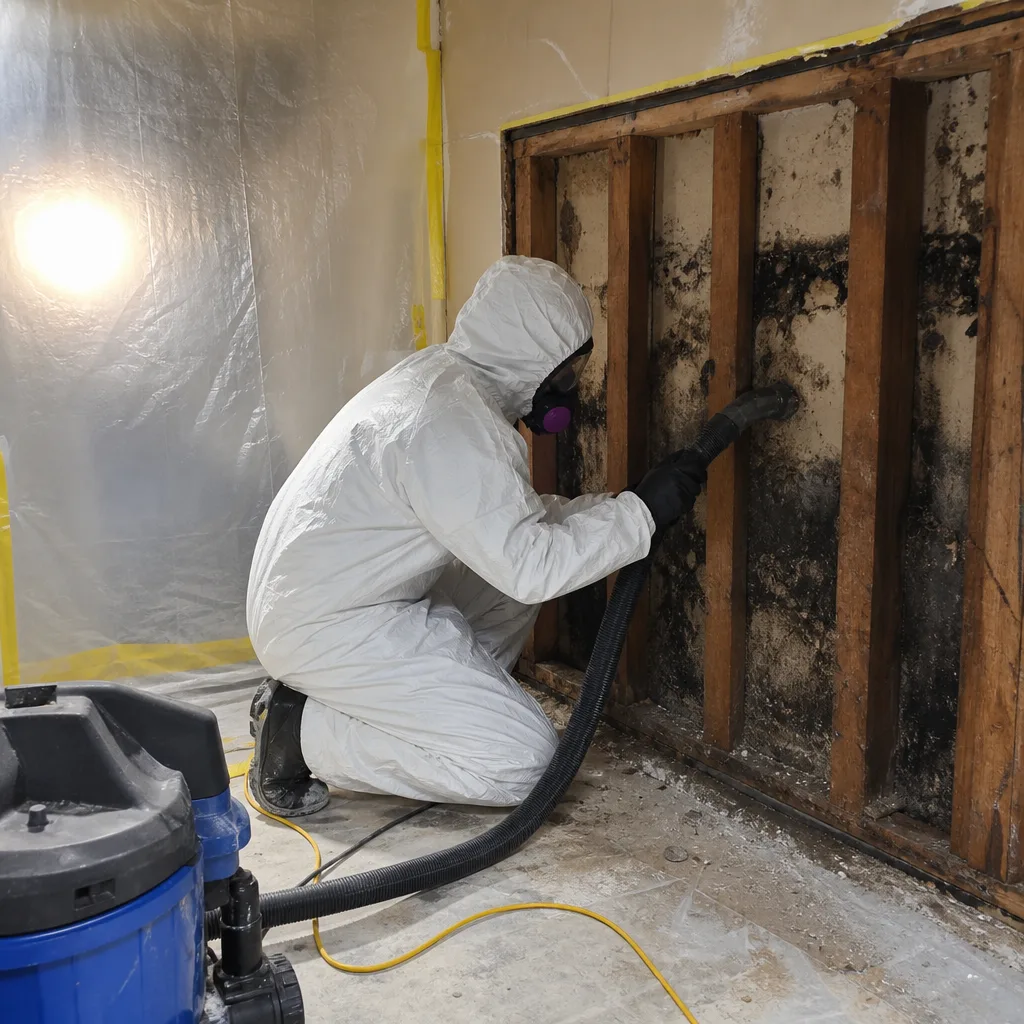
Santa Monica’s persistent marine layer keeps relative humidity elevated year-round, which means structures here don’t dry passively. Psychrometric data, the measurement of temperature, humidity, and vapor pressure, drives our drying strategy. We calculate vapor pressure differential, the force that moves moisture from wet materials to dry air, and adjust equipment placement daily. Our crews produce daily drying logs with moisture content readings for every affected room. These logs are standard deliverables, not upsells. They turn restoration invoices into payable insurance claims.
Flood Cleanup
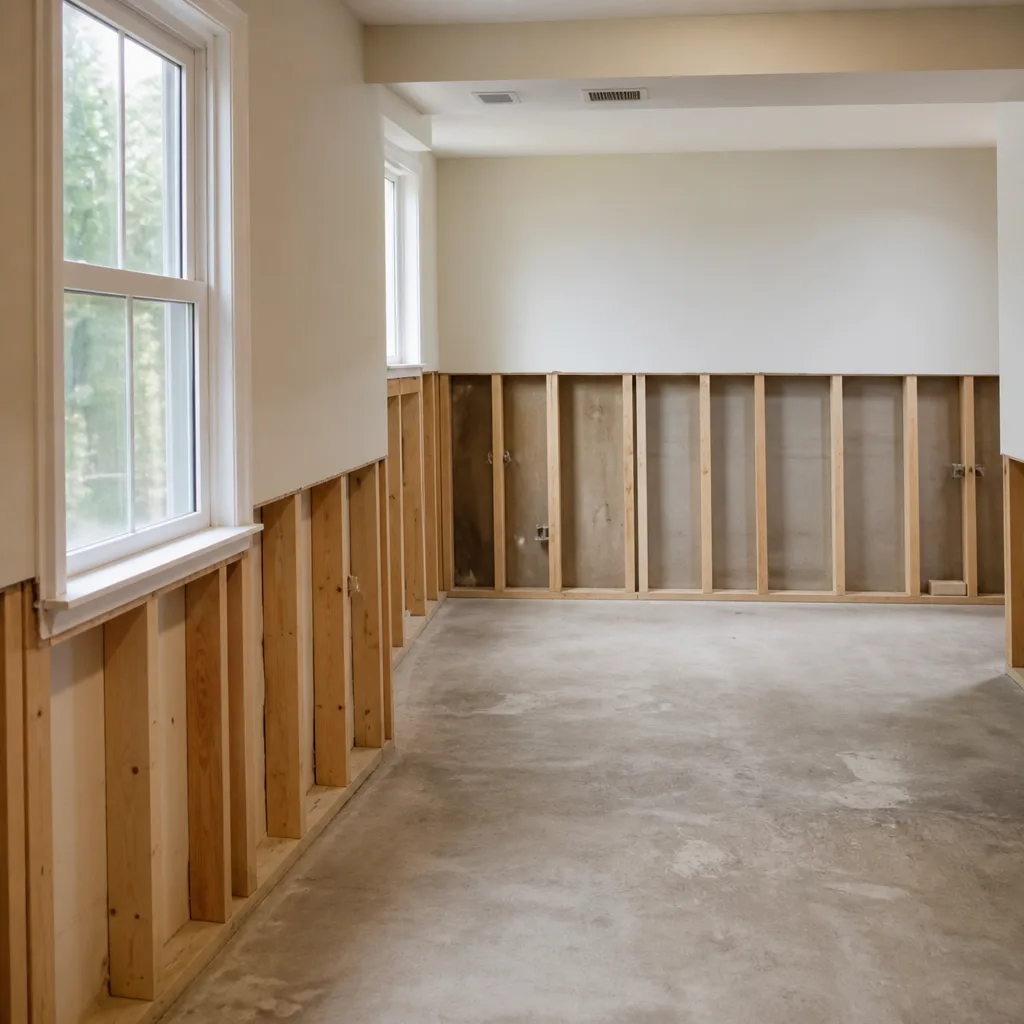
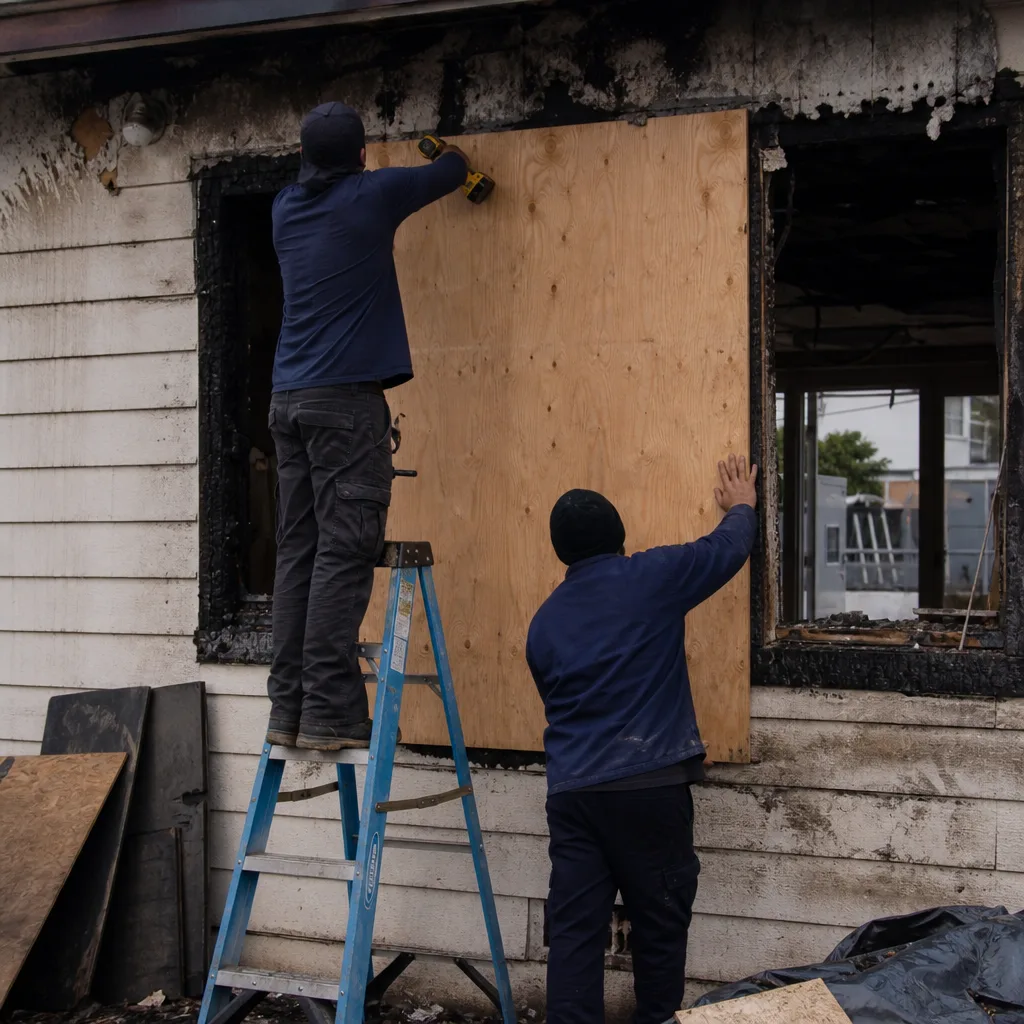
El Niño-pattern storms hitting Santa Monica create a specific failure mode: storm drainage infrastructure discharging to Santa Monica Bay can surcharge and back up into low-lying structures near Main Street and Pico Boulevard. This isn’t rainwater intrusion. It’s Category 3 floodwater containing pathogens, chemicals, and sediment requiring full removal and antimicrobial treatment, not drying. We distinguish water categories correctly because misclassification leaves health hazards in place and gives adjusters grounds to deny claims. Our flood cleanup includes photo-documented contamination assessment, controlled demolition of unsalvageable materials, and written scope for reconstruction.
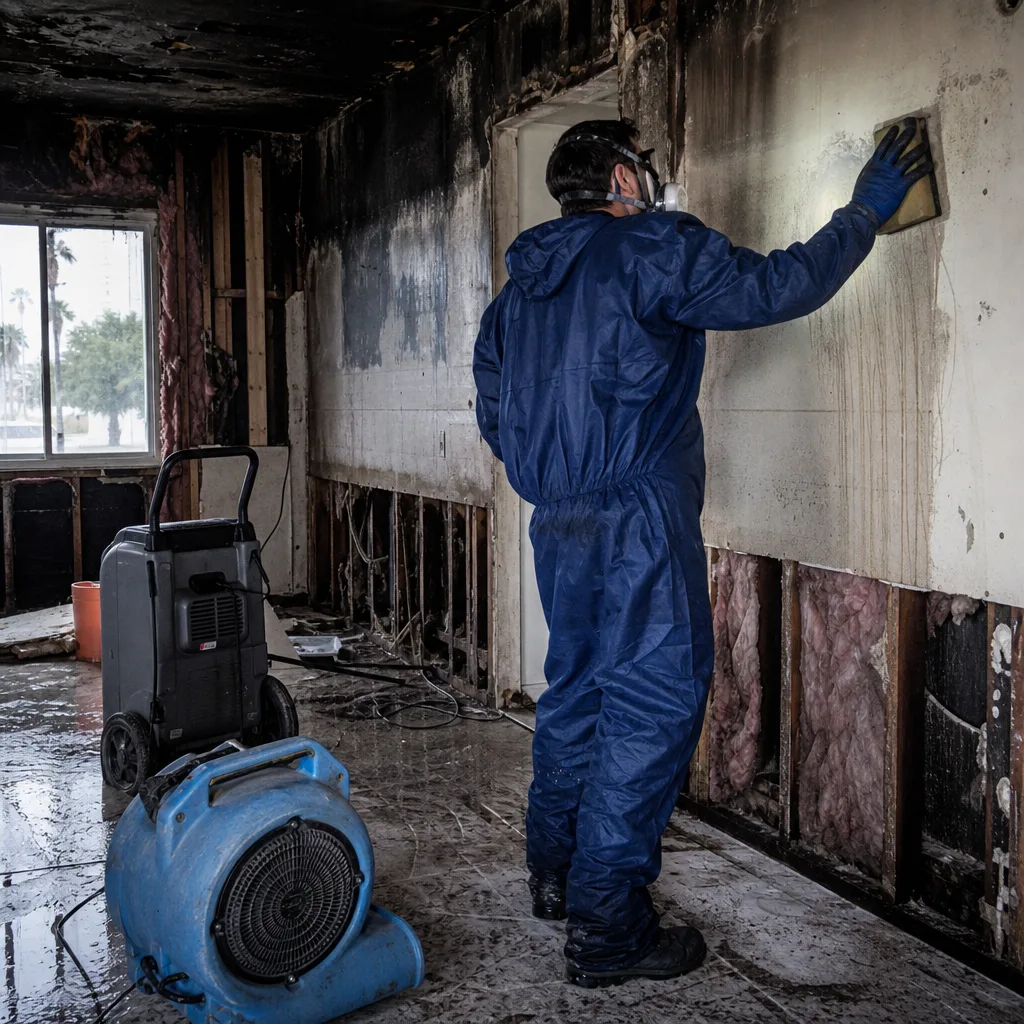
Burst Pipe Restoration
Santa Monica’s original galvanized plumbing, installed in the dingbat era and corroded by decades of salt-laden coastal air, fails differently than copper or PEX. Pinhole corrosion creates slow leaks inside walls that saturate insulation and framing before visible damage appears. We use moisture mapping to trace the full extent of migration, not just the visible stain. Then we deliver a written scope covering extraction, drying, and any necessary reconstruction, with the price fixed before work starts.
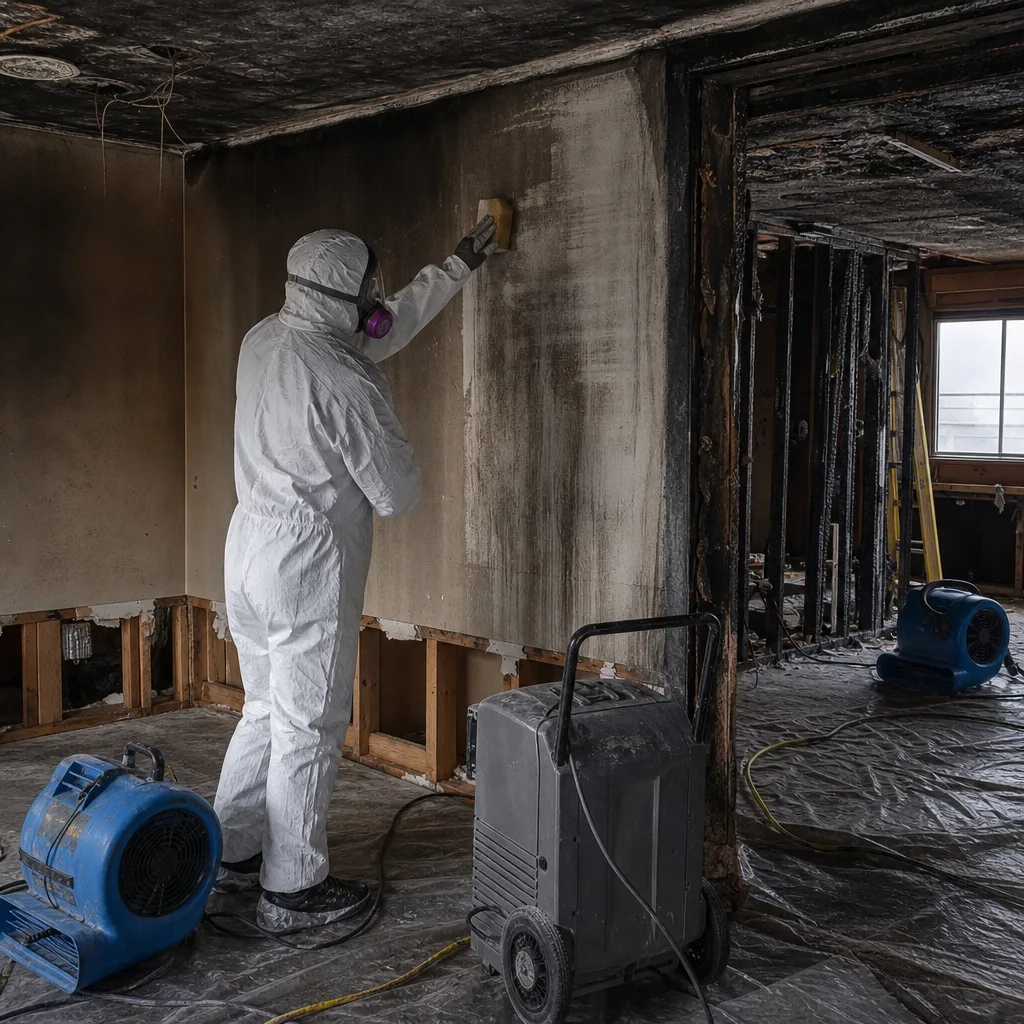
Ceiling & Roof Leak Water Damage
Wind-driven El Niño storms test Santa Monica roof assemblies, especially on low-slope dingbat structures with original built-up roofing. Water enters at compromised flashing, migrates across ceiling cavities, and exits at the lowest point, often far from the actual breach. We trace the source with thermal imaging and borescopes, document the path with photos, and scope drying or replacement based on material saturation levels measured with penetrating moisture meters.
What happens when you call
- 1
A real person answersNo phone trees - you reach a local pro.
- 2
You get an upfront price rangeHonest numbers before anyone is dispatched.
- 3
A background-checked tech heads outLicensed & insured, dispatched right away.
- 4
You approve before work beginsNothing starts until you say go.
 Before
 After
AfterTrusted Brands We Service in Santa Monica
Our Santa Monica crews deploy professional-grade drying equipment from Dri-Eaz, Phoenix, and XPOWER. These aren’t brand names for marketing copy. They’re the systems that produce the psychrometric data and daily drying logs that insurance adjusters expect to see. We stock HEPA-filtered air scrubbers, LGR dehumidifiers rated for coastal humidity loads, and Injectidry cavity drying systems for the enclosed wall and floor cavities common in Santa Monica’s older building stock. Parts and replacement filters are carried on every truck, so we’re not waiting on supply runs while moisture keeps working.
Common Water Damage Restoration Problems We See in Santa Monica Homes
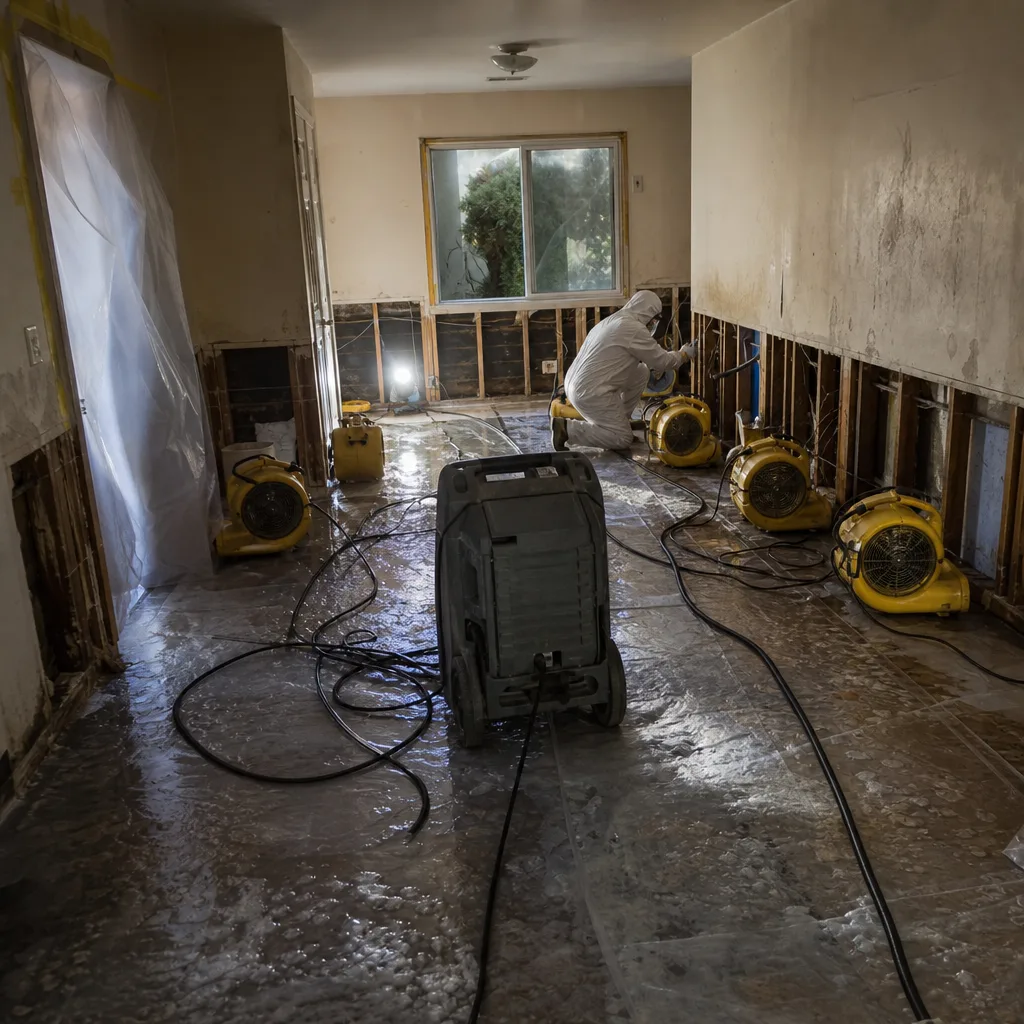
- Marine-layer condensation mold in buildings with no leak. The chronic marine layer along the Santa Monica coast maintains elevated relative humidity inside older building envelopes even during drought years. Our technicians regularly find active mold colonies behind tub surrounds and inside wall cavities where no plumbing failure occurred, just persistent vapor pressure wicking through 1960s-era fiberglass.
- Storm-drain surcharge flooding near Main Street and Pico Boulevard. When Santa Monica’s storm drainage system surcharges during intense rainfall, low-lying structures receive Category 3 floodwater, not rainwater. Full removal and antimicrobial treatment are required. Drying alone leaves pathogens in place.
- Hidden moisture in soft-story dingbat subfloors. Santa Monica’s 1950s-1970s soft-story apartment buildings with tuck-under parking typically lack adequate subfloor ventilation and vapor barriers. Water from any source, plumbing or flood, becomes trapped in these enclosed spaces and feeds mold growth invisible from living areas.
- Corroded galvanized plumbing with pinhole leaks inside walls. Decades of salt air exposure have thinned original galvanized pipes in Santa Monica’s rent-controlled buildings, where deferred maintenance is common. Slow leaks saturate insulation and framing long before ceiling stains appear.
Pricing for Water Damage Restoration in Santa Monica, CA
Emergency water extraction in Santa Monica typically runs $1,200-$2,400 for residential properties up to 1,500 square feet, depending on standing water volume and access conditions. Structural drying and dehumidification averages $3,200-$5,800 for standard residential projects, with larger Santa Monica homes or multi-unit dingbat buildings ranging $5,500-$9,500. Category 3 flood cleanup following storm-drain surcharge starts higher, typically $4,500-$8,200, because full removal of contaminated materials and antimicrobial treatment are required before drying can begin.
What moves a Santa Monica job within these ranges: affected square footage, material classification (Category 1, 2, or 3), whether demolition is required, and the number of drying days before moisture content readings reach dry standard. We deliver a written price before any work starts, every time. Haven Standard, Clause 1. No exceptions. Bring a competitor’s written estimate and we’ll review it free. Our Free Second Opinion is available at no charge.
We Also Serve Cities Near Santa Monica
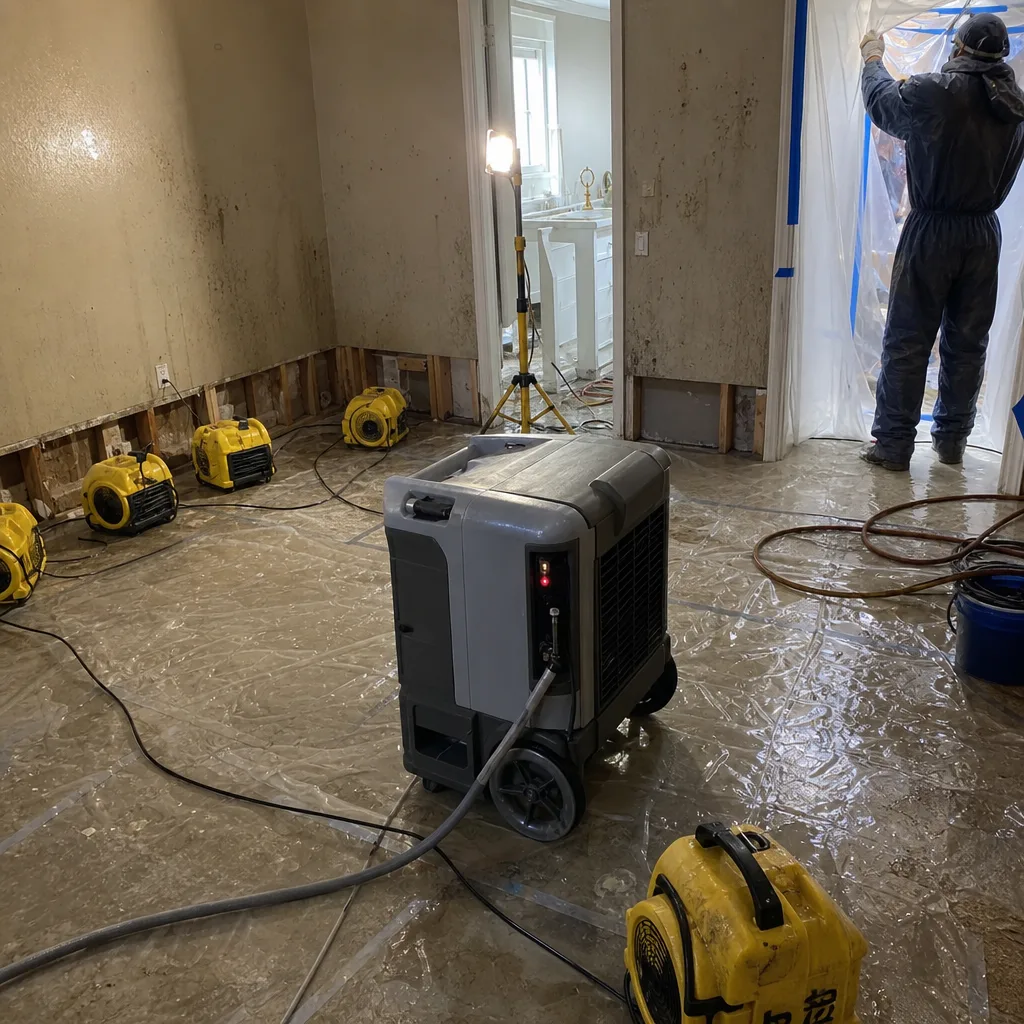
Our crews respond daily throughout the coastal corridor, including Santa Monica and neighboring Venice, Pacific Palisades, Marina del Rey, and Playa del Rey. Dispatch and scheduling are coordinated from our Los Angeles office. Each community receives the same documented approach: written price before work, photo record on every visit, daily drying logs, and the 365-Day Done Right Promise under The Haven Standard.
Serving Santa Monica, CA - Our Local Coverage Area
We’re based in the Santa Monica area and know this community well. Use the map below to see our service coverage - if you’re nearby, we can almost certainly help.
FAQs - Water Damage Restoration in Santa Monica
The smell is almost certainly marine-layer condensation inside your wall or floor cavity. Santa Monica’s chronic coastal humidity wicks through 1960s-era building envelopes that were never designed to block vapor pressure. Our tech was called to a 1962 soft-story dingbat off Pico near 20th Street where a renter reported exactly this. Moisture mapping showed elevated relative humidity behind the original fiberglass tub surround, no plumbing failure, just the ocean sitting a few blocks away feeding a mold colony. We set up containment, performed antimicrobial treatment, ran Dri-Eaz and Phoenix air movers with LGR dehumidification, and logged drying readings daily. Call (424) 351-9295 for moisture mapping and a written scope.
It means Category 3 floodwater, not rainwater, has entered your structure. Santa Monica’s storm drainage discharges to Santa Monica Bay, and during intense storms the system can back up into low-lying buildings near these corridors. Category 3 water contains pathogens, chemicals, and sediment. It requires full removal and antimicrobial treatment, not drying. Misclassification as Category 1 or 2 leaves health hazards in place and gives adjusters grounds to deny claims. We document contamination with photos, assess every affected material, and write the scope before any work begins. Call (424) 351-9295 for documented assessment.
Mold colonization begins 24-48 hours after moisture intrusion in Santa Monica structures, faster than inland climates because the marine layer prevents natural drying. Elevated relative humidity in poorly ventilated wall cavities, common in dingbat buildings without vapor barriers, sustains growth even after the original water source is removed. This is why we emphasize same-day emergency extraction and immediate structural drying with documented daily moisture logs. Waiting even one day changes the scope and the price. Call (424) 351-9295 for immediate dispatch.
Yes. Dingbat buildings typically lack subfloor ventilation, vapor barriers, and modern air gaps behind wall assemblies. Moisture becomes trapped in enclosed cavities that standard room dehumidification cannot reach. We use Injectidry cavity drying systems and targeted air movers to create vapor pressure differentials inside these spaces, not just in the living area. Daily moisture readings at multiple depths tell us when the assembly is actually dry, not just when the surface feels dry. The method is documented to IICRC, RIA, and IFA standards. Call (424) 351-9295 for a written drying scope.
Category 1 is clean water from a broken supply line, dryable if addressed quickly. Category 2 is gray water with chemical or biological contamination, such as dishwasher discharge, requiring cleaning before drying. Category 3 is black water, including storm-drain surcharge, sewage, or seawater intrusion, requiring full removal of affected porous materials and antimicrobial treatment. In Santa Monica, we see Category 3 misclassification most often after Main Street or Pico Boulevard flooding, when property owners or less experienced contractors attempt to dry what must be removed. We photograph contamination, classify correctly, and write the scope before any work starts. Call (424) 351-9295 for documented assessment.
Call (424) 351-9295 for a free estimate. A live person answers 24 hours a day, 7 days a week. We’ll deliver a written price before any work begins, document every visit with a photo record, and stand behind the result with our 365-Day Done Right Promise under The Haven Standard.
Written by Alicia Brennan, Owner at Back to Dry Restoration, serving Santa Monica since 2011.