
Last updated September 23, 2026
Free visual inspection and a written scope of work before any mitigation begins - photos, moisture readings, and drying logs go in your claim file
The scope we write is the scope we bill. Anything new gets shown to you, in writing, before we touch it.


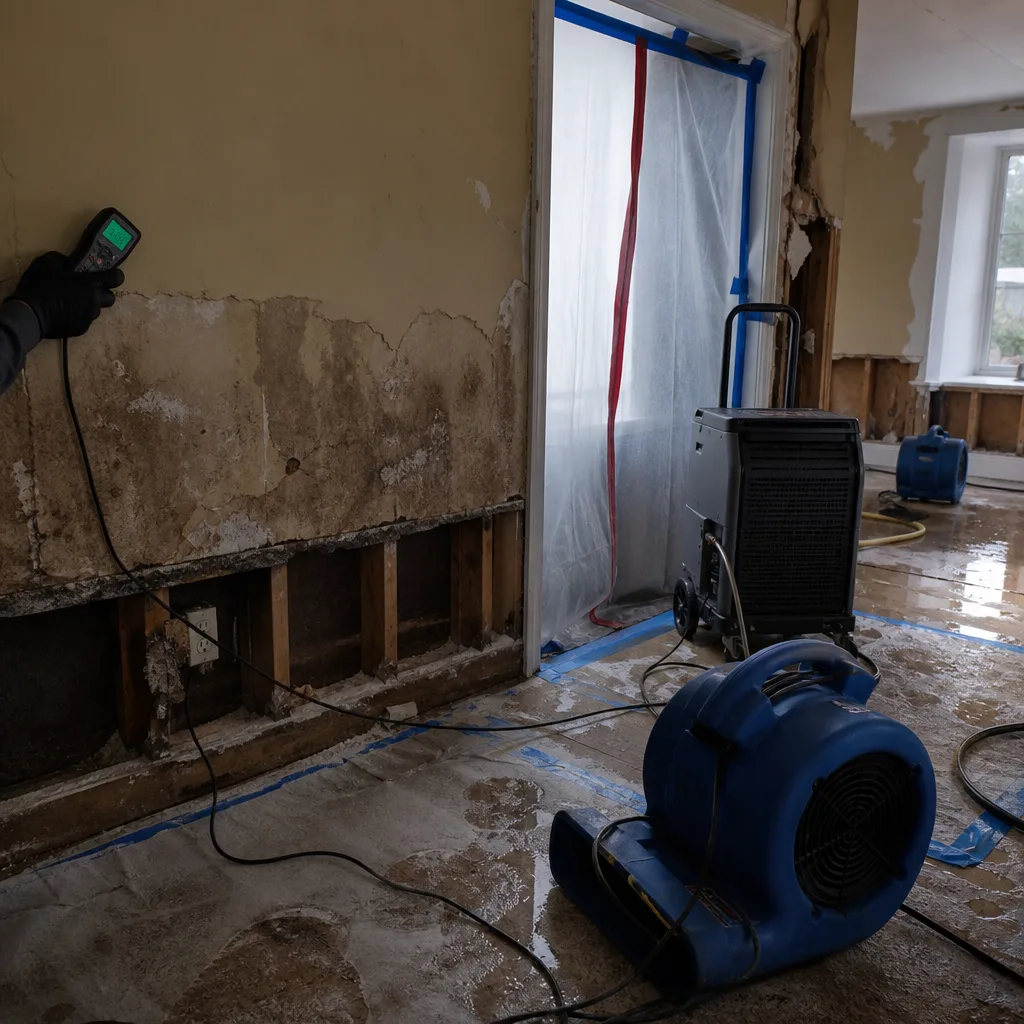 Before
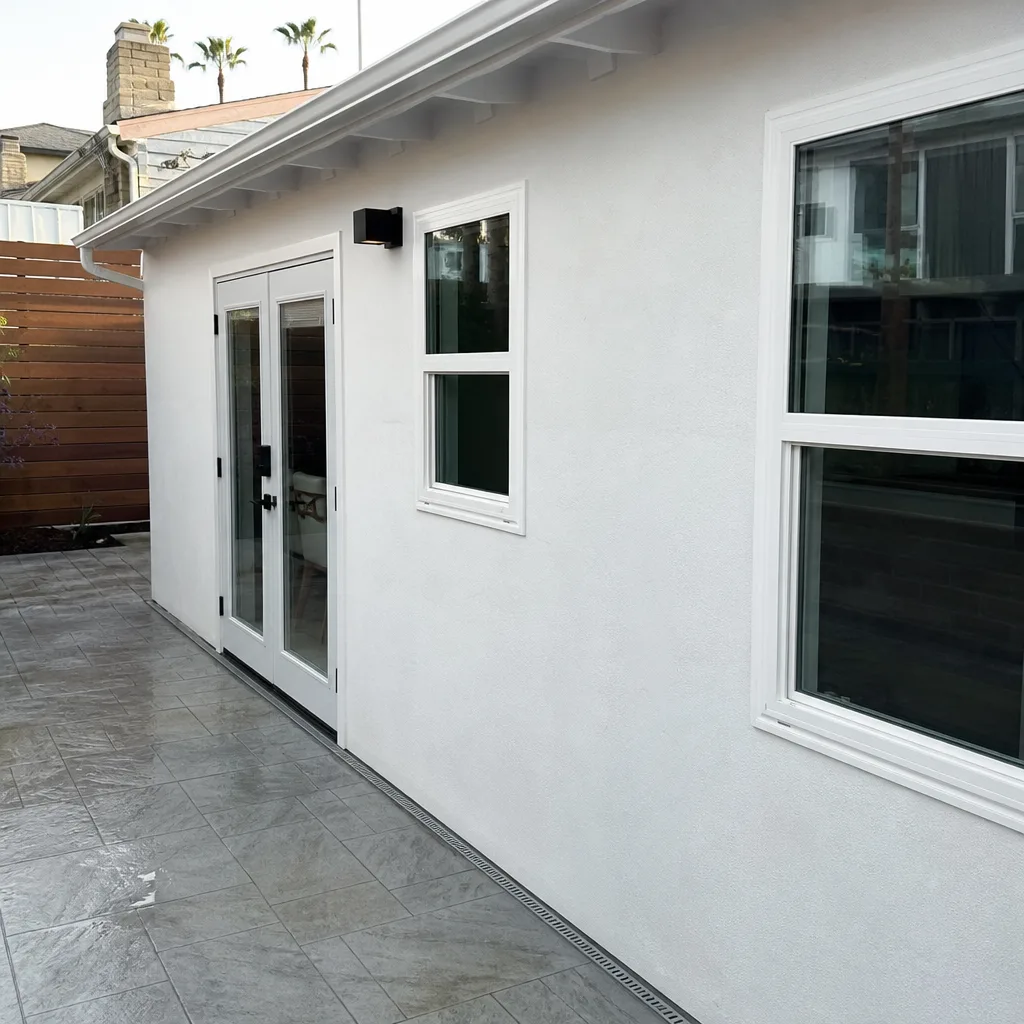 After
After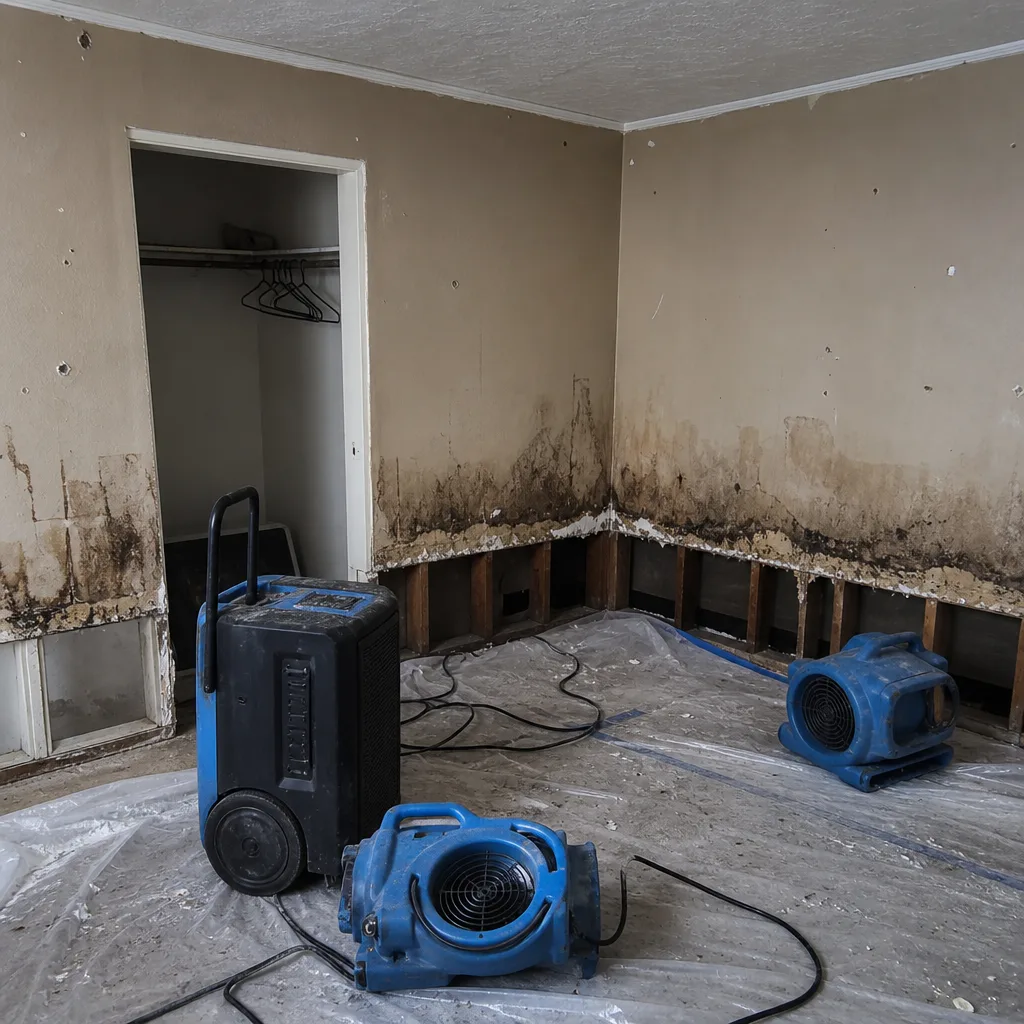 Before
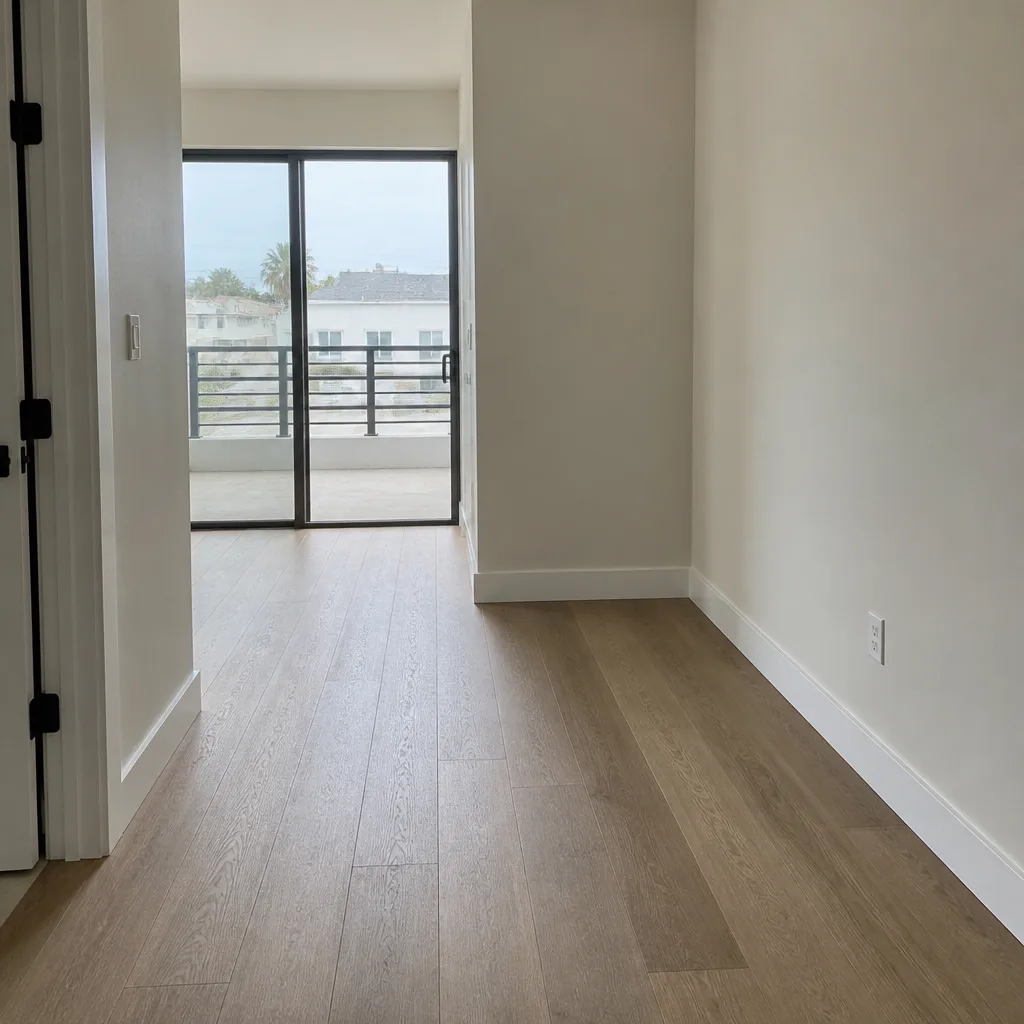 After
After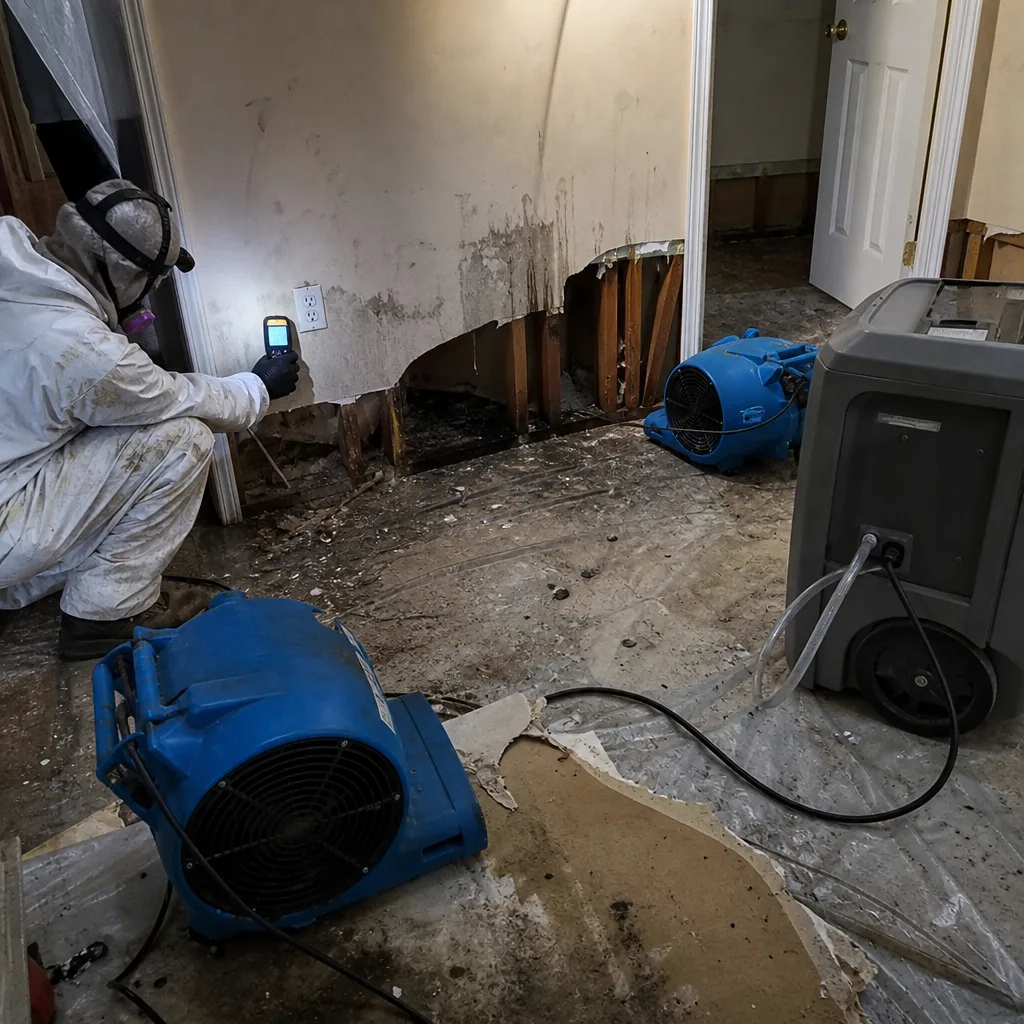 Before
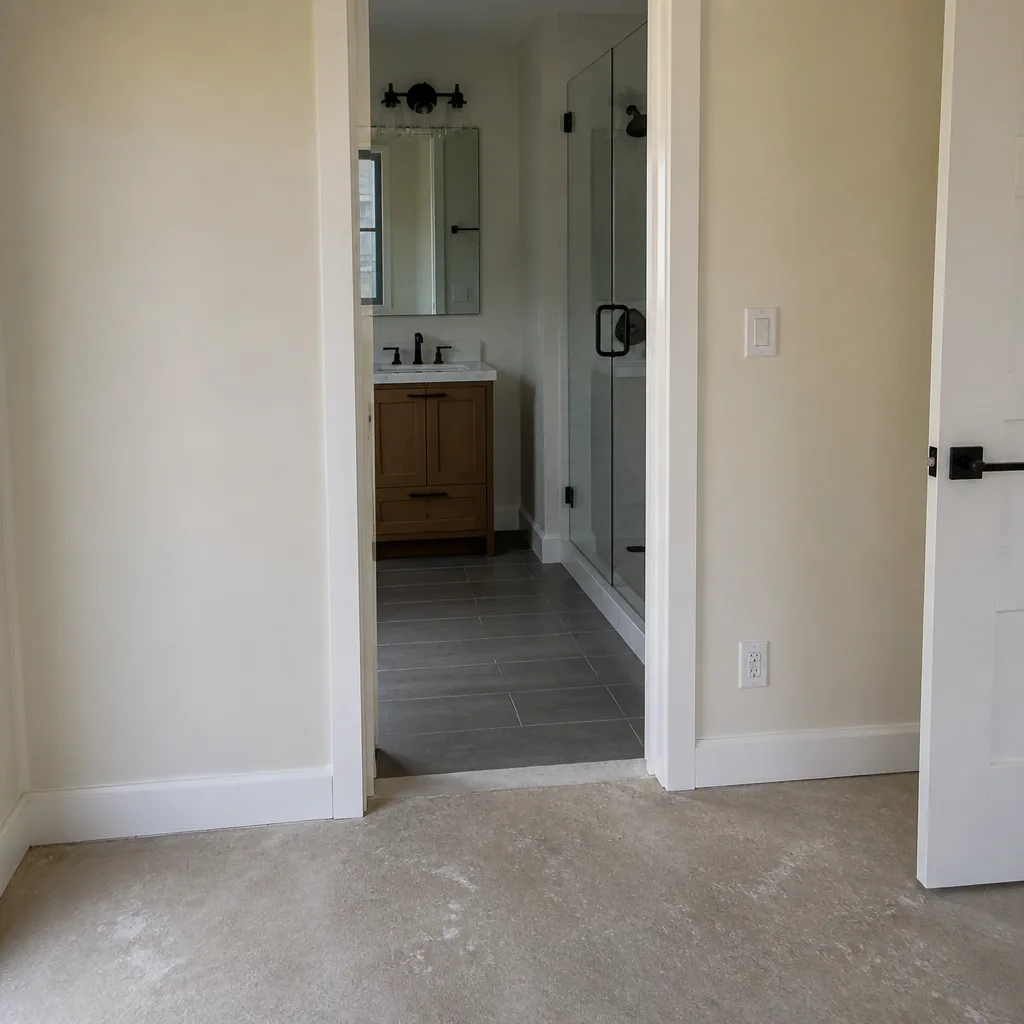 After
AfterHow to Hire a Damage Restoration Contractor in Playa del Rey: A Step-by-Step Guide
The assignment-of-benefits form a restoration salesperson hands you at the door of a damaged home is not a formality. In California, signing it can transfer your insurance rights to the contractor before you know what the job will cost, a practice the California Department of Insurance has flagged as a driver of inflated claims and delayed settlements. We’ve reviewed thousands of restoration invoices since 2011, and the ones that get paid without dispute share one trait: they were documented before work started, not reconstructed afterward. This guide gives Playa del Rey homeowners a hiring filter built around claim outcomes, not contractor sales pitches, and complements our Complete Guide to Damage Restoration in Playa del Rey.
Quick Answer
Hiring a damage restoration contractor in Playa del Rey requires verifying five credentials before discussing scope, demanding a written estimate with line-item equipment rates, and refusing any contractor who won’t document moisture readings and photo evidence before starting work. The contractor you want treats documentation as the product, not an afterthought, because that’s what your insurer will audit at settlement. Here’s how to find one.
Table of Contents
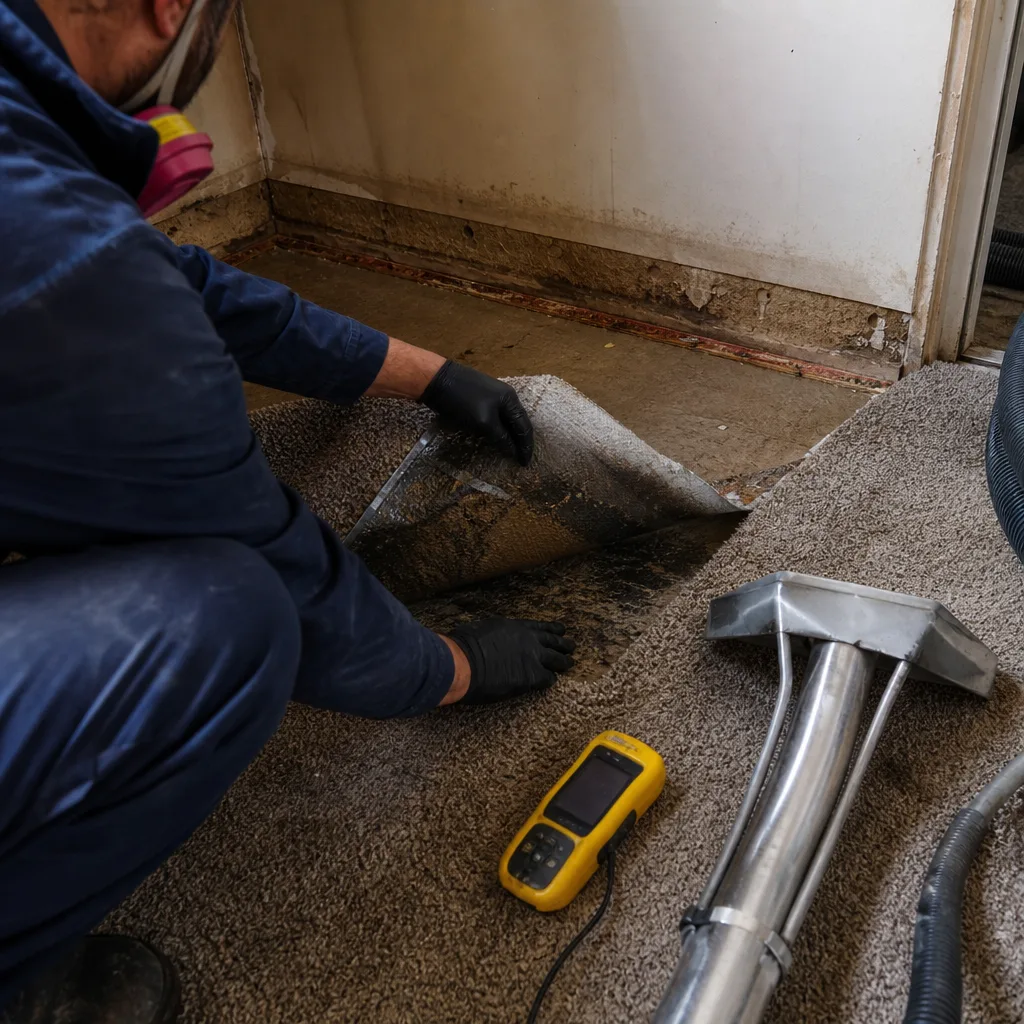
- Step 1: Verify Credentials Before You Talk Scope
- Step 2: Decode the Written Estimate
- Step 3: Demand the Documentation Standard
- Playa del Rey Red Flags: Door-Knockers, AOB Forms, and Verbal Pricing
- The Hiring Call: Questions That Reveal Documentation Quality
- What Happens After You Hire: A Day-by-Day Look
- Common Mistakes to Avoid
- When to Call a Professional
- Frequently Asked Questions
- The Bottom Line
 Before
 After
AfterStep 1: Verify Credentials Before You Talk Scope
Restoration contractors in California operate under specific regulatory frameworks, and the ones worth hiring will have documentation ready before you ask. Here’s what to verify, in order, before any conversation about drying equipment or demolition scope.
CSLB License Status
California requires a Contractor State License Board (CSLB) license for structural drying, demolition, and reconstruction work. The license class matters: B-General Building for reconstruction, C-36 Plumbing for water extraction and drying system installation, and C-61/D-49 for specialized mitigation. Ask for the license number and verify it at cslb.ca.gov. Check that the license is active, bonded, and carries workers’ compensation insurance if the company has employees.
In our experience, the license number itself tells you something. A six-digit number issued in the 1990s or earlier indicates a contractor who has survived multiple economic cycles and regulatory changes. A seven-digit number starting with 9 or higher suggests incorporation after 2010. Neither is disqualifying, but the former correlates with contractors who have seen claims disputes and learned to document accordingly.
IICRC Certifications: WRT and ASD
The Institute of Inspection, Cleaning and Restoration Certification (IICRC) sets the industry standard for water damage restoration. Two certifications matter for your hire:
- Water Restoration Technician (WRT): The baseline certification for anyone handling water intrusion. Covers moisture detection, extraction, and basic drying science.
- Applied Structural Drying (ASD): The advanced certification that demonstrates understanding of psychrometrics, the study of air moisture content and temperature. An ASD-certified technician can calculate vapor pressure differential, the force that drives moisture from wet materials into dry air, and adjust equipment placement accordingly.
Ask specifically: “Is the technician who will be on-site daily WRT- and ASD-certified?” Some companies employ certified salespeople who hand off to uncertified crews. The certification needs to travel with the person doing the work.
Active Liability Insurance With You as Additional Insured
General liability insurance is standard. What separates professional restoration contractors is willingness to name you as an additional insured on their policy for the duration of your project. This costs them nothing and protects you if their work causes secondary damage, such as electrical fire from improperly placed drying equipment or mold growth from incomplete drying.
Request a certificate of insurance (COI) naming you as additional insured before work begins. A contractor who hesitates or asks for a fee to add you is signaling financial stress or prior claims that make their insurer cautious.
RIA or IFA Affiliation
The Restoration Industry Association (RIA) and the Indoor Air Quality Association (IFA) represent the professional tier of the industry. Membership indicates participation in continuing education and adherence to published standards. IFA-certified firms, in particular, have demonstrated competency in mold assessment and remediation protocols that exceed California’s minimum requirements.
We’ve found that contractors who maintain these affiliations are more likely to produce the daily drying logs and photo documentation that insurers require for full payment. The affiliation itself doesn’t guarantee quality, but it correlates with contractors who view documentation as a professional obligation rather than a customer request.
Verification Checklist
- CSLB license active and verified online
- WRT and ASD certifications held by on-site technician
- General liability insurance with you named additional insured
- RIA or IFA membership in good standing
- Workers’ compensation insurance if employees are present
Complete this checklist before discussing your damage. A contractor who resists credential verification will resist documentation requirements later.
Step 2: Decode the Written Estimate
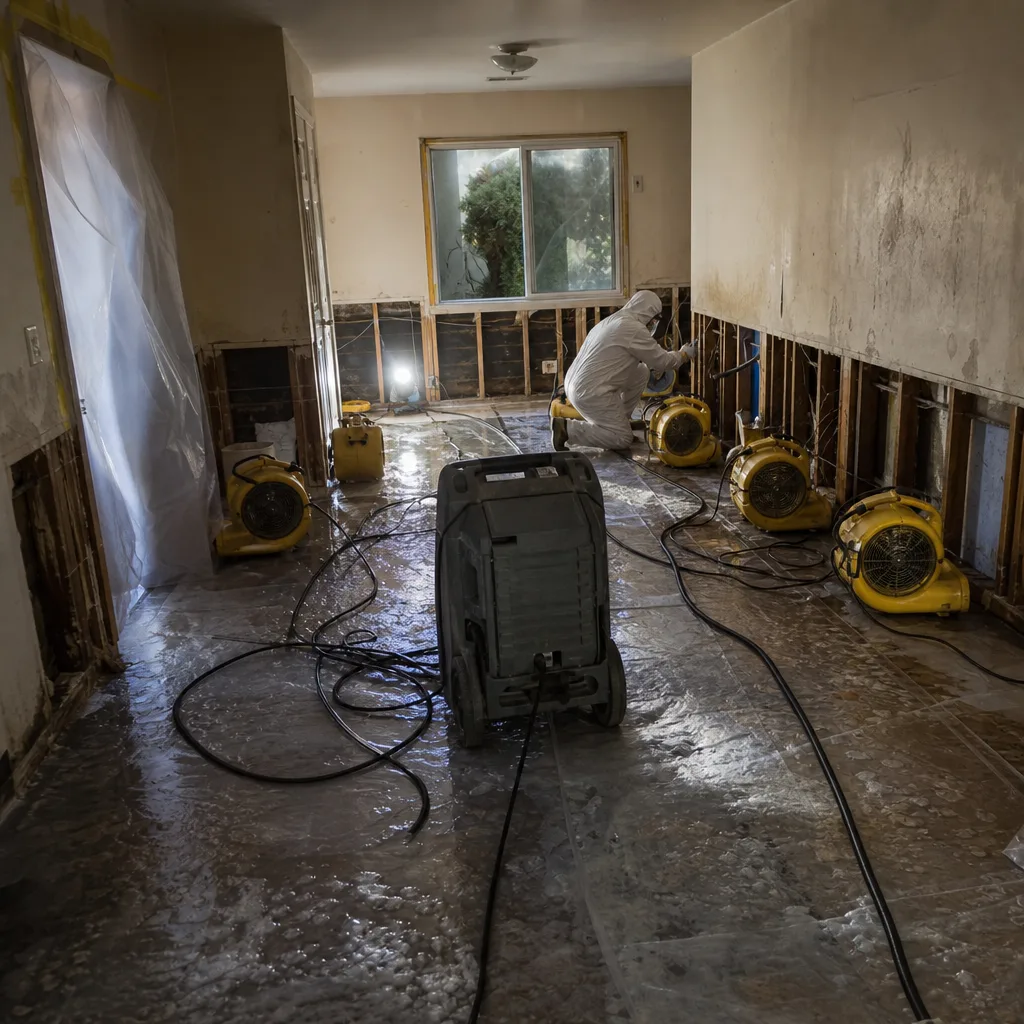
Haven Standard, Clause 1: written price before work begins. This clause exists because we’ve seen what happens without it. A verbal estimate of “around three thousand” becomes $7,400 on the final invoice, with line items like “containment setup” and “HVAC protection” that were never discussed. The homeowner pays out of pocket or fights their insurer for six months.
A proper written estimate for water damage restoration in the Los Angeles market should contain these line items, at minimum:
| Line Item | What It Covers | Fair Range in Playa del Rey/LA Market |
|---|---|---|
| Emergency service call / after-hours mobilization | Initial response, site inspection, moisture mapping | $150-$350 |
| Water extraction (per square foot) | Standing water removal, category 1-3 | $0.75-$2.50/sq ft |
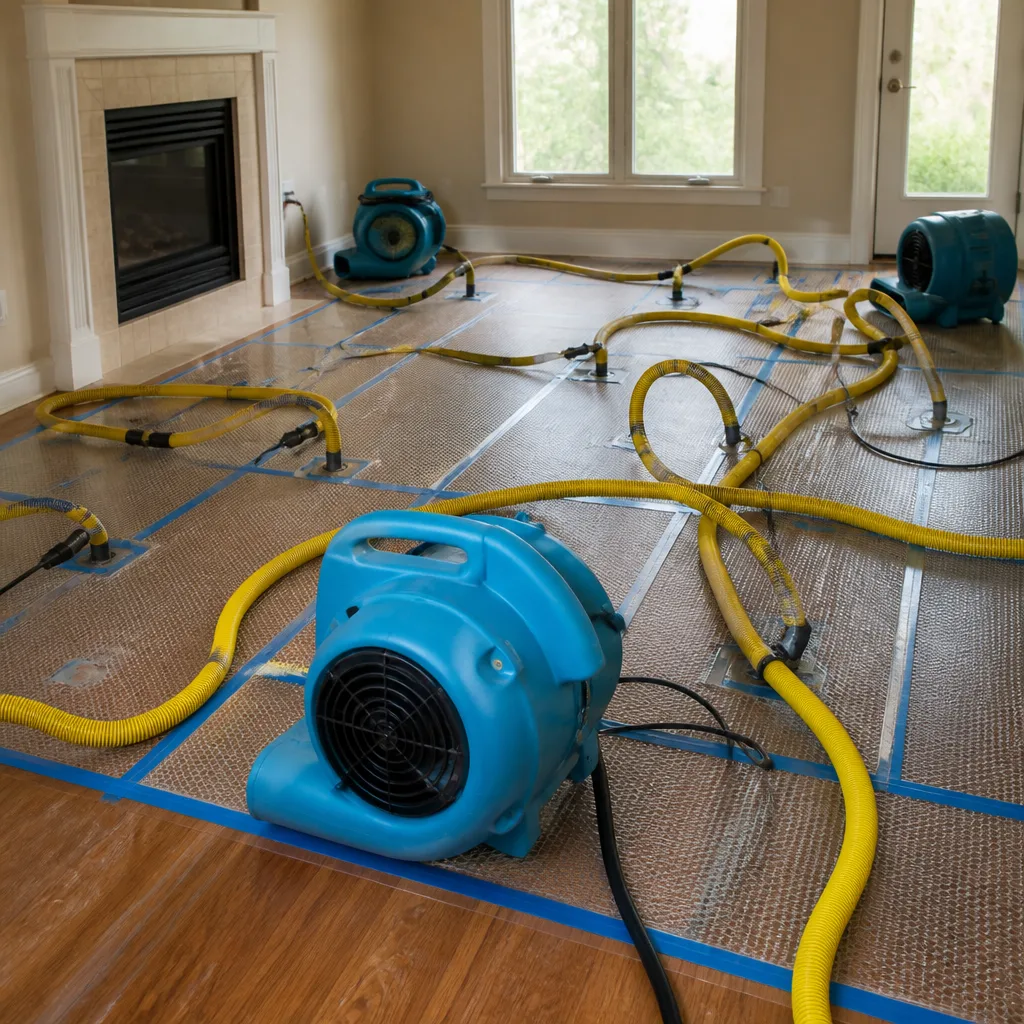
| Drying equipment daily rate | Air movers, dehumidifiers, specialty drying systems | $25-$75/day per unit |
| Moisture monitoring / daily visits | Psychrometric readings, drying log maintenance | $75-$150 per visit |
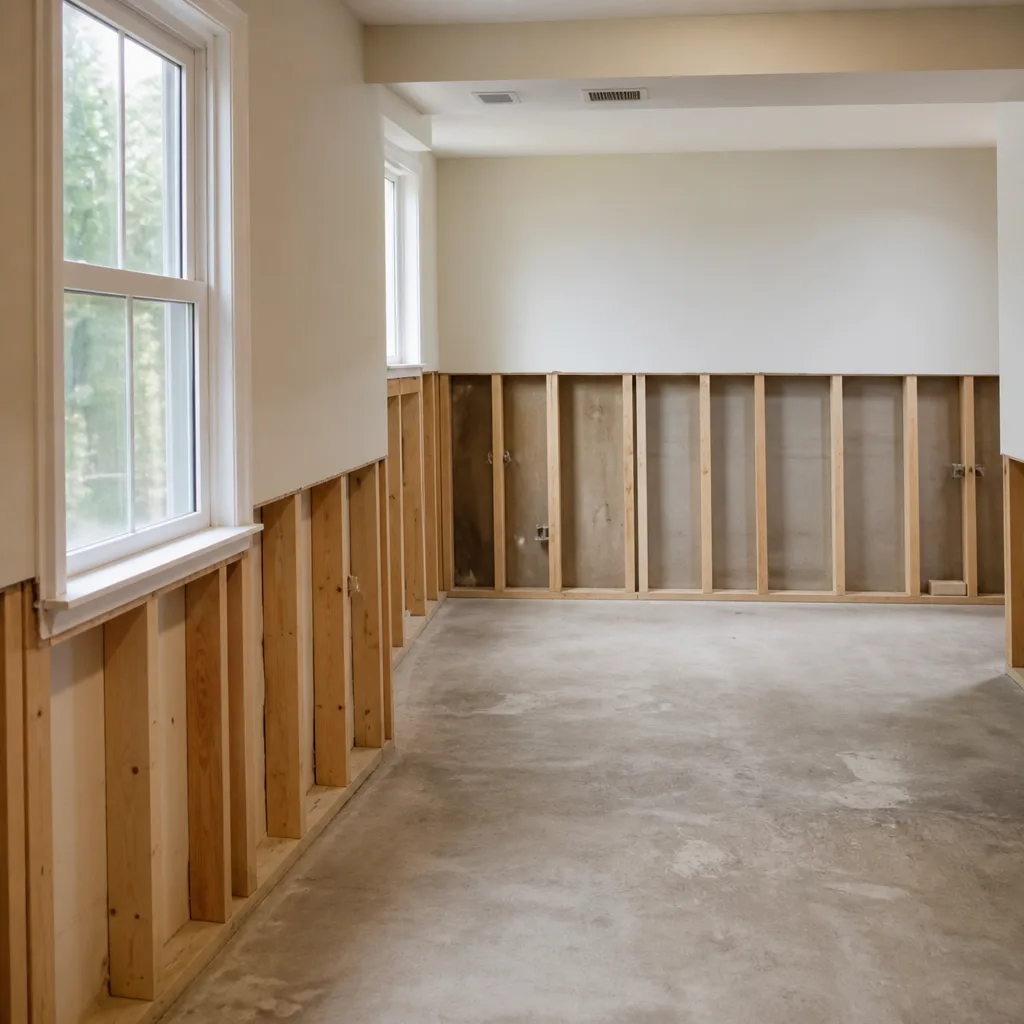
| Demolition (if required) | Removal of unsalvageable materials | $2.50-$6.00/sq ft |
| Containment build (mold jobs) | Polyethylene barriers, negative air pressure | $200-$500 per zone |
| Antimicrobial application | EPA-registered biocide, category 2 or 3 water | $0.50-$1.50/sq ft |
| Content manipulation / pack-out | Furniture moving, inventory, off-site storage | $75-$150/hour |
Equipment Rates: The Most Inflated Line Item
Drying equipment daily rates are where restoration invoices most commonly inflate. A standard Phoenix 200 HT dehumidifier or Dri-Eaz Revolution LGR rents to contractors for approximately $35-$50 per day. The contractor’s charge to you should reflect that cost plus labor for placement, monitoring, and pickup, typically landing in the $45-$75 range. Charges above $100 per day per unit warrant explanation, especially for extended rentals beyond five days.
Ask specifically: “What is the daily rate for each piece of equipment, and how many days do you estimate?” A contractor who gives a lump sum for “drying” without equipment breakdown is either sloppy or deliberately opaque.
Cost Categories to Scrutinize
- Category upgrades: Water starts as Category 1 (clean) and degrades to Category 2 (gray) or 3 (black) based on time and temperature. Some contractors classify all water as Category 2 or 3 to justify antimicrobial charges and higher extraction rates. Ask how the category was determined and when.
- Equipment counts: The IICRC S500 standard specifies one air mover per 50-70 square feet of affected area, plus one for each wall and corner. Count the air movers on day one and compare to your square footage.
- Extended rental days: Equipment should be removed when moisture readings reach dry standard, typically 12-16% moisture content for wood framing and below 4% for concrete. Daily readings should justify each additional day.
We provide a Free Second Opinion on any competitor’s written estimate. Bring us a quote and we’ll review line-item accuracy against current Los Angeles market rates, at no charge.
Step 3: Demand the Documentation Standard
The difference between a contractor who provides a written scope before mobilizing equipment and one who “assesses as they go” is typically $2,000-$5,000 at settlement, plus three to six months of additional claim processing time. Here’s why.
Insurance adjusters audit restoration invoices against three documents: the initial scope of work, the daily drying log, and the photo record. If these don’t exist or were created after work concluded, the adjuster applies a depreciation penalty or denies portions of the claim as undocumented. We’ve reviewed claims where 40% of legitimate drying charges were disallowed because the contractor’s “log” was a single moisture reading scrawled on a work order.
What Proper Documentation Looks Like
Before any equipment enters your home, you should receive:
- Written scope of work: Room-by-room description of affected materials, planned demolition, equipment placement, and estimated timeline. Signed by you and the contractor.
- Initial moisture readings: Baseline readings for each affected material, taken with a calibrated pin or pinless moisture meter, recorded in a standard format (wood moisture content percentage, relative humidity, temperature, dew point).
- Photo record initiation: Date-stamped photos of all affected areas, wet materials, and moisture meter readings. This continues on every subsequent visit.
- Daily drying log: Psychrometric data for each affected room, equipment readings, moisture content progression, and technician signature. The log should show measurable progress toward dry standard.
- Completion documentation: Final moisture readings demonstrating dry standard achievement, photo record of completed work, and signed warranty.
Psychrometric Data: What It Means
Psychrometrics is the study of air moisture content and temperature. Your contractor should measure and record: relative humidity (percentage of moisture the air holds relative to capacity), temperature (affects evaporation rate), dew point (temperature at which condensation forms), and vapor pressure (the force driving moisture from wet materials to dry air). These numbers determine equipment type, placement, and duration. A contractor who can’t explain them in plain language doesn’t understand the science they’re charging you for.
At DryMark Restoration Playa del Rey home, our daily drying logs record all five measurements, every visit, with technician signature and timestamp. It’s standard deliverable, never an upsell.
Playa del Rey Red Flags: Door-Knockers, AOB Forms, and Verbal Pricing
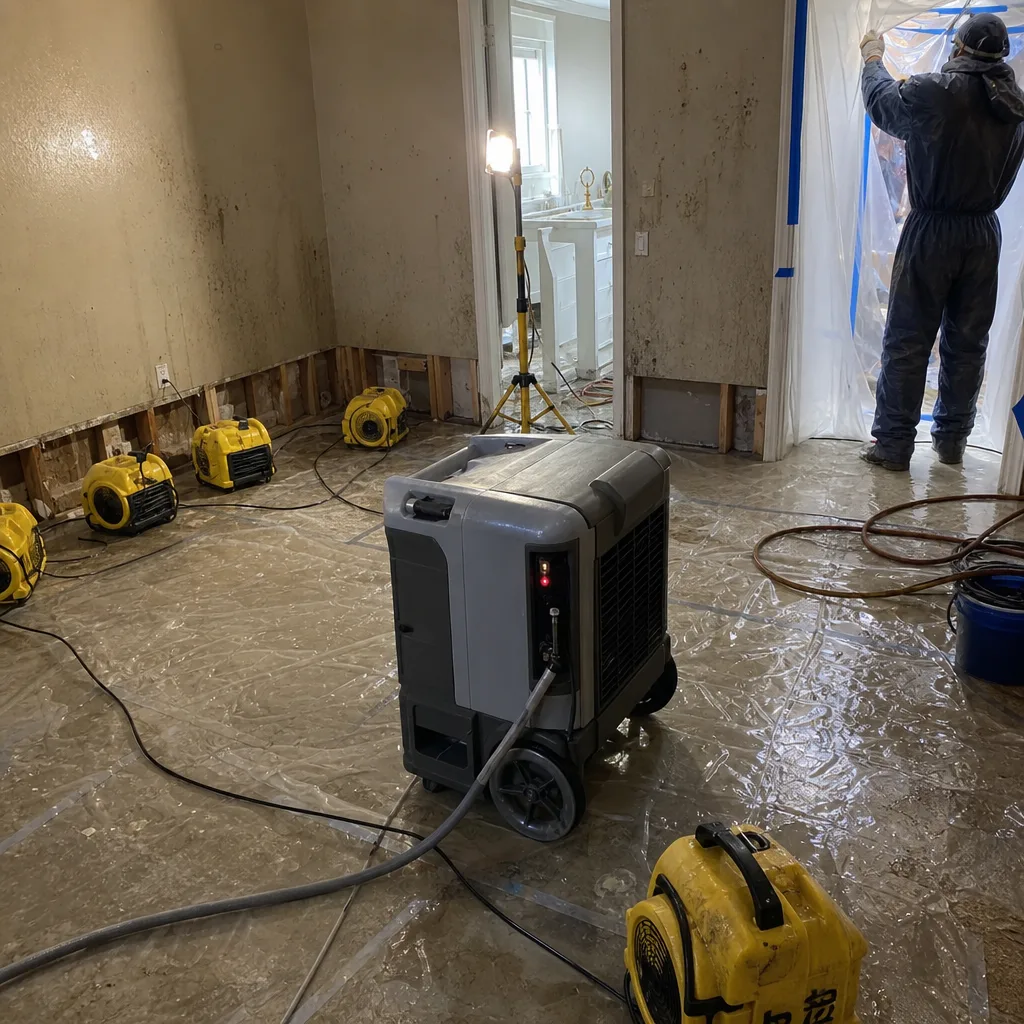
The Playa del Rey restoration market has characteristics that amplify common industry problems. Understanding them protects you from contractors who exploit local conditions.
The Coastal Climate Factor
Playa del Rey’s proximity to the Pacific creates specific moisture dynamics. Marine layer humidity, typically 70-85% in early morning hours, slows natural drying and extends equipment rental periods. Contractors unfamiliar with coastal psychrometrics may underestimate drying time or place inadequate dehumidification. We’ve seen jobs in the Playa del Rey dunes area where standard equipment counts were insufficient due to persistent onshore moisture intrusion through crawl space vents.
Ask prospective contractors: “How does marine layer humidity affect your equipment selection and placement?” The answer should reference LGR (low-grain refrigerant) dehumidifiers, which perform below 40 grains per pound, or desiccant systems for extreme humidity conditions.
Door-Knockers After Storm Events
Following Santa Ana wind events or winter storm systems, out-of-area restoration companies canvas Playa del Rey neighborhoods with promises of immediate service. These operators typically lack CSLB licensure for California work, carry insurance that doesn’t name you additional insured, and disappear when claim disputes arise. Verify any post-storm solicitor’s license before allowing site access.
The Assignment of Benefits (AOB) Trap
California does not prohibit AOB agreements, but the Department of Insurance has issued multiple bulletins warning consumers about their risks. An AOB transfers your right to collect insurance proceeds to the contractor, who then bills your insurer directly. Without a written scope and price cap, the contractor has incentive to maximize billable work.
Never sign an AOB without: a written estimate with line-item pricing, a not-to-exceed cap, and your right to approve change orders in writing. Better yet, refuse AOB entirely and require the contractor to work with your adjuster through you.
Verbal-Only Pricing
“We’ll figure it out as we go” is a direct violation of Haven Standard, Clause 1. In Playa del Rey’s competitive restoration market, some contractors offer verbal estimates to undercut written-quote competitors, then inflate charges once equipment is in place and the homeowner is stressed. Insist on written pricing before work starts, every time, with no exceptions.
Unsigned or Backdated Documentation
We’ve reviewed competitor files where the “written scope” was created after work completion, backdated, and presented to the insurer as contemporaneous documentation. This constitutes insurance fraud. Protect yourself by photographing your signed documents with timestamp, and requesting email confirmation of receipt from the contractor’s office.
The Hiring Call: Questions That Reveal Documentation Quality
You don’t need to know restoration terminology to evaluate contractor quality. These questions expose documentation standards without requiring industry knowledge.
- “Will I receive a written price before any work begins, and will it itemize equipment daily rates?” The answer must be yes, with specificity. “We’ll email you something” is insufficient.
- “Who holds WRT and ASD certifications on the crew that will be in my home daily?” Ask for names and certification numbers. Verify at iicrc.org.
- “What documentation will I receive on the first day, and what on each subsequent day?” Look for: written scope, initial moisture readings, photo record, and daily drying log. Anything less is incomplete.
- “How do you determine when drying is complete?” The answer should reference specific moisture content percentages, not “when it looks dry” or “our experience.”
- “Will you name me as additional insured on your liability policy before work starts?” Hesitation or refusal is disqualifying.
- “Can you provide a sample drying log from a completed job?” Professional contractors maintain templates and examples. Those who can’t produce one haven’t been documenting consistently.
- “What is your policy if my insurer disputes a line item?” The answer should involve direct adjuster coordination with your involvement, not “that’s between you and your insurance.”
- “Do you offer a written warranty, and what does it cover?” Look for specific duration, coverage scope, and mechanism for claim. Verbal assurances are unenforceable.
Contractors who answer these questions fully and without deflection are demonstrating the documentation-first approach that produces payable claims. Those who redirect to “our reputation” or “we’ve been doing this for years” are selling confidence, not evidence.
What Happens After You Hire: A Day-by-Day Look
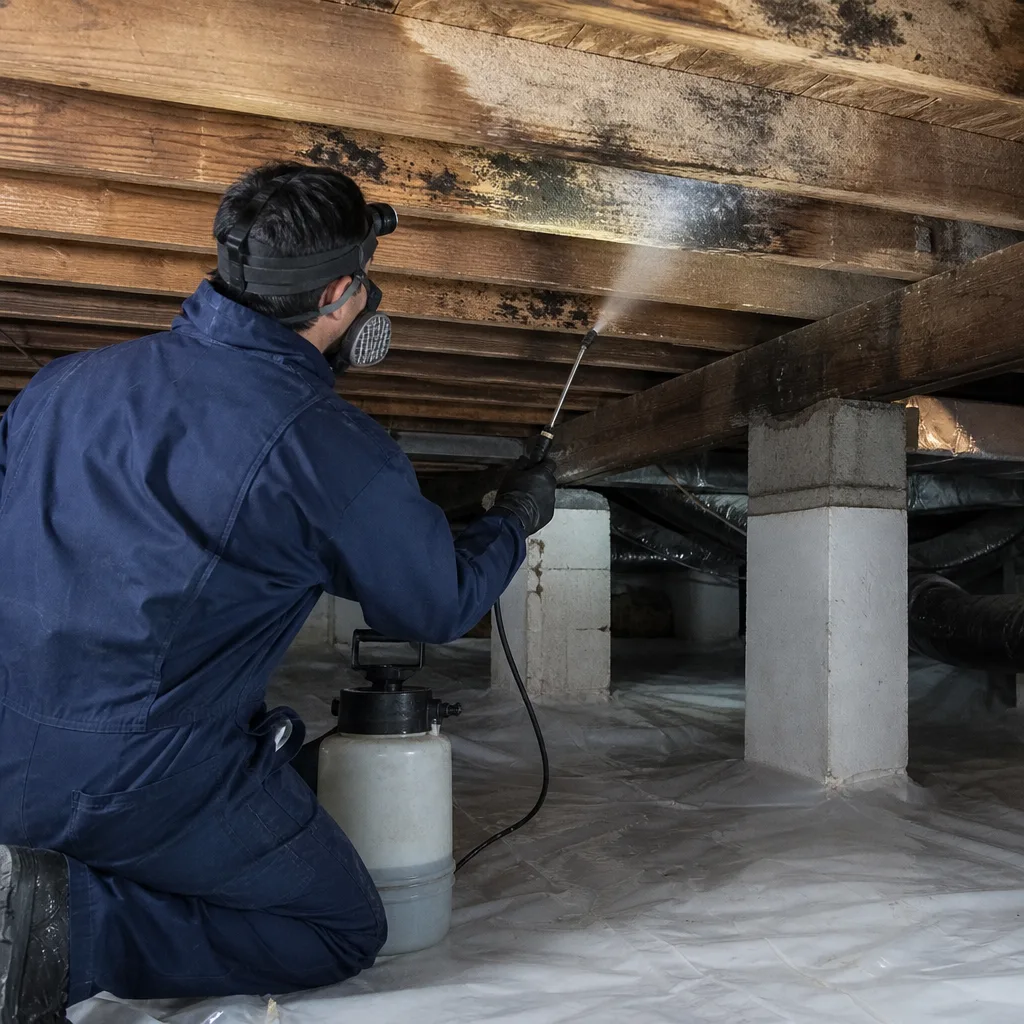
Understanding the restoration sequence helps you verify that documentation keeps pace with work. Here’s what proper process looks like for a typical water damage job in Playa del Rey.
Day 0: Emergency Response
Technician arrives with moisture detection equipment, documents initial conditions with photos and readings, and presents written scope and price before any extraction or equipment placement. You sign and receive copies. Equipment is deployed only after written authorization.
Days 1-3: Active Drying
Daily visits (or more frequent for Category 2/3 water) with recorded psychrometric data, moisture content progression, and equipment adjustments. Each visit generates dated, signed documentation. Photo record expands to show drying progress. You receive copies or access through client portal.
Day 4+: Tertiary Drying and Verification
Tertiary drying addresses bound moisture in dense materials like hardwood, plaster, or concrete. This phase requires specialized equipment, typically Injectidry hardwood drying systems or supplemental heat, and extended monitoring. Documentation must show vapor pressure differential calculations justifying continued equipment rental.
Completion and Warranty
Final moisture readings demonstrate dry standard achievement. Photo record shows completed work. You receive signed completion certificate and written warranty. For our work, that’s the 365-Day Done Right Promise under The Haven Standard: if it’s not done right, we make it right.
Our Water Damage Restoration in Playa del Rey page details specific protocols for coastal moisture conditions.
Common Mistakes to Avoid
- Hiring based on response speed alone. The contractor who arrives fastest may be the one with the least scheduled work, not the most capable. Verify credentials before you verify arrival time.
- Signing anything at the door. AOB forms, work authorizations, and even “permission to enter” documents can contain binding financial terms. Read completely, photograph, and retain copies before signing.
- Accepting verbal estimates for insurance work. Verbal pricing is unenforceable and uninsurable. Your adjuster cannot approve what isn’t documented.
- Neglecting to verify additional insured status. Without this protection, you bear liability for contractor-caused damage to neighboring units (critical in Playa del Rey’s multi-family buildings) or common areas.
- Ignoring equipment counts. Excessive air movers inflate daily charges without improving drying. Count units and compare to IICRC square footage standards.
- Failing to document pre-existing conditions. Photograph undamaged areas before work starts. Contractors have been known to attribute pre-existing wear to the current loss.
- Assuming your insurer vetted the contractor. Insurer “preferred vendor” lists are typically based on pricing agreements, not quality verification. Apply the same credential checks to preferred vendors as to independents.
When to Call a Professional
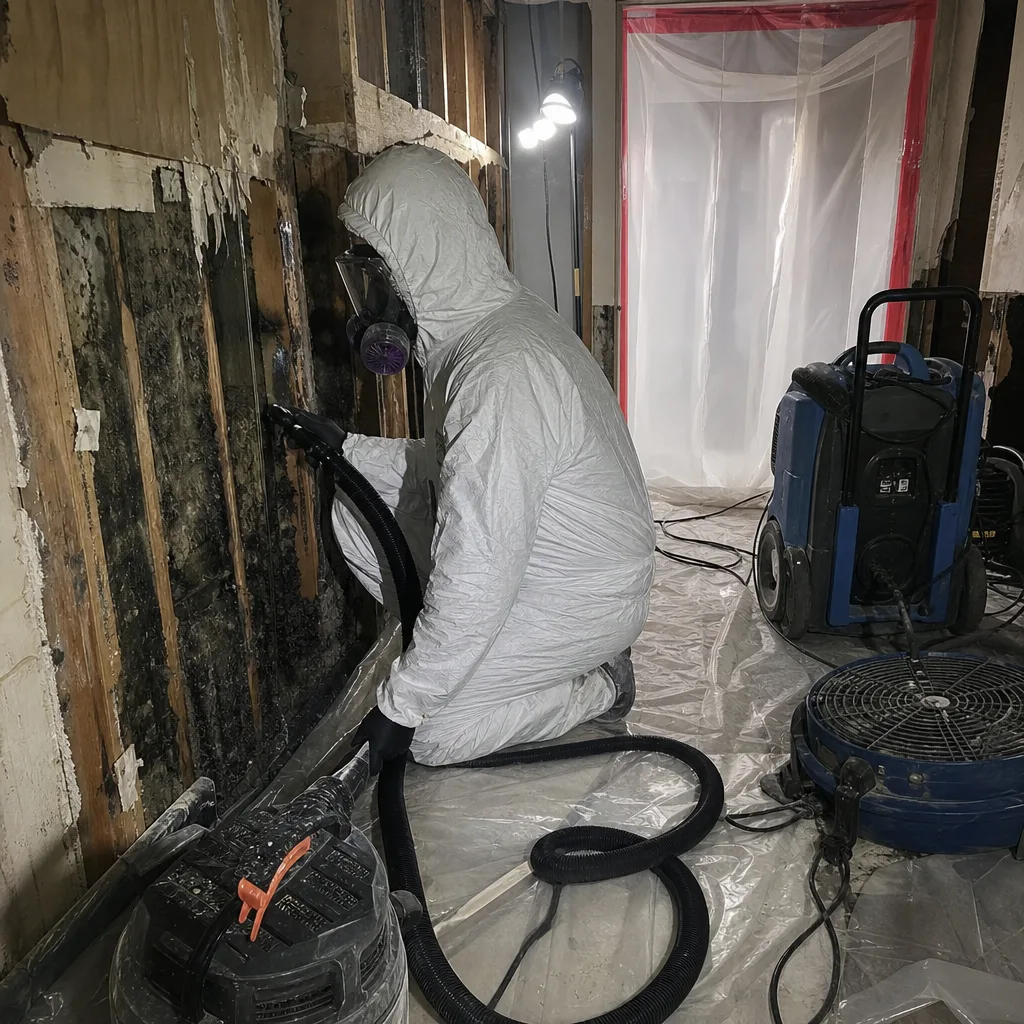
Some damage scenarios require immediate professional intervention regardless of your DIY capabilities. Call a restoration contractor if: water has affected drywall or insulation (these materials wick moisture vertically and require professional drying); you smell musty odors after 48 hours (indicating mold colonization, which in Playa del Rey’s humid coastal environment accelerates beyond visible growth); sewage or gray water is involved (Category 2 and 3 water carries bacterial and viral contamination requiring antimicrobial protocols and proper disposal); electrical systems may be compromised (water near panels, outlets, or wiring creates electrocution risk); or your insurer has already been notified (documentation requirements activate immediately).
DryMark Restoration Playa del Rey offers free estimates in Playa del Rey, and you can find more guides & resources on our blog. Call (424) 351-9295 for written pricing before any work begins.
Frequently Asked Questions
Typical residential water damage restoration in Playa del Rey ranges from $1,800 for limited Category 1 extraction and drying to $8,500+ for whole-house Category 2 or 3 losses with demolition and reconstruction. Equipment daily rates run $25-$75 per unit in the Los Angeles market, and marine layer humidity often extends drying by one to three days compared to inland areas. Call (424) 351-9295 for an exact quote based on your specific moisture readings and affected square footage - estimates are free.
Most homeowner policies cover sudden and accidental water damage, excluding gradual leaks and flood events (which require separate flood insurance). Coverage depends on documentation quality: insurers pay claims with contemporaneous drying logs, photo records, and written scopes; they deny or depreciate claims reconstructed after work completion. We coordinate directly with adjusters and provide the documentation package that supports full payment. Call (424) 351-9295 to discuss your specific policy and loss.
Emergency response times in Playa del Rey typically range from 45 minutes to two hours for local contractors during normal conditions, and two to four hours during regional storm events when demand surges. Response speed matters for mitigation, but credential verification matters more. A contractor who arrives in 30 minutes without proper licensing or documentation capability will cost more at settlement than one who arrives in 90 minutes with full credential and documentation standards. For emergency water damage, call (424) 351-9295 - our live dispatch answers 24 hours a day, 7 days a week with no voicemail.
Surface cleaning addresses visible contamination only. Water wicks into wall cavities, subfloors, and insulation within hours, creating conditions for mold growth that DIY methods cannot detect or resolve. In Playa del Rey’s coastal climate, where humidity often exceeds 70%, mold colonization accelerates beyond visible thresholds. Professional moisture mapping with thermal imaging and pinless meters reveals hidden saturation that determines actual scope. We offer free second opinions if you’re unsure whether a competitor’s recommended scope is justified - bring their written estimate and we’ll review it at no charge.
Restoration contractors specialize in emergency mitigation, controlled demolition, and structural drying, with training in psychrometrics, microbial contamination, and insurance documentation. General contractors build and remodel; most lack IICRC certification, moisture detection equipment, and familiarity with insurer documentation requirements. Some firms, including ours, provide both mitigation and reconstruction under one documentation standard, eliminating handoff gaps that delay claims. For Fire & Smoke Damage Restoration in Playa del Rey, this continuity is particularly valuable because smoke damage requires both specialized cleaning and subsequent reconstruction.
You retain final authority over your claim, but a professional restoration contractor should coordinate directly with your adjuster for documentation exchange, scope clarification, and payment processing. This requires your written authorization, which is distinct from an assignment of benefits. We provide direct adjuster coordination as standard practice, with copies to you of all communications. You remain informed and in control while we handle the technical documentation that adjuster approval requires.
Functioning drying equipment produces measurable results: declining moisture content in affected materials, stable or decreasing relative humidity, and negative vapor pressure differential as wet materials release moisture to dry air. Your contractor should show you these numbers on each visit and explain the trend. Equipment that runs for days without measurable progress indicates improper placement, insufficient capacity, or equipment malfunction. Ask to see the daily drying log and understand what each number means for your timeline.
The Bottom Line
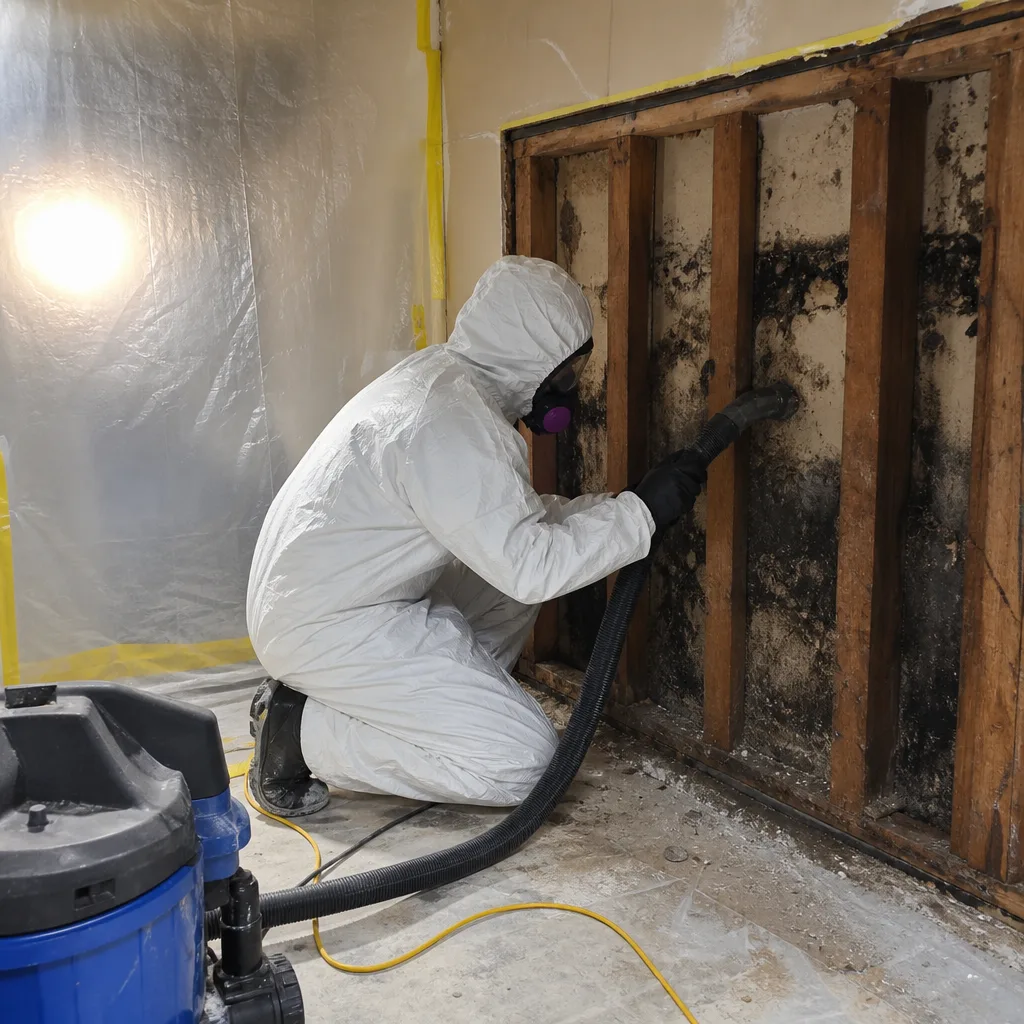
Hiring a restoration contractor in Playa del Rey is a documentation decision disguised as a service decision. The credentials you verify before work starts, the written estimate you demand with line-item pricing, and the daily documentation you receive determine whether your insurance claim pays fully and promptly or stalls in dispute. Contractors who treat these steps as standard practice, not customer requests, are the ones who have learned what sloppy documentation costs. Apply the checklist in this guide, ask the hiring questions that reveal process quality, and refuse any contractor who won’t put their price and their promises in writing before equipment enters your home.
For Mold Remediation in Playa del Rey or any damage restoration need, we provide written estimates at no charge, with no obligation and no scope-creep additions once work begins. Call (424) 351-9295 to speak with our live dispatch, available 24 hours a day, 7 days a week.
Written by Alicia Brennan, Owner at DryMark Restoration Playa del Rey, serving Playa del Rey since 2011.