
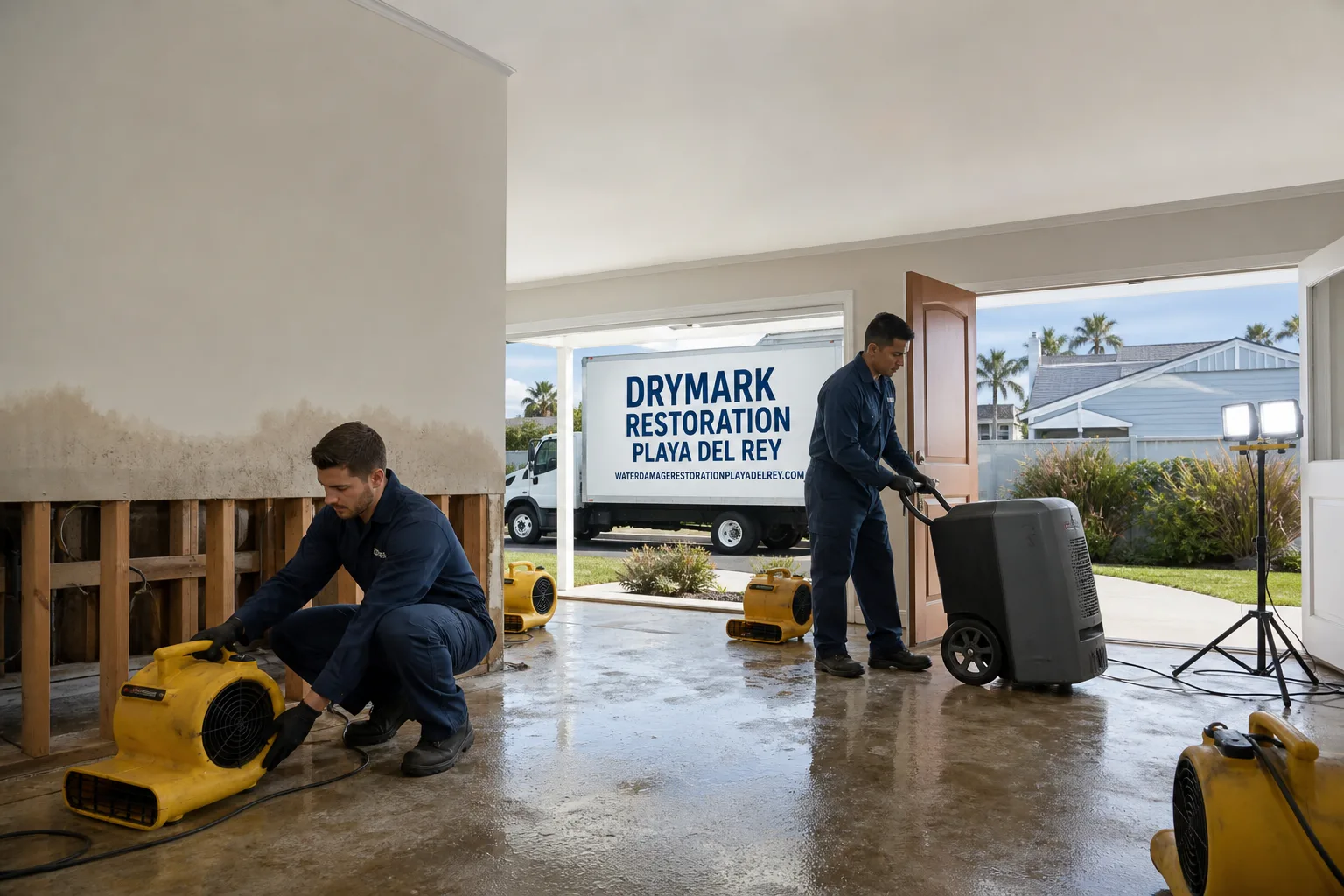
Free visual inspection and a written scope of work before any mitigation begins - photos, moisture readings, and drying logs go in your claim file
The scope we write is the scope we bill. Anything new gets shown to you, in writing, before we touch it.
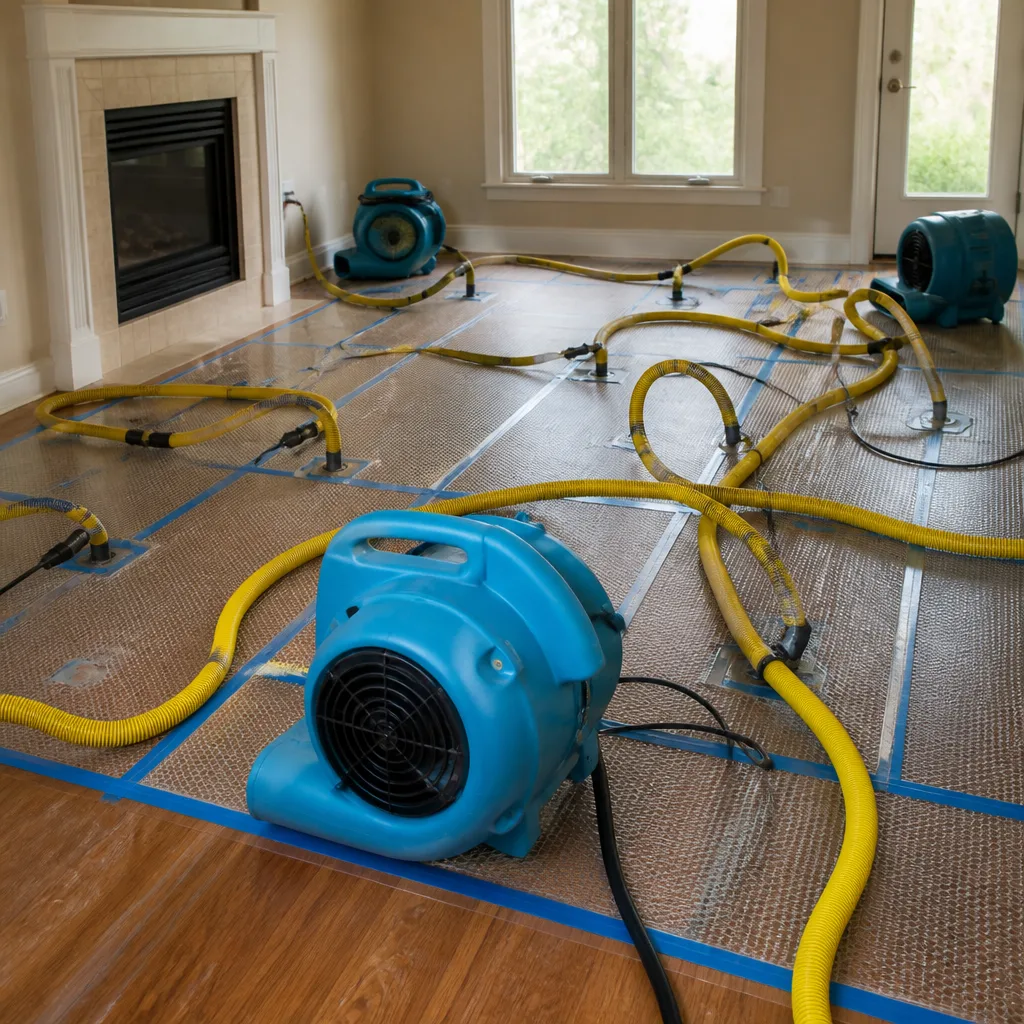
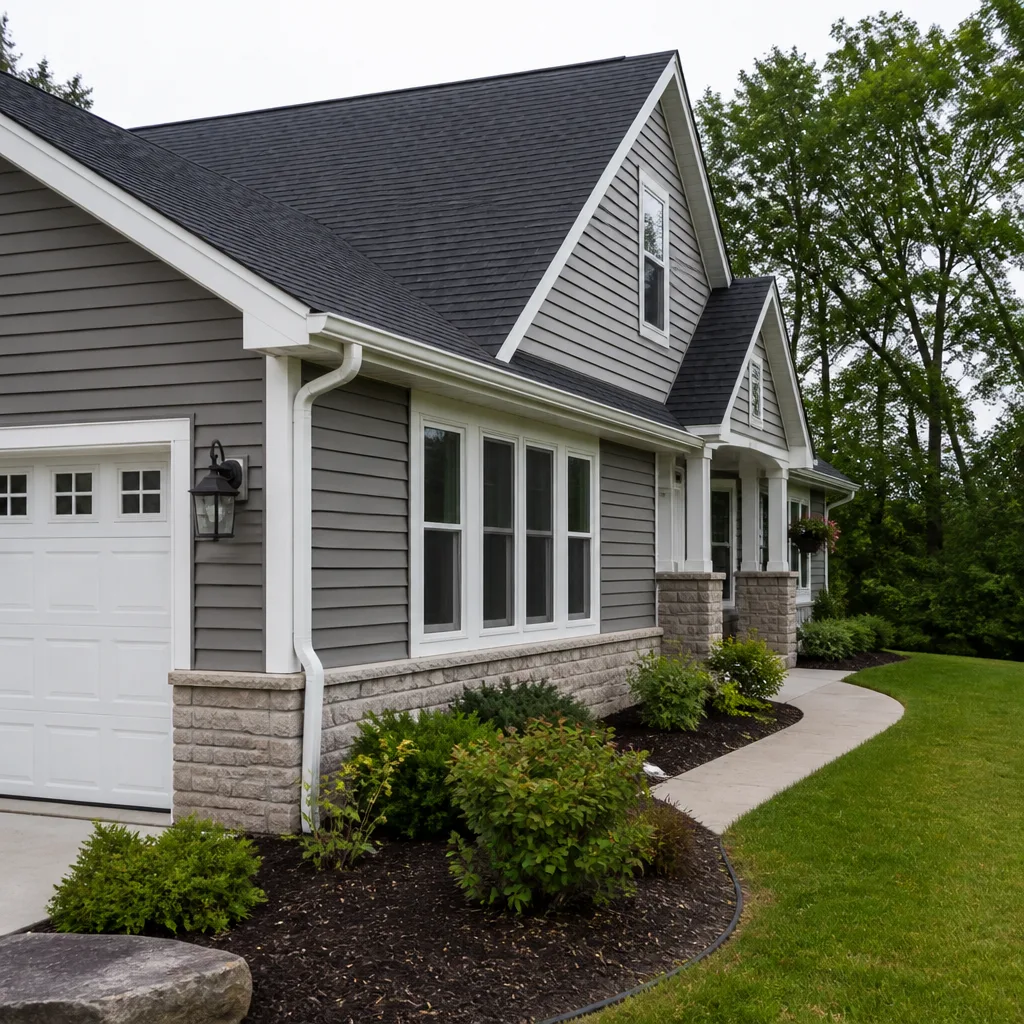
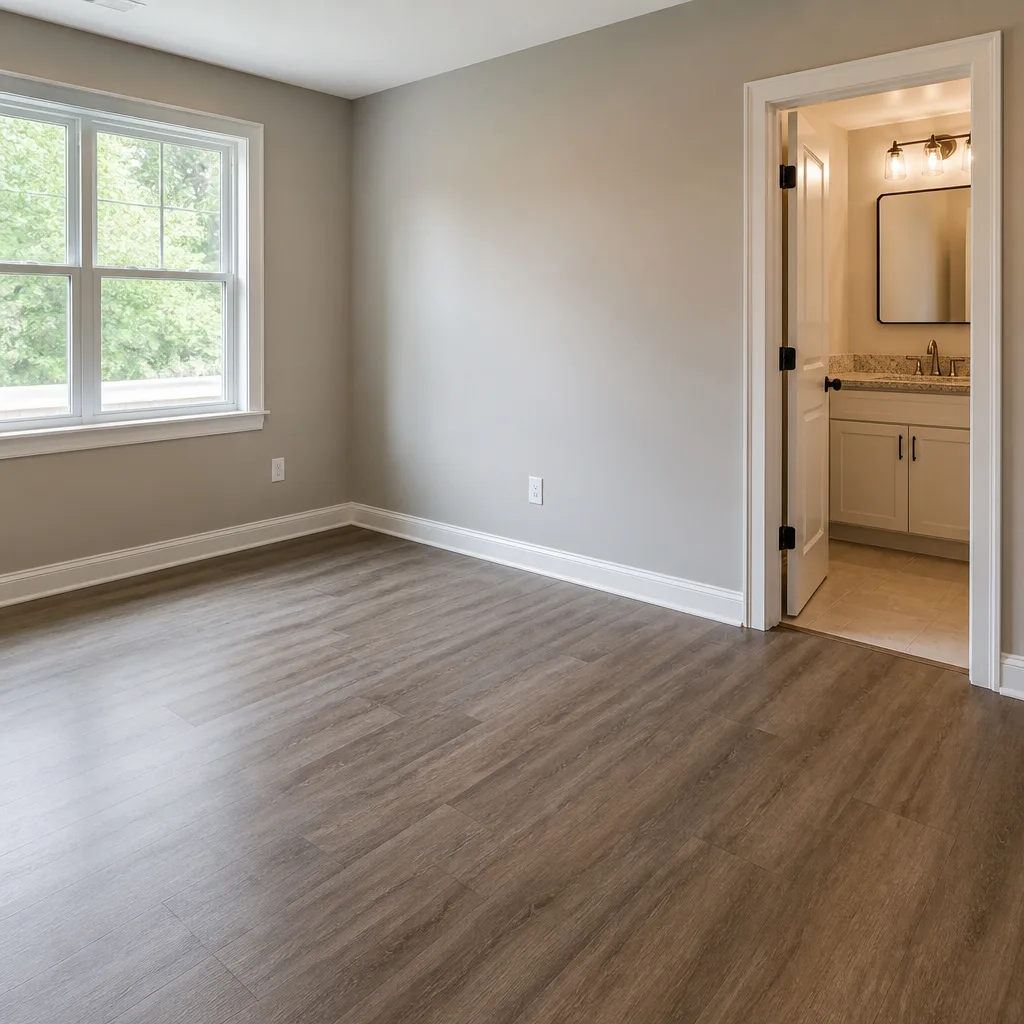
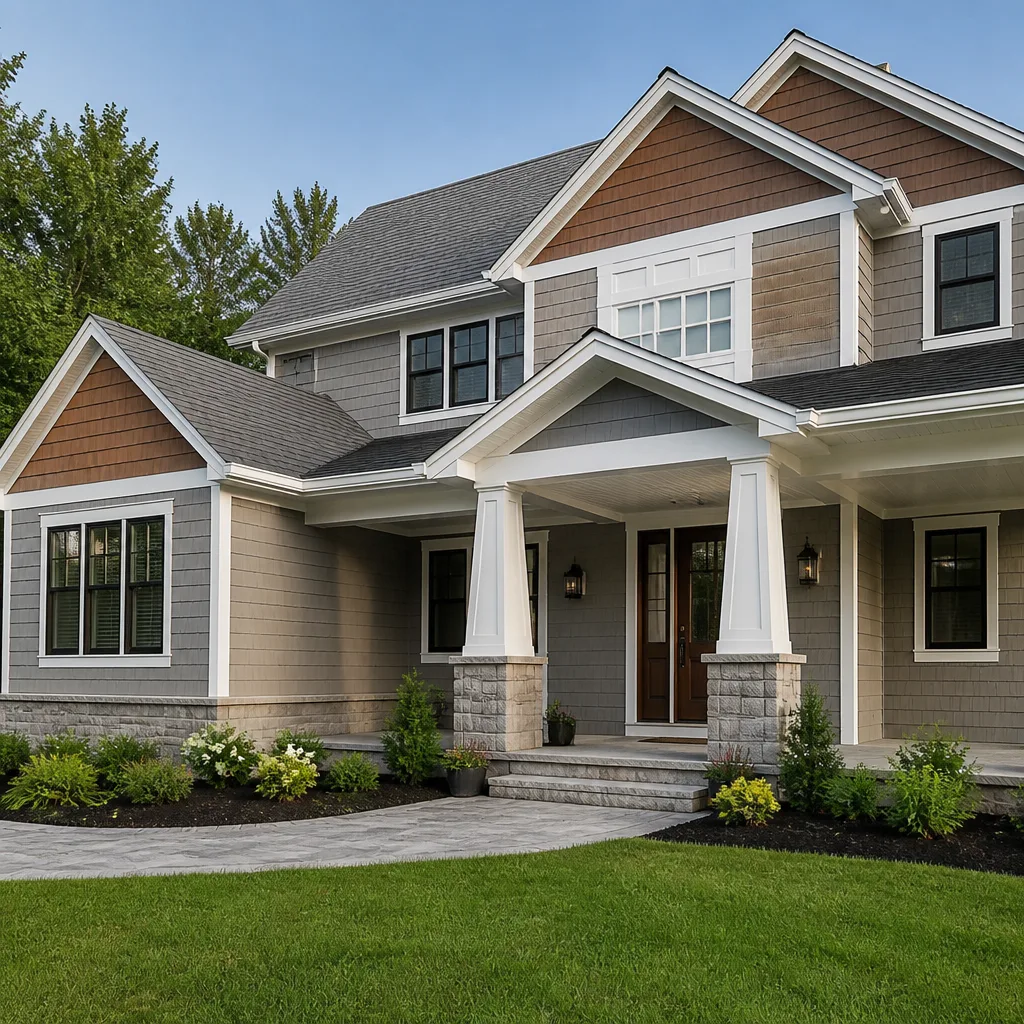
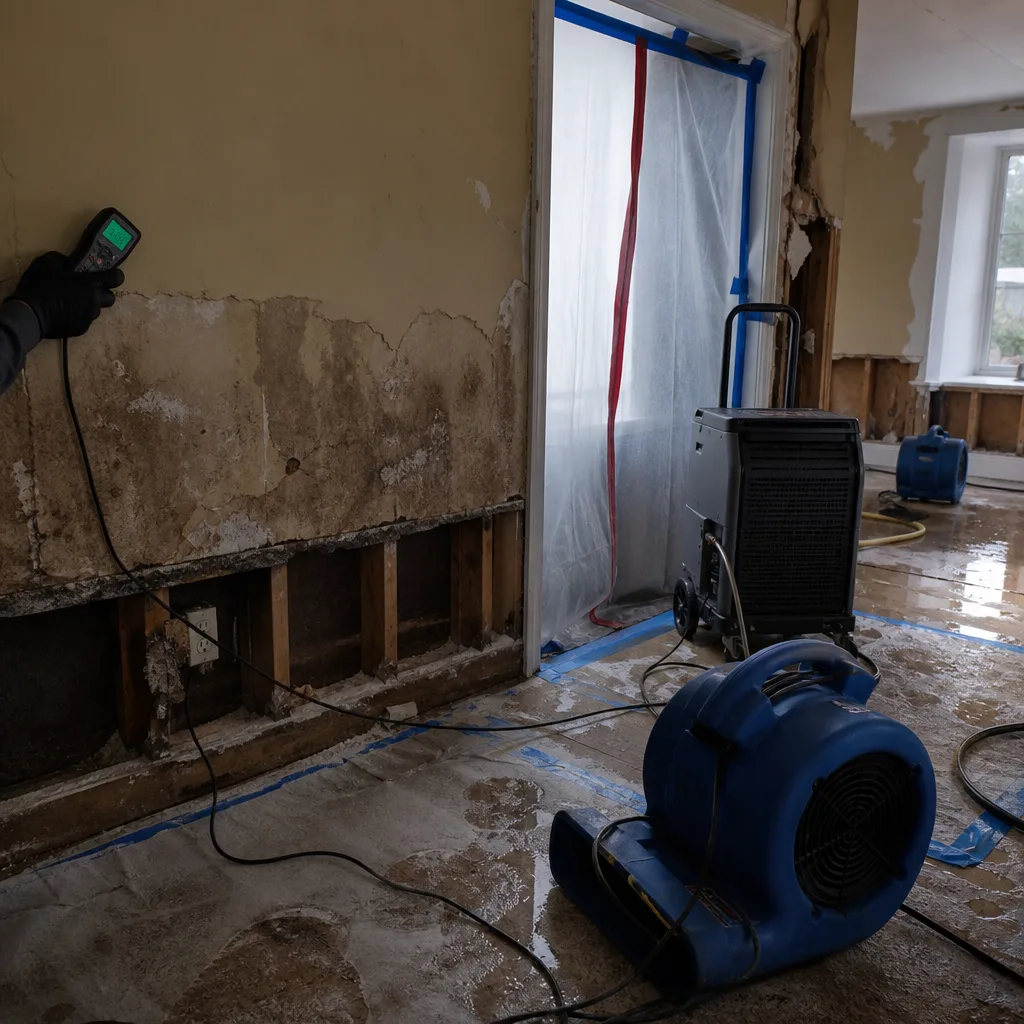 Before
 After
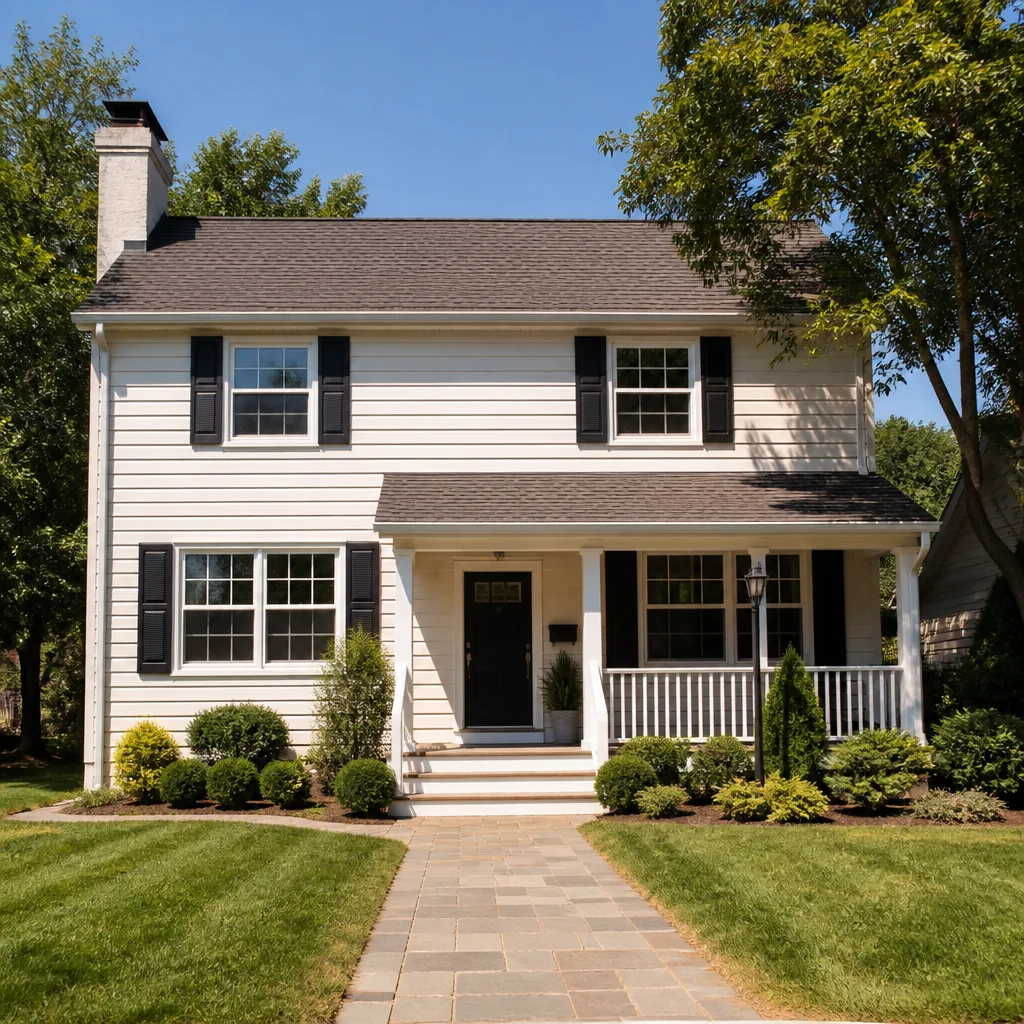
After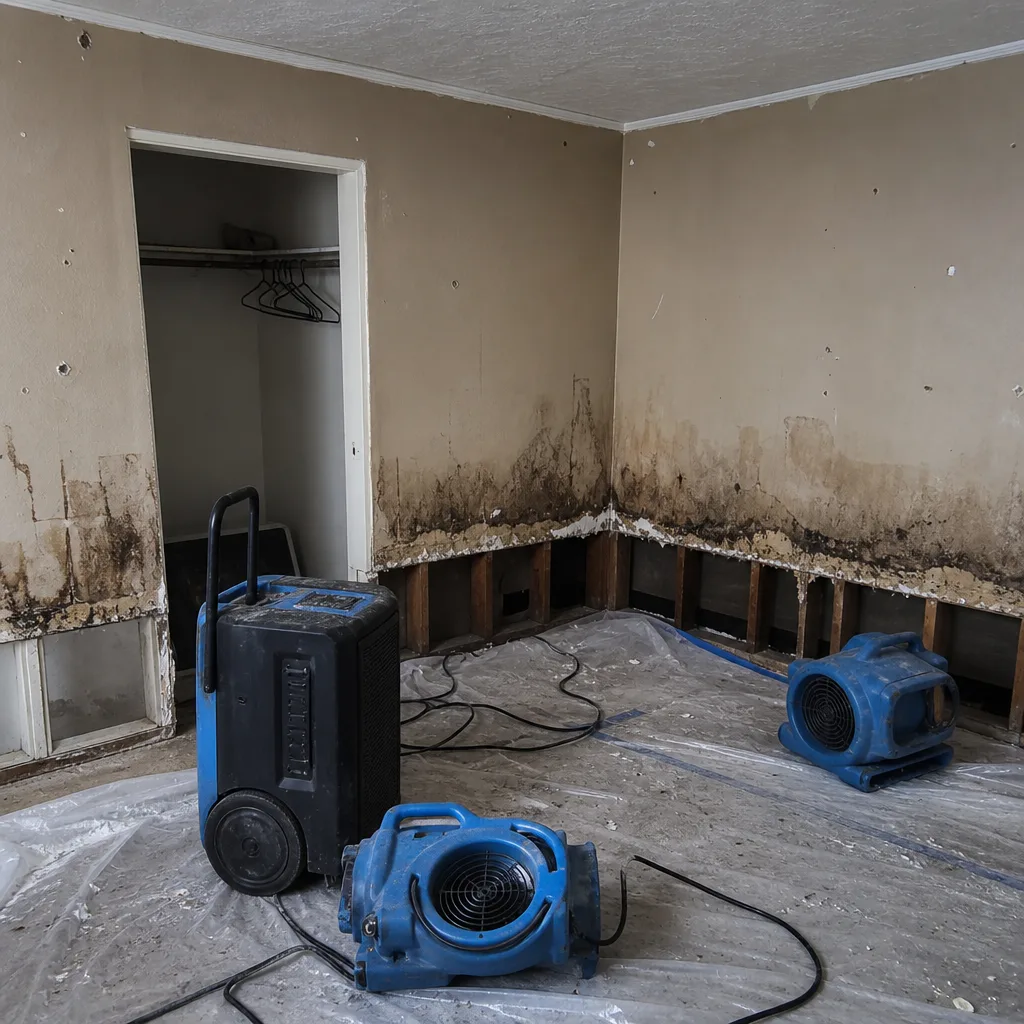 Before
 After
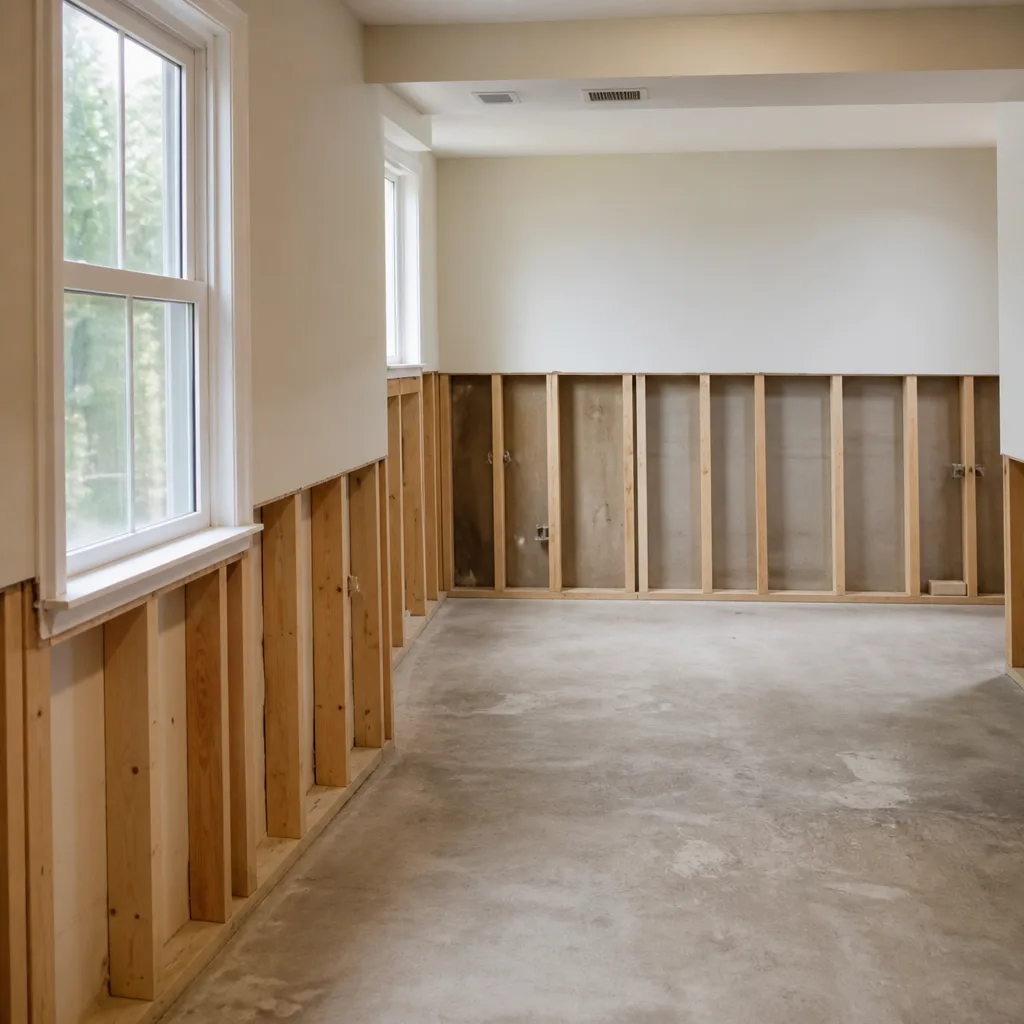
After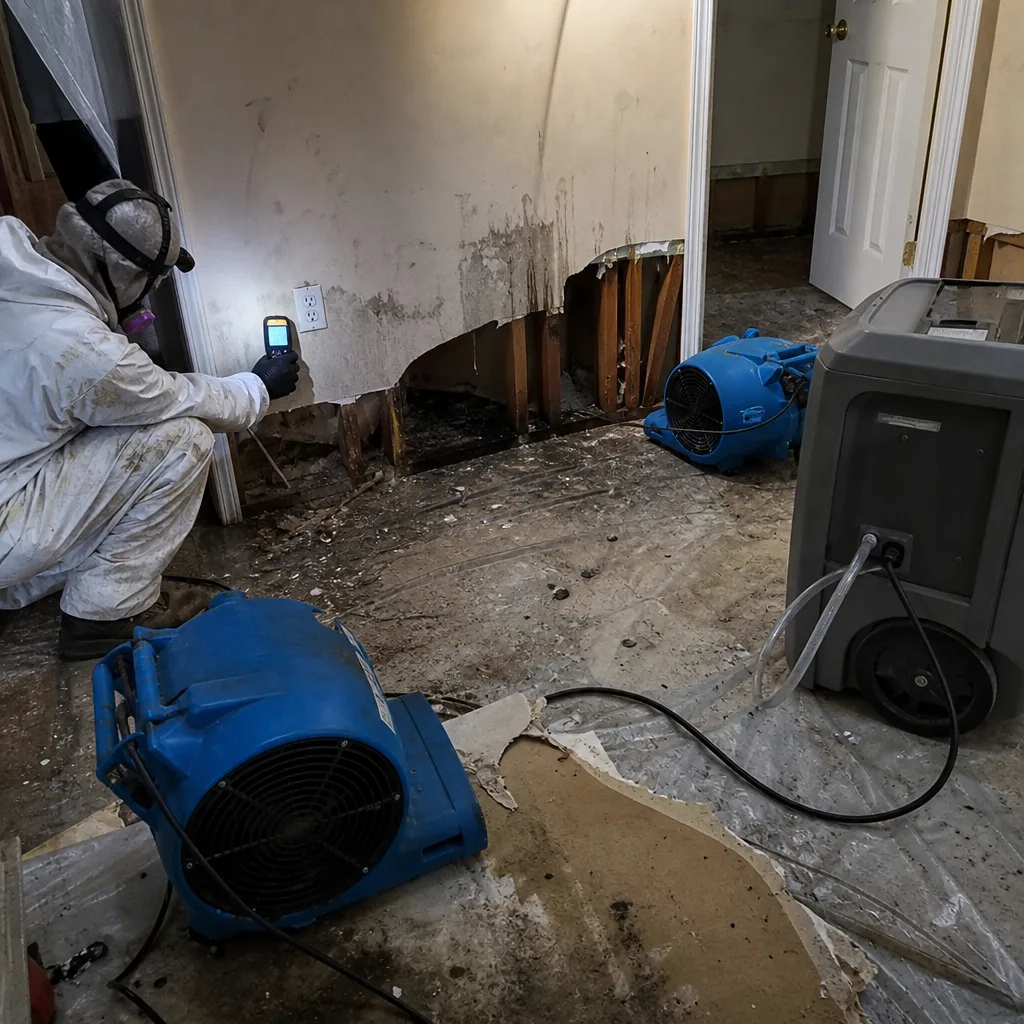 Before
 After
AfterFast, Reliable Mold Remediation Across Culver City
Mold remediation in Culver City typically costs $1,800-$4,500 for residential projects, with inspection and testing running $350-$650 and full containment-based removal starting around $2,200 for a single affected room. We’re on call at (424) 351-9295 with live dispatch 24 hours a day, 7 days a week - no voicemail, no next-business-day callbacks while moisture is still spreading through your walls.
Our crews serve Culver City from our Los Angeles metro office, carrying the documentation-first approach that turns restoration invoices into claims insurers pay without dispute. We know the 1920s-1950s bungalow blocks east of Overland Avenue, the adaptively reused studio buildings near Washington Boulevard, and the low-lying corridors along Ballona Creek where El Niño flooding pushes category 3 water into crawl spaces. That local knowledge changes what we look for, what equipment we deploy, and how we write the scope before anyone starts work.
Why DryMark Restoration Playa del Rey Is Culver City’s Preferred Mold Remediation Company
We’ve restored homes in Culver City since 2011, every job starting with a written price before work begins - Haven Standard, Clause 1 - and ending with a documented photo record, drying logs, and a signed 365-Day Done Right Promise. Our customers here leave reviews citing the same thing: they knew exactly what they’d pay, they received daily moisture readings, and their adjuster accepted the invoice without pushback.
Response time to Culver City averages under 90 minutes for active water events, because mold colonization accelerates fast in this climate. Our techs are background-checked, uniformed, and licensed; they arrive named and documented, with the equipment to begin containment and psychrometric monitoring immediately.
We understand the specific failure patterns of Culver City’s housing stock. The stucco bungalows with original lath-and-plaster, the Spanish Colonial Revival homes with aging galvanized lines, the former studio-era industrial buildings with layered construction and outdated HVAC - each requires a different inspection protocol and drying strategy. We scope accordingly, in writing, before work starts.
Our Mold Remediation Services in Culver City
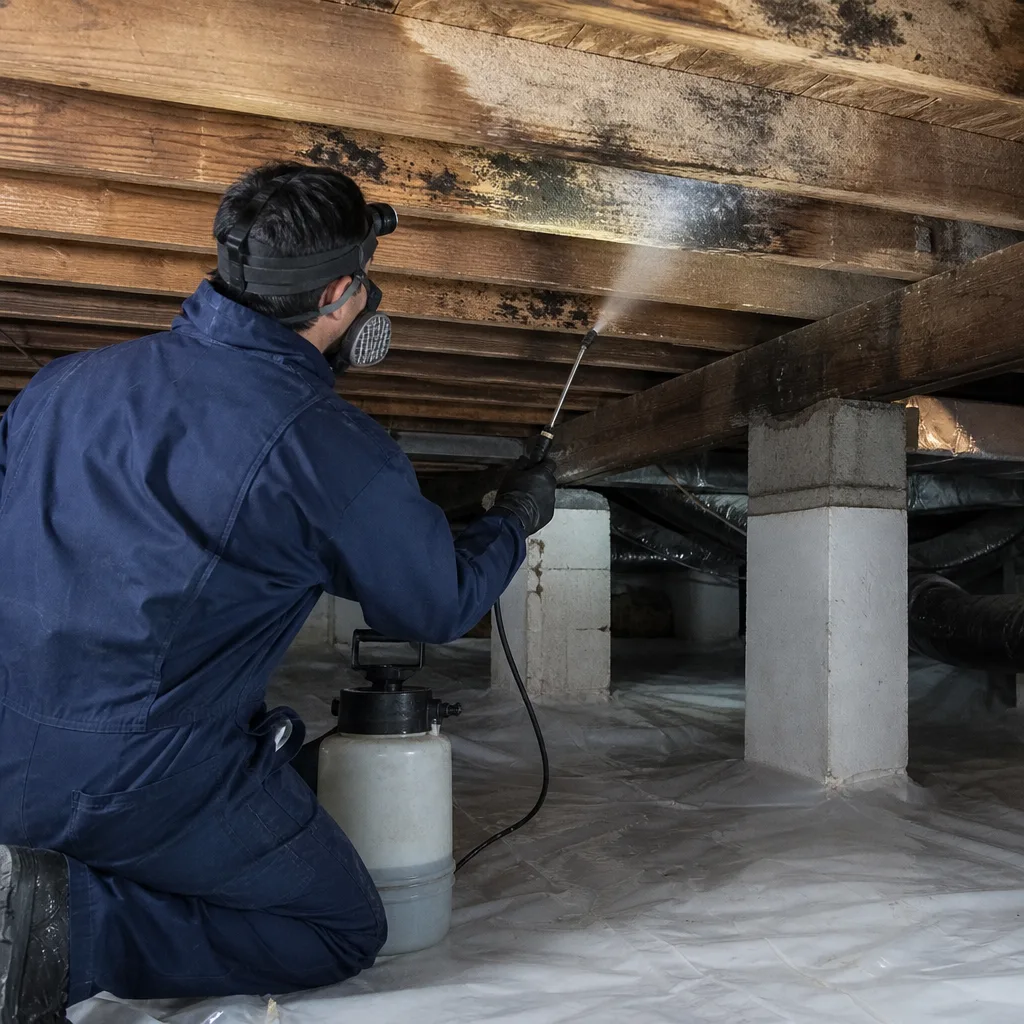
Mold Inspection & Testing
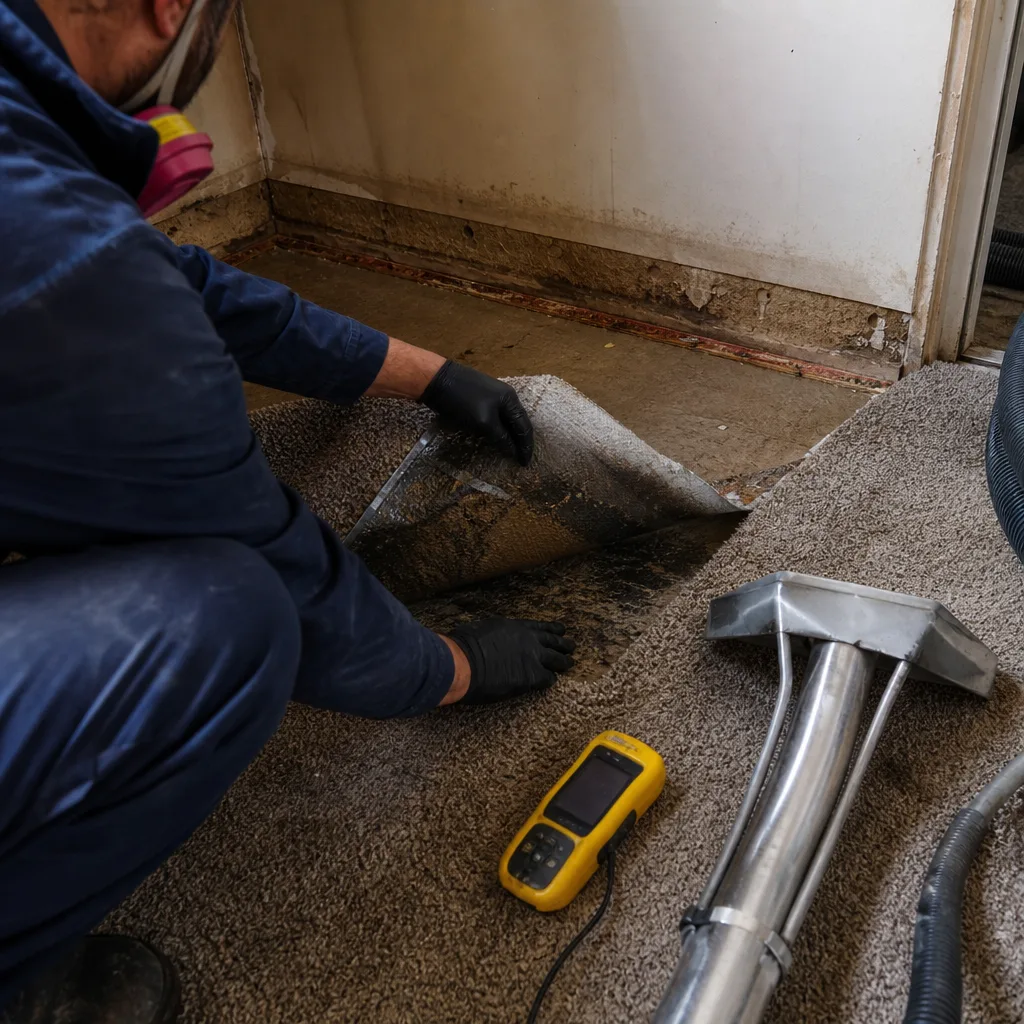
Every Culver City inspection begins with moisture mapping, not guesswork. We use thermal imaging and calibrated moisture meters to locate vapor pressure differentials - the hidden migration of moisture through wall cavities that surface observations miss. In the bungalow neighborhoods near downtown Culver City, we regularly find mold-colonized stud bays behind intact plaster where no vapor barrier was ever installed. Our testing includes air and surface sampling with chain-of-custody documentation, producing a written protocol that becomes the basis for your scope and your insurance claim.
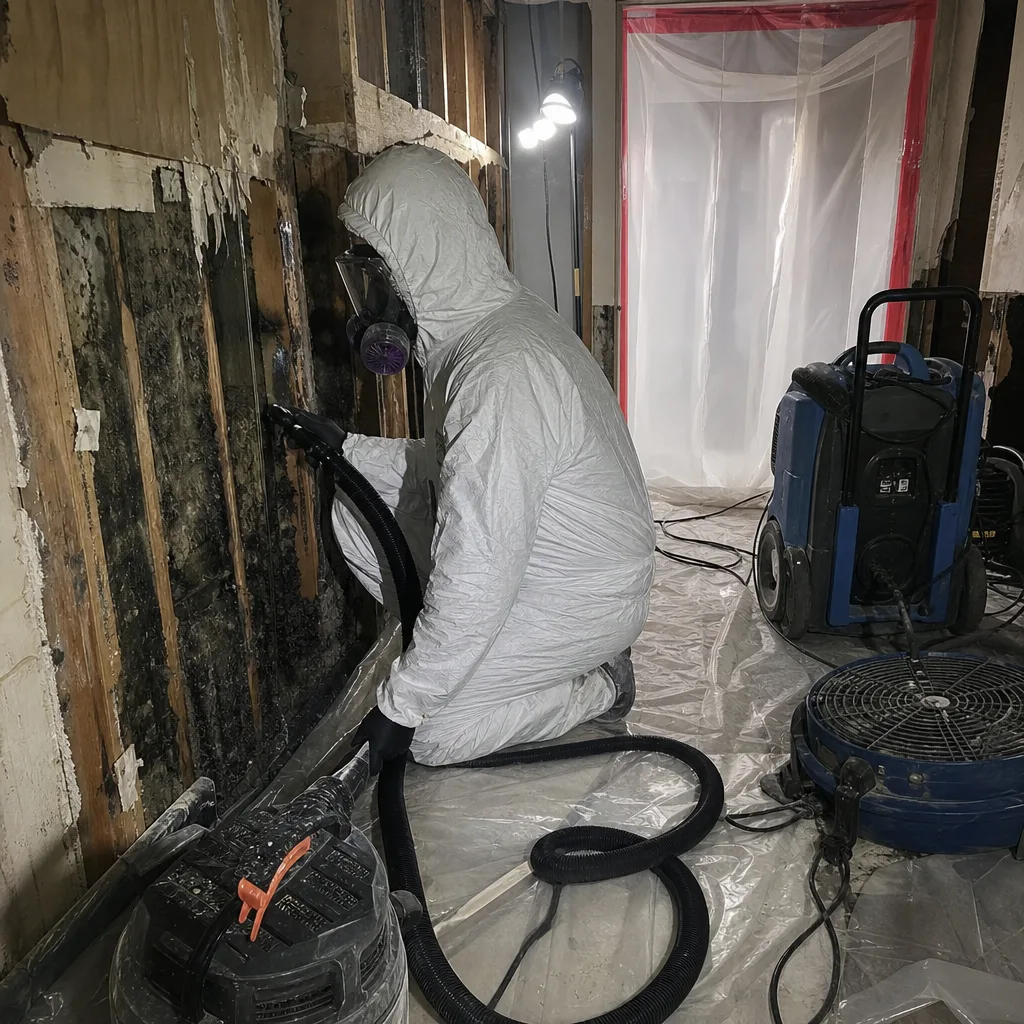
Mold Removal
Removal in Culver City follows IICRC S520 standards with full containment, negative air pressure, and HEPA filtration. We don’t spray and pray. We remove contaminated materials by classification - Category 1 porous materials like drywall and insulation are discarded; semi-porous materials like wood framing receive antimicrobial treatment and abrasive cleaning; non-porous materials are HEPA-vacuumed and wiped. The written scope specifies each classification by room and square footage, with photo documentation at every stage.
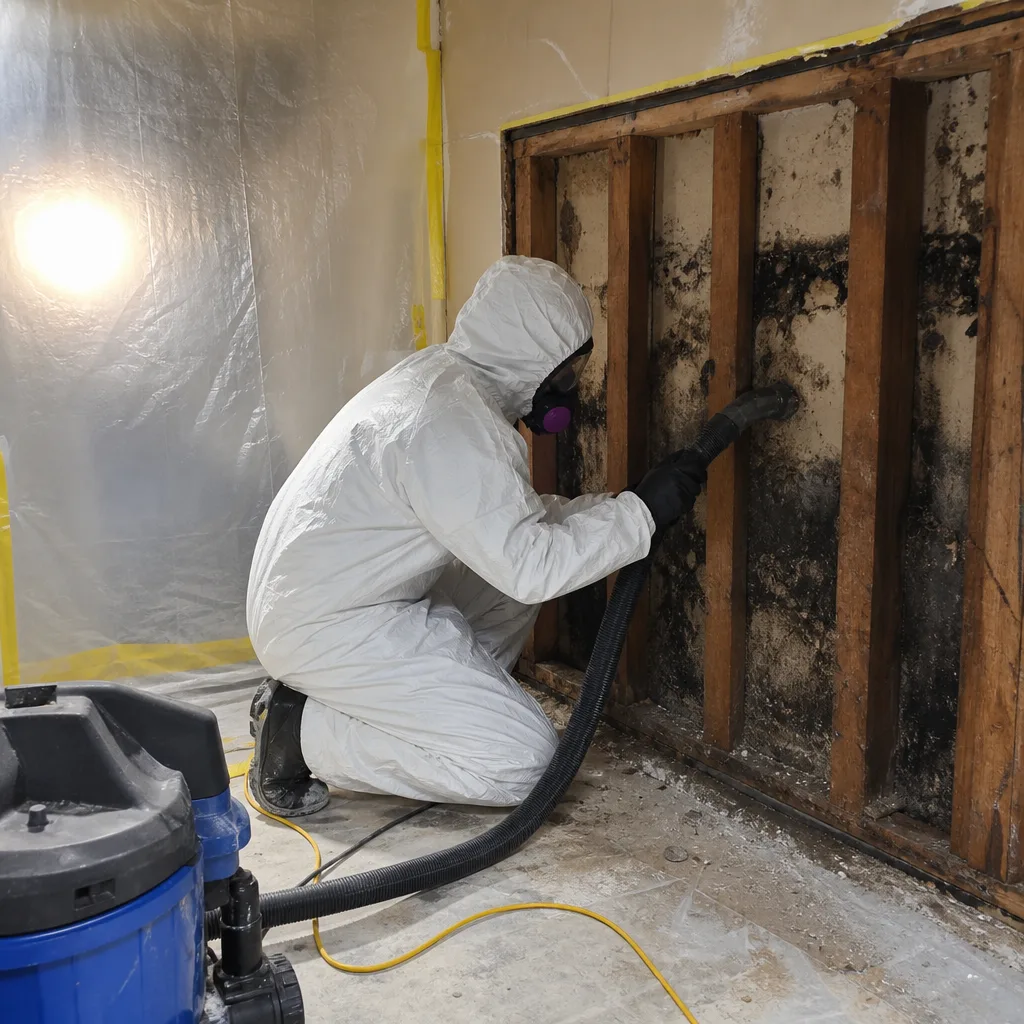
Black Mold Remediation
Stachybotrys and other toxigenic species require enhanced containment and personal protective protocols. In Culver City’s older commercial buildings - the former studio-era structures now housing production offices and creative spaces - we deploy tertiary drying systems to address the complex airflow patterns of layered construction. Every black mold job includes pre- and post-remediation air quality testing with lab documentation, because “looks clean” is not a standard an adjuster or a physician accepts.
Air Quality Restoration
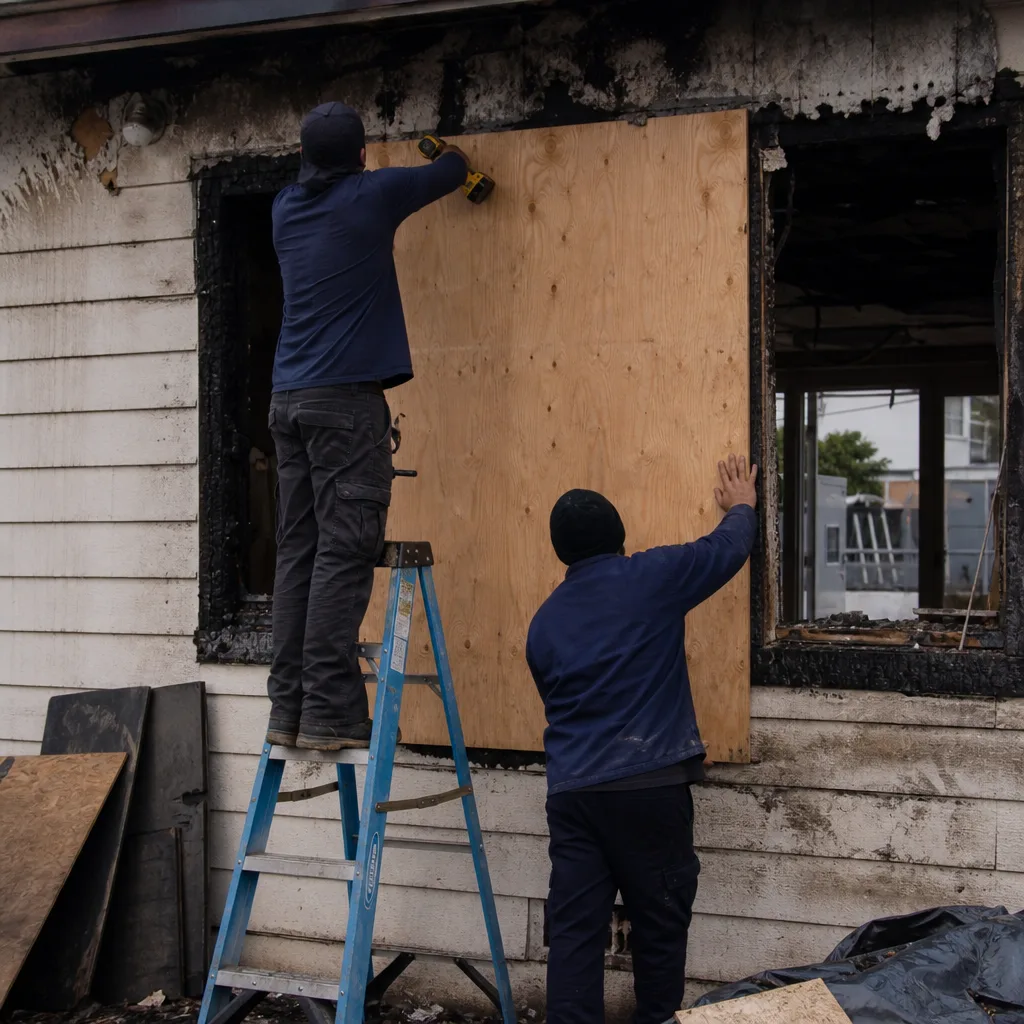
After remediation, we don’t declare the job done when surfaces feel dry. We run XPOWER and B-Air air scrubbers until post-remediation air samples confirm spore counts at or below outdoor baseline levels for Culver City’s coastal zone. The marine layer here means outdoor baselines run higher than inland LA; we account for that in our testing protocol, not after the fact.
Crawl Space Treatment
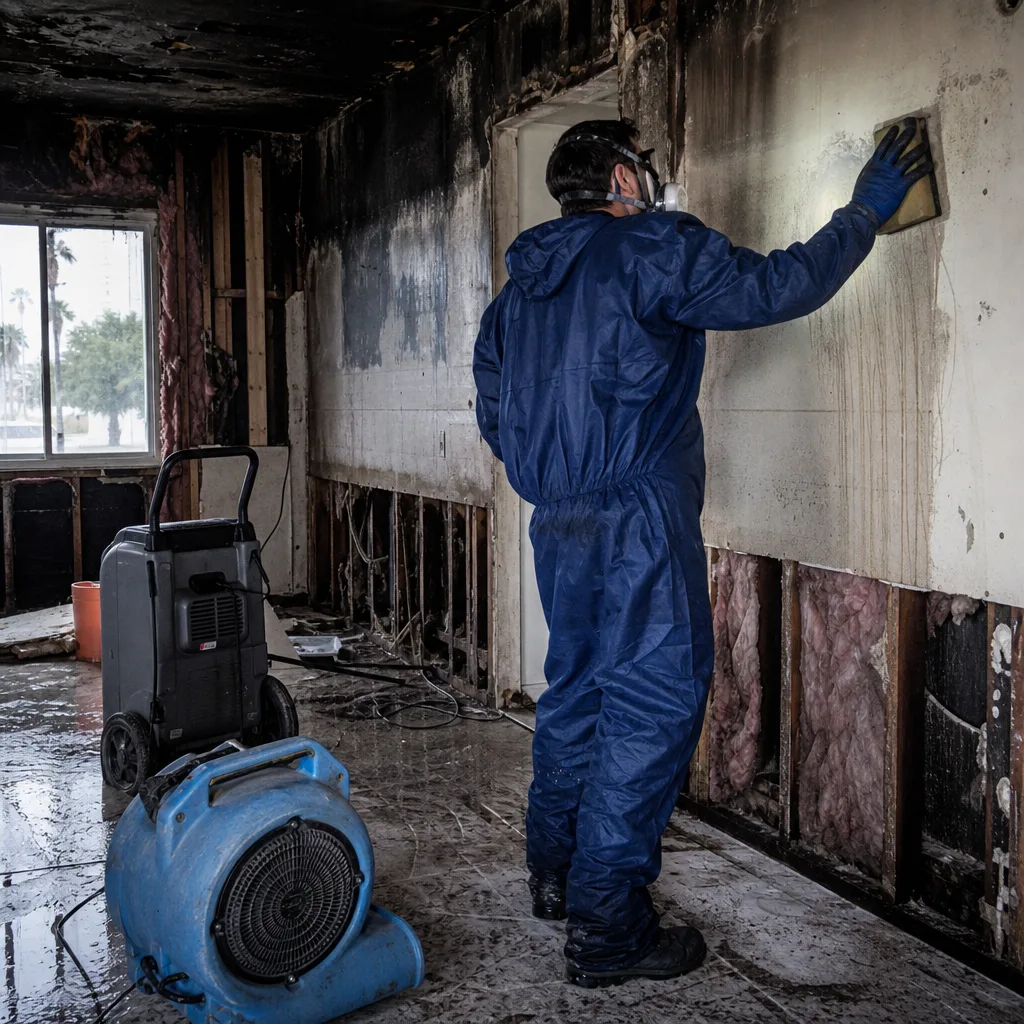
Crawl spaces along the Ballona Creek corridor flood repeatedly during El Niño events, introducing category 3 water contamination that feeds mold growth in darkness and poor ventilation. Our crawl space protocol includes extraction, antimicrobial treatment, and structural drying with dehumidification - plus moisture barrier installation where absent. We document pre- and post-conditions with photos and moisture readings, because crawl space work is invisible once the access panel closes.
Moisture & Humidity Control
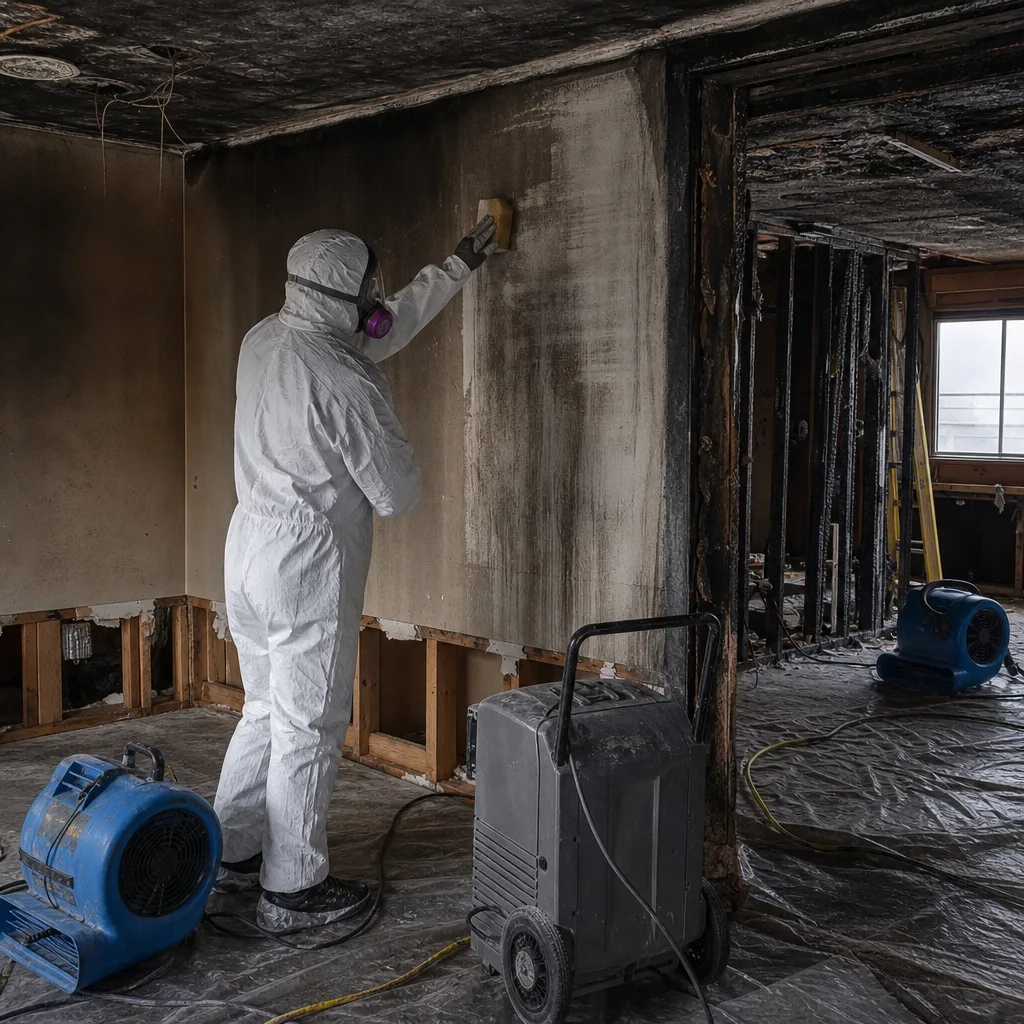
Culver City’s coastal marine layer keeps interior relative humidity elevated more days per year than communities just a few miles inland. Without active dehumidification, mold rebounds within weeks of remediation. We specify and install permanent humidity control systems - dehumidifiers, ventilation improvements, vapor barriers - with written performance targets and follow-up moisture readings at 30 and 90 days.
What happens when you call
- 1
A real person answersNo phone trees - you reach a local pro.
- 2
You get an upfront price rangeHonest numbers before anyone is dispatched.
- 3
A background-checked tech heads outLicensed & insured, dispatched right away.
- 4
You approve before work beginsNothing starts until you say go.
 Before
 After
AfterTrusted Brands We Service in Culver City
Our equipment inventory includes professional-grade drying systems from Dri-Eaz, Phoenix, and XPOWER - brands specified in IICRC restoration protocols and recognized by insurance adjusters nationwide. We stock HEPA air scrubbers, LGR dehumidifiers, and injectidry systems locally, so Culver City jobs start with the right equipment, not a rental wait. Every machine is calibrated, logged, and documented to produce the daily drying records that support your claim.
Common Mold Remediation Problems We See in Culver City Homes
- Hidden colonization behind unbarriered stucco. Mid-century bungalows east of Overland Avenue were built with stucco applied directly over wood framing - no vapor barrier, no house wrap. Decades of marine fog absorption saturate the stud bays while interior finishes show only minor discoloration. By the time a homeowner notices a stain, mold has colonized deep into the cavity.
- Premature dehumidification shutdown. Crews unfamiliar with Culver City’s climate stop drying when surfaces feel dry, but wall cavities remain above 16% wood moisture content. Mold rebounds within 14-21 days. We verify cavity dryness with pinned moisture meters and document the reading before equipment removal.
- Category 3 crawl space flooding along Ballona Creek. The low-lying southern corridor floods during winter storm events, introducing sewage-contaminated water into crawl spaces. Extraction without antimicrobial treatment and structural drying leaves organic material that supports rapid mold growth in dark, humid conditions.
- Adaptive reuse buildings with layered construction. Former studio-era industrial buildings converted to offices or residences contain multiple generations of building materials, outdated HVAC with poor dehumidification capacity, and old cast-iron drains that fail without warning. Mold investigations here require understanding which wall assembly you’re actually looking at.
Pricing for Mold Remediation in Culver City, CA
Mold inspection and testing in Culver City runs $350-$650, depending on square footage and sample count. Single-room mold removal with containment and air scrubbing typically costs $1,800-$2,800. Whole-room remediation with material removal, antimicrobial treatment, and structural drying averages $2,800-$4,500. Crawl space treatment along the Ballona Creek corridor, where category 3 contamination is common, ranges $3,500-$6,200 depending on access, contamination extent, and vapor barrier needs.
Factors that move the price: affected square footage, material classification (porous vs. semi-porous vs. non-porous), containment complexity, and whether post-remediation air testing is required for insurance or health documentation. We deliver a written price before work begins on every job - Haven Standard, Clause 1 - with no scope-creep additions once our crew is inside your home. Free Second Opinion available on any competitor’s written estimate.
Call (424) 351-9295 for a written estimate at no charge.
We Also Serve Cities Near Culver City
Our Culver City crews also respond to mold remediation calls in Marina del Rey, Playa del Rey, Venice, and Inglewood - each with its own climate and housing-stock patterns, each scoped and priced in writing before work starts. Dispatch is coordinated from our Los Angeles metro office with local crew assignment to minimize response time.
Serving Culver City, CA - Our Local Coverage Area
We’re based in the Culver City area and know this community well. Use the map below to see our service coverage - if you’re nearby, we can almost certainly help.
FAQs - Mold Remediation in Culver City
Because the stucco was applied directly over wood framing with no vapor barrier, and decades of marine-layer humidity have slowly elevated moisture content in the stud bays until mold colonizes. We find this pattern regularly in 1940s-1950s homes east of Overland Avenue, where interior finishes look intact while cavities behind them test at 20-30% wood moisture. Call (424) 351-9295 and we’ll moisture-map the walls to show you what’s actually there.
Yes. The marine layer burns off later and returns earlier in Culver City, keeping interior relative humidity persistently above 60% for more days per year. That sustained humidity is the difference between occasional mold and chronic colonization. Our drying protocols for Culver City run longer and include permanent dehumidification recommendations that inland LA homes rarely need.
Under typical Culver City conditions - interior humidity 60-70%, temperature 68-72°F - mold colonization begins within 24-48 hours of water intrusion. In crawl spaces or wall cavities with poor ventilation, that window shortens. We recommend emergency dispatch for any water event, not tomorrow, because the documentation of initial moisture readings affects your entire claim.
These buildings contain layered construction from multiple eras, outdated HVAC with minimal dehumidification capacity, and old cast-iron drains that complicate moisture source identification. Containment must account for irregular airflow paths, and material removal requires knowing which assembly you’re cutting into. We scope these jobs with extended inspection time and written protocol before any demolition begins.
Yes. This corridor floods with category 3 water during El Niño events, introducing sewage contamination that requires antimicrobial treatment beyond standard mold remediation. We extract, treat with EPA-registered disinfectants, dry to verified moisture levels, and install vapor barriers where absent. Skipping any step leaves organic contamination that supports rapid regrowth in this humid microclimate.
Written by Alicia Brennan, Owner at Back to Dry Restoration, serving Culver City since 2011.