
Last updated September 23, 2026
Free visual inspection and a written scope of work before any mitigation begins - photos, moisture readings, and drying logs go in your claim file
The scope we write is the scope we bill. Anything new gets shown to you, in writing, before we touch it.
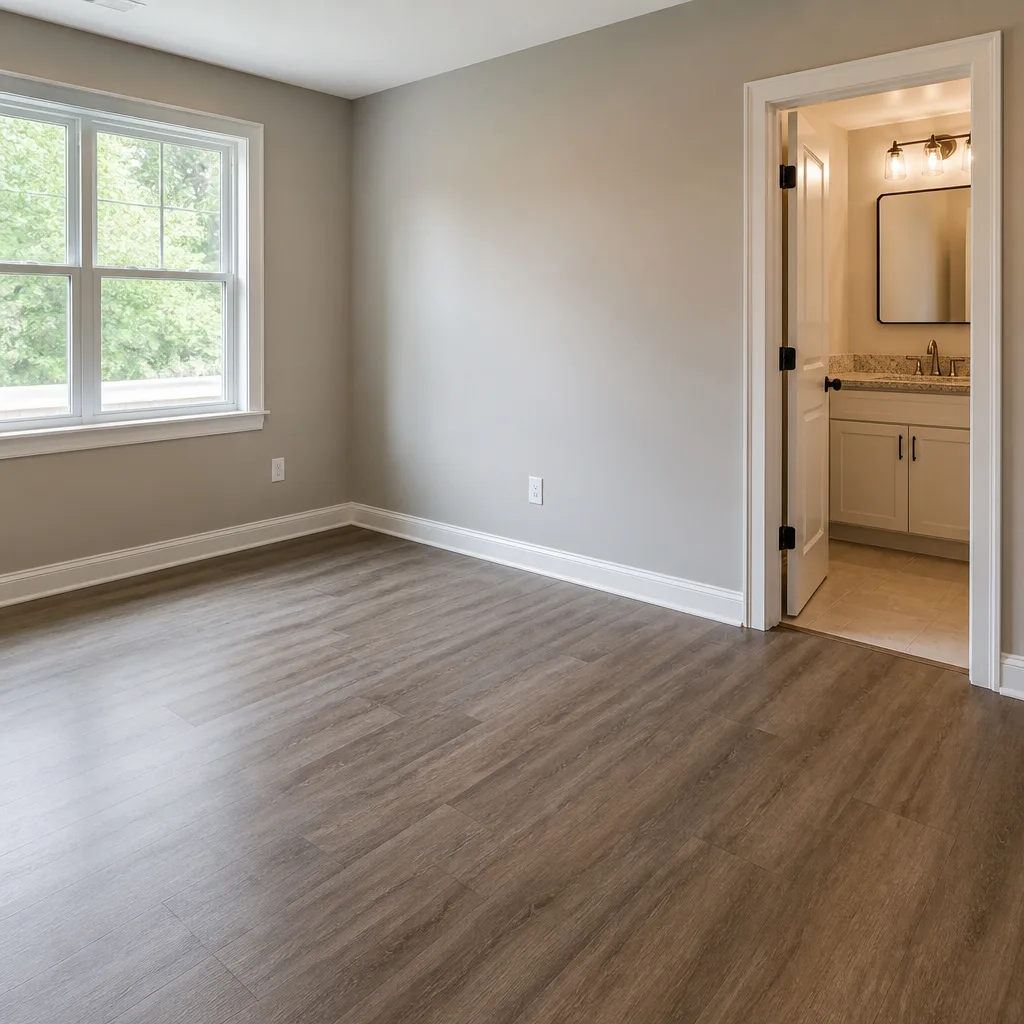

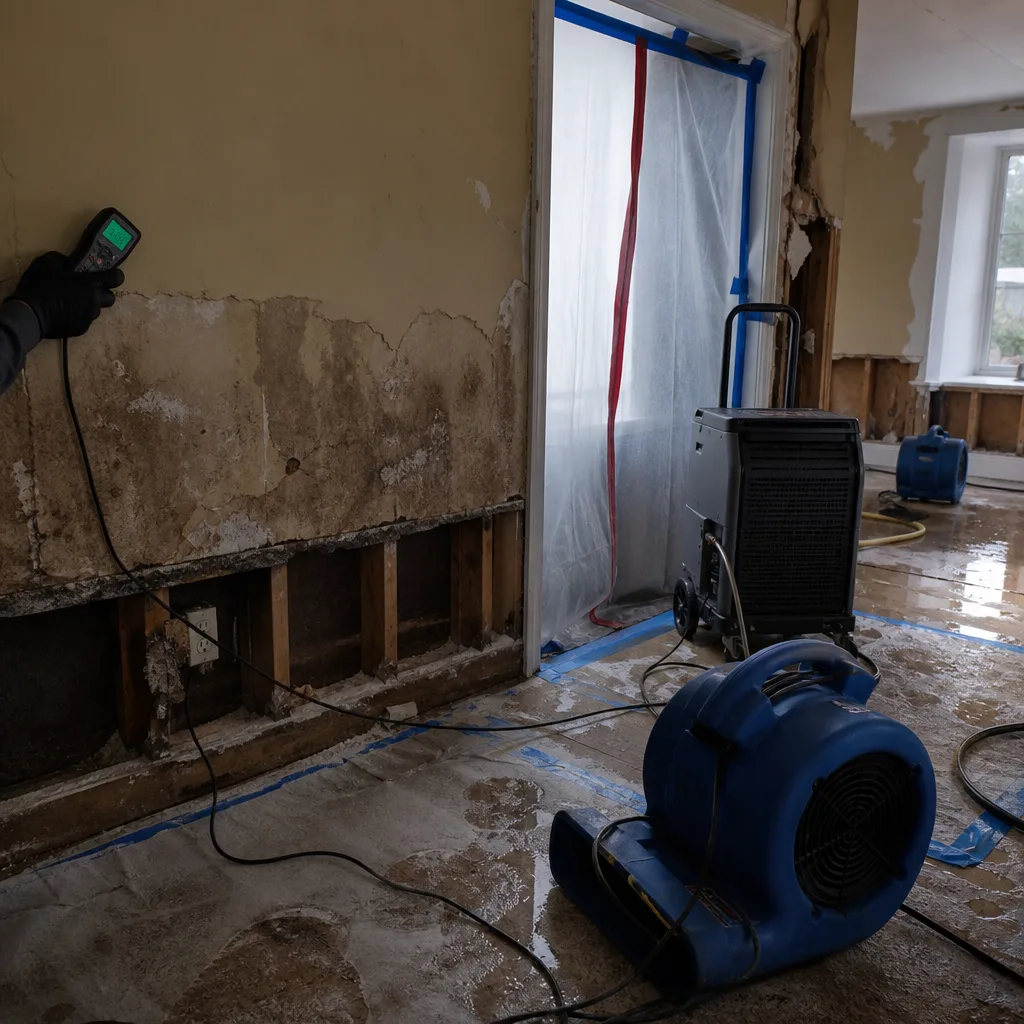 Before
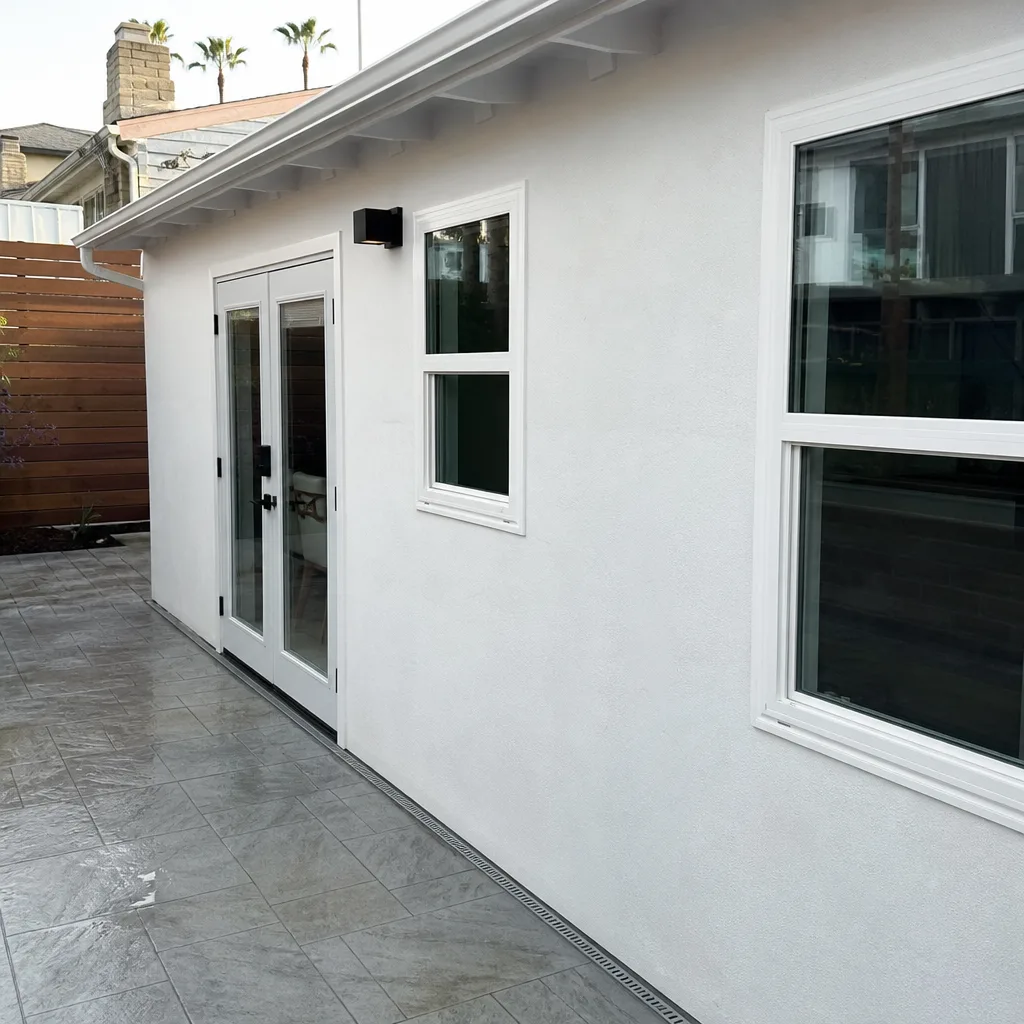 After
After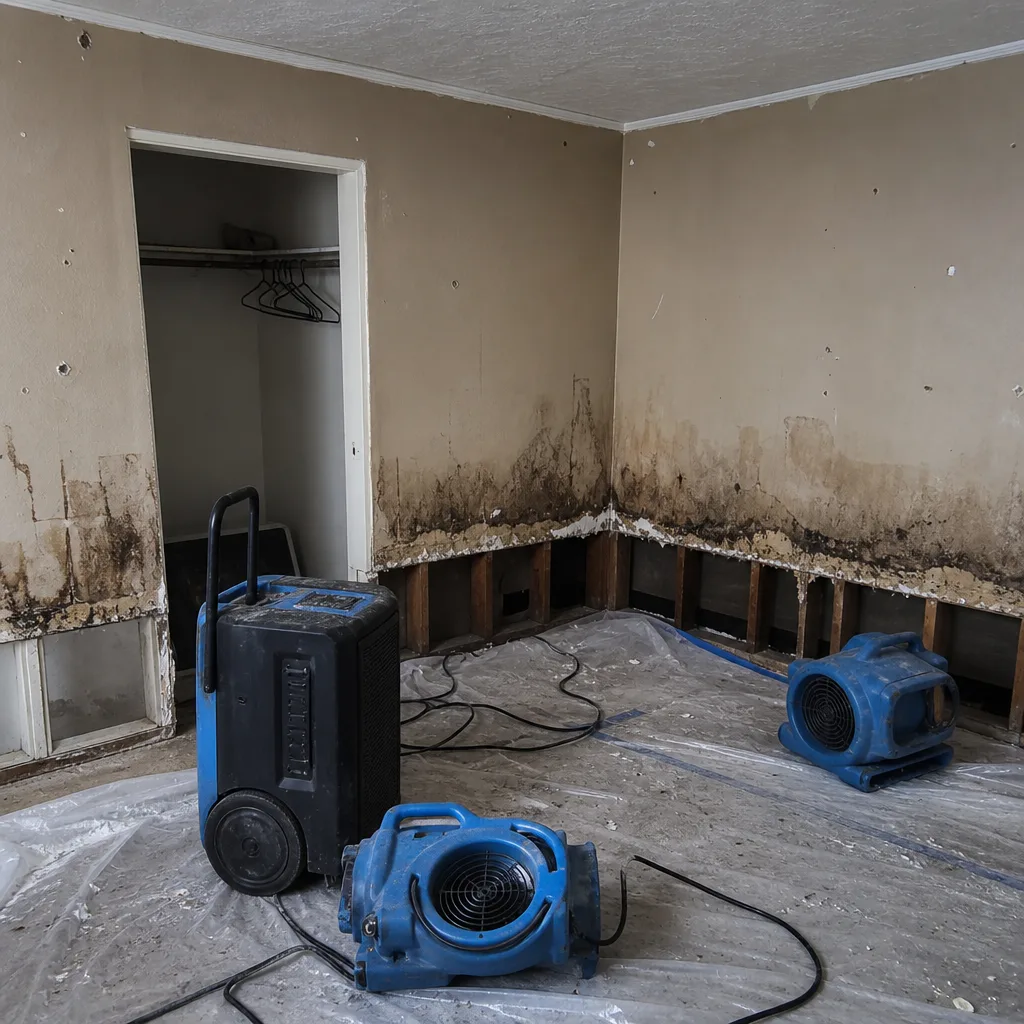 Before
 After
After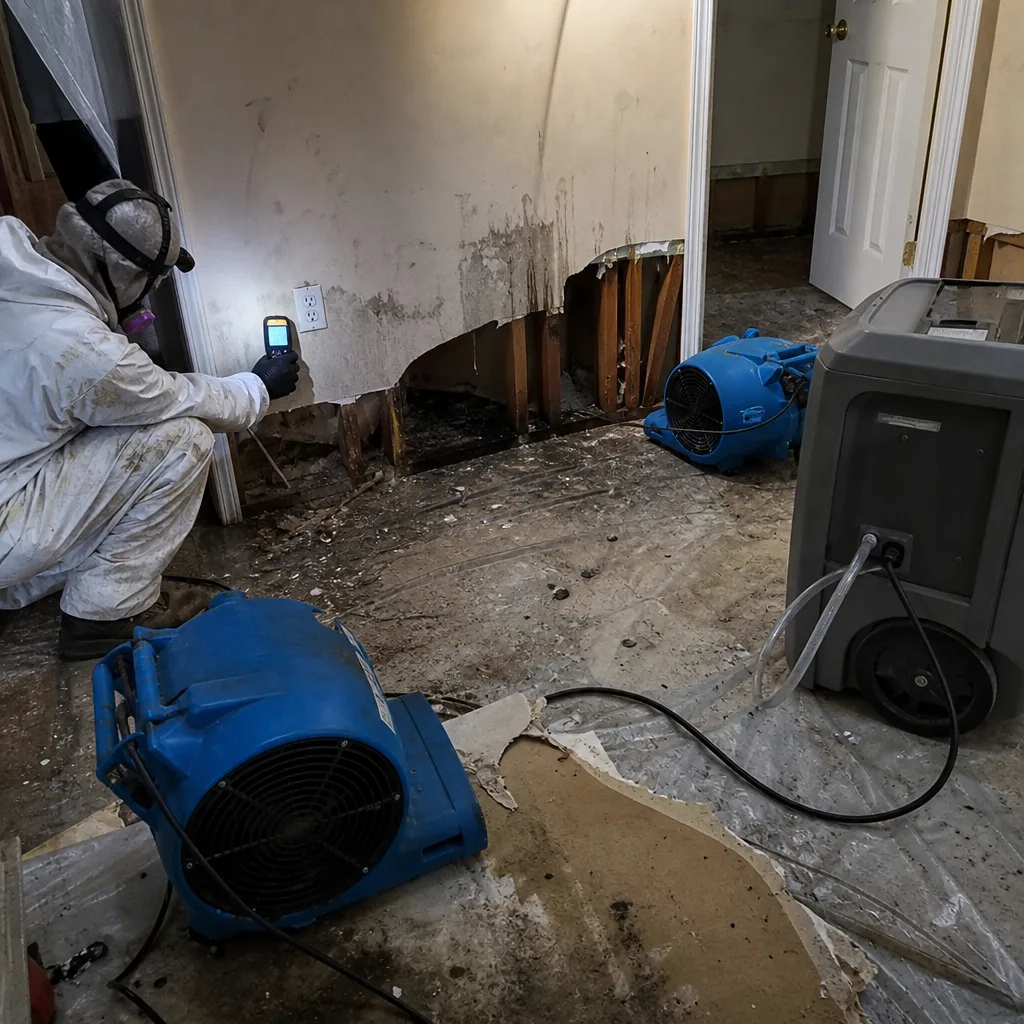 Before
 After
AfterThe Complete Guide to Damage Restoration in Playa del Rey
Most Playa del Rey homeowners who get hit with a water or mold claim already had a contractor on site within 24 hours. The checks that didn’t come were stopped by missing moisture logs, not missing work. In this guide, you’ll learn how coastal conditions here create hidden damage patterns that inland contractors miss, what documentation chain separates paid claims from disputed ones, and how to read a restoration scope line by line before signing anything. For more guides & resources, see our blog. Whether you’re facing active water intrusion, suspect mold behind drywall, or need to rebuild after a fire, this is the documentation roadmap your adjuster will eventually demand.
Quick Answer
Damage restoration in Playa del Rey, CA encompasses water extraction, structural drying, mold remediation, fire and smoke cleanup, and full reconstruction. A properly documented restoration job in this coastal climate requires initial moisture mapping, daily psychrometric drying logs, and final clearance readings to satisfy insurer review. For a detailed breakdown, see our Damage Restoration Cost Breakdown: The Playa del Rey Homeowner’s Reference for 2026. Expect total project costs to range from $1,800 for contained water damage to $45,000+ for full fire reconstruction with code upgrades, with most insurance-covered water mitigation falling between $3,500 and $12,000.
Table of Contents
- Why Playa del Rey’s Coastal Conditions Change Everything
- The Documentation Chain That Pays Claims
- How to Read a Restoration Scope Line by Line
- Water Damage Restoration: Playa del Rey Specifics
- Mold Remediation: When Humidity Becomes Liability
- Fire, Smoke, Storm, and Reconstruction
- Permits, Licensing, and What Requires a Contractor in LA County
- The Exact Questions to Ask Before Any Work Begins
 Before
 After
AfterWhy Playa del Rey’s Coastal Conditions Change Everything
Playa del Rey sits on a coastal bluff and marshland interface where the marine layer rolls in most mornings between May and October, pushing relative humidity above 80% before noon. That humidity doesn’t stay outside. It seeps into wall cavities through compromised stucco, follows plumbing chases, and creates vapor pressure differentials that pull moisture into areas a thermal camera won’t catch until the damage is advanced.
We’ve documented this pattern repeatedly in homes near Vista del Mar and the streets backing up to the Ballona Wetlands. Salt air compounds the problem: chloride ions in coastal moisture accelerate galvanic corrosion in copper pipes and HVAC condensate lines, producing pinhole leaks that spray inside walls for days before showing surface staining. By the time a homeowner sees bubbling paint, the cavity behind it often holds saturation above 20% wood moisture content, the threshold where mold colonization becomes likely.
The inland restoration playbook fails here. Contractors from the San Fernando Valley or East LA often set drying goals based on ambient conditions that don’t match Playa del Rey’s microclimate. They target equilibrium moisture content of 9-11% for structural wood, which is appropriate for Pasadena or Burbank but frequently unachievable here without extended dehumidification or active heating. The result: a drying job declared “complete” with readings of 13-14%, which reads to an adjuster as acceptable but leaves enough residual moisture for secondary mold growth within 90 days.
Our approach in Playa del Rey uses vapor pressure differential monitoring, measuring the actual force driving moisture from materials into the air, rather than relying on surface readings alone. We deploy LGR dehumidifiers from Dri-Eaz and Phoenix rated for coastal high-humidity conditions, not standard residential units that shut down when ambient humidity overwhelms their coils. The daily drying log records not just temperature and relative humidity, but specific humidity grains per pound, dew point, and vapor pressure, the psychrometric data that proves to an adjuster that drying was achieved against real coastal conditions, not arbitrary inland targets.
Homes in the Playa del Rey 90293 ZIP built before 1985 carry additional risk: original galvanized steel plumbing, unlined stucco weep screeds, and single-pane windows that condensate seasonally. We’ve found active mold colonization in the sill plates of homes near Culver Boulevard where decades of marine layer exposure created chronic damp conditions no single event triggered. Insurance coverage for this type of loss is frequently disputed, which makes documentation from the first site visit even more critical.
The Documentation Chain That Pays Claims
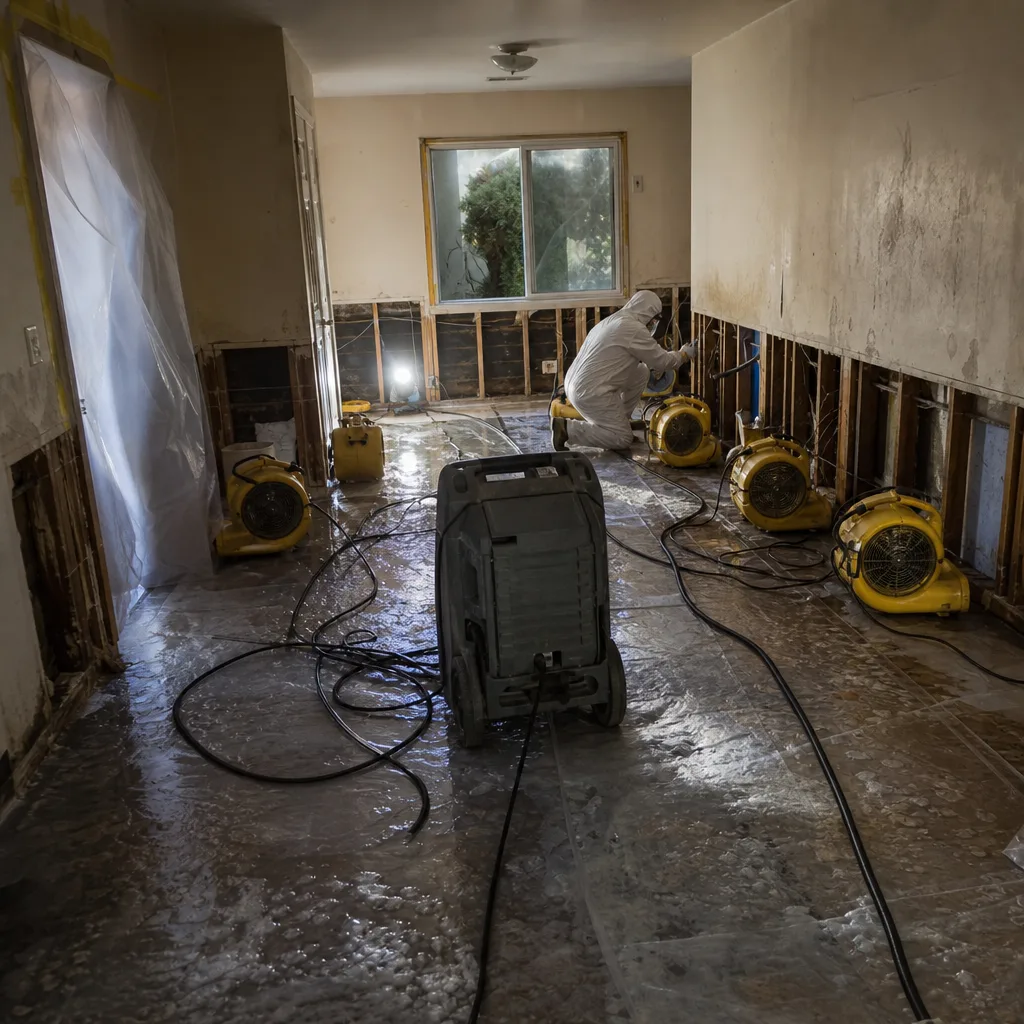
Insurance adjusters deny restoration claims for three reasons: the damage is determined to be long-term maintenance neglect, the scope of work lacks itemized justification, or the documentation doesn’t prove the claimed damage was actually present and properly addressed. The documentation chain closes all three gaps.
Phase 1: Initial Moisture Mapping
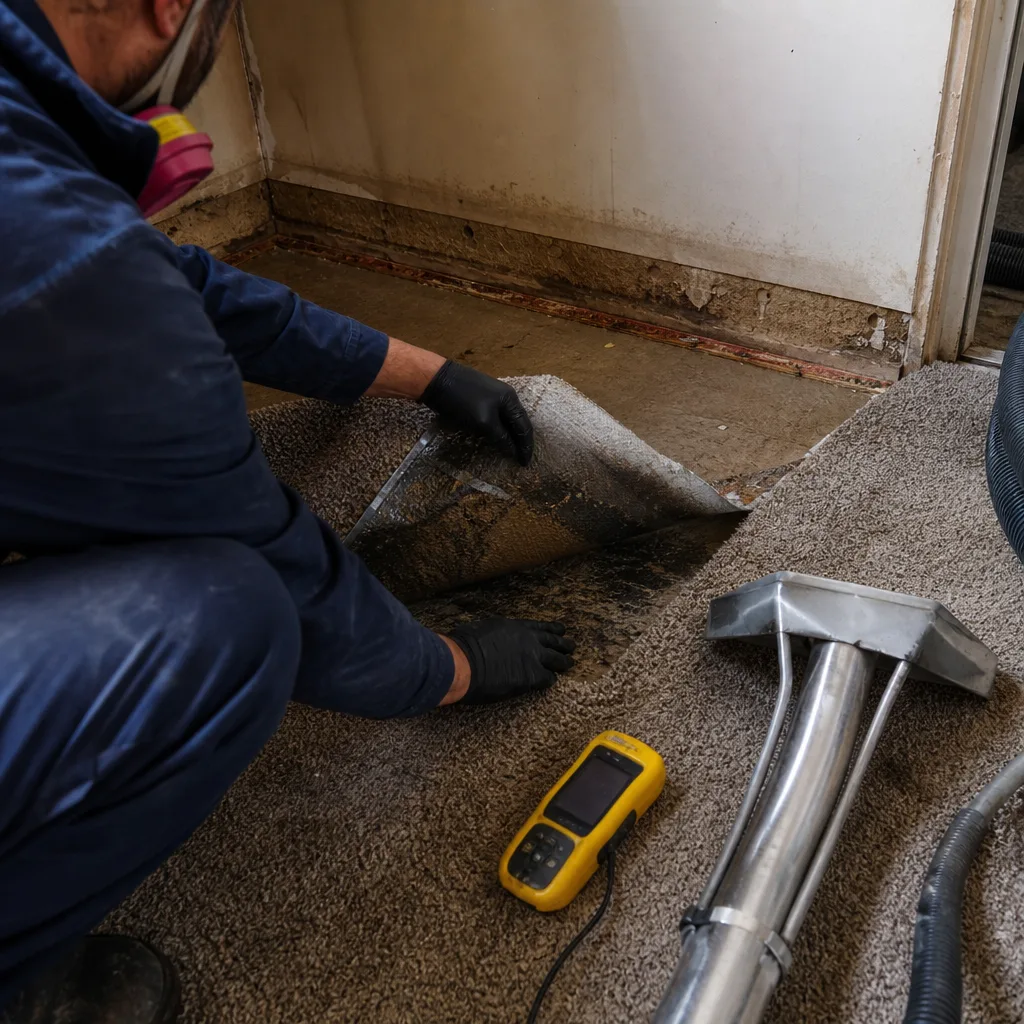
Before any equipment runs or any material is removed, we produce a room-by-room moisture map using calibrated pin and pinless meters, thermal imaging, and where necessary, borescopic inspection of wall cavities. This map becomes the baseline that every subsequent reading references. Without it, an adjuster can claim the moisture “wasn’t that bad” or “predated the loss event.”
What the initial map must include:
- Date, time, and weather conditions at inspection
- Meter type, calibration date, and reading depth for each measurement
- Photograph of each reading location with measurement visible
- Material classification: drywall, plaster, dimensional lumber, engineered joist, subfloor type by trade name
- Classification of water category: Category 1 (clean source), Category 2 (gray water), or Category 3 (black water/sewage)
- Affected square footage by room and by material layer
In Playa del Rey, we note proximity to ocean exposure, HVAC operation status, and any visible salt staining or corrosion, as these factors affect both drying strategy and coverage determinations.
Phase 2: Daily Drying Logs
Every 24 hours during active drying, we record:
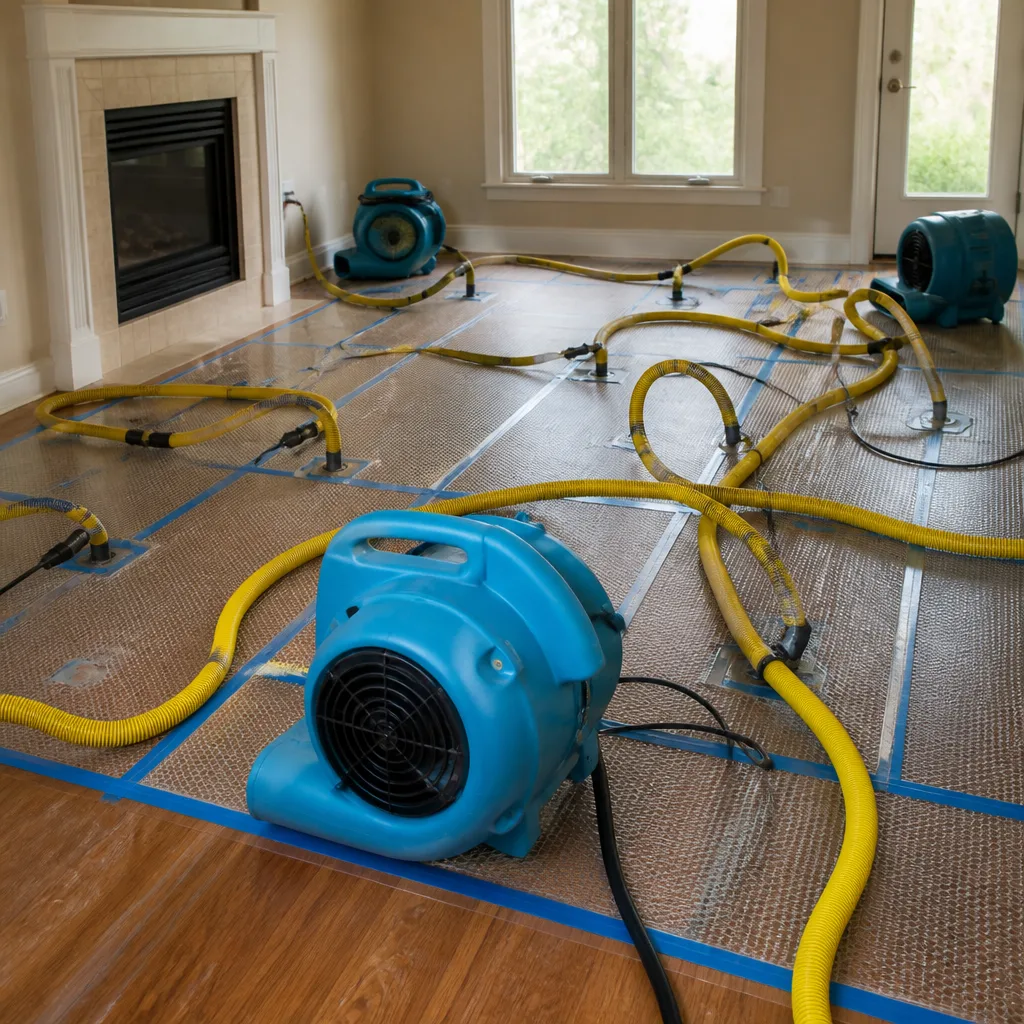
- Equipment inventory by serial number: dehumidifier model and capacity, air mover count and positioning, any specialized equipment like Injectidry cavity drying systems or negative air machines
- Psychrometric readings at multiple points: temperature, relative humidity, specific humidity, dew point, vapor pressure
- Material moisture content at the same locations as the initial map
- Photographs of equipment in place and any material changes
- Technician name and license number
The drying log is where most restoration companies fail documentation standards. They record “RH 45%, Temp 72°F” and call it sufficient. An adjuster reviewing a disputed $8,000 drying invoice needs to see that the dehumidifier was actually capable of achieving the claimed results, that it ran continuously, and that material moisture declined on a documented trajectory. Our logs include equipment specification sheets and runtime verification, the evidence that turns a challenged invoice into a paid claim.
Phase 3: Clearance Readings and Final Documentation
Before equipment removal and before any rebuild begins, we produce clearance documentation showing:
- Material moisture content at or below established dry standard for the material and geographic region
- Air sample or ERMI/HERSTMI-2 dust analysis for mold jobs, with laboratory chain of custody
- Photographic record of all affected areas post-drying
- Written scope of any remaining work needed
- Customer sign-off on completion
The Haven Standard requires this documentation package to be delivered to the homeowner within 48 hours of job completion, not “available upon request.” We’ve seen claims denied six months later when documentation was promised but never produced. Our 365-Day Done Right Promise covers not just workmanship but documentation integrity: if an adjuster requests records we should have provided, we produce them or we make it right under Haven Standard warranty terms.
How to Read a Restoration Scope Line by Line
Restoration scopes are where homeowners get separated from their money. Competitors bundle, obscure, and bury costs in ways that look reasonable until you understand what each line actually represents. Here’s how to read one.
The Header: Water Category and Class
Every legitimate water damage scope opens with IICRC classification. Category 1, 2, or 3 defines water contamination level. Class 1 through 4 defines wet surface area and vapor load. These classifications determine equipment count, labor hours, and whether antimicrobial treatment is indicated. If your scope lacks this header, the rest is unmoored from any standard.
Watch for: scopes that list “Category 1” but describe sewage backup or groundwater intrusion. Category 3 losses require PPE, containment, and more extensive removal. Billing Category 3 work at Category 1 rates is a red flag; billing Category 1 work at Category 3 rates is theft.
Line Items: Equipment, Labor, Materials
Proper scopes separate these three categories. Equipment is typically priced per day with setup and removal fees. Labor is priced per hour with minimums. Materials are priced per unit with waste factors disclosed.
Common bundling tricks to identify:
- “Drying package” that combines dehumidifier, air movers, and labor at a flat daily rate without equipment count specified
- “Antimicrobial treatment” applied to all surfaces rather than only those meeting IICRC criteria for Category 2 or 3 contamination
- “Content manipulation” charged per room without inventory of what was moved
- “Emergency service fee” that duplicates after-hours labor rates already itemized
Haven Standard, Clause 1: a written price before work begins, with every line item defined. We don’t bundle. Our scopes show: “Phoenix 200 HT LGR dehumidifier, 135 pints/day capacity, S/N [number], Days 1-4 @ $X/day.” The customer knows exactly what equipment, why it was selected, and what it costs.
The Rebuild Section: Xactimate or Time-and-Materials
Restoration scopes often combine mitigation (drying, removal) with reconstruction (drywall, paint, flooring). These should be separate contracts in California, or at minimum separate line-item sections with distinct payment terms. Mitigation is typically covered by insurance with deductible; reconstruction may involve upgrade choices, code compliance costs, and depreciation that the homeowner funds.
In Playa del Rey, reconstruction frequently triggers Los Angeles Department of Building and Safety permit requirements for electrical, plumbing, or structural work. See Damage Restoration Permits, Codes & Inspections in CA: What You Need to Know for details. A scope that bundles rebuild without permit line items is either uninformed or planning to perform unpermitted work. Either way, your certificate of occupancy and future sale are at risk.
Payment Terms and Authorization
Never sign a scope with blank payment authorizations, assignment of benefits clauses you don’t understand, or direction to pay clauses that let the contractor bill your insurer directly without your review. California law protects your right to review and dispute charges. The Haven Standard includes customer sign-off at every phase: initial authorization, mid-project if scope changes, and final acceptance.
Water Damage Restoration: Playa del Rey Specifics
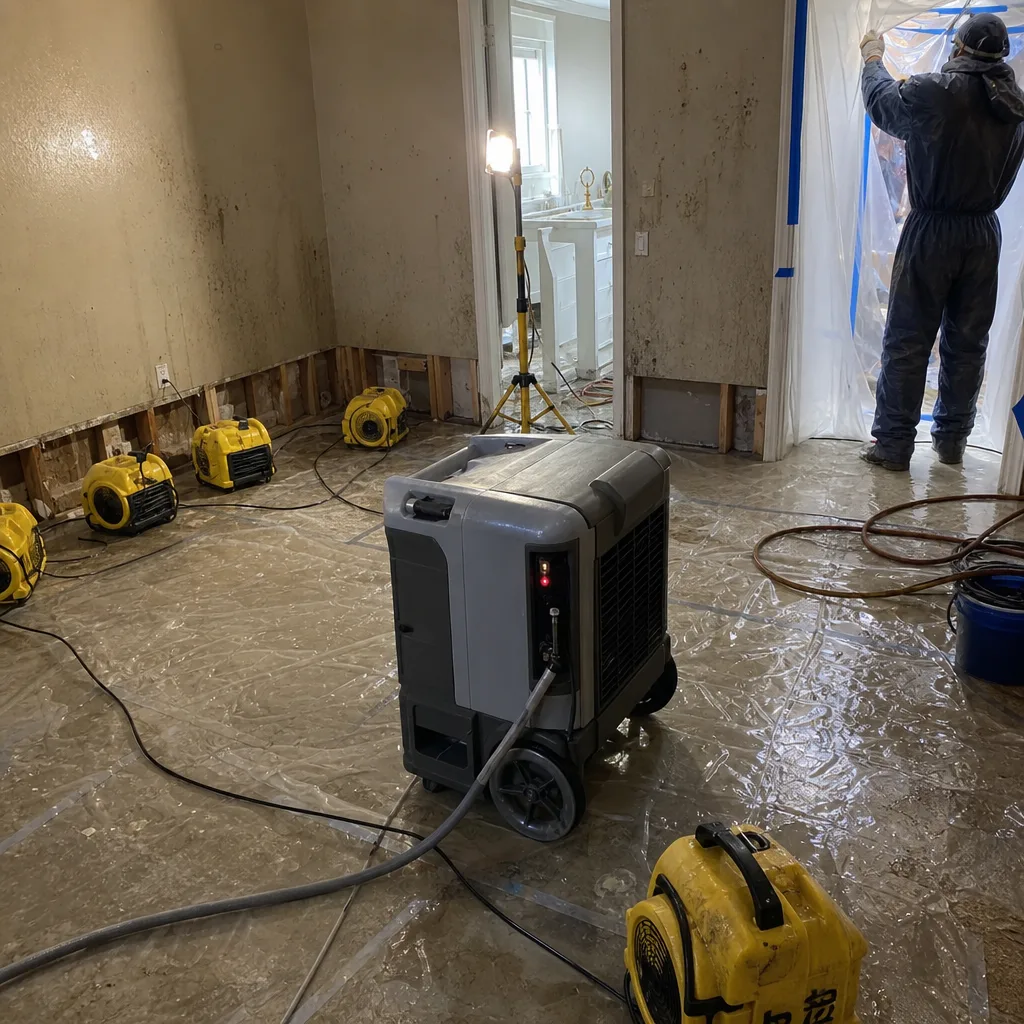
Water damage restoration in Playa del Rey follows the same IICRC S500 standard as anywhere, but the coastal environment changes execution. Our most common call sources here aren’t dramatic pipe bursts; they’re slow, hidden moisture problems that accumulate until they trigger visible damage or mold testing.
Typical Playa del Rey Water Loss Scenarios
| Source | Common Location | Documentation Critical |
|---|---|---|
| Galvanized pipe pinhole (pre-1985 homes) | Wall cavities behind kitchens, bathrooms | Corrosion photography, pipe sample if replaced |
| HVAC condensate line failure | Ceiling below attic unit, closet installations | Line condition photo, drainage slope verification |
| Stucco breach with marine layer intrusion | North and west-facing walls, window perimeters | Stucco moisture probe readings, weep screed condition |
| Slab foundation vapor migration | Ground-floor rooms, garage conversions | Calcium chloride vapor emission testing |
| Ballona Wetlands area groundwater (rare but severe) | Homes near Culver Boulevard low points | Elevation survey, flood history documentation |
Pricing for water mitigation in Playa del Rey typically ranges:
- Category 1, Class 1-2 (clean water, limited area): $1,800 – $4,500
- Category 2, Class 2-3 (gray water, multiple rooms): $4,200 – $9,500
- Category 3, Class 3-4 (black water, extensive saturation): $8,500 – $18,000
- Content cleaning and pack-out: $800 – $3,500 additional
These ranges reflect our actual written prices delivered before work begins. Every job varies by affected square footage, material types, and accessibility. Call (424) 351-9295 for a specific estimate, free of charge.
Equipment selection matters in this humidity. We deploy Dri-Eaz Revolution LGR units rated to 80°F/60% RH inlet conditions, not the 70% RH threshold where standard refrigerant dehumidifiers fail. For cavity drying in stucco-clad walls, we use Injectidry systems with positive and negative pressure configurations depending on whether we’re drying toward or away from interior finishes. The daily log records which configuration, why it was selected, and pressure differential achieved.
Mold Remediation: When Humidity Becomes Liability
Mold remediation in Playa del Rey occupies a disproportionate share of our documentation-intensive work. The same marine layer that keeps temperatures moderate creates chronic humidity conditions that sustain mold growth at lower indoor moisture levels than inland climates require.
We’ve remediated mold in Playa del Rey homes where indoor relative humidity never exceeded 55%, well below the 60% threshold commonly cited as problematic. The difference: stucco walls with failed waterproofing allowed exterior moisture to migrate inward continuously, creating localized humidity pockets inside cavities that surface readings missed. Only borescope inspection and cavity air sampling revealed the problem.
When Mold Coverage Gets Denied
Insurance mold coverage in California is typically capped, often at $10,000, and frequently excluded entirely for long-term moisture conditions. The documentation that converts a denied mold claim to a covered water damage claim is proof that the mold resulted from a sudden, accidental discharge of water, not chronic humidity.
This requires:
- Identification of the specific water event that initiated growth
- Documentation that the event was reported within the policy’s reasonable timeframe
- Moisture mapping showing the water damage pattern corresponds to the claimed source
- Timeline documentation: when the event occurred, when it was discovered, when remediation began
Our mold remediation scopes in Playa del Rey always include air sampling before and after, with laboratory analysis by AIHA-accredited labs. We don’t rely on visible assessment alone. The post-remediation clearance sample is the documentation that proves the job was effective, not just that equipment ran for the contracted period.
Pricing for mold remediation typically ranges from $2,500 for contained, small-area remediation to $15,000+ for whole-house situations involving HVAC contamination. The variance depends on containment requirements, negative air machine count, and whether demolition is needed to access growth. Our written price includes all sampling, laboratory fees, and clearance documentation, never billed as extras.
Fire, Smoke, Storm, and Reconstruction
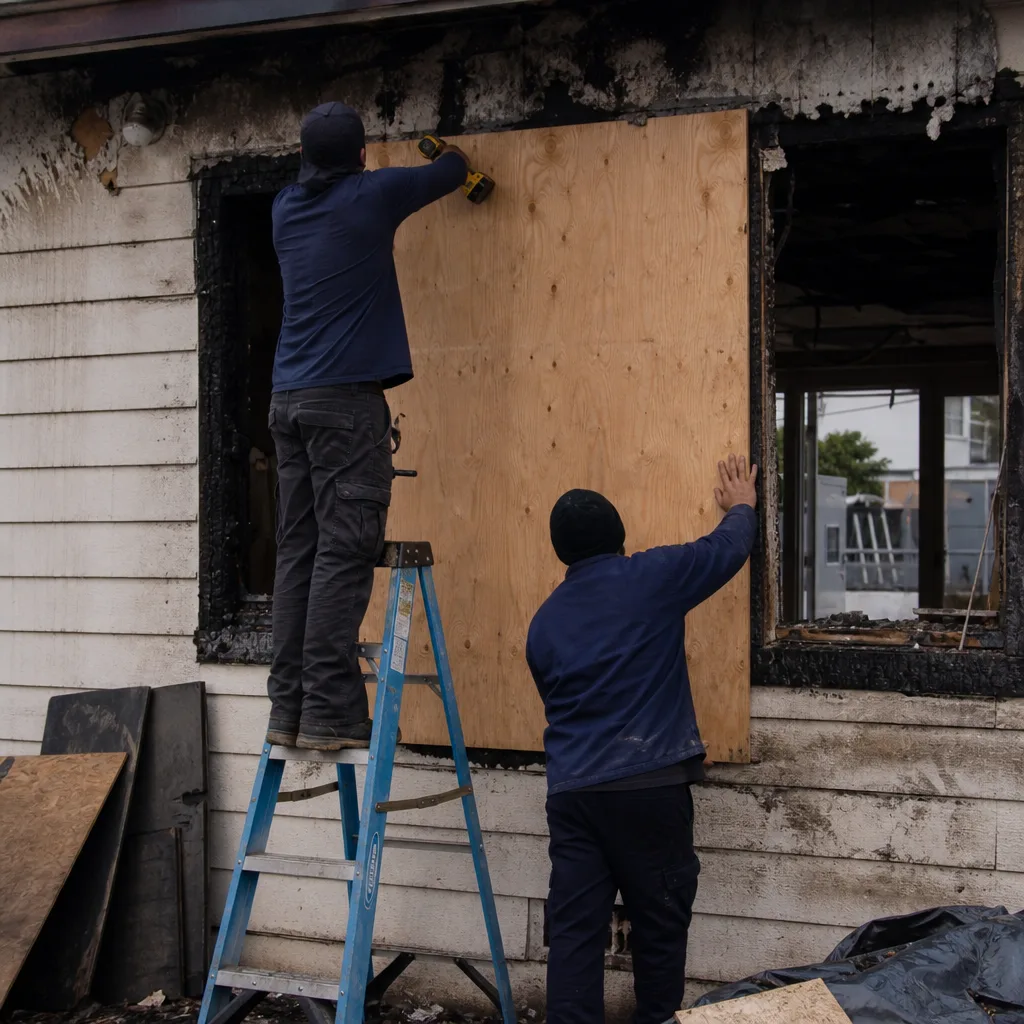
Fire and smoke damage restoration in Playa del Rey introduces documentation requirements beyond water and mold. Smoke damage is invisible but chemically active; without particulate testing and surface residue analysis, an adjuster can claim “cosmetic only” and deny structural cleaning costs.
Our fire documentation includes:
- Pre-cleaning surface residue sampling with pH testing and ion chromatography where indicated
- Inventory of affected contents with condition classification: cleanable, restorable, non-restorable
- Hydroxyl generator or ozone treatment logs with concentration and exposure duration
- Post-cleaning verification sampling
Storm damage in Playa del Rey is less frequent than fire or water but carries unique considerations. The coastal location means wind-driven rain penetrates at points that standard flashing details don’t protect. We’ve documented roof leaks in homes near the bluff where wind velocities during winter storms drove water uphill against shingle laps. Standard water damage documentation doesn’t capture wind-driven intrusion patterns; our scopes include wind direction, velocity if available, and intrusion path tracing.
Reconstruction after any loss type is where documentation discipline pays dividends for the homeowner. California’s rebuilding cost is rarely covered at full replacement value without documentation of like-kind materials and code upgrade requirements. Our reconstruction scopes itemize:
- Demolition and disposal, with waste characterization for hazardous materials if fire or smoke involved
- Structural repairs with engineered specifications if load-bearing elements affected
- Material specifications by manufacturer and product line, not generic descriptions
- Permit requirements and fees, with LADBS or other jurisdiction noted
- Timeline with milestone inspections
Reconstruction pricing varies too widely for useful ranges without site-specific assessment. A contained kitchen rebuild after water damage might run $15,000-$35,000. Full fire reconstruction with code upgrades in a Playa del Rey single-family home can exceed $200,000. Our written scope breaks every phase into line-item detail before any contract is signed.
Permits, Licensing, and What Requires a Contractor in LA County
Not every restoration task requires a licensed contractor in California, but the line is narrower than most homeowners realize and narrower than many restoration companies admit.
What Can Proceed Without a Contractor License
- Water extraction and surface drying (no structural material removal)
- Content cleaning and pack-out
- Mold remediation in areas under 10 square feet, with no HVAC system involvement
- Debris removal and disposal
What Requires CSLB Licensing
- Any structural repair, including drywall replacement beyond small patches
- Electrical, plumbing, or HVAC work
- Roof repair or replacement
- Any work valued over $500 in combined labor and materials
The $500 threshold is where many restoration companies operate in gray territory. They perform mitigation, then “recommend” a separate contractor for rebuild, or they perform both under a single invoice that obscures the licensing requirement. In Los Angeles County, unlicensed work over $500 is subject to CSLB enforcement, and permits pulled by unlicensed contractors can be red-tagged, halting work and complicating insurance claims.
Our technicians carry appropriate CSLB classifications for the work they perform. License numbers are provided on every scope. For work outside our licensing, we coordinate with vetted licensed contractors and maintain documentation of their credentials, not handoffs to unknown subcontractors.
Playa del Rey falls under LADBS jurisdiction for permits. Typical restoration permits include:
| Permit Type | Trigger | Timeline | Cost Range |
|---|---|---|---|
| Over-the-Counter Plumbing | Pipe repair/replacement, water heater | Same day | $160-$320 |
| Electrical | Panel work, circuit addition, rewiring | 2-5 days plan check | $220-$480 |
| Building (Repair) | Structural repair, drywall over 200 sq ft | 2-10 days | $280-$650 |
| Combination | Multiple trades affected | 5-15 days | $500-$1,200 |
Permit costs are actual LADBS fees; we don’t mark them up. Our scopes show permit fees as pass-through line items with jurisdiction documentation.
The Exact Questions to Ask Before Any Work Begins
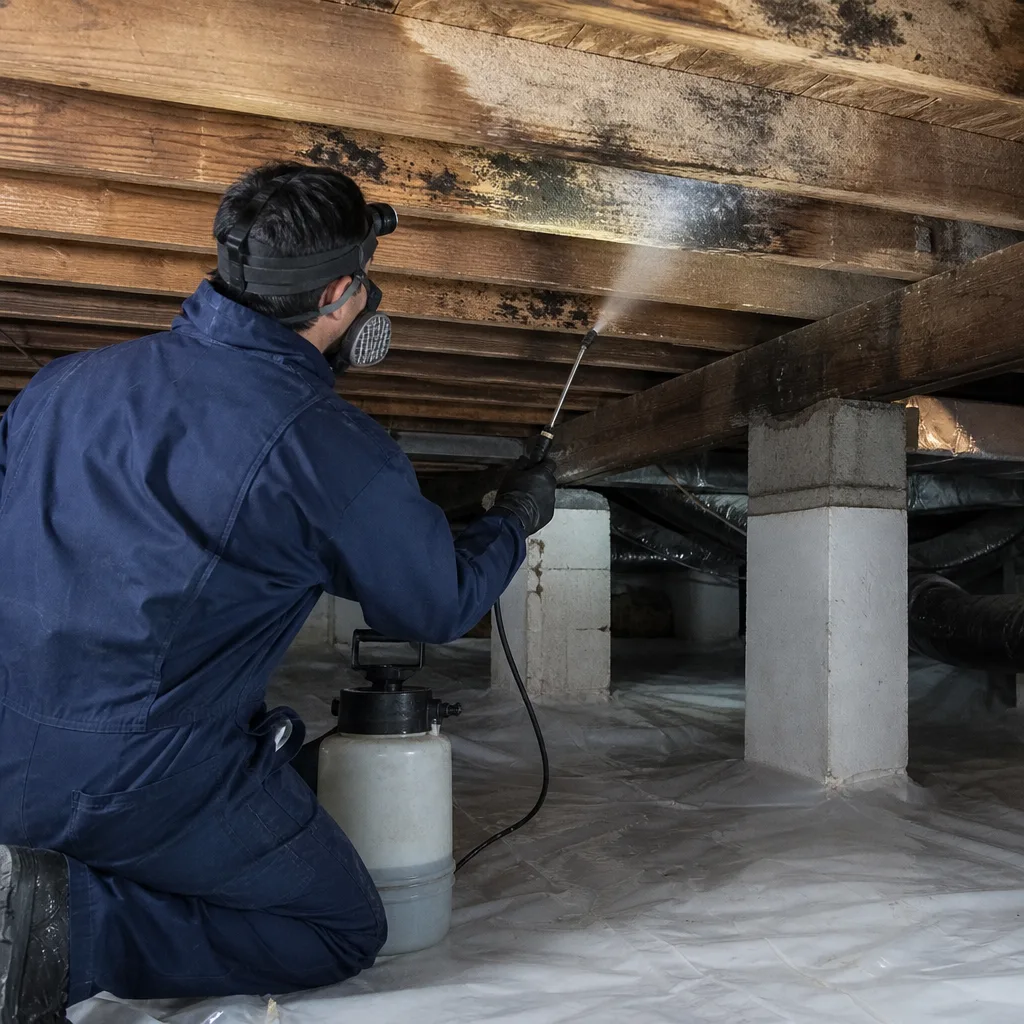
These questions reveal whether a restoration company’s process will survive adjuster review. Ask them. Write down the answers. Compare.
- “Will you provide a written price before any work begins, with every line item defined?” Haven Standard, Clause 1. If the answer involves “we’ll assess and then bill,” or “insurance will cover it,” you have no cost control and no documentation for dispute.
- “What specific equipment will you deploy, and why that model for my conditions?” A company that can’t name dehumidifier capacity, air mover count, or explain why an LGR unit is needed for coastal humidity is guessing. Guessing doesn’t produce documentation that pays claims.
- “What does your daily drying log include, and when do I receive it?” The log should include psychrometric data, material moisture readings, equipment runtime verification, and technician identification. “We’ll email you a summary” is not a drying log.
- “Who is licensed to perform the work, and what is their license number?” Verify at cslb.ca.gov. Unlicensed work voids insurance coverage and exposes you to liability if injury occurs.
- “Will you document my loss for insurance, or do I need a public adjuster?” We document for direct claim submission. Some companies push public adjusters who take 10-20% of claim proceeds. That’s a legitimate choice if your claim is complex, but it shouldn’t be the default because the restoration company won’t produce documentation.
- “What is your process if my insurance disputes your invoice?” The answer should include provision of all documentation, direct adjuster communication, and written warranty backing. “That’s between you and your insurer” means you’re alone.
- “What happens if moisture returns or mold reappears within six months?” Our 365-Day Done Right Promise covers this. Most competitors offer 30-90 days, or nothing written.
We’ve been asked these questions thousands of times since 2011. They’re the right questions. Any restoration company serving Playa del Rey should answer them without hesitation and in writing.
Common Mistakes to Avoid
- Waiting for insurance approval before starting mitigation. Most policies require “reasonable and necessary” emergency measures. Delaying water extraction while waiting for adjuster assignment allows secondary damage that insurers may attribute to homeowner negligence. Document everything, start immediately, submit after.
- Accepting a “free” inspection from a company that also performs the work. The inspector’s incentive is to find work. In Playa del Rey’s competitive restoration market, we’ve seen mold “discovered” in homes that testing showed were below actionable levels. Independent assessment has value; if you use the same company, demand their testing methodology and lab credentials.
- Ignoring the vapor barrier in stucco homes. Coastal stucco without proper weather-resistant barrier fails progressively. Repairing interior damage without addressing the exterior envelope guarantees recurrence. Our scopes note stucco condition and recommend evaluation when indicated, even if it’s not the immediate billable work.
- Signing assignment of benefits without legal review. AOB transfers your insurance rights to the contractor. In Florida, this has produced massive fraud. California allows AOB but with restrictions. Never sign one without understanding exactly what rights you retain.
- Assuming “dry” means “restored.” Drywall can read dry on the surface while insulation behind it remains saturated. Our clearance process includes verification at multiple depths, not just surface readings.
- Neglecting to document pre-existing conditions. Photograph everything before work starts. The adjuster’s first question about that cracked tile or stained ceiling will be whether the restoration crew caused it. Our photo record includes pre-work documentation as standard.
- Choosing the lowest bid without comparing scope detail. A $3,200 bid that bundles equipment and labor without count or duration isn’t comparable to a $4,100 bid that specifies four days of identified equipment. The lower bid often costs more when extras appear mid-project.
When to Call a Professional
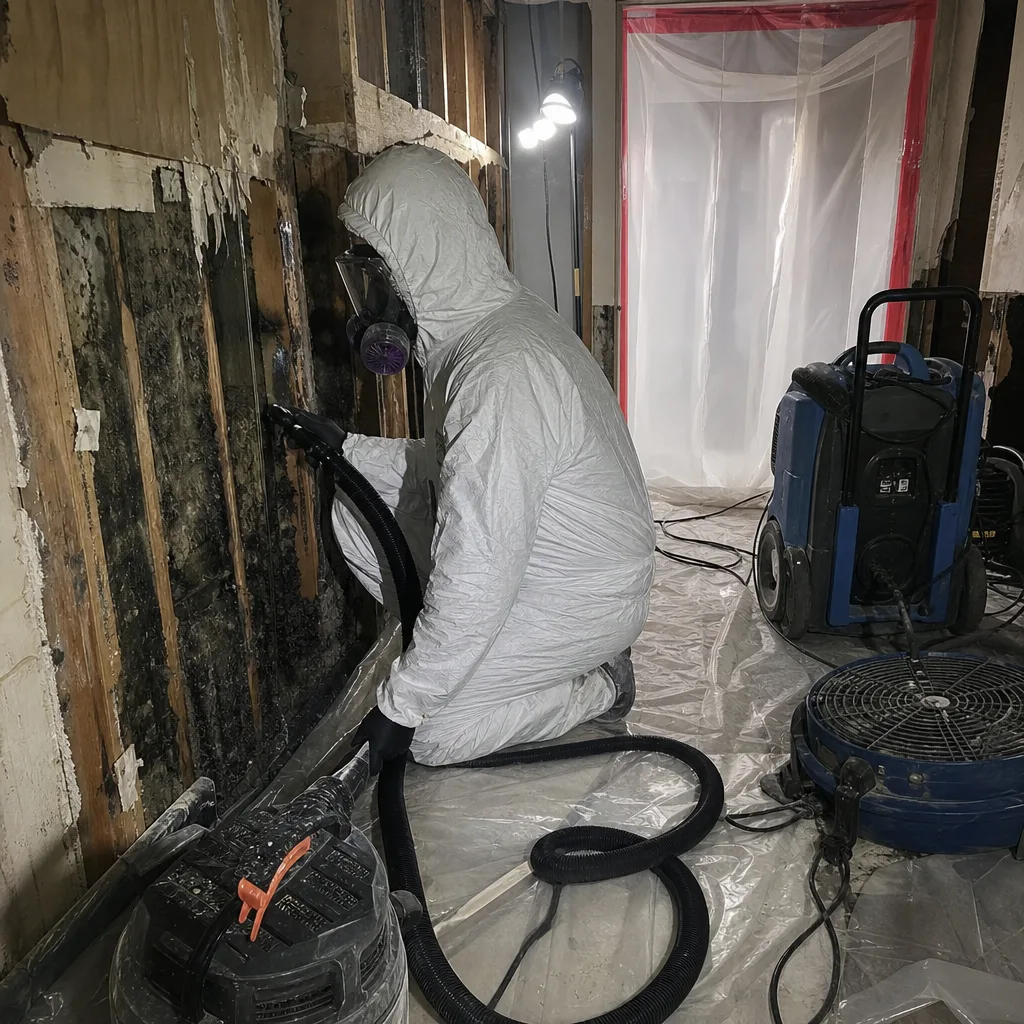
Call for professional assessment when: water has affected multiple rooms or traveled beyond visible boundaries; you smell musty odor without visible mold; any Category 2 or 3 water is involved; fire or smoke has affected more than a single small area; or your insurance claim exceeds your deductible by more than $2,000. In Playa del Rey, the coastal climate means moisture problems escalate faster than inland; what looks manageable in week one becomes structural in week four. Learn to spot trouble early with our Damage Restoration Warning Signs: A Playa del Rey Homeowner’s Reference Guide.
DryMark Restoration Playa del Rey offers free estimates in Playa del Rey, with written prices delivered before any work begins and documentation packages designed for direct insurance submission. Call (424) 351-9295 to schedule assessment.
Frequently Asked Questions
Water mitigation typically ranges $1,800-$18,000 depending on category and extent; mold remediation runs $2,500-$15,000; fire restoration starts around $8,000 and can exceed $100,000 for major structural rebuilds. Every job requires site-specific assessment for an accurate written price. Call (424) 351-9295 for a free estimate with line-item detail.
Most homeowner policies cover sudden, accidental water damage and fire damage, subject to deductible and coverage limits. Long-term moisture damage, mold from maintenance neglect, and certain flood scenarios may be excluded. Our documentation package is designed to establish coverage and support full claim payment, but we don’t guarantee coverage determinations that rest with your insurer.
Our live dispatch answers every call, 24 hours a day, 7 days a week, with no voicemail trees. Emergency water and fire response typically arrives within 60-90 minutes in Playa del Rey and surrounding coastal areas. Reconstruction work is scheduled, not dispatched, with written timeline provided before contract.
Category 1 water in a small, accessible area can sometimes be handled by homeowners with proper equipment. Category 2 or 3 water, mold exceeding 10 square feet, fire or smoke damage, or any situation involving HVAC systems, electrical components, or structural materials requires professional handling for safety and documentation. High-tension garage door springs, electrical panels, and gas lines present genuine hazards; we recommend trained professionals for any work near these components.
We provide complete documentation for direct submission to your adjuster, including moisture logs, photo records, and itemized scopes. We communicate with adjusters as needed to explain our documentation, but we don’t accept assignment of benefits without explicit, informed homeowner consent. You retain control of your claim.
The marine layer sustains higher ambient humidity, salt air accelerates corrosion in plumbing and HVAC components, and stucco construction common here creates hidden cavity moisture paths that drywall homes don’t experience. Drying targets and equipment selection must account for these conditions, and documentation must prove that work addressed actual coastal moisture loads, not generic standards.
The Bottom Line
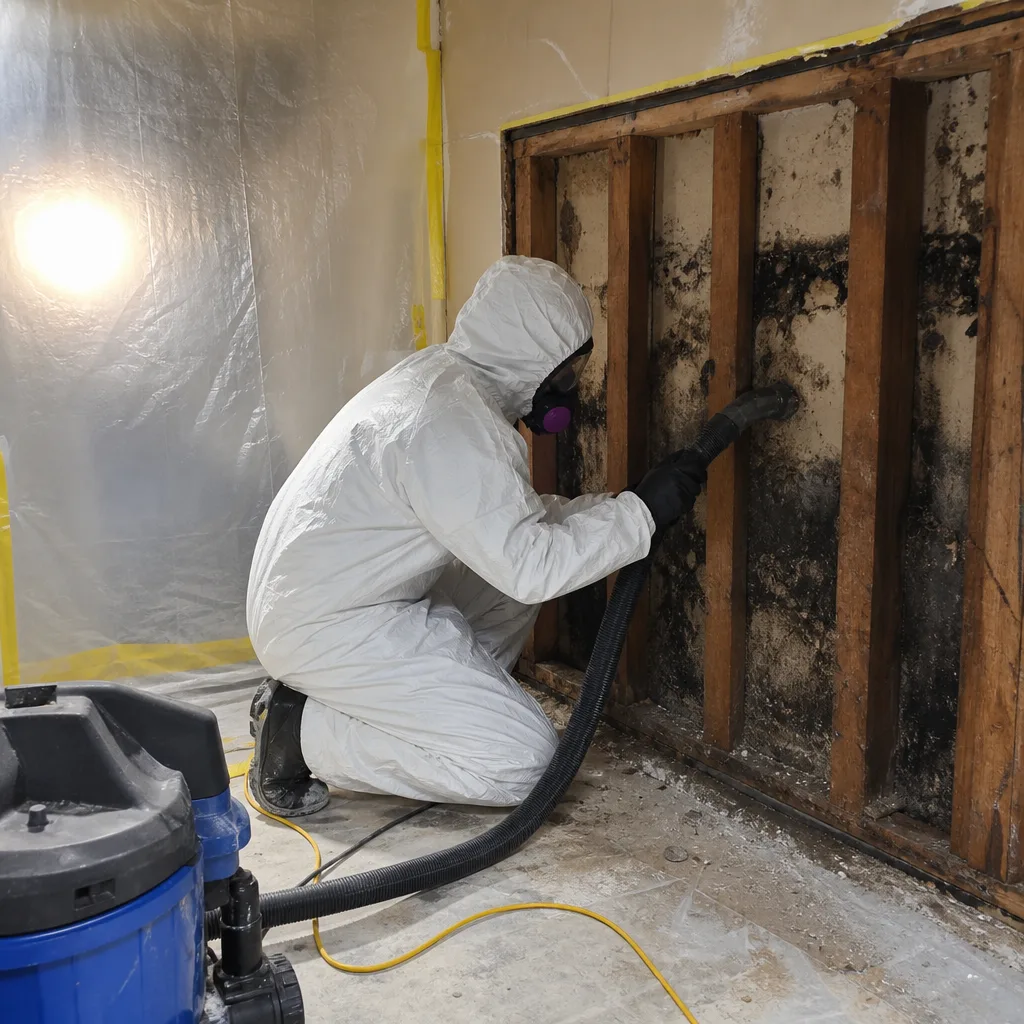
Damage restoration in Playa del Rey succeeds or fails on documentation. The coastal climate creates moisture conditions that inland approaches miss, insurance adjusters deny claims for missing records rather than inadequate work, and homeowners who understand scope line items protect themselves from bundling tricks and scope creep. Every phase, from initial moisture mapping through final clearance, produces records that either pay your claim or leave you arguing alone. Demand written prices before work begins, daily logs during work, and complete documentation packages at completion. That’s the standard we’ve operated under since 2011, and it’s the standard your adjuster will measure against whether your contractor meets it or not.
Written by Alicia Brennan, Owner at DryMark Restoration Playa del Rey, serving Playa del Rey since 2011.