
Last updated September 23, 2026
Free visual inspection and a written scope of work before any mitigation begins - photos, moisture readings, and drying logs go in your claim file
The scope we write is the scope we bill. Anything new gets shown to you, in writing, before we touch it.
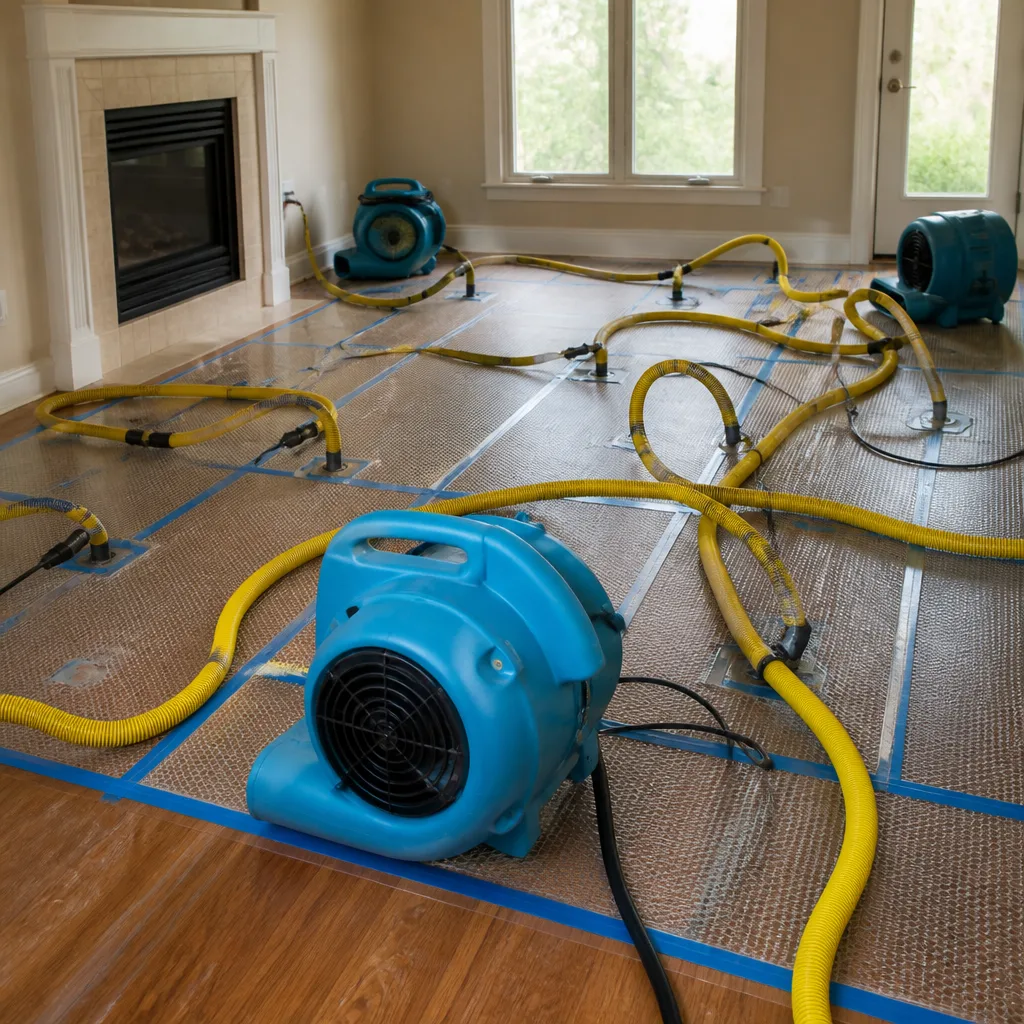

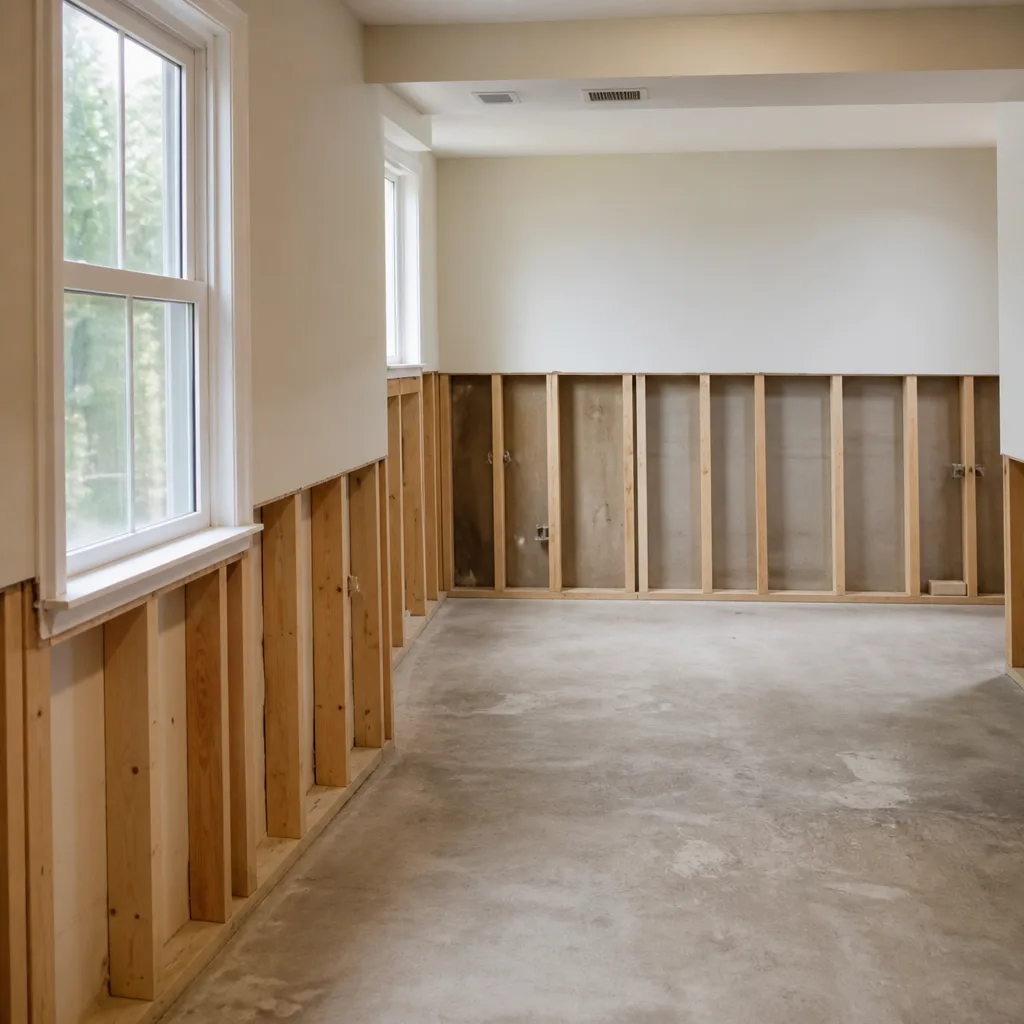

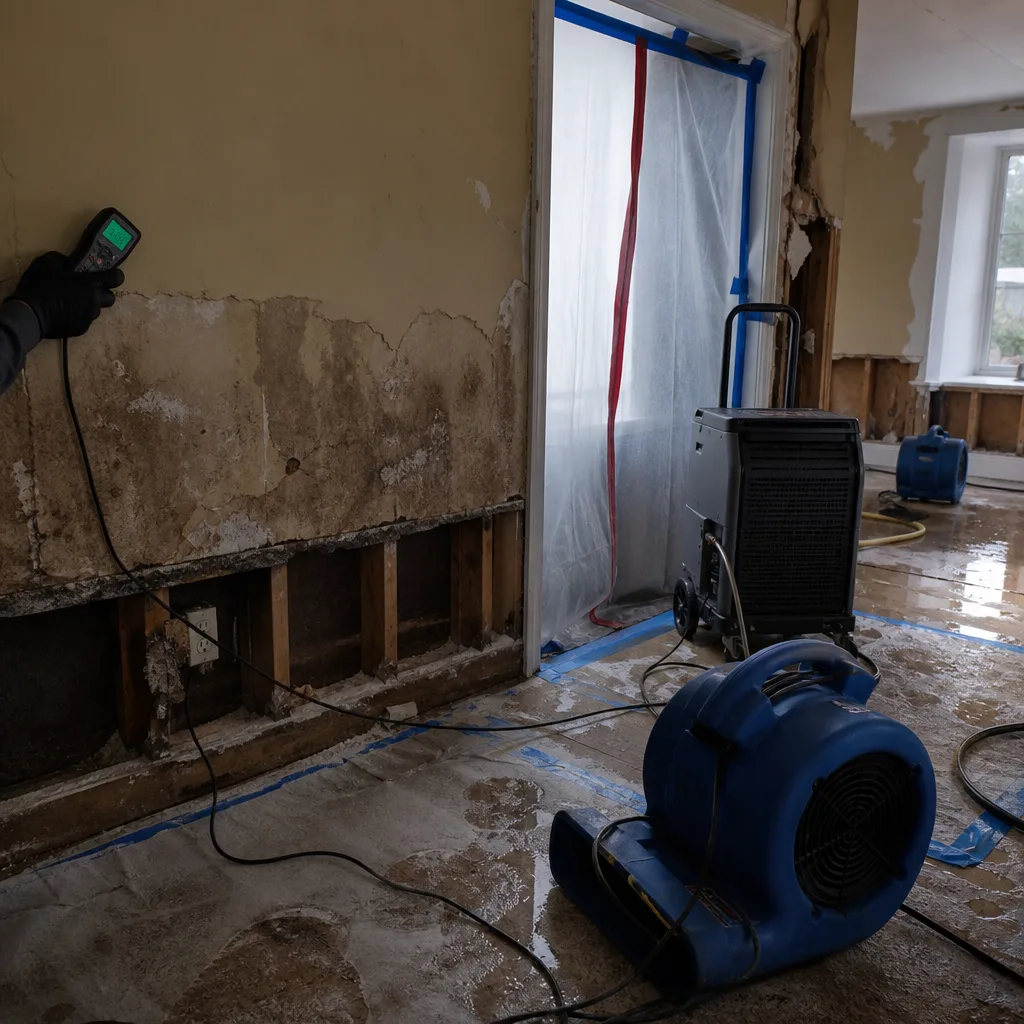 Before
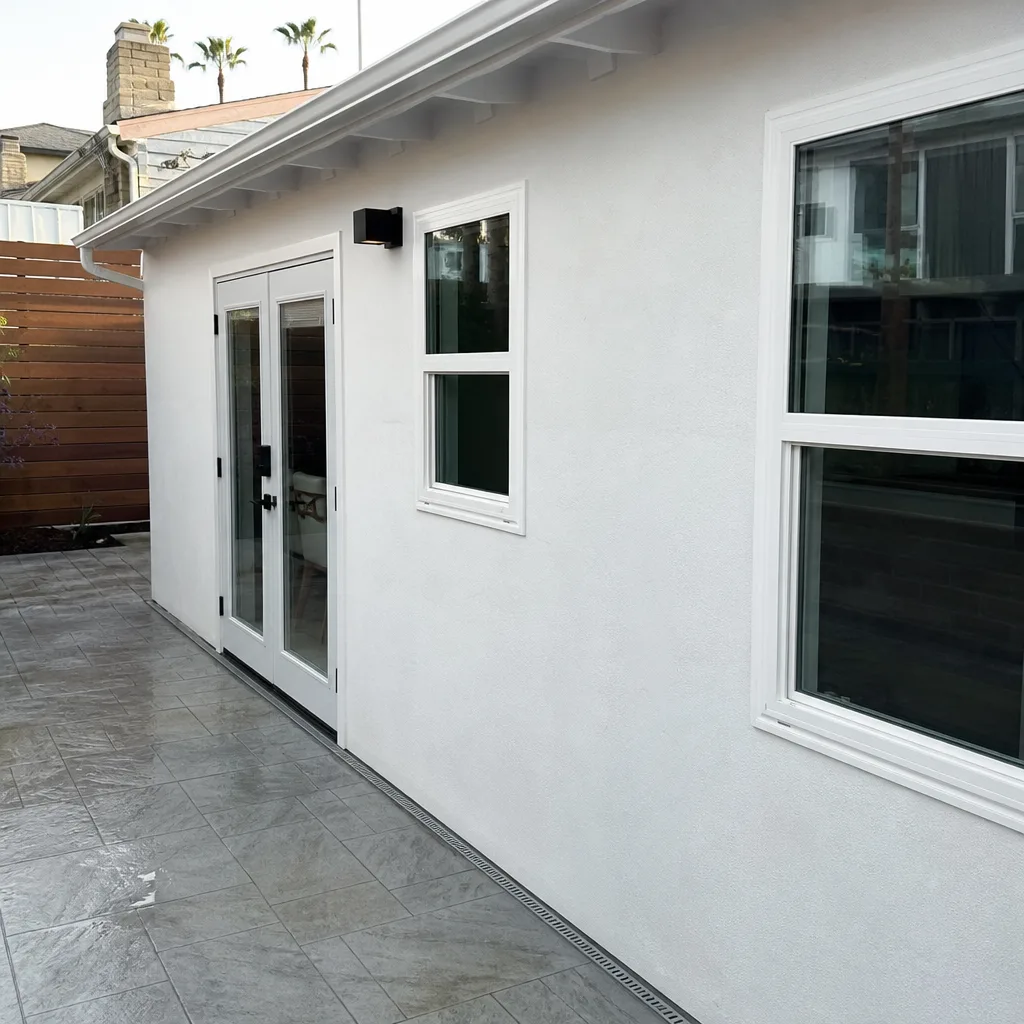 After
After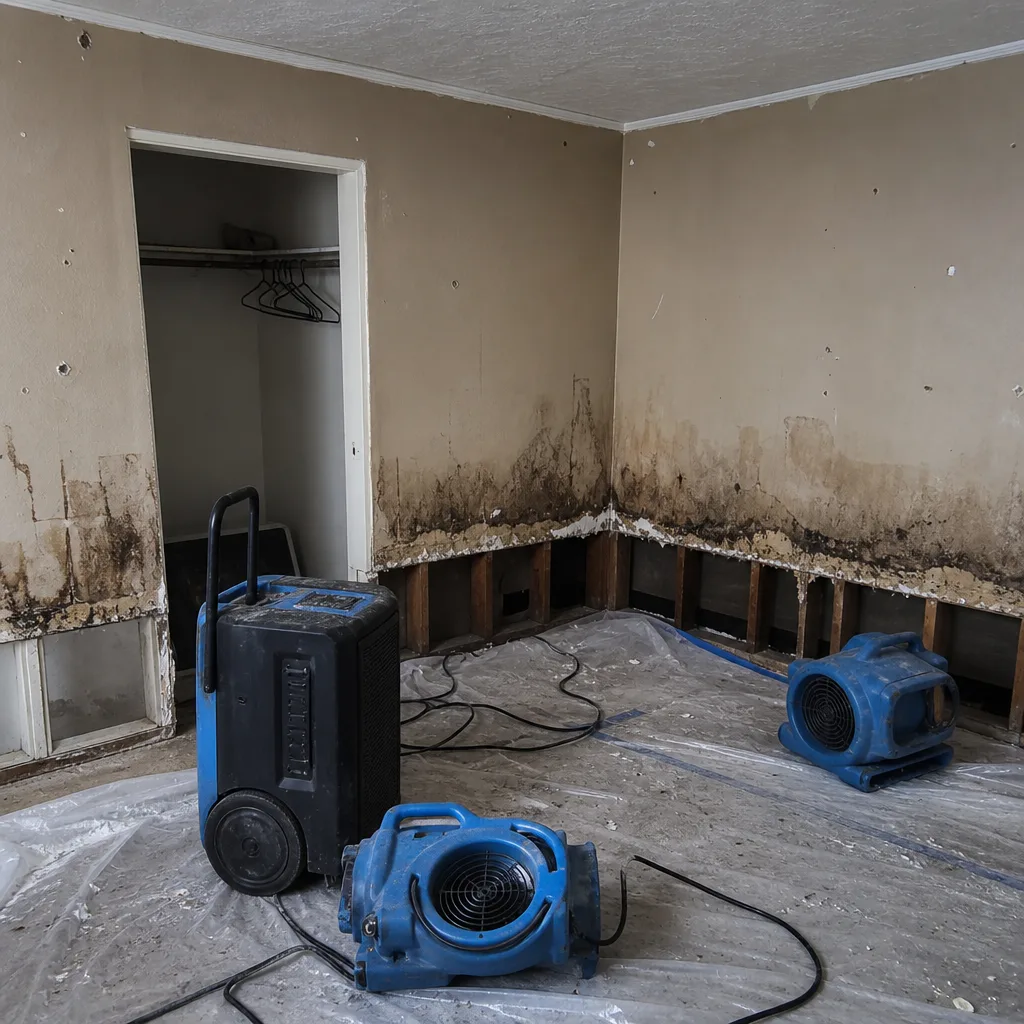 Before
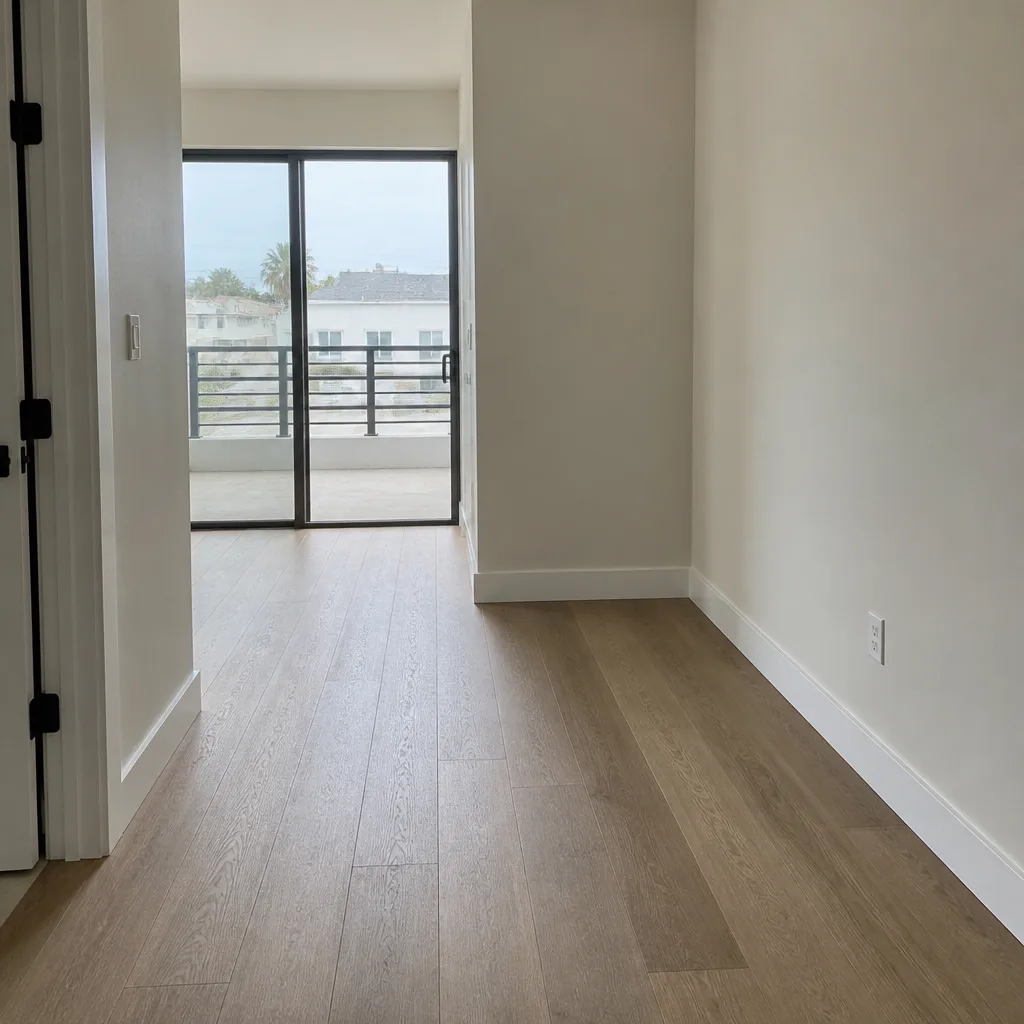 After
After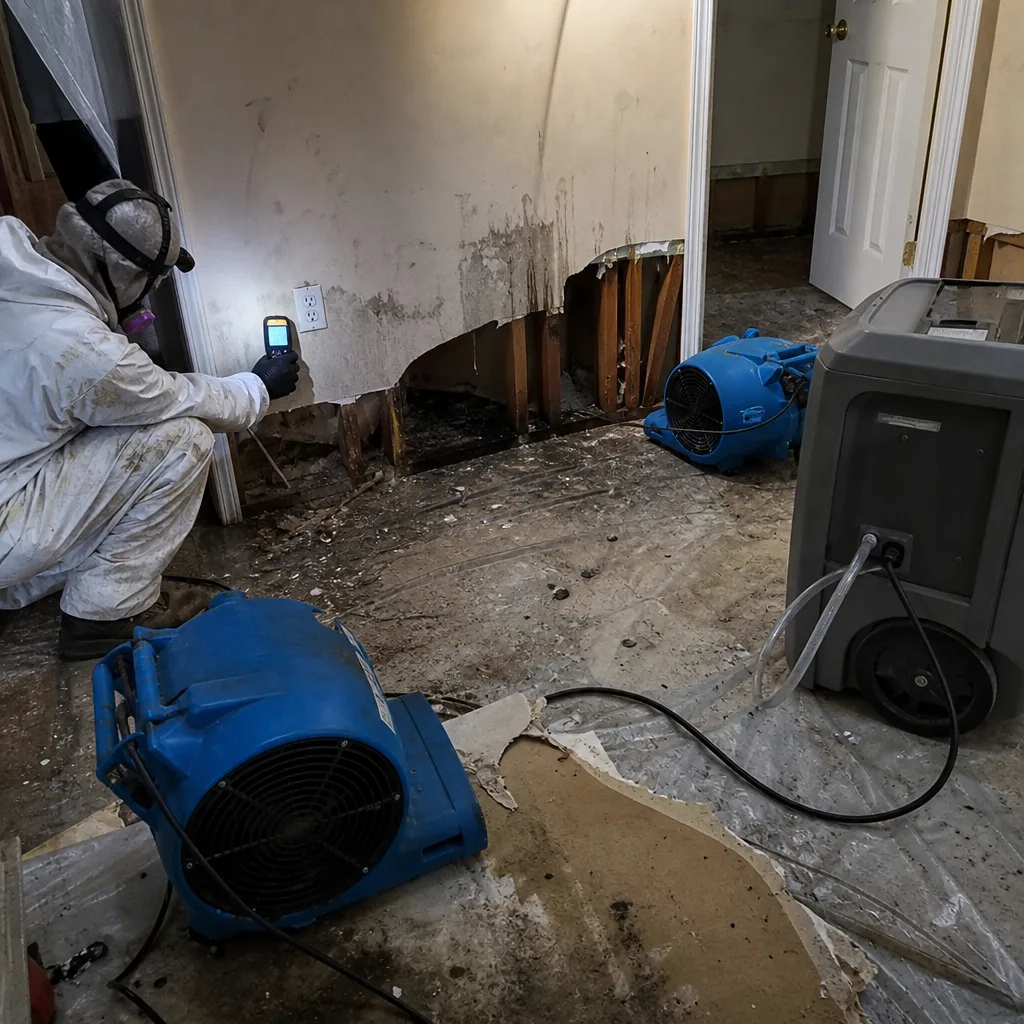 Before
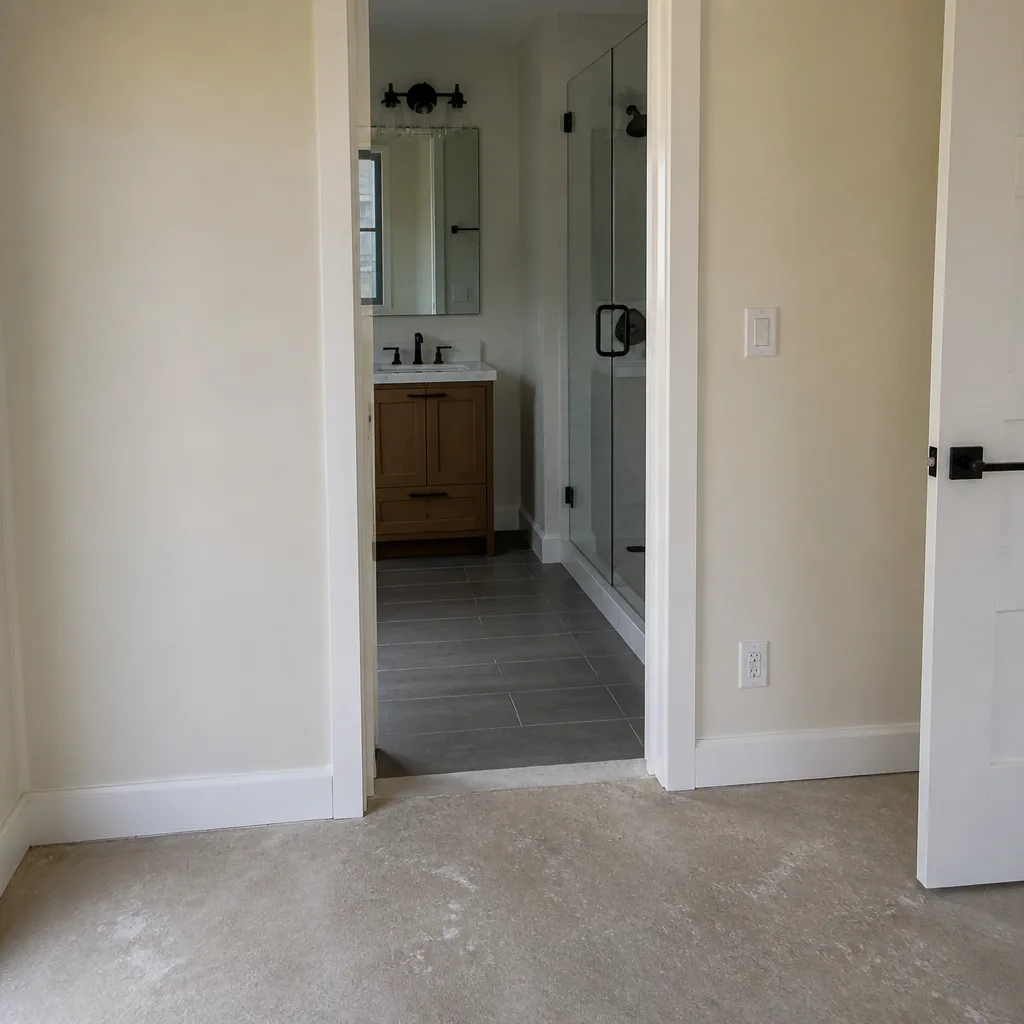 After
AfterWater Damage Restoration Maintenance Checklist for Playa del Rey Homeowners
A corroded braided supply hose under a bathroom vanity in a Playa del Rey home can fail in under three minutes and release enough water to push a moisture reading above 25% in adjacent drywall before the homeowner reaches the shutoff - and it costs about $8 to replace proactively. In our experience documenting 12,000+ restorations since 2011, the losses that generate the largest insurance disputes are rarely from dramatic storms. They’re from maintenance gaps that a $30 moisture meter and a dated photo would have caught weeks earlier. The Complete Guide to Damage Restoration in Playa del Rey organizes prevention by inspection interval - monthly, quarterly, and annual - with pass-fail thresholds you can actually measure, not vague advice to “check for leaks.” You’ll learn which coastal-specific failure points to watch for, how to build documentation that supports a future claim, and which maintenance gaps California insurers can use to deny coverage under standard HO-3 language.
Quick Answer
Playa del Rey homeowners can prevent most water damage claims by following a three-interval maintenance checklist: monthly checks of supply hoses and moisture-prone areas with a pinless moisture meter, quarterly inspection of weep screeds, stucco penetrations, and exterior caulk, and annual roof, HVAC condensate, and appliance maintenance with dated photo documentation. Coastal salt exposure accelerates corrosion and caulk degradation, making these intervals shorter than inland equivalents. Establishing baseline moisture readings in walls (typically 8-12% in this climate) lets you detect drift before visible damage appears.
Table of Contents
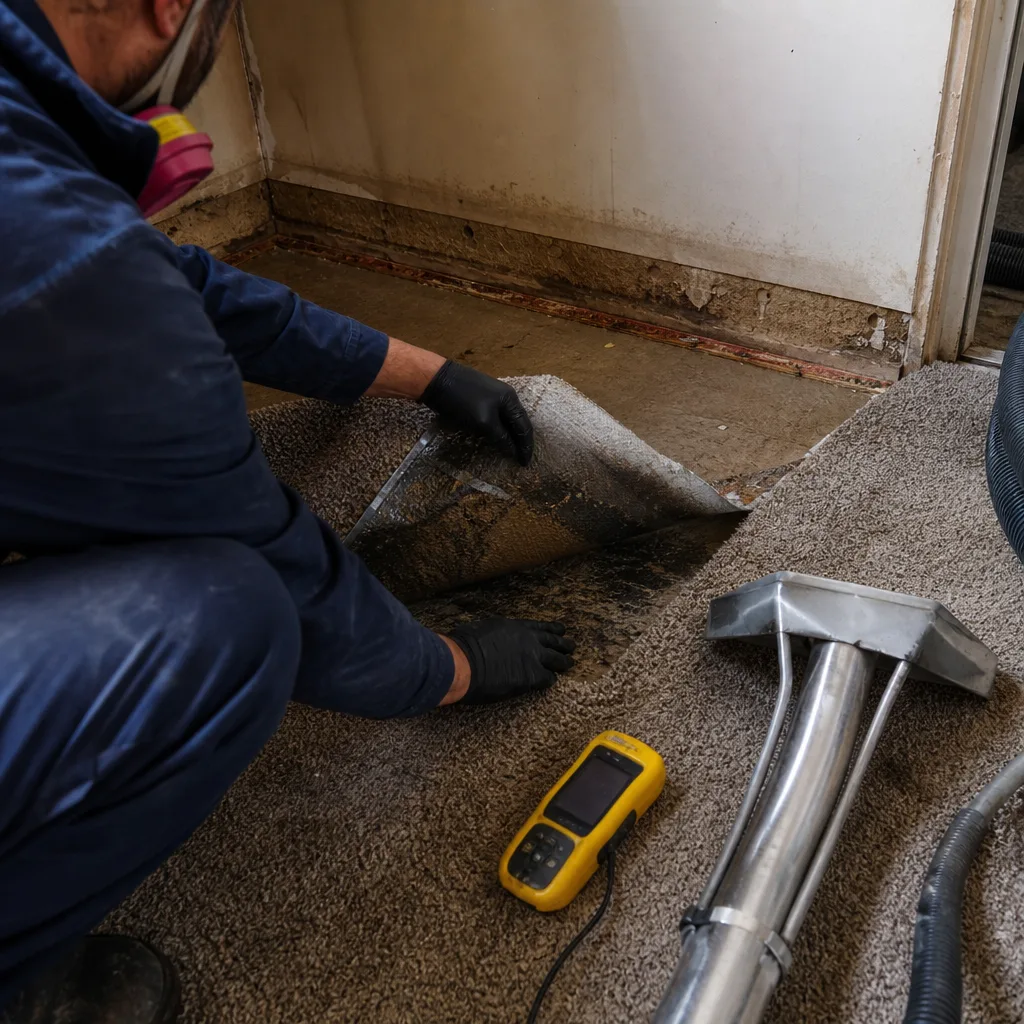
- Monthly Checklist: The Two-Minute Inspections That Catch Catastrophic Failures
- Quarterly Checklist: Coastal-Specific Vulnerabilities in Playa del Rey
- Annual Checklist: Systems That Fail Silently
- How to Use a Moisture Meter to Catch Problems Before They’re Visible
- Documentation Habits That Turn Maintenance Into Claim Evidence
- Maintenance Gaps That Void Coverage Under California HO-3 Policies
- What Proactive Maintenance Costs vs. Reactive Restoration
- Common Mistakes to Avoid
- When to Call a Professional
- Frequently Asked Questions
 Before
 After
AfterMonthly Checklist: The Two-Minute Inspections That Catch Catastrophic Failures
The failures that flood a home fastest happen at pressurized connections. A 3/8-inch compression fitting under a sink runs at 40-60 PSI. When it lets go, you’re not looking at a slow drip. You’re looking at water moving through walls at a rate that can saturate standard 1/2-inch drywall to the point of structural compromise in under an hour.
Our crews in Playa del Rey respond to these calls regularly. The pattern is consistent: a braided stainless steel supply line corrodes at the ferrule, or an angle stop’s zinc body fails from the inside out after years of salt-air exposure. The homeowner didn’t ignore maintenance. They simply didn’t know what to look for, or how fast the failure accelerates once it starts.
Here’s the monthly protocol we recommend to homeowners who want to avoid becoming a statistic in our drying logs:
- Inspect all visible supply lines. Look behind toilets, under sinks, and behind appliances. Pass/fail: No corrosion staining on the braided jacket, no ferrule cracking, no “fuzzing” of the stainless weave. If you see green or white corrosion at the nut, replace the line. Cost: $6-12 per line at any hardware store. Time: 90 seconds per fixture.
- Check angle stops and supply valves. These brass or zinc valves fail from the inside in coastal environments. Pass/fail: Handle turns smoothly without grinding; no weeping at the stem when open; no corrosion on the body. If the handle feels gritty or you see crystalline deposits, schedule replacement. A seized angle stop is a flood waiting for a plumber’s wrench.
- Run your hands along cabinet bases and toe-kicks. Pass/fail: Dry to the touch, no swelling of particleboard, no musty odor. In Playa del Rey’s mild climate, slow leaks often evaporate at the surface while saturating the substrate. Your nose and fingertips catch what your eyes miss.
- Test the washing machine supply valves. These are the most under-inspected pressurized connections in most homes. Pass/fail: No drip when fully closed; hoses show no blistering, cracking, or rust staining at the couplings. Replace rubber hoses every five years regardless of appearance. Steel-braided lines last longer but still fail at the ferrule - inspect that junction specifically.
- Verify your water heater’s T&P discharge path. The temperature and pressure relief valve must discharge to a visible location, not into a hidden drain. Pass/fail: Pipe is intact, terminates where you can see it, and shows no signs of past discharge (white mineral staining). A T&P valve that has discharged is telling you the tank is failing or the thermostat is malfunctioning.
- Spot-check moisture-prone walls with a pinless moisture meter. We’ll cover technique in detail below, but the monthly habit is simple: take readings at the same three spots each month (typically bathroom walls adjacent to plumbing, kitchen sink wall, and laundry area). Pass/fail: Readings within 2% of your established baseline. Drift of 3% or more triggers investigation.
Total time for the full monthly protocol: 12-18 minutes. The most common objection we hear is that homeowners don’t know what “normal” looks like. That’s why we recommend the photo documentation habit described later - a dated photo of each supply line when it’s healthy becomes your reference standard.
One Playa del Rey-specific note: homes within three blocks of the beach experience accelerated chloride corrosion on brass and zinc fittings. If your home is in the Playa del Rey dunes area or west of Vista del Mar, compress your replacement interval by 30%. A five-year hose becomes a three-year hose in that environment.
Quarterly Checklist: Coastal-Specific Vulnerabilities in Playa del Rey
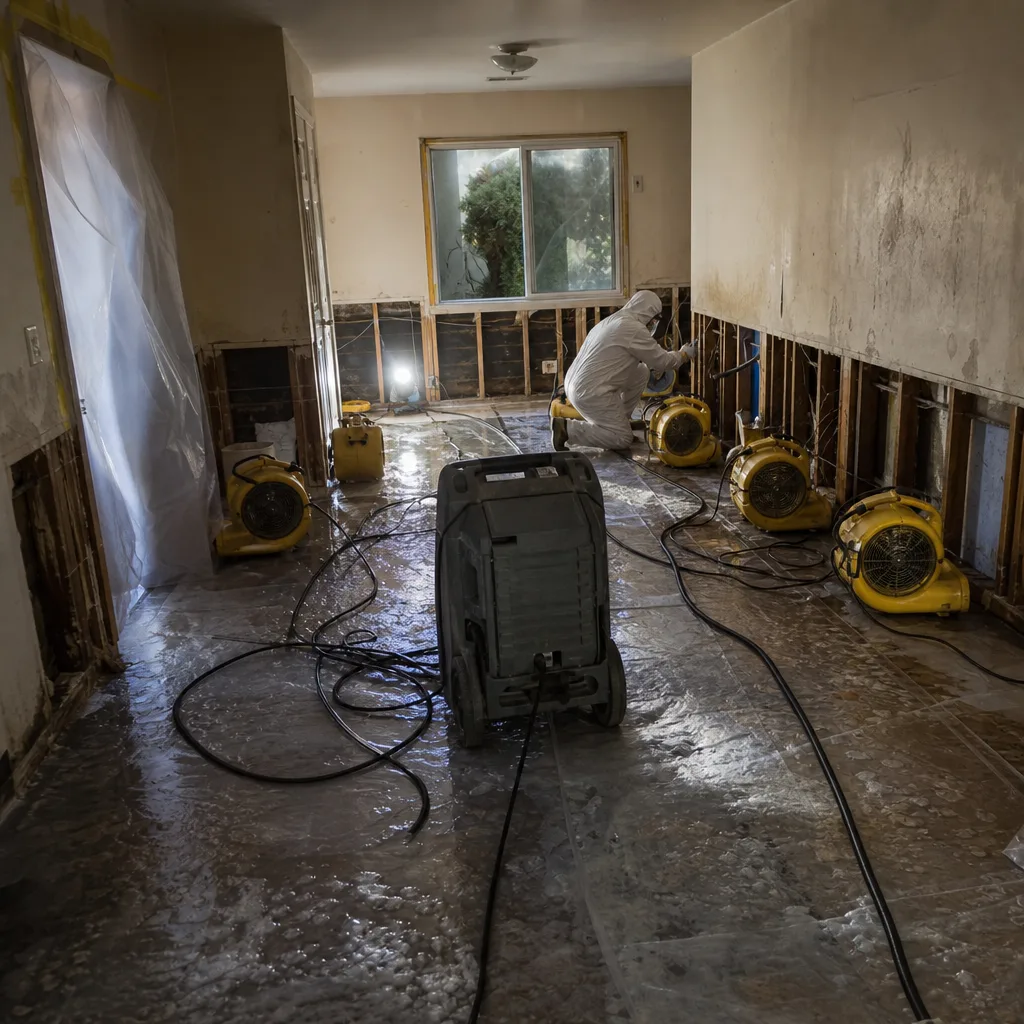
Generic home maintenance advice fails Playa del Rey homeowners because it doesn’t account for coastal mechanics. Salt-laden air, onshore moisture, and the particular construction practices common in this market create failure modes that inland checklists never mention. We’ve documented these patterns across thousands of water damage restoration projects in Playa del Rey and the surrounding coastal zone.
The quarterly interval catches problems that develop too slowly for monthly detection but too fast for annual review. Here’s what belongs on your calendar every three months:
Weep Screed Inspection
Weep screeds are the perforated metal strips at the base of stucco walls that allow drainage and ventilation of the moisture barrier behind the cladding. When they clog with debris, paint, or stucco overspray, water that penetrates the stucco has nowhere to exit. It accumulates in the wall cavity, migrates horizontally into framing, and creates the hidden moisture reservoirs that generate our most expensive mold remediation calls.
Pass/fail: Weep holes are visibly open and unobstructed. No stucco or paint bridging the gap between screed and foundation. No vegetation growing against the wall that could hold moisture. If you find blockage, clear it with a wire or compressed air. Never seal weep screeds with caulk or paint - that converts a drainage feature into a water trap.
In Playa del Rey, we see weep screed failure most often in homes built during the 1980s stucco boom and in recent flips where cosmetic stucco patching buried the original screed. If your home falls in either category, inspect monthly until you establish a clean baseline.
Exterior Penetration Caulk
Every pipe, vent, light fixture, and window frame that penetrates your exterior envelope is sealed with elastomeric caulk. Salt spray and UV degrade this material faster than manufacturers’ data sheets suggest for inland applications.
Pass/fail: Caulk bead is continuous, adheres to both surfaces, and shows no cracking, separation, or powdering. Test adhesion by pressing with a fingernail - it should feel rubbery, not chalky or brittle. Focus on west and south-facing penetrations, which take the brunt of onshore exposure. Re-caulk proactively at first sign of degradation; water follows the path of least resistance, and a failed caulk joint becomes that path within the first significant rain.
Stucco Cracking and Efflorescence
Hairline cracking in stucco is normal. Pattern cracking, diagonal cracks at corners, or cracks with white crystalline deposits (efflorescence) are not. Efflorescence indicates water is moving through the wall, dissolving salts, and depositing them at the surface. The water is already inside your envelope.
Pass/fail: No efflorescence on stucco surfaces. No crack wider than 1/16 inch that runs in a pattern suggesting structural movement. Document any new cracks with dated photos and measure width with a feeler gauge. Rapid widening triggers professional evaluation.
HVAC Condensate Drainage
Coastal air carries more moisture, so Playa del Rey HVAC systems work harder at dehumidification. The condensate line that removes this water is a frequent source of hidden damage.
Pass/fail: Primary drain flows freely when tested with a cup of water. Secondary pan is dry and shows no rust or standing water. Float switch (if present) trips when manually lifted. In our experience, condensate overflows in coastal homes peak in September and October, when systems have been running hard all summer and algae buildup finally blocks the line.
Garage Door and Window Track Drainage
Homes with below-grade garages or sunken entries - common in the hillside areas above Culver Boulevard - face unique hydrostatic pressure. Check that track drains and area drains flow freely before winter rains.
Exterior Hose Bibs and Irrigation Backflow
Frost-free hose bibs can crack internally if left under pressure, and the resulting leak runs inside the wall. Irrigation backflow preventers fail from debris and freeze-thaw, though freeze is rare here, the thermal cycling still fatigues gaskets.
Pass/fail: Hose bib shuts off completely with no weeping; vacuum breaker on irrigation system holds test pressure; no standing water in valve boxes that could indicate underground leakage.
Annual Checklist: Systems That Fail Silently
Annual maintenance addresses components with longer failure horizons and higher replacement costs. These aren’t items you can replace for $8, but they’re items that can generate $20,000+ Water Damage Restoration services invoices when they fail.
- Water heater tank and anode rod. The sacrificial anode rod attracts corrosive elements that would otherwise attack the tank lining. In Playa del Rey’s water chemistry, these rods degrade faster than national averages. Pass/fail: Anode rod has more than 6 inches of sacrificial metal remaining. Tank shows no rust at seams or connections. T&P valve operates when manually lifted and reseats without dripping. Replacement cost: $30-50 for the rod, versus $1,200-2,500 for tank replacement plus surrounding damage.
- Whole-house water pressure test. High static pressure accelerates wear on every valve, hose, and connection in your system. Pass/fail: Static pressure at an exterior hose bib reads 40-60 PSI with a $15 gauge. Pressure over 80 PSI requires a pressure-reducing valve. We’ve seen 90+ PSI in Playa del Rey homes fed by hillside mains - it’s a flood waiting for the weakest fitting.
- Roof penetration inspection. Every vent pipe, chimney, skylight, and HVAC curb is a potential leak point. Pass/fail: Flashing is intact, sealed, and shows no lifting. Sealant at penetrations is pliable. No granule loss on shingles that would expose substrate. In Playa del Rey’s marine layer environment, morning condensation on metal flashings accelerates sealant degradation. We recommend inspection in late summer, before the first winter storms, when sealant is at its most fatigued.
- Gutter and downspout function. Pass/fail: Gutters flow freely with no standing water. Downspouts discharge at least 6 feet from foundation or into functional drainage. No erosion at discharge points. Given Playa del Rey’s limited annual rainfall, homeowners often neglect gutters until a rare intense storm overwhelms them. The December 2022 storms demonstrated this pattern clearly across the Westside.
- Appliance water connections: dishwasher, refrigerator icemaker, whole-house humidifier. These use smaller, more fragile supply lines than fixtures and are often installed with minimal slack or strain relief. Pass/fail: Lines show no kinking, corrosion, or fatigue at connection points. Copper lines are properly supported; plastic lines show no hardening or cracking. Replace plastic icemaker lines with braided stainless - the upgrade costs $15 and eliminates the most common source of kitchen flooding we see.
- Sump pump and battery backup (if present). Pass/fail: Pump activates when float is lifted, discharges forcefully, and shuts off without short-cycling. Battery backup holds charge and runs pump for minimum 4 hours. Test the backup by unplugging the primary pump during a dry period. Given Playa del Rey’s high water table in low-lying areas near the Ballona Wetlands, sump pump failure during a king tide or heavy rain event can flood a foundation in under an hour.
- Foundation perimeter drainage. Pass/fail: Soil slopes away from foundation at minimum 6 inches over 10 feet. No hardscaping or landscaping that traps water against walls. French drains (if present) accept water at inlet points and show no surface saturation above the drain line.
Annual maintenance is also the right time to update your documentation archive. Replace all dated photos, update your moisture baseline readings, and verify your home inventory list against current possessions. If you file a claim, the insurer will ask when you last maintained each system. “Annual inspection, documented” is a defensible answer. “I think we checked it a few years ago” is not.
How to Use a Moisture Meter to Catch Problems Before They’re Visible
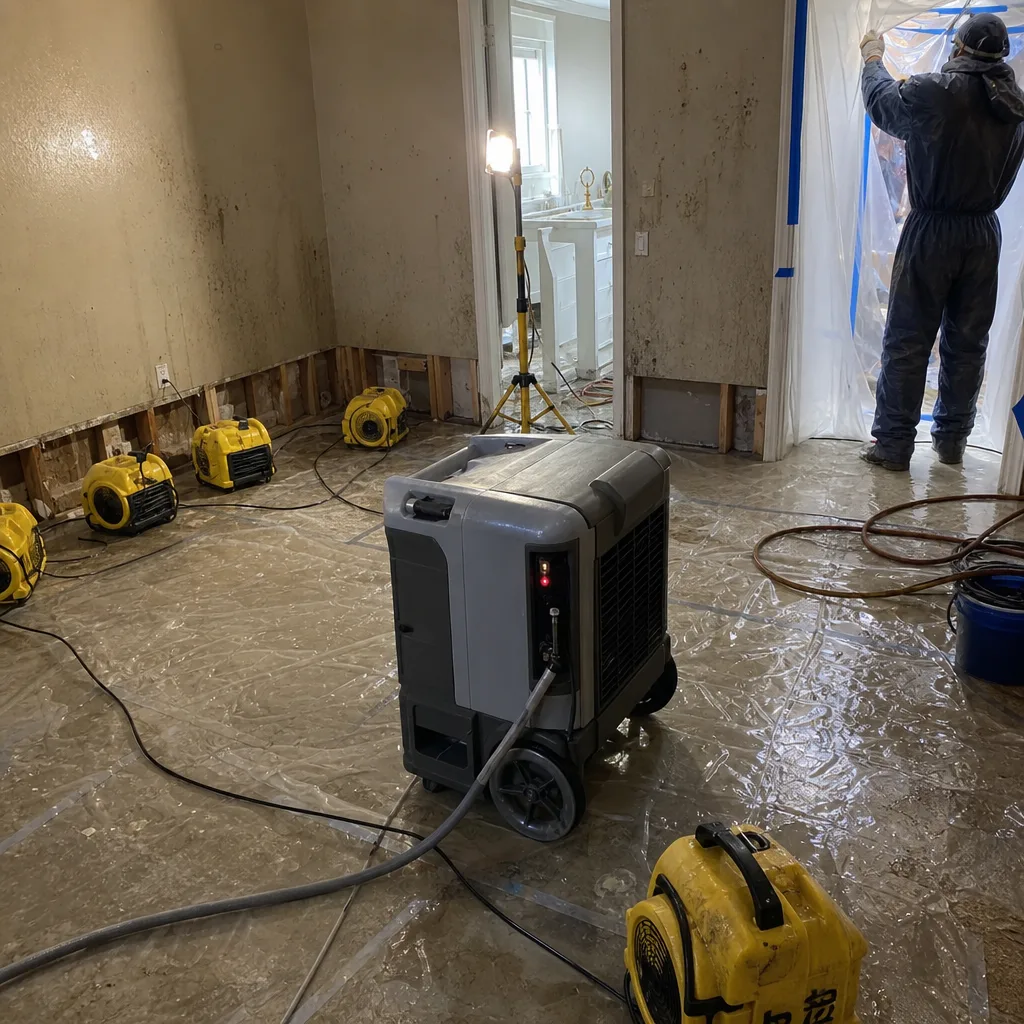
Visible water damage is late-stage damage. By the time you see staining, swelling, or mold, the affected materials have been wet long enough to compromise structure and create conditions for secondary damage. A pinless moisture meter lets you detect drift in wall assemblies while they’re still dry to the touch and intact to the eye.
We recommend a pinless (non-invasive) meter with scale readings to 30% wood moisture equivalent. Units from manufacturers like Delmhorst, Protimeter, or Wagner run $150-350 and last decades. The technique matters more than the brand.
Establishing Your Baseline
- Choose 6-10 reference points in moisture-sensitive locations: bathroom walls adjacent to plumbing, kitchen sink wall, laundry area, exterior walls below windows, and any wall with a history of concern.
- Take readings during a dry period, ideally 48+ hours after rain, with HVAC or heating running normally. Record each reading to the nearest 0.1%.
- In Playa del Rey’s coastal climate, normal interior wall readings typically fall between 8% and 14% wood moisture equivalent. Exterior walls may read 12-16% in humid months. What matters isn’t the absolute number - it’s consistency at that location over time.
- Document each point with a photo showing the meter display and wall location. Store with date in a dedicated folder.
Detecting Drift
Recheck monthly at the same points. A reading that increases by 3% or more from baseline triggers investigation. A reading that increases by 5% or more indicates active moisture intrusion and warrants professional assessment. In our drying logs, we typically find that walls reading 18-20% on a pinless meter contain hidden moisture sufficient to support mold growth, even when the surface appears normal.
Important limitation: pinless meters read approximately 3/4 inch into the material. They won’t detect moisture deeper in the wall cavity. If readings are elevated and you can’t identify a source, invasive testing with pin-type probes or thermal imaging may be necessary. DryMark Restoration Playa del Rey home assessments include thermal imaging and pin-type verification at no charge for suspected hidden moisture.
One Playa del Rey-specific consideration: homes with lath-and-plaster construction (common in pre-1960s builds in the area) give different readings than drywall. Plaster reads higher due to density and residual moisture in the lime. Establish separate baselines for plaster walls, and expect readings 2-4% higher than equivalent drywall.
Documentation Habits That Turn Maintenance Into Claim Evidence
Insurance claims succeed or fail on documentation. As a company founded by a former claims adjuster, we built our entire operation around this reality. The same principle applies to maintenance: what you document before a loss determines what you can recover after one.
California HO-3 policies contain maintenance exclusions that insurers invoke routinely. The standard language excludes damage caused by “continuous or repeated seepage or leakage of water or steam over a period of 14 or more days.” If the insurer can show you knew or should have known about a leak and failed to address it, they deny the claim. Your documentation is your defense.
Here’s the protocol we teach homeowners:
The Annual Photo Archive
- Supply lines: Dated, clear photo of each visible supply line, showing condition of braided jacket, ferrule, and connection. Include the date stamp in frame or filename.
- Appliance hoses: Washing machine, dishwasher, refrigerator icemaker, with visible date and any labeling (manufacturer date code, if present).
- Water heater: Full view showing data plate, anode rod access, T&P valve, and discharge path.
- Roof penetrations: Each penetration from ground level or safe ladder position, showing flashing and sealant condition.
- Exterior envelope: Wide shots of each elevation showing stucco condition, weep screed clearance, and any cracks or repairs.
- HVAC: Condensate line termination, secondary pan, and any visible insulation condition.
The Moisture Log
Spreadsheet or notebook with monthly meter readings by location. Columns: date, location, reading, notes. Any spike triggers an entry explaining investigation and resolution. This log demonstrates proactive monitoring if a later claim is disputed.
The Maintenance Receipt File
Every replacement part, every professional service, every inspection. Organized by system and year. Digital copies backed up to cloud storage. The homeowner who can produce a receipt for a water heater anode rod replaced in 2023 is the homeowner whose insurer can’t claim neglect.
The Pre-Loss Home Inventory
Annual video walkthrough of every room, opening every cabinet and closet, narrating contents. Stored off-site or in cloud. After a major water loss, you’ll be asked to list damaged items from memory. No one can do this accurately under stress. The video is your memory.
Our Water Damage Restoration in Playa del Rey crews document every job with photo records, drying logs, and written scopes to IICRC and RIA standards. We encourage homeowners to apply the same discipline to prevention. The documentation habit that prevents a claim is identical to the documentation habit that wins one.
Maintenance Gaps That Void Coverage Under California HO-3 Policies
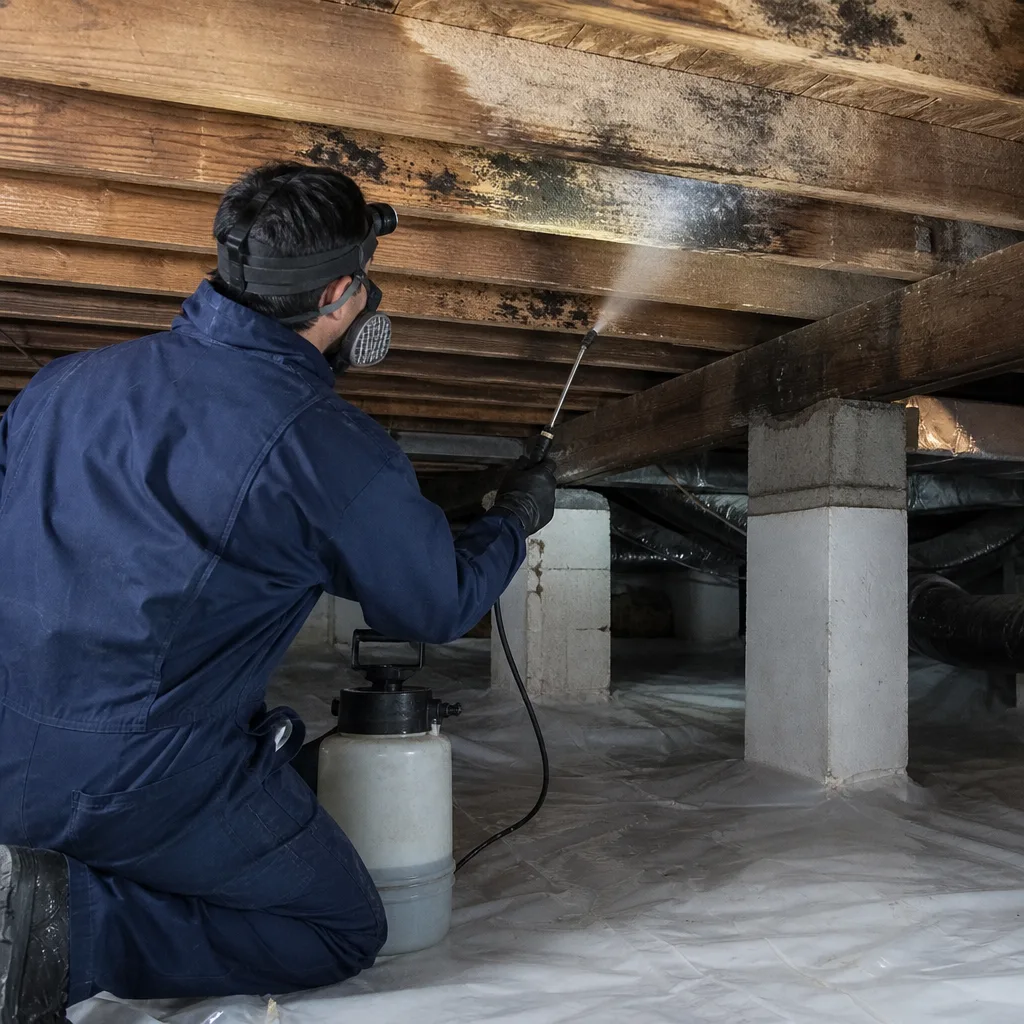
Standard California homeowner policies, including the HO-3 form used by most insurers in Playa del Rey, contain specific maintenance and wear exclusions that adjusters apply aggressively. Understanding these exclusions lets you target your maintenance effort where it protects both your home and your coverage.
The 14-Day Seepage Exclusion
As noted above, damage from water that leaks or seeps for 14+ days is excluded. The clock starts when a reasonable homeowner should have detected the condition. A stained ceiling tile, a soft spot in flooring, a musty odor - any of these can be argued as notice. Your monthly inspection protocol is your defense against this argument.
Foundation and Seepage Exclusions
Water that enters through foundation walls, slabs, or below-grade seepage is typically excluded unless tied to a covered peril like a sudden pipe break. Maintaining positive drainage, functional sump pumps, and sealed foundation penetrations is essential - not just for prevention, but for coverage preservation.
Gradual Deterioration vs. Sudden and Accidental
Insurance covers sudden and accidental discharge. It does not cover damage from gradual deterioration of a known condition. A rusted pipe that finally fails after years of visible corrosion is gradual deterioration. The same pipe that fails suddenly with no warning is covered. Your annual documentation of pipe condition establishes which category applies.
Mold Limitations
Most HO-3 policies cap mold coverage at $10,000 regardless of actual remediation cost, and some exclude mold entirely unless it results from a covered water loss. In Playa del Rey’s climate, mold can develop in 48-72 hours on wet materials. Fast response to any water intrusion - documented in your moisture log - is the only way to keep mold within the covered loss rather than triggering separate, limited coverage.
Vacancy and Seasonal Home Provisions
If your Playa del Rey home is a secondary residence or rental, policy vacancy provisions may require specific maintenance and inspection intervals. Failure to meet these can void coverage entirely. Review your declarations page for vacancy definitions - typically 30-60 consecutive days unoccupied - and comply with any maintenance rider requirements.
The pattern is clear: insurers construct maintenance exclusions and then look for evidence that you failed to maintain. Your checklist, executed and documented, is the rebuttal. Haven Standard, Clause 1 - written price before work begins - applies to restoration work, but the principle of documented commitment applies equally to prevention.
What Proactive Maintenance Costs vs. Reactive Restoration
We can price both sides of this equation because we deliver written scopes for both. Here’s what Playa del Rey homeowners actually spend:
| Maintenance Item | Proactive Cost | Typical Reactive Cost if Failed |
|---|---|---|
| Replace braided supply lines (3 bathrooms + kitchen) | $30-50 parts, 30 minutes labor | $2,500-6,000 water damage restoration; potential mold remediation at $15-25/sq ft |
| Water heater anode rod replacement | $30-50 parts, 1 hour labor | $1,200-2,500 tank replacement; $3,000-8,000 surrounding damage if tank fails |
| Pressure-reducing valve installation | $200-400 installed | Accelerated failure of all fixtures; individual valve replacements at $150-300 each; catastrophic failure of weak joint at $5,000+ |
| Annual roof maintenance and sealant | $300-600 professional; $50-100 DIY materials | $5,000-15,000 interior restoration; potential mold; potential structural if trusses affected |
| Moisture meter and baseline documentation | $150-350 one-time | Undetected moisture damage to structural framing; $10,000-30,000+ remediation |
| Sump pump replacement before failure | $400-800 installed | $5,000-20,000 basement/foundation flooding; potential foundation damage |
| Weep screed clearance and stucco repair | $0-200 DIY; $500-1,500 professional | $8,000-25,000 wall cavity drying, insulation replacement, mold remediation, stucco rebuild |
These are Playa del Rey market ranges based on our 12,000+ jobs since 2011, adjusted for current material and labor costs. They’re not theoretical. They’re what we write on scopes, what insurers review, and what homeowners pay when maintenance fails. See our more guides & resources for additional prevention strategies.
The maintenance investment is not just lower cost. It’s lower disruption. A supply line replacement takes 30 minutes. A water damage restoration takes 3-7 days of active drying, with equipment running continuously, and weeks of reconstruction. The choice is between scheduling maintenance on your terms and responding to failure on water’s terms.
Common Mistakes to Avoid
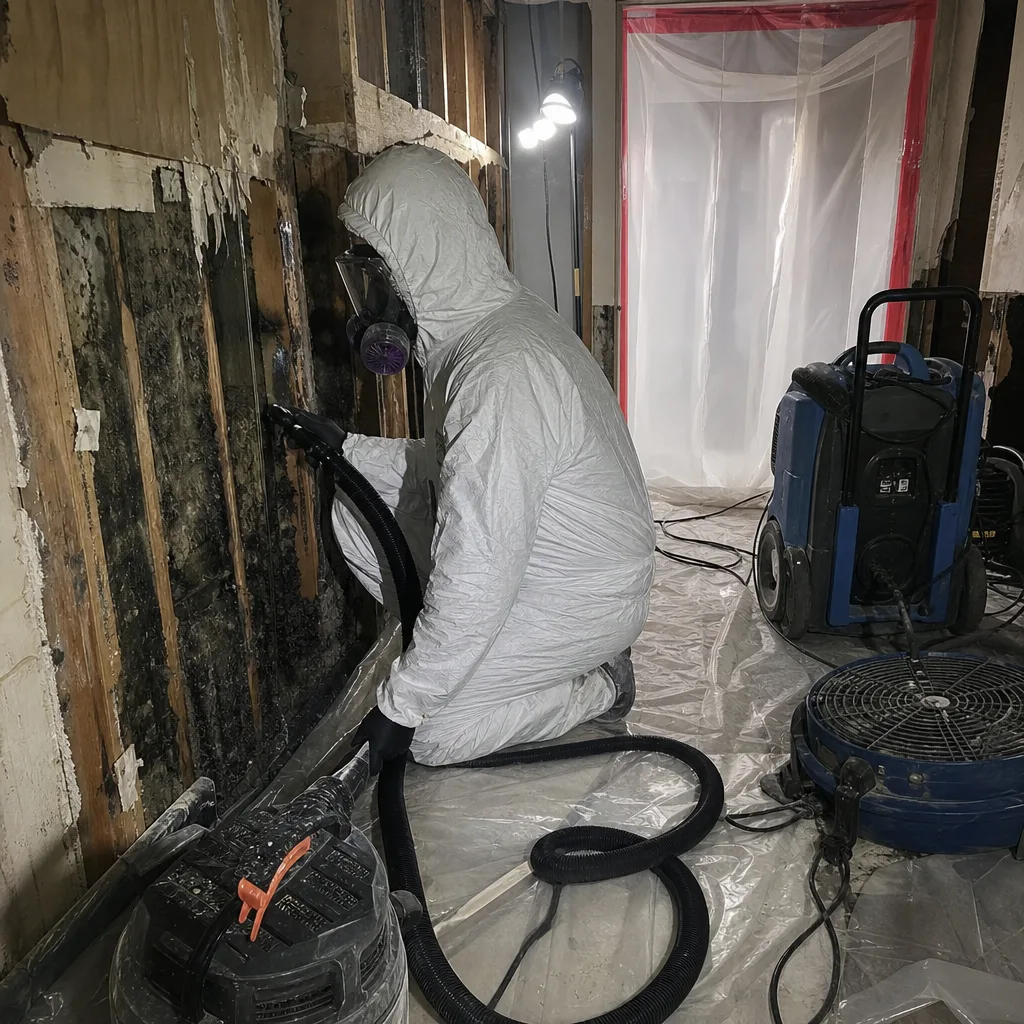
- Assuming “no visible leak” means “no problem.” By the time water is visible, it’s already saturated substrate and created conditions for mold. Playa del Rey’s mild temperatures mean slow leaks evaporate at surfaces while pooling in cavities. Rely on moisture meter drift, not visual inspection alone.
- Using the wrong caulk on exterior penetrations. Silicone caulk is not paintable and degrades poorly under UV; polyurethane is paintable but less flexible. For stucco penetrations in coastal exposure, we recommend high-quality elastomeric sealants specifically rated for stucco and masonry, not generic hardware store caulk. Wrong product fails in 12-18 months in this environment.
- Neglecting the washing machine supply valves. These are the most common source of catastrophic residential flooding we respond to in Playa del Rey. Homeowners inspect under-sink lines religiously but never think about the pressurized connection behind a 200-pound appliance. The valve is inaccessible, so it’s ignored until it fails spectacularly.
- Documenting poorly or not at all. A photo with no date, a receipt with no description, a verbal agreement with a contractor - none of this survives an adjuster’s scrutiny. Documentation must be dated, specific, and organized to support a claim.
- Waiting for the “annual” check to investigate a concern. If your moisture meter shows drift, or you smell mustiness, or a valve feels wrong - investigate now. The 14-day seepage exclusion doesn’t wait for your scheduled maintenance. Document the concern and your response.
- Assuming new construction doesn’t need maintenance. Playa del Rey has seen significant new construction and renovation in the past decade. New fittings fail from manufacturing defects. New stucco cracks from settlement. New caulk cures poorly in humid conditions. We respond to water damage in homes under five years old regularly. Age is not protection.
- Ignoring the irrigation system. Underground leaks in irrigation lines can saturate foundation perimeters for weeks without surface indication. Annual pressure testing of irrigation zones, or at minimum observation of meter movement when all fixtures are off, catches these before they undermine foundations.
When to Call a Professional
Some conditions exceed homeowner maintenance and require professional assessment or intervention. Call for evaluation when:
- Moisture meter readings exceed 18% wood moisture equivalent or show 5%+ drift from baseline
- You observe efflorescence, pattern cracking, or soft spots in any wall or floor
- Any pressurized connection shows active weeping, spraying, or corrosion that you’re not comfortable replacing yourself
- Your water bill shows unexplained increase indicating hidden leak
- You detect musty odor without visible source
- Post-storm inspection reveals roof damage, gutter failure, or drainage compromise
- Your insurer requests professional documentation of maintenance or condition
DryMark Restoration Playa del Rey offers free estimates in Playa del Rey for any water damage concern. Our assessments include thermal imaging, pin-type moisture verification, and a written scope with pricing before any work begins - Haven Standard, Clause 1. If you have a competitor’s estimate, we’ll review it at no charge through our Free Second Opinion program. Call (424) 351-9295 to schedule.
Frequently Asked Questions
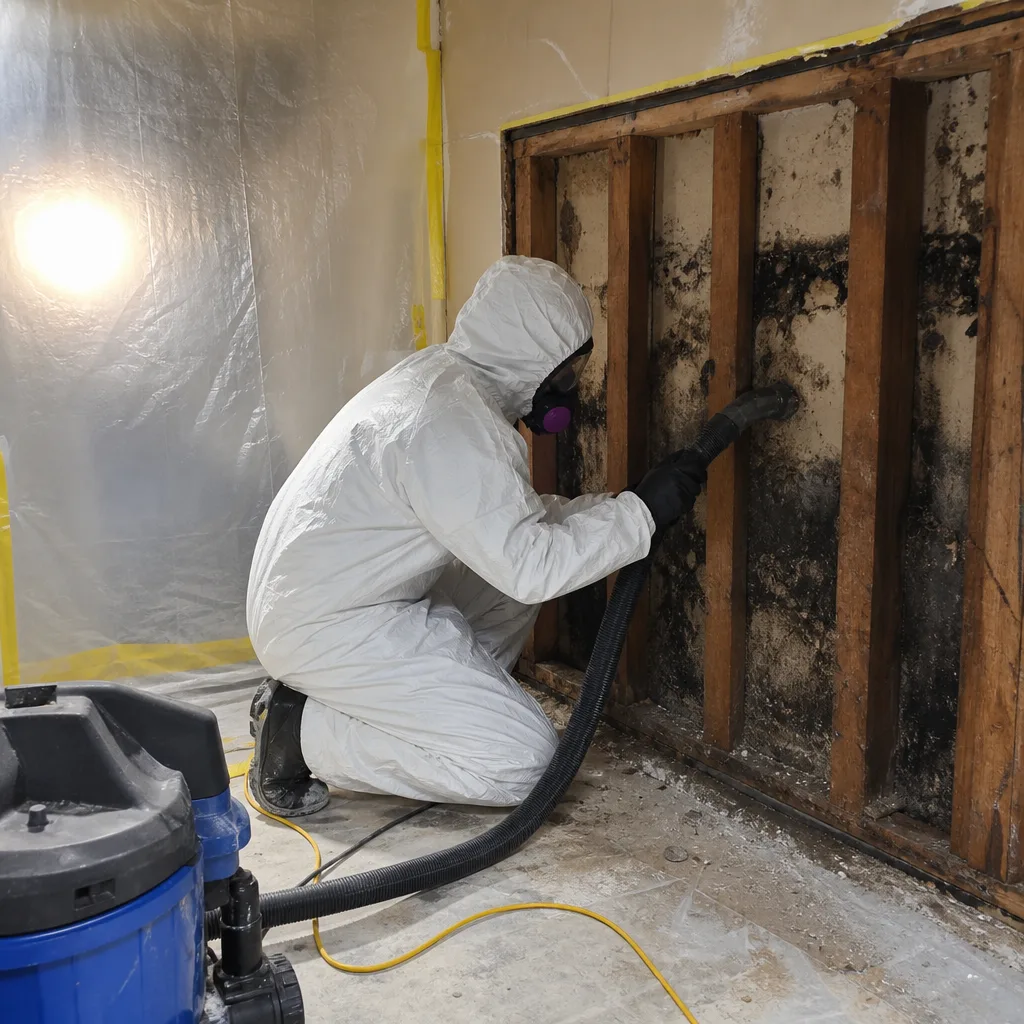
Reputable restoration companies typically offer initial moisture assessments at no charge, with the understanding that you’ll receive a written scope if damage is found. At DryMark Restoration Playa del Rey, our assessments include thermal imaging, pinless and pin-type moisture readings, and a documented photo record - all provided with a written price before any work begins. Call (424) 351-9295 for an exact quote on your situation; estimates are free.
It depends on the specific maintenance gap and policy language. California HO-3 policies exclude damage from continuous seepage over 14+ days and from gradual deterioration of known conditions. However, sudden and accidental discharge is covered even in imperfectly maintained homes. The critical factor is whether you can demonstrate reasonable care - documented maintenance is your best defense against a denial. If your claim is disputed, our documentation standards and direct adjuster coordination can help. Call (424) 351-9295 to discuss your situation.
For active water intrusion, DryMark Restoration Playa del Rey provides 24-hour live phone coverage with no voicemail trees, and we dispatch for emergencies without waiting for business hours. Drying equipment from Dri-Eaz, Phoenix, and Injectidry can be on-site within hours for active losses. However, we never promise speed for reconstruction work - that is scoped, scheduled, and priced in writing like any remodel, with a written scope agreed before work starts. For emergency mitigation, call (424) 351-9295.
Visible water is rarely the complete problem. Water migrates horizontally in wall cavities, wicks upward in drywall, and pools in subfloors - all areas you can’t access with household equipment. Professional restoration uses psychrometric data (temperature, humidity, vapor pressure) to calculate drying requirements and deploys equipment sized to the specific moisture load. Without this, you risk structural damage and mold growth that becomes far more expensive. Our assessments are free and include a written scope, so you can make an informed decision. Call (424) 351-9295.
Three factors: salt-laden air accelerates corrosion of brass, zinc, and steel fittings by 30-50% compared to inland rates; higher ambient humidity slows natural drying of incidental moisture, extending the window for mold development; and marine layer condensation creates repeated wet-dry cycling on exterior materials that fatigues sealants and coatings faster than thermal cycling alone. These mechanics don’t appear in generic maintenance advice, which is why coastal homeowners need shorter inspection intervals and specific material selections.
At DryMark Restoration Playa del Rey, we coordinate directly with your adjuster as part of our standard service. Our documentation - daily drying logs, photo records, written scopes, and moisture readings to IICRC and RIA standards - is formatted specifically for claims review. We don’t ask you to be the intermediary. This documentation-first approach, born from our founder’s background as a claims adjuster, is why our invoices typically process without dispute. Call (424) 351-9295 and we’ll explain how we handle adjuster coordination on your specific policy.
Water damage restoration addresses the moisture source and dries affected materials to established standards, typically targeting 12-16% wood moisture equivalent. Mold remediation addresses fungal growth that has already established, requiring containment, air filtration, and removal of contaminated materials according to IICRC S520 standards. The same water loss can require both: restoration for the moisture, remediation for mold that developed during delayed response. Fast water damage response - within 24-48 hours - often prevents mold entirely. If you suspect mold, Mold Remediation in Playa del Rey assessments are available through our team.
The Bottom Line
Water damage prevention in Playa del Rey is not about expensive equipment or professional inspections you can’t afford. It’s about disciplined intervals - monthly, quarterly, annual - with measurable pass-fail criteria, executed with tools that cost less than a single service call. The $30 moisture meter, the $8 supply line, the 15-minute photo documentation habit: these are the interventions that prevent the $15,000 restoration and the coverage dispute that follows. Coastal exposure creates specific, accelerated failure modes that generic advice ignores. Address them specifically, document everything, and you’ll have done more than protect your home. You’ll have built the evidence that protects your claim if protection ever fails.
Written by Alicia Brennan, Owner at DryMark Restoration Playa del Rey, serving Playa del Rey since 2011.