
Last updated September 23, 2026
Free visual inspection and a written scope of work before any mitigation begins - photos, moisture readings, and drying logs go in your claim file
The scope we write is the scope we bill. Anything new gets shown to you, in writing, before we touch it.
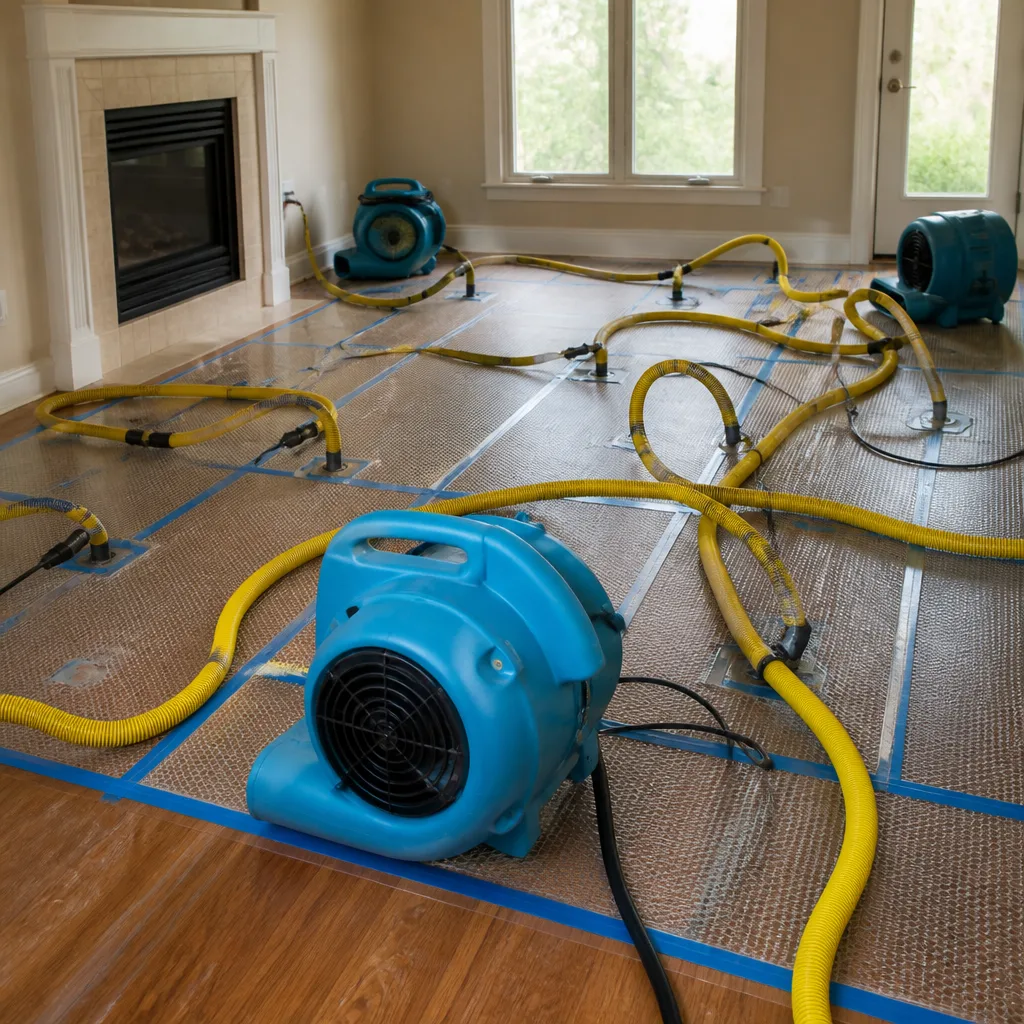
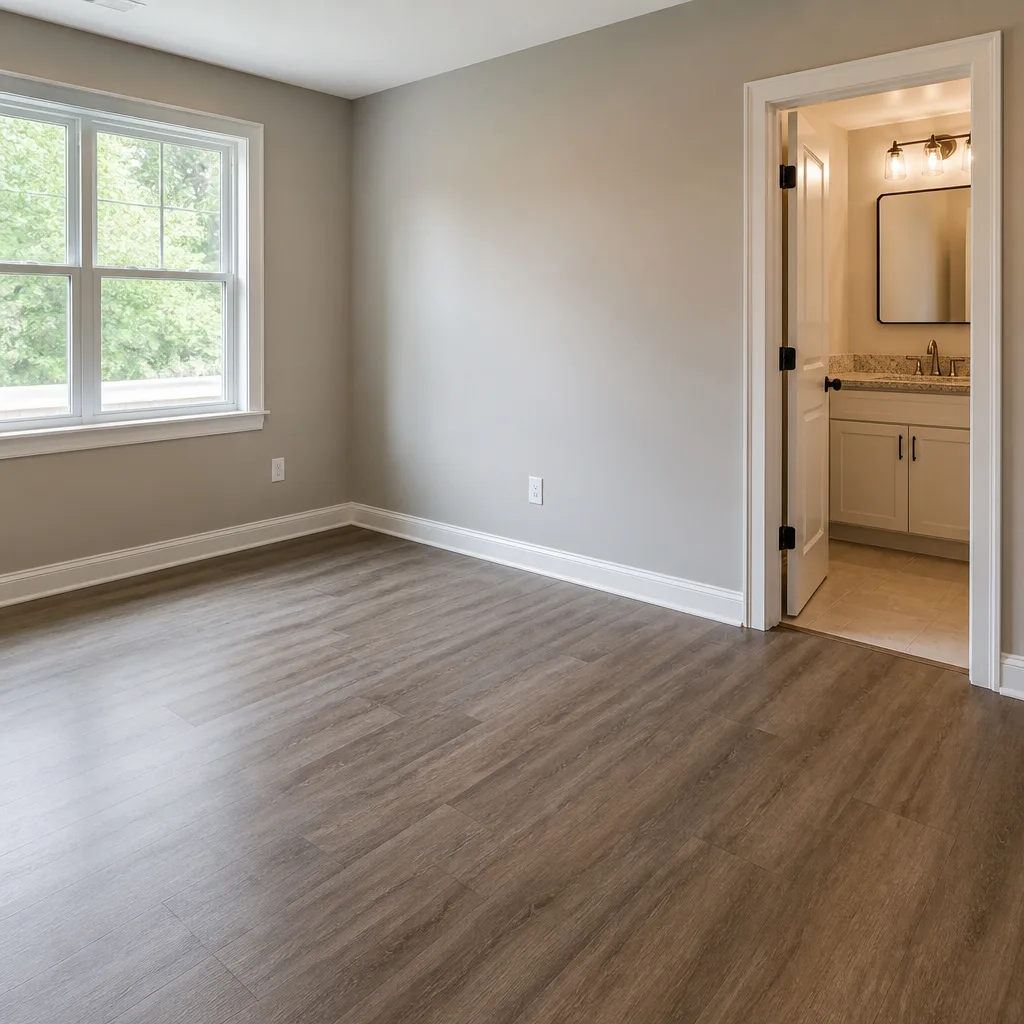
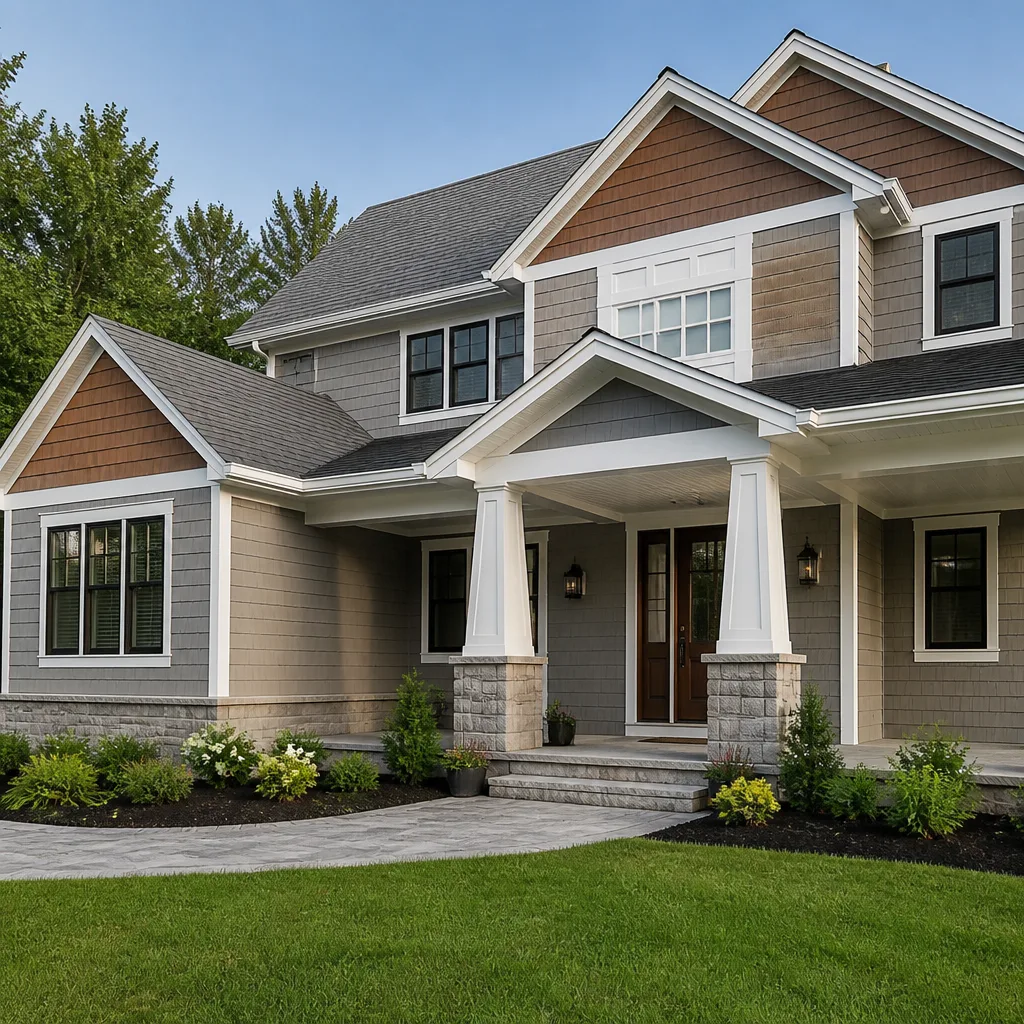
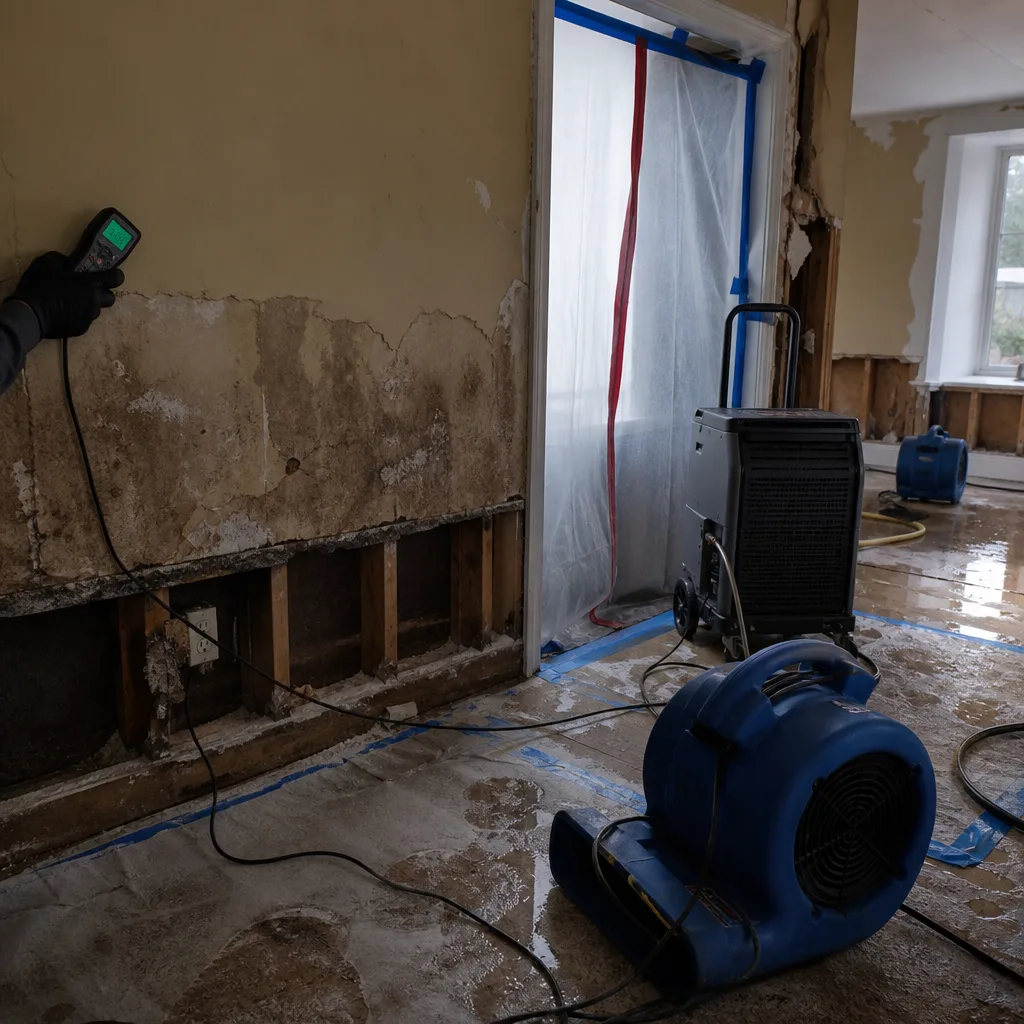 Before
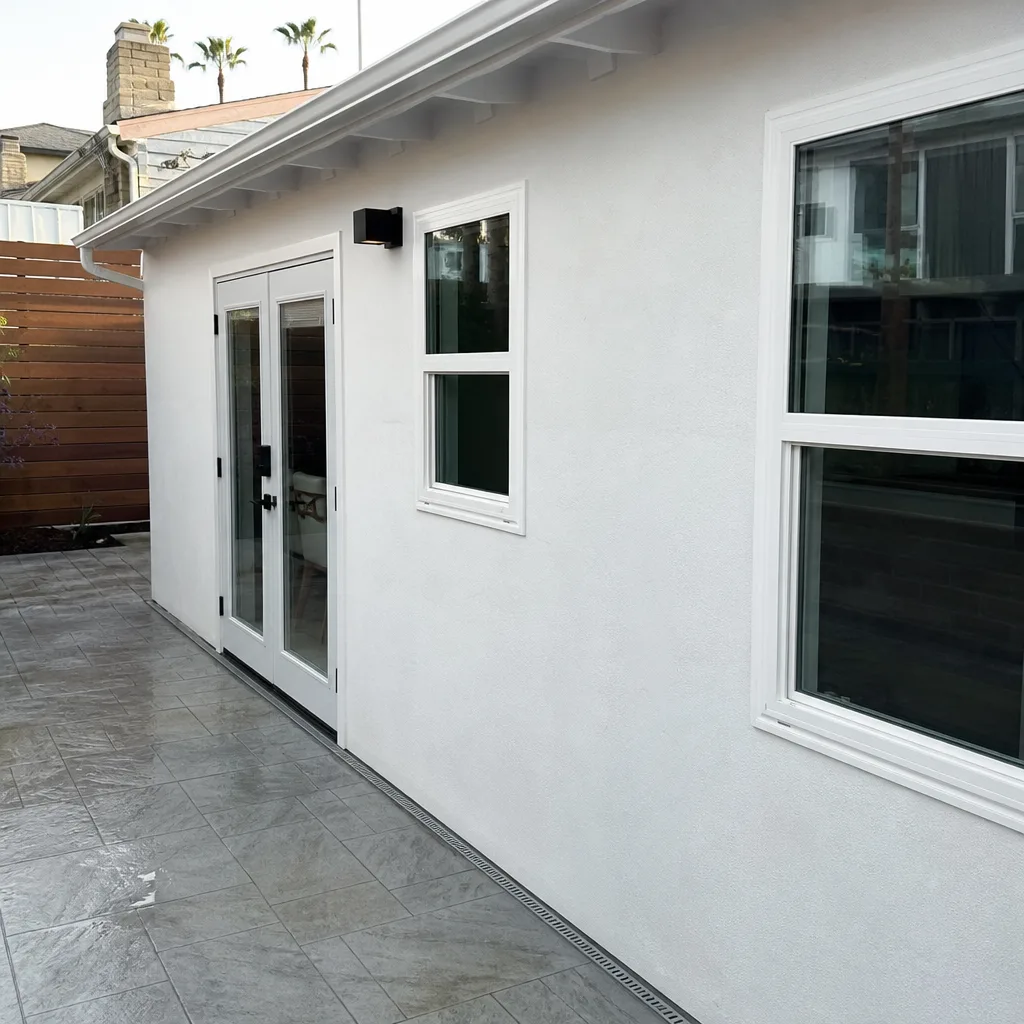 After
After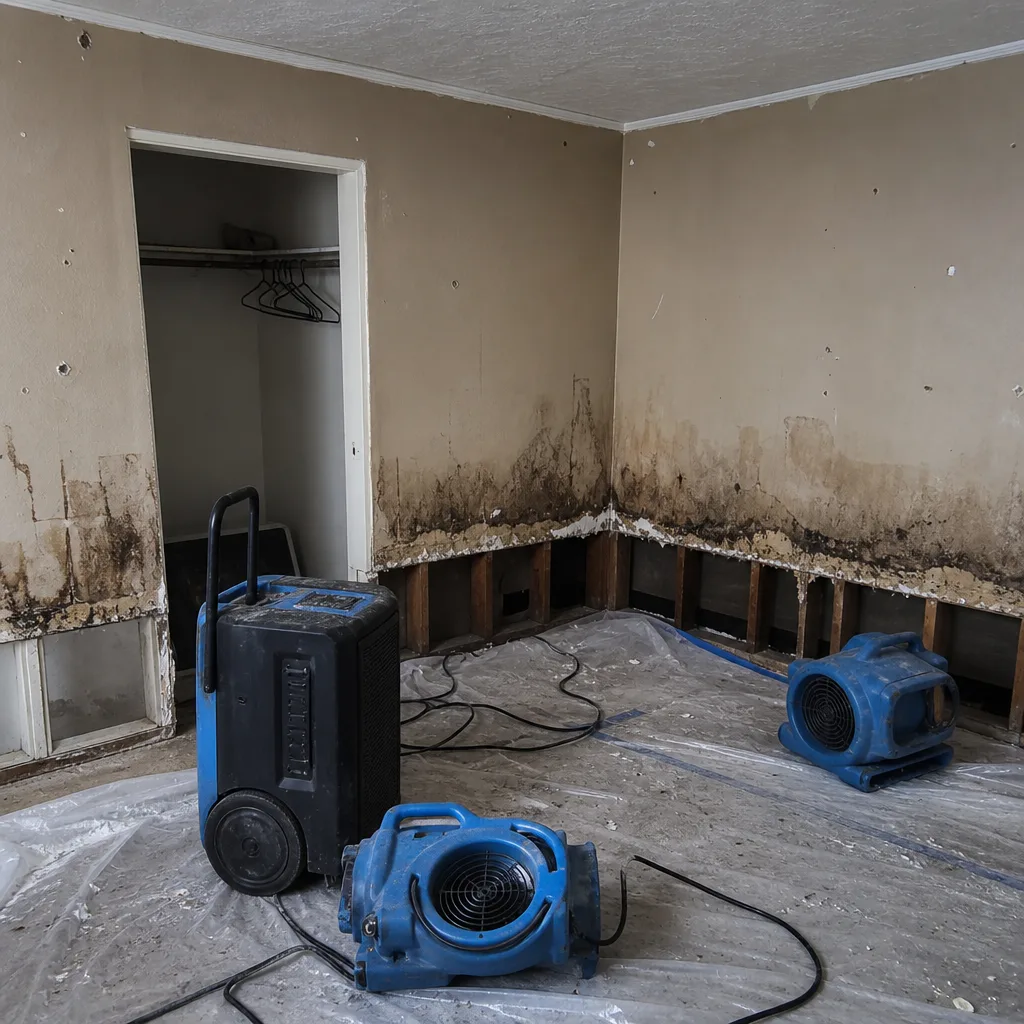 Before
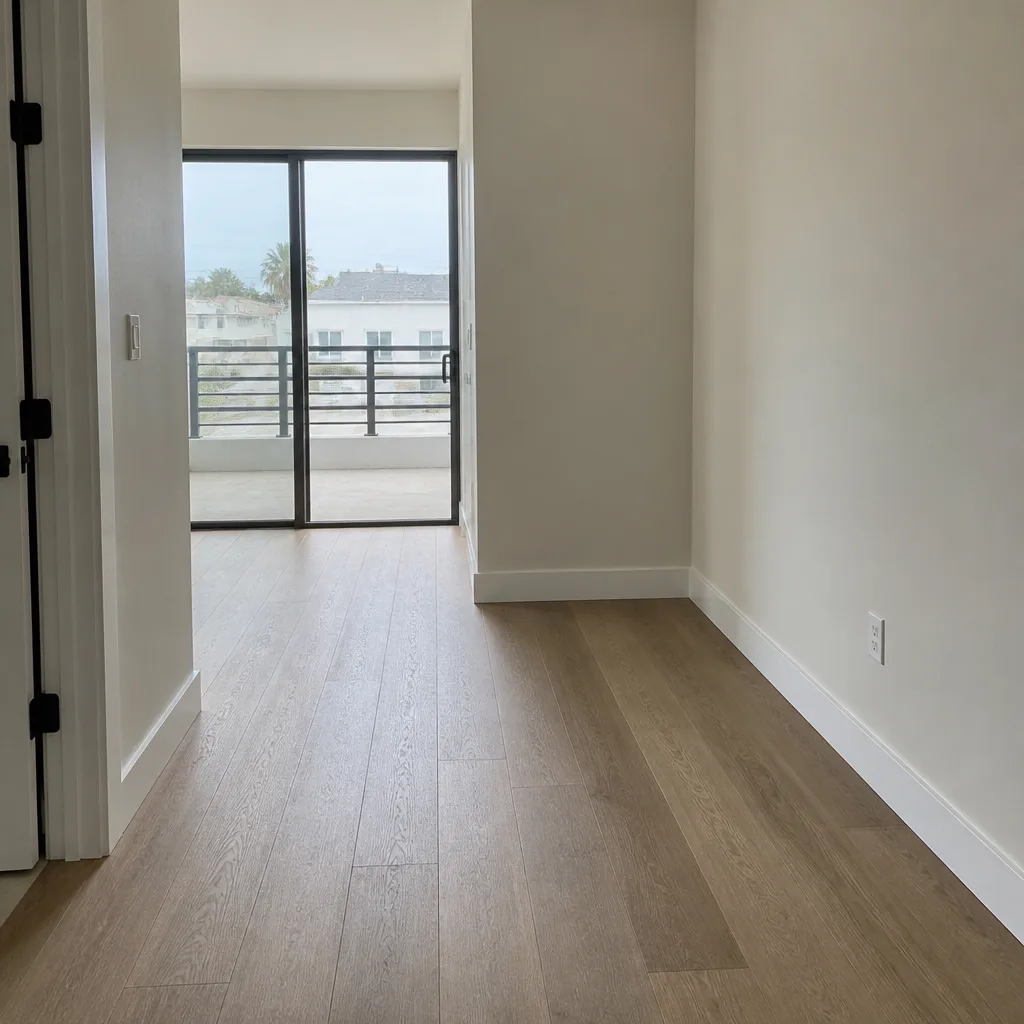 After
After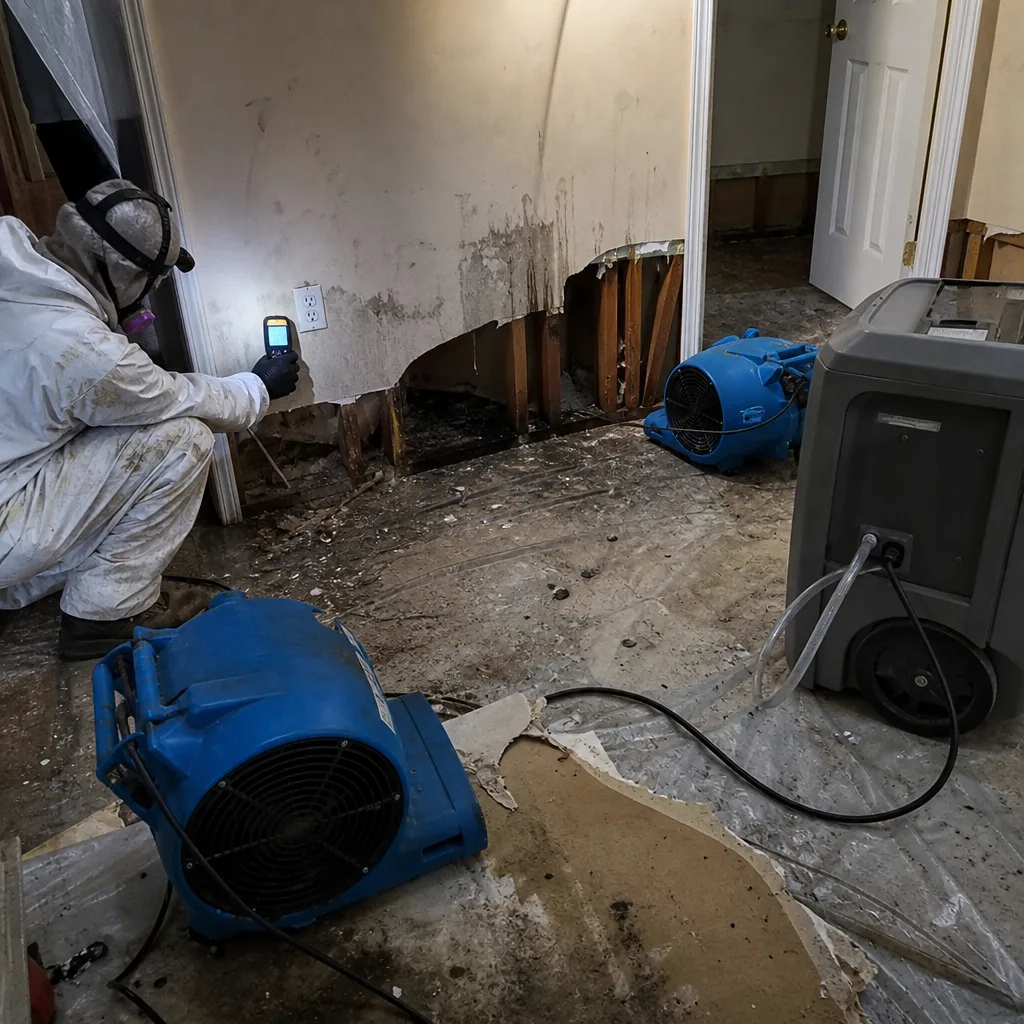 Before
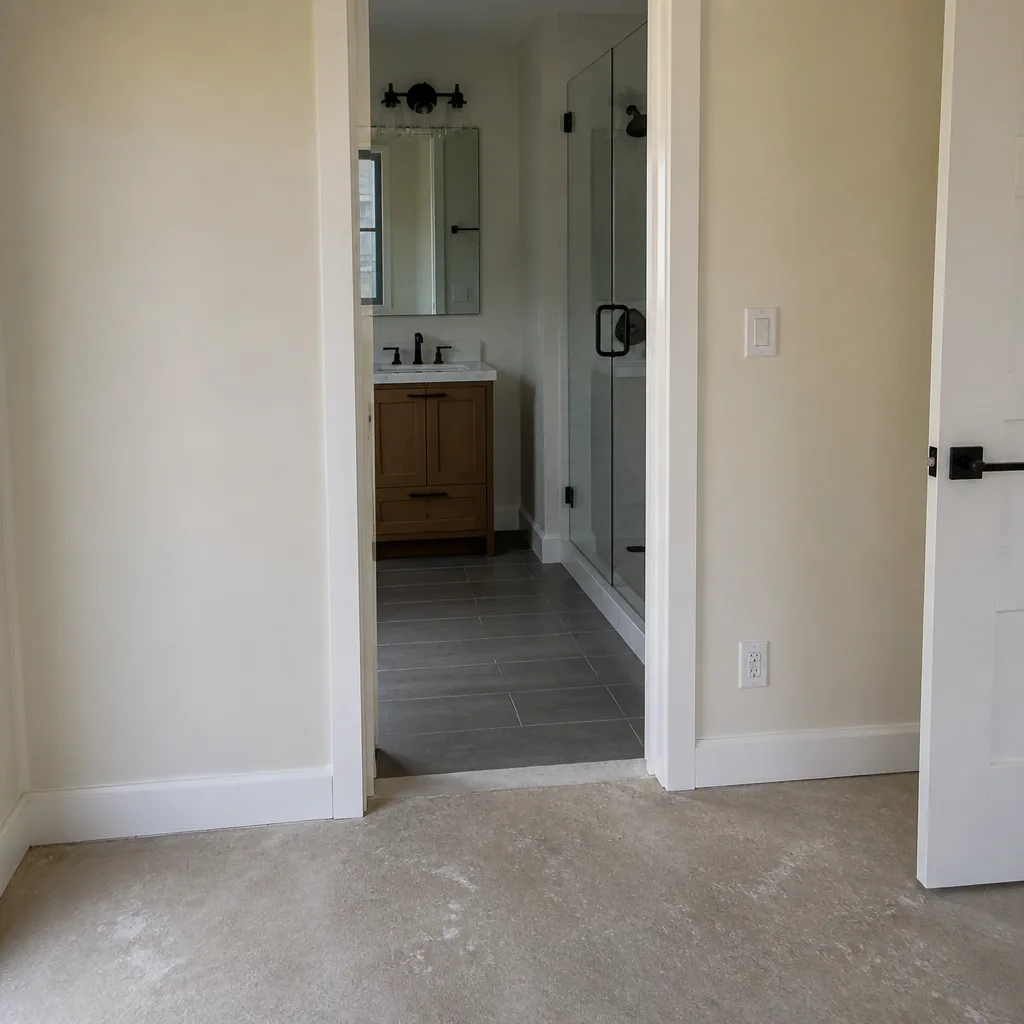 After
AfterDamage Restoration Permits, Codes & Inspections in CA: What You Need to Know
A Playa del Rey homeowner who accepts a completed restoration job without pulling a building permit for structural repairs may be insured for the original damage and fully uninsured for the contractor’s rebuild. Unpermitted work can void the dwelling coverage on a standard California HO policy, leaving you exposed when a future buyer’s inspector finds it or a neighbor’s claim traces back to your property. Since 2011, we’ve documented 12,000+ restoration jobs, and the ones that create the most expensive surprises are rarely the water loss itself. They’re the permit gaps hidden inside walls that were closed without inspection. This guide maps exactly which restoration tasks cross the permit threshold in Los Angeles County, how to verify compliance, and what happens when contractors skip it.
Quick Answer
Most water extraction, drying, and antimicrobial treatment in California does not require a permit. But any restoration work that touches electrical systems, load-bearing structures, plumbing rough-in, or HVAC reconnection triggers mandatory permitting and inspection in both the City of Los Angeles and unincorporated LA County. Playa del Rey falls under City of LA jurisdiction, so LADBS rules apply, not county codes. Permits pulled after work is completed cost 2-3x more and may require destructive re-exposure of finished work for inspector access.
Table of Contents
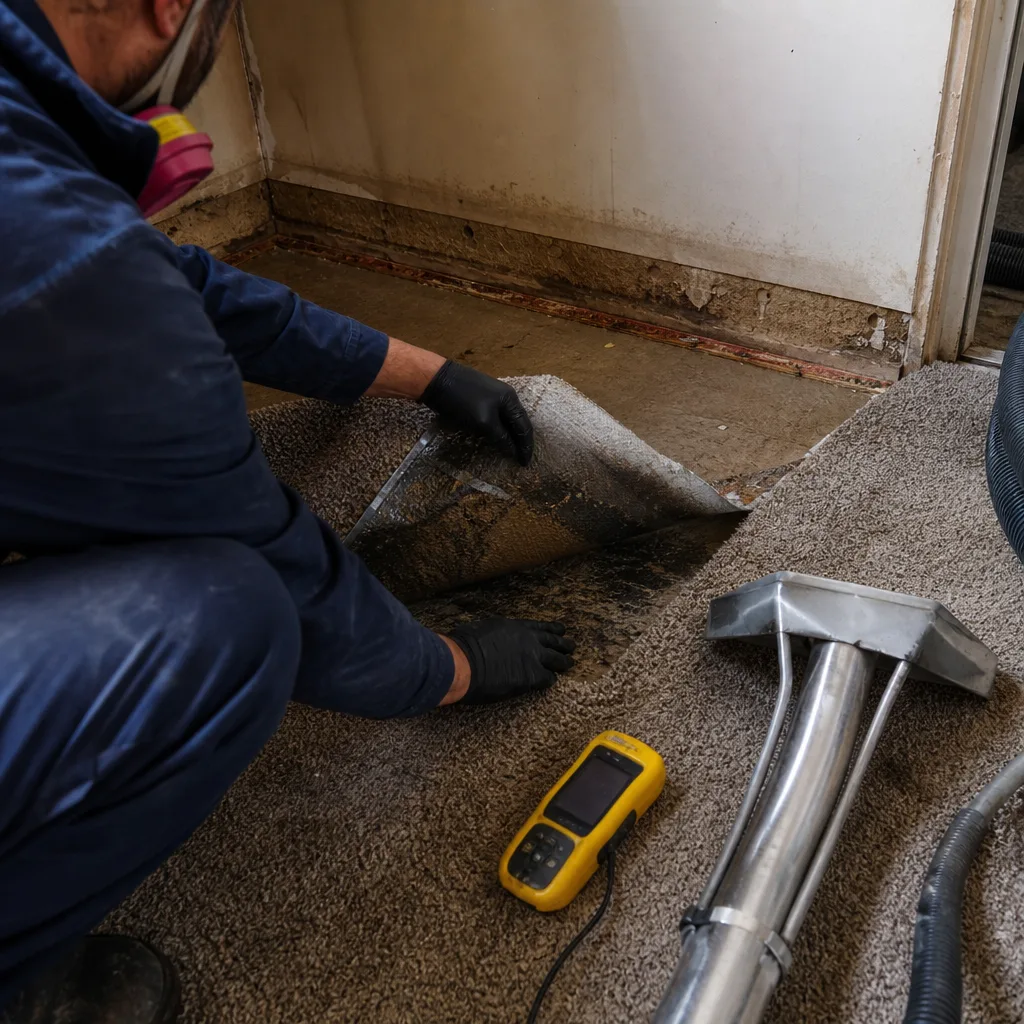
- What Restoration Work Actually Requires a Permit in LA
- City of LA vs. Unincorporated LA County: Why Playa del Rey Matters
- Permit-Exempt Restoration Tasks: What You Can Do Without Paperwork
- How to Verify a Permit Was Actually Pulled and Inspected
- California Health and Safety Code: Disclosure Obligations When Selling
- Timeline and Cost: Pulling Permits Mid-Job vs. After Completion
- How Unpermitted Work Can Void Your Insurance Coverage
- The Documentation Gap: Why Restoration Contractors Skip Permits
 Before
 After
AfterWhat Restoration Work Actually Requires a Permit in LA
California building codes draw a sharp line between emergency mitigation and structural reconstruction. The line matters because it determines whether your restoration invoice includes permit fees and inspection holds, or whether your contractor is gambling with your long-term liability.
Permit-required work in the City of Los Angeles includes:
- Electrical panel replacement or circuit relocation after fire or water damage
- Load-bearing wall removal or modification during mold remediation or reconstruction
- Plumbing rough-in for relocated fixtures after sewage backup or flooding
- HVAC duct replacement or reconnection following fire suppression or water intrusion
- Window or door frame structural modification, including enlargement for egress requirements
- Roof deck repair exceeding 100 square feet or involving structural members
- Foundation or slab work, including post-flood mud jacking or pier replacement
Work that typically does NOT require a permit includes:
- Water extraction and structural drying using professional-grade equipment (Dri-Eaz, Phoenix, XPOWER, B-Air, Injectidry systems)
- Non-structural demolition of wet drywall, insulation, or flooring to access drying cavities
- Antimicrobial application to non-porous surfaces during mold remediation
- Content pack-out, cleaning, and storage
- Odor treatment using hydroxyl generators or ozone (when not permanently installed)
- Cosmetic finishes applied over already-permitted and inspected substrate
The critical trigger is permanence. If a restoration task creates a permanent change to the building’s structure, electrical, plumbing, or mechanical systems, it requires LADBS review. A contractor who runs new Romex through a flood-damaged wall without a permit has left you with uninsurable electrical work, even if the drying itself was flawless.
In our experience, the most common permit gap in Playa del Rey occurs during water damage restoration jobs where saturated drywall removal exposes damaged electrical outlets. The mitigation crew replaces the outlets to continue drying, then closes the wall. That outlet replacement required an electrical permit. Without it, the work exists in a legal gray zone that surfaces during resale or insurance renewal.
City of LA vs. Unincorporated LA County: Why Playa del Rey Matters
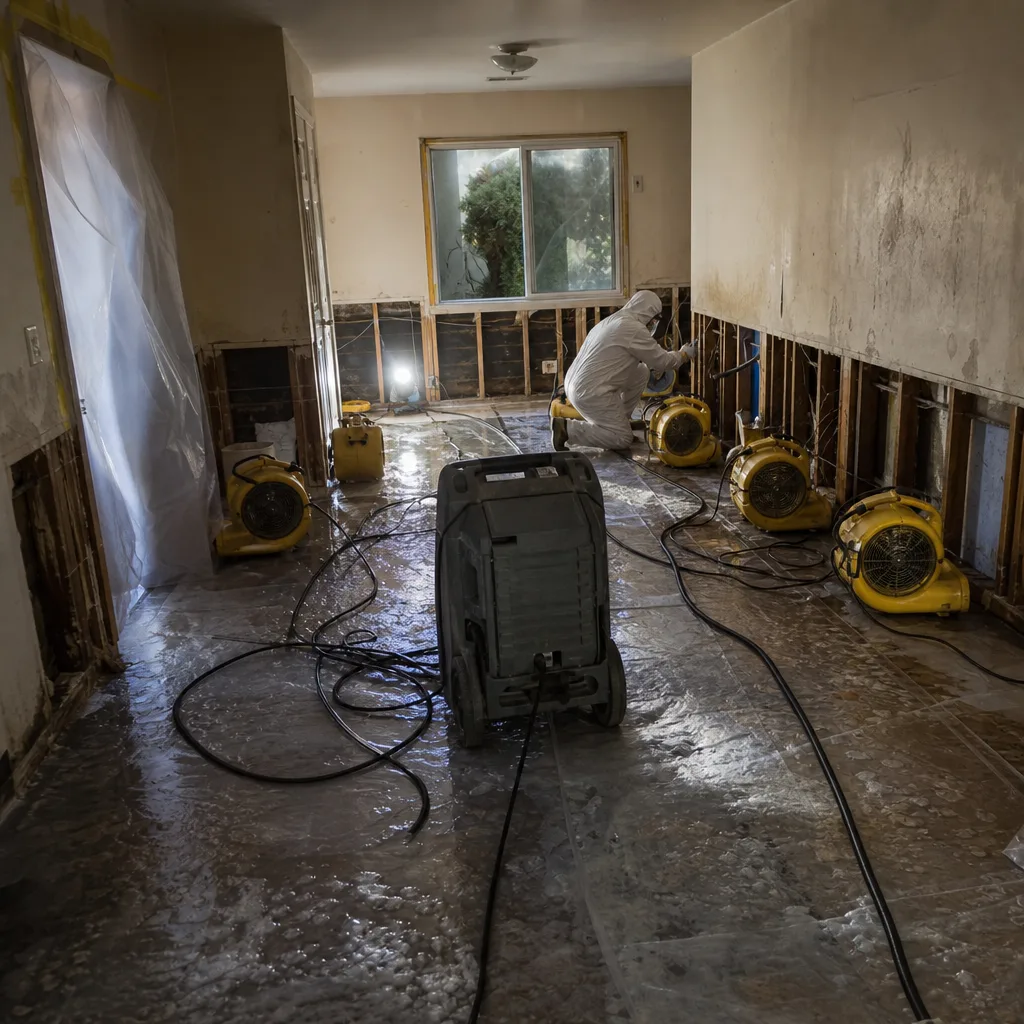
Playa del Rey sits within the incorporated boundaries of the City of Los Angeles, not unincorporated LA County. This distinction determines which building department has jurisdiction, which fee schedule applies, and which inspector signs off on your job.
City of Los Angeles (LADBS):
- Primary jurisdiction for Playa del Rey, Venice, Mar Vista, and all coastal neighborhoods west of Lincoln Boulevard
- Permit applications submitted through the LADBS online portal or in-person at the Metro or West LA offices
- Inspection scheduling through the 311 system or LADBS automated line
- Specific amendments to California Building Code, including stricter coastal zone requirements for flood-prone areas
- Expedited plan check available for emergency repairs with documented hazard (additional fee, 24-48 hour turnaround)
Unincorporated LA County:
- Governs areas like Marina del Rey (unincorporated pocket surrounded by City of LA territory)
- Different fee structure, typically lower for residential permits but with longer inspection lead times
- Separate portal: LA County Department of Regional Planning / Building and Safety
- Different flood zone classifications under FIRM maps, affecting elevation and reconstruction requirements
The jurisdictional boundary runs irregularly through this area. A property on the west side of Culver Boulevard may be City of LA; one on the east side, unincorporated County. We’ve arrived at jobs in Playa del Rey where the homeowner assumed County rules applied, only to learn LADBS had jurisdiction and the contractor had filed in the wrong system. The permit was invalid, the inspection never happened, and the work had to be re-documented.
Before any permitted restoration work begins, verify jurisdiction through the DryMark Restoration Playa del Rey home office or directly through LADBS property lookup. The address search at ladbs.org returns the governing authority, applicable zone codes, and any special overlay districts (coastal zone, hillside, etc.) that trigger additional review.
Permit-Exempt Restoration Tasks: What You Can Do Without Paperwork
Not every phase of restoration triggers bureaucracy. Understanding the exempt categories helps you evaluate whether a contractor’s permit quote is legitimate or padded, and it clarifies where documentation standards like IICRC and RIA protocols matter more than building code compliance.
Emergency mitigation: fully exempt
Water extraction, dehumidification, and air movement using portable equipment falls outside LADBS permitting. This is the core of our water damage restoration service in Playa del Rey. We deploy Dri-Eaz and Phoenix dehumidifiers, B-Air air movers, and Injectidry cavity drying systems without permit delay because these are temporary, reversible interventions. The equipment leaves when drying goals are met. No permanent change to the building occurs.
Psychrometric data - the temperature, relative humidity, and vapor pressure differential readings we log daily - serves as the documentation standard. These numbers prove drying progress to insurers and satisfy IICRC S500 requirements. They do not, however, substitute for building permits when the mitigation phase transitions to reconstruction.
Demolition: conditionally exempt
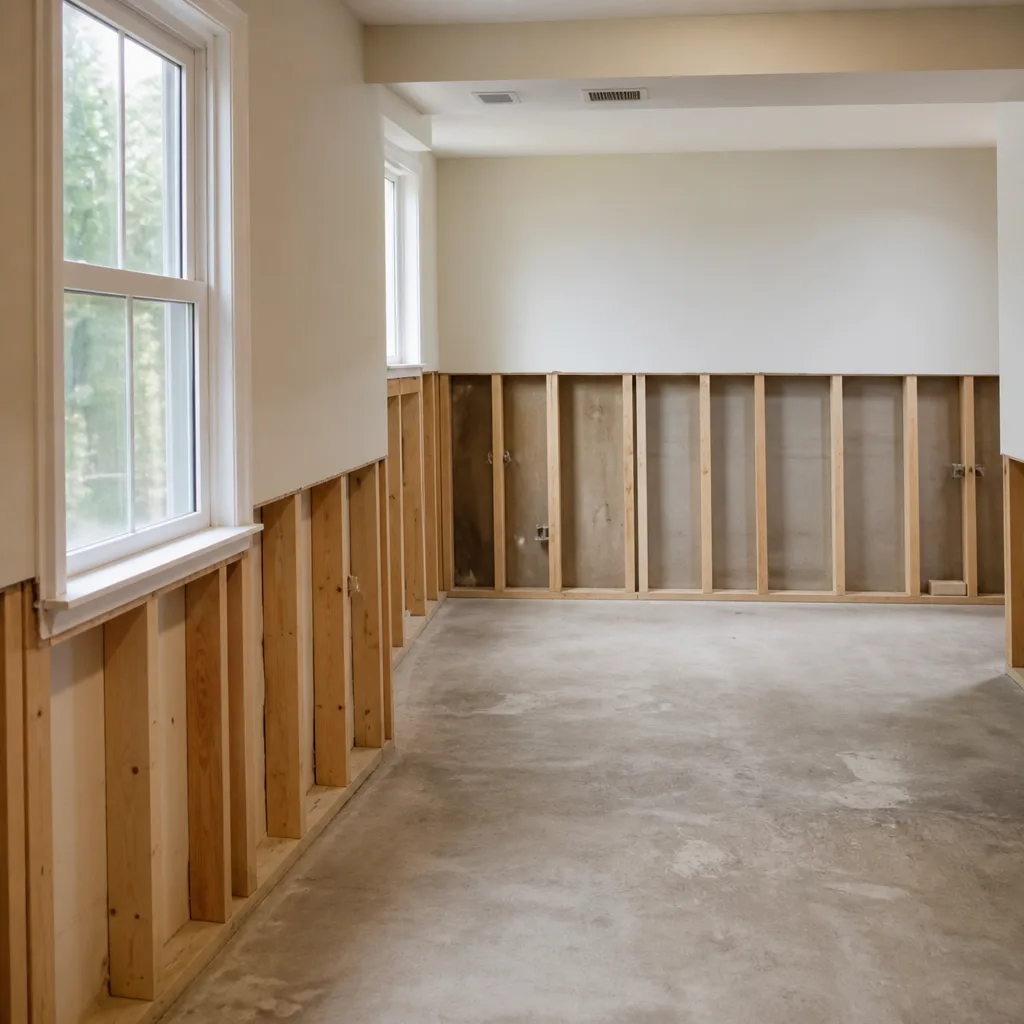
Removing wet or contaminated materials to facilitate drying or mold remediation does not require a permit if no structural members are cut and no load paths are altered. Removing 12 inches of drywall from the floor up to create a flood cut? Exempt. Removing a load-bearing shear wall to access mold in a crawl space? Permit required.
Antimicrobial treatment: exempt with qualifications
Surface application of EPA-registered antimicrobials during mold remediation is permit-exempt. But if the remediation requires structural modification - removing and replacing rotted framing, for instance - the replacement work triggers permit requirements even though the mold treatment itself does not.
Content restoration: exempt
Pack-out, cleaning, storage, and return of household contents operates entirely outside building permit jurisdiction. This is relevant for fire & smoke damage restoration jobs in Playa del Rey, where content volume can exceed structural damage scope. The documentation standard here is itemized inventory with photo condition reports, not LADBS inspection.
How to Verify a Permit Was Actually Pulled and Inspected
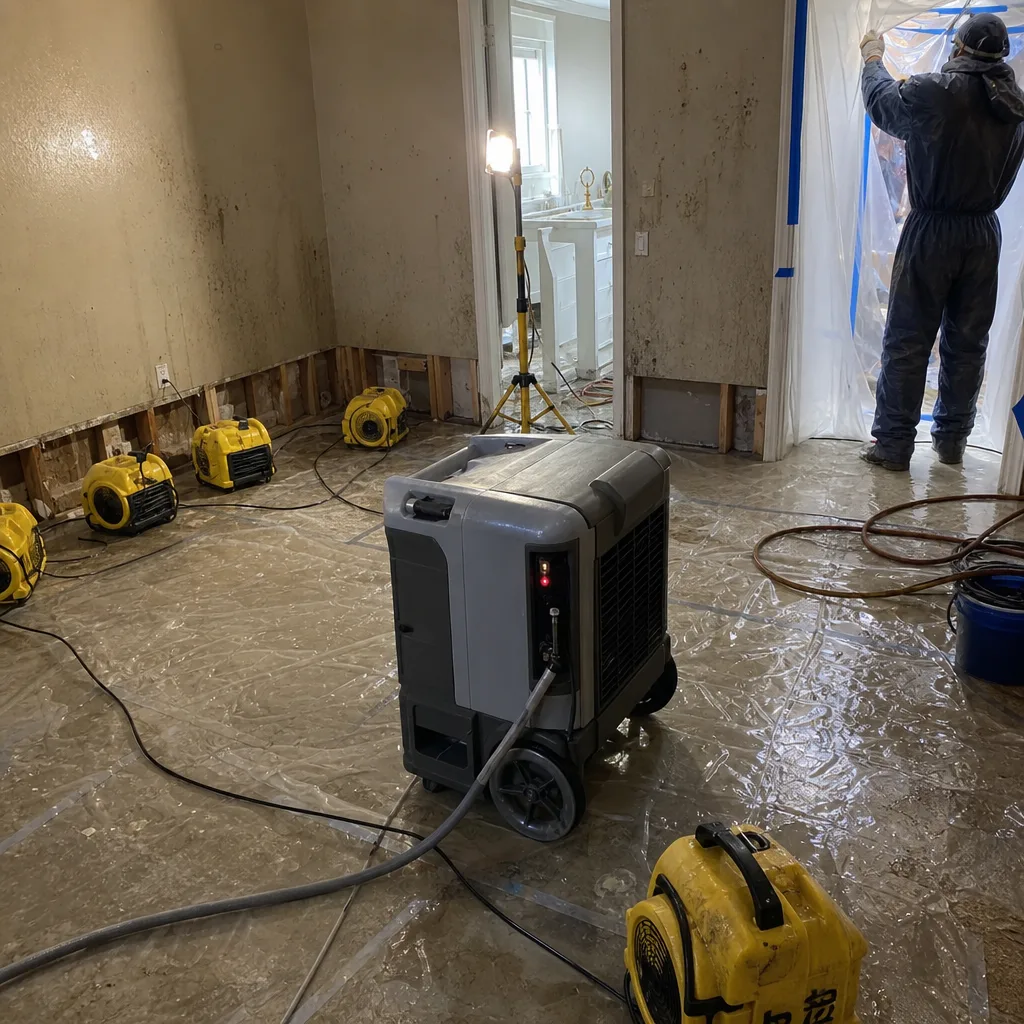
A permit application is not a permit. A permit is not an inspection. An inspection is not a final sign-off. Each step has a distinct status in public records, and contractors who claim permits are “handled” often mean only that an application was submitted.
Step 1: Obtain the permit number
Your contractor must provide this. Under Haven Standard, Clause 1, our written price before work begins includes line-item permit fees with the LADBS application number referenced. If a contractor cannot produce a permit number, no permit exists.
Step 2: Check LADBS online
- Navigate to ladbs.org and select “Permit / Case Status Search”
- Enter the permit number or property address
- Review the status field: “Application Submitted,” “Plan Check in Progress,” “Issued,” “Inspection Scheduled,” “Final Approved”
- Verify the scope of work listed matches your job description
- Check that the contractor’s license number (displayed on the permit) is active and matches the entity doing the work
Step 3: Verify inspection completion
Each trade inspection (framing, electrical, plumbing, mechanical) generates a separate inspection record. The LADBS portal shows inspection dates, inspector names, and disposition: “Approved,” “Approved with Corrections,” or “Rejected.” A permit with no inspection history is a permit that has not protected you. A permit with rejected inspections and no correction follow-up is functionally equivalent to no permit.
Step 4: Request the Certificate of Occupancy or Completion
For substantial reconstruction, LADBS issues a Certificate of Occupancy or Completion after final inspection. This document is required for insurance policy renewal in some carriers and for mortgage refinancing. We include CO/Completion status in our project closeout documentation package, along with the photo record and drying logs.
In Playa del Rey, we’ve encountered cases where contractors pulled permits for the mitigation phase (unnecessary) but skipped permits for the reconstruction phase (legally required). The homeowner had a tidy folder of irrelevant paperwork and a structurally modified kitchen with no inspection history. The LADBS portal exposed the gap in under two minutes.
California Health and Safety Code: Disclosure Obligations When Selling
California Civil Code Section 1102 requires sellers to disclose material facts affecting property value or desirability. Water damage history and mold remediation are explicitly material. The disclosure form (Transfer Disclosure Statement, TDS) asks directly about flooding, water intrusion, and mold.
What permit records prove:
- That remediation was performed to code, not concealed
- That structural repairs were inspected and approved
- That electrical or plumbing modifications were performed by licensed contractors under supervision
- The date and scope of work, preventing disputes about whether damage predated ownership
What missing permits imply:
A buyer’s inspector who discovers unpermitted wall reconstruction after a prior water loss has no way to verify the work quality. The buyer’s lender may require permit legalization before funding. The buyer’s insurer may exclude coverage for that portion of the structure. The disclosure, even if honest, becomes a liability because it cannot be substantiated with official documentation.
We’ve reviewed competitor estimates for Playa del Rey homeowners who later sold their properties. The estimates that omitted permit fees looked cheaper upfront. Those same jobs generated $8,000-$15,000 in post-sale legalizations when buyers’ attorneys demanded proof of code compliance. The “savings” were a liability transfer.
The California Association of Realtors advises members to recommend permit verification for any prior restoration work exceeding $500 or involving structural, electrical, or plumbing systems. This is not overcaution. It is standard practice in a state where disclosure litigation is common and insurance coverage disputes are increasing.
Timeline and Cost: Pulling Permits Mid-Job vs. After Completion
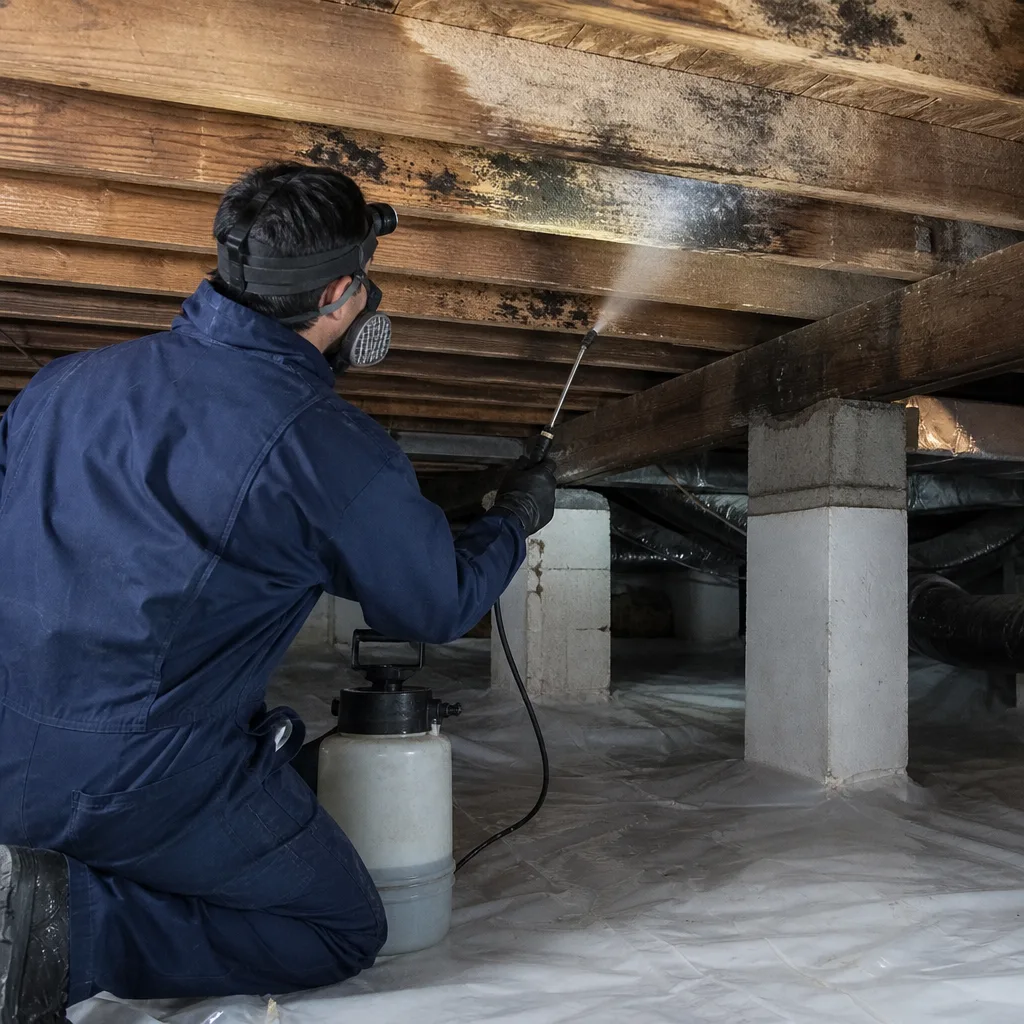
Permit timing determines both cost and disruption. The difference between planning for permits and retrofitting them is the difference between a controlled process and an expensive surprise.
Pre-work permits (planned):
- LADBS plan check: 2-10 business days for residential repairs, depending on complexity
- Expedited plan check available for emergency repairs: 24-48 hours, additional $175-$350 fee
- Inspection scheduling: typically 2-5 business days after request
- Total permit cost: $150-$800 for most residential restoration reconstruction, depending on valuation
- Work proceeds in sequence: permit, work, inspection, closeout
Mid-job permits (discovered):
- Work stoppage required until permit issued
- Exposed structure may require weather protection or security measures during delay
- Expedited fees almost always required to minimize holding costs
- Additional 3-7 days to project timeline
- Cost premium: 25-50% above planned permitting due to rush fees and extended equipment rental
Post-completion permits (legalization):
- Significantly more expensive: 2-3x planned permit costs
- May require destructive inspection: opening finished walls, removing cabinetry, or exposing electrical junction boxes so inspector can verify work
- Correction orders for code violations discovered during re-exposure
- Timeline: 2-6 weeks typical, depending on inspector availability and correction complexity
- No guarantee of approval: work performed without permit oversight may fail inspection, requiring complete redo
We’ve documented this progression in Playa del Rey jobs. A fire & smoke damage restoration project in 2019 had electrical rewiring performed without permit during the emergency phase. The homeowner discovered the gap during refinancing in 2022. Legalization required removing kitchen backsplash tile to expose outlet boxes for inspector access. The $400 permit that would have been routine became a $2,800 reconstruction with three weeks of kitchen downtime.
Haven Standard, Clause 1 requires written price before work begins. Our scopes include permit line items with timeline implications when applicable. No homeowner should discover permit costs after work starts.
How Unpermitted Work Can Void Your Insurance Coverage
Standard California homeowners policies (HO-3, HO-5) contain conditions that can void coverage for losses involving unpermitted work. The mechanism is not always explicit, but it is enforceable.
Policy conditions that apply:
- “Concealment or fraud” provisions: material misrepresentation about property condition, including failure to disclose unpermitted modifications
- “Maintenance and repair” conditions: requirement that property be maintained to code; unpermitted work may be deemed non-compliant maintenance
- “Increase of hazard” clauses: modifications that increase risk without insurer notification; unpermitted electrical work is a classic example
The specific scenario:
A Playa del Rey home with prior water damage has unpermitted wall reconstruction. The reconstruction included an uninspected electrical junction box. A subsequent fire originates at that box. The insurer investigates, discovers the unpermitted work, and denies the fire claim on the basis that the policyholder permitted a known hazard to exist without disclosure. The water damage claim from years prior was paid. The fire claim, magnitudes larger, is not.
This is not theoretical. We’ve reviewed claim files where adjusters flagged unpermitted work as the basis for partial or complete denial. The documentation we provide - permits, inspections, photo records, drying logs - exists precisely to prevent this outcome. A restoration invoice without permit documentation is incomplete evidence.
Direct insurance billing, which we coordinate as standard practice, requires complete documentation. Adjusters who cannot verify code compliance may delay or reduce payment. Our photo-documented assessments include permit status verification when reconstruction is involved, so the claim file is complete before submission.
The Documentation Gap: Why Restoration Contractors Skip Permits
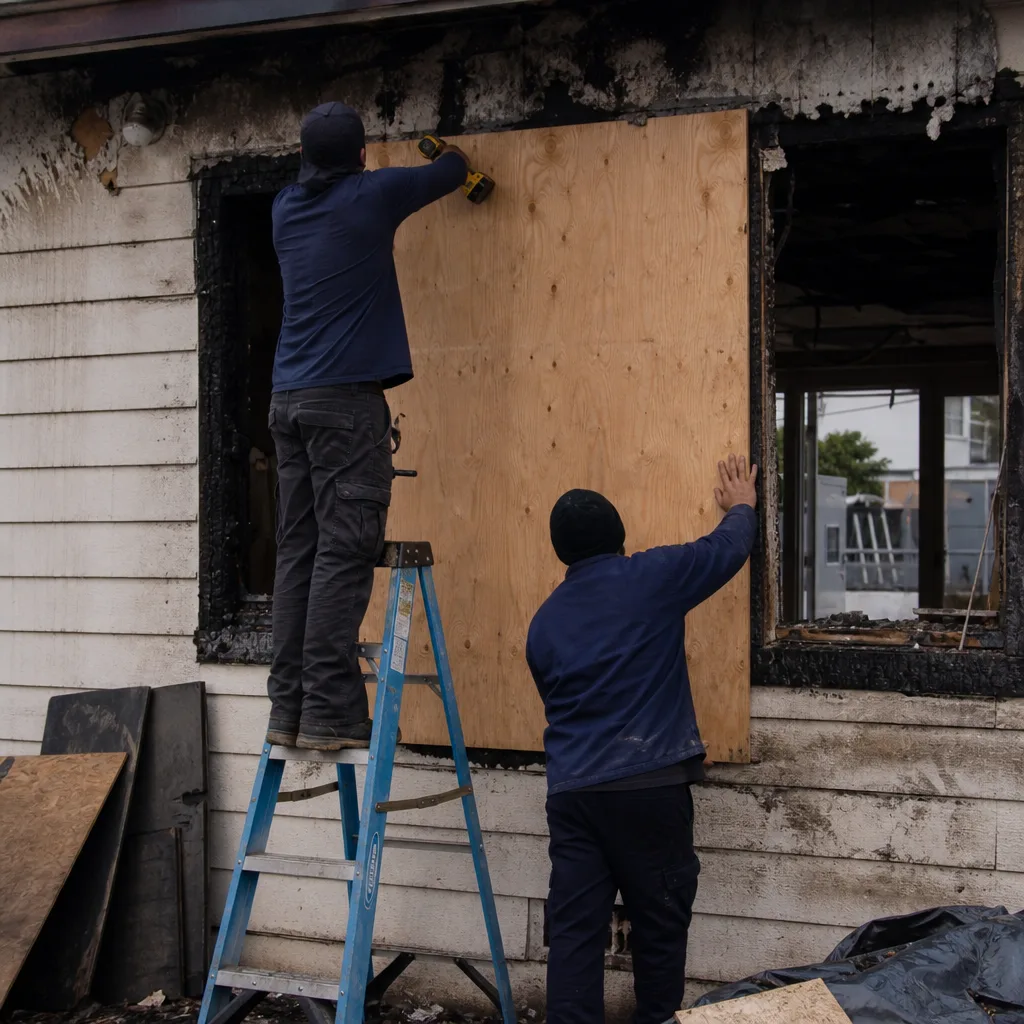
The restoration industry has a documentation problem that mirrors the one we founded Back to Dry to solve. Where our focus is on drying logs and photo records that turn invoices into payable claims, the industry’s broader gap is permit documentation that turns reconstruction into insurable, sellable property.
Why permits get skipped:
- Competitive pressure: permit fees and inspection delays make bids appear higher than competitors who omit them
- Homeowner urgency: “Just get it done” requests during emergency phases, when permit planning feels like obstruction
- Contractor ignorance: some mitigation-only contractors lack license classification to pull building permits and avoid the topic
- Jurisdictional confusion: uncertainty about City vs. County requirements, especially in boundary areas like Playa del Rey
- Scope creep concealment: adding unpriced work without permit visibility
The Haven Standard difference:
Every job we scope includes permit analysis as a standard line item. If permits are required, they’re in the written price before work begins, with timeline and cost specified. If permits are not required, we document why, referencing the applicable code section. The photo record on every visit includes permit posting verification when applicable. The 365-Day Done Right Promise covers permit-related defects that surface during our warranty period.
Our Free Second Opinion on any competitor’s written estimate includes permit verification. We’ve reviewed estimates that omitted $600 in required LADBS fees, or that listed “permits TBD” - which under Haven Standard, Clause 1, is not a written price. A price with undefined permit status is a price that will increase.
Background-checked, uniformed technicians arrive with license numbers visible, prepared to discuss permit requirements with homeowners and adjusters. Live phone coverage, 24 hours a day, 7 days a week, means permit questions get answered when they arise, not during business hours after the emergency has passed.
Common Mistakes to Avoid
- Assuming all restoration work needs permits. Requiring permits for emergency drying delays recovery and wastes money. Conversely, assuming no restoration work needs permits exposes you to liability. The trigger is permanence, not the word “restoration.”
- Trusting a contractor who says “we’ll pull it later.” Post-completion permits in LA cost 2-3x more and may require destructive re-exposure. “Later” often means “never” or “when you’re not the one paying.”
- Confusing City of LA and LA County jurisdiction. Playa del Rey is City of LA. A contractor who files County permits for a Playa del Rey job has filed invalid paperwork. Verify through LADBS address lookup before work starts.
- Accepting “permit included” without a permit number. Vague language permits vague follow-through. A written price under Haven Standard, Clause 1 includes the actual permit application number or a clear statement that no permit is required with code citation.
- Ignoring permit status during home sale preparation. California disclosure requirements make prior water and mold history material facts. Unpermitted repairs undermine your negotiating position and may trigger buyer demands for legalization at your expense.
- Hiring a mitigation-only contractor for reconstruction. Water extraction and drying require IICRC certification. Structural reconstruction requires a B-General or appropriate specialty contractor’s license and permit authority. The same entity rarely holds both sets of qualifications; verify before signing.
When to Call a Professional
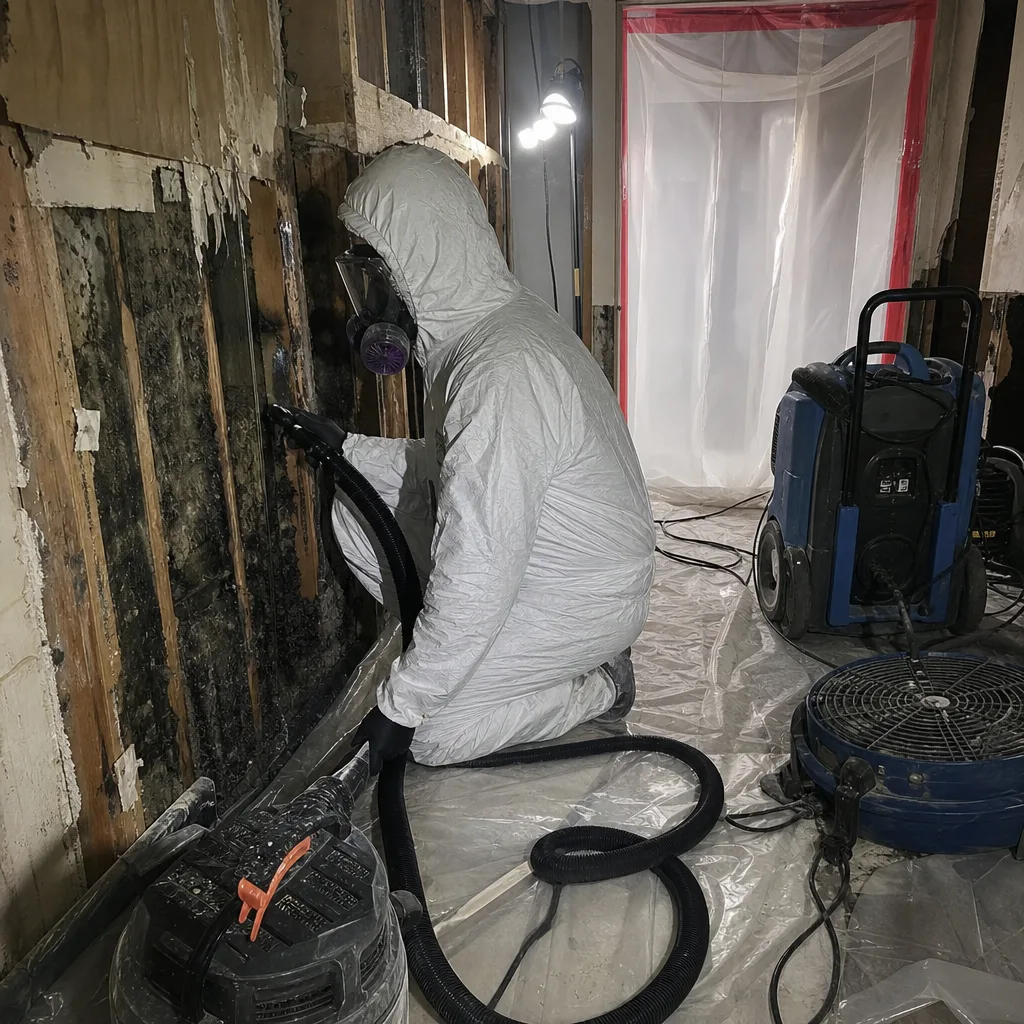
Call a licensed restoration contractor when any water, fire, or mold damage involves structural materials, electrical systems, or HVAC components. Call immediately when damage exceeds the square footage you can dry with consumer equipment, or when mold is visible on more than 10 square feet of surface. In Playa del Rey, coastal humidity extends drying timelines and increases secondary damage risk; professional psychrometric monitoring prevents the moisture pockets that become mold colonies.
DryMark Restoration Playa del Rey offers free estimates in Playa del Rey. Every estimate includes permit requirement analysis, written pricing before work begins under Haven Standard, Clause 1, and documentation standards that satisfy insurer and resale requirements. Call (424) 351-9295 for assessment.
Frequently Asked Questions
No. Emergency water extraction, structural drying with portable equipment, and non-structural demolition to access wet cavities do not require LADBS permits. But if drying reveals damaged electrical, plumbing, or structural elements that require replacement, the replacement work triggers permit requirements. Call (424) 351-9295 for scope-specific guidance.
Request the permit number and verify it at ladbs.org. A valid issued permit shows status “Issued” with an active contractor license. Completed inspections show dates and “Approved” disposition. An application alone, or an issued permit with no inspection history, has not protected you. We include permit verification in our standard project documentation.
The original damage claim may be paid, but future claims involving unpermitted modifications can be denied under policy conditions for concealment, increased hazard, or failure to maintain code compliance. Some insurers now require permit documentation for renewal. Our direct adjuster coordination includes permit status verification to prevent coverage gaps.
California Civil Code Section 1102 requires disclosure of water damage and mold history. Unpermitted repairs cannot be verified by buyers or inspectors, creating negotiation leverage for price reductions or repair credits. In extreme cases, buyers may demand permit legalization before closing, at seller expense. Permit records from the original restoration prevent this exposure.
Planned residential restoration permits through LADBS range from $150 for minor electrical or plumbing repairs to $800 for multi-trade reconstruction projects. Expedited processing adds $175-$350. Post-completion legalization runs 2-3x these amounts and may require destructive re-inspection. Our written prices include permit fees when applicable, with no scope-creep additions.
Homeowners can pull permits as owner-builders in California, but this requires personal attendance at inspections and assumption of code compliance liability. Most insurers and future buyers prefer contractor-permitted work with licensed accountability. We pull permits as standard practice on all reconstruction jobs, with license numbers documented in the project file.
The Bottom Line
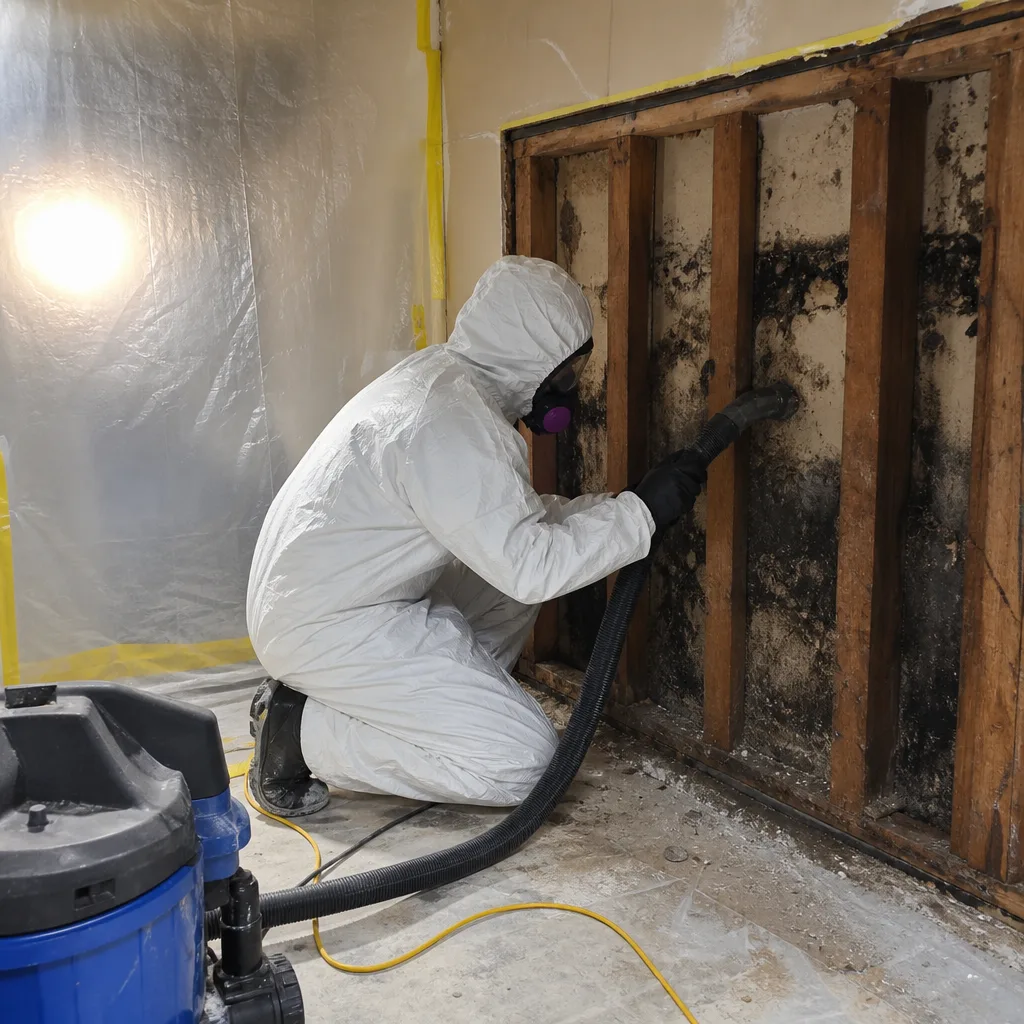
California restoration permits are not bureaucratic overhead. They are documented proof that rebuilt structures meet code, that electrical and plumbing modifications were inspected, and that your insurance coverage remains intact if future claims arise. In Playa del Rey, City of LA jurisdiction applies, and the LADBS portal makes permit verification accessible to any homeowner willing to check. The contractors who skip permits transfer liability to you. The documentation we provide - written price before work begins, photo record on every visit, permit verification when required, and the 365-Day Done Right Promise - exists to keep that liability where it belongs: with the party performing the work.
Written by Alicia Brennan, Owner at DryMark Restoration Playa del Rey, serving Playa del Rey since 2011.