
Last updated September 23, 2026
Free visual inspection and a written scope of work before any mitigation begins - photos, moisture readings, and drying logs go in your claim file
The scope we write is the scope we bill. Anything new gets shown to you, in writing, before we touch it.
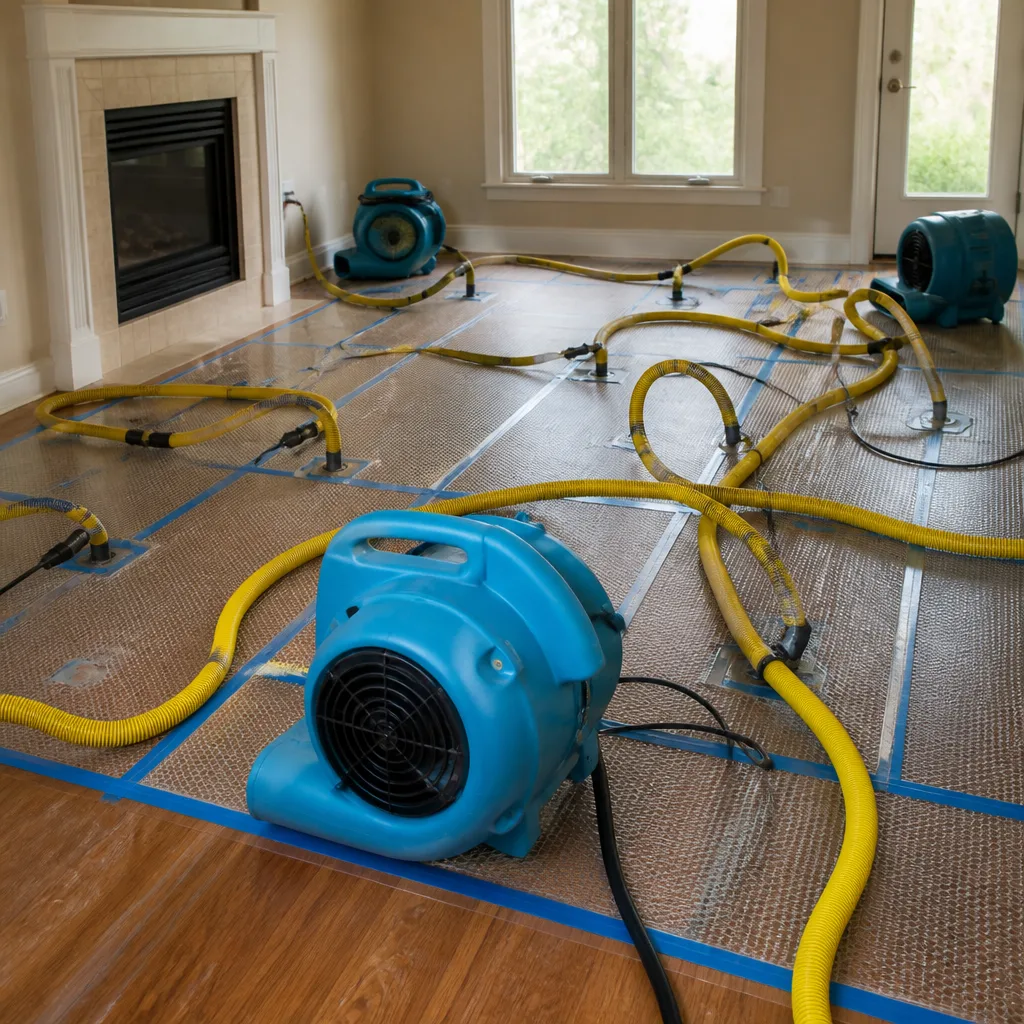

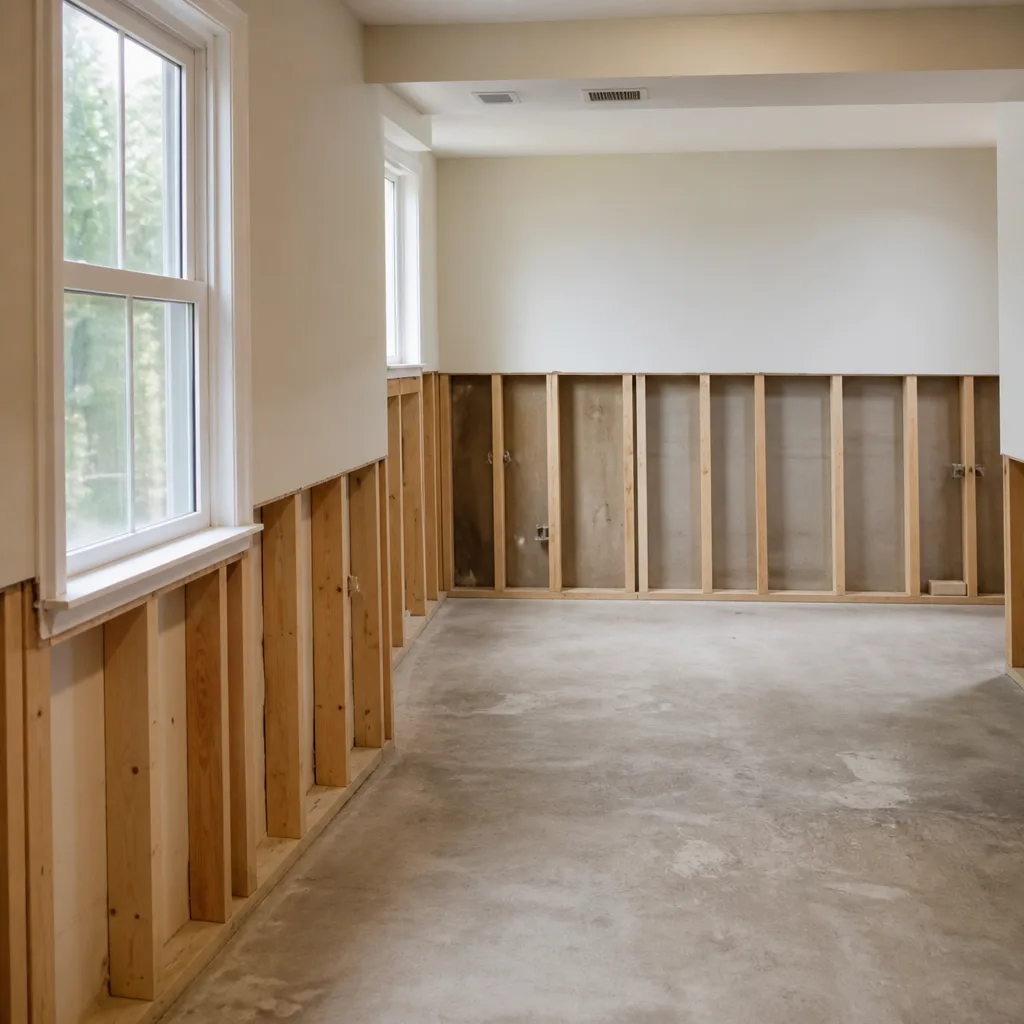
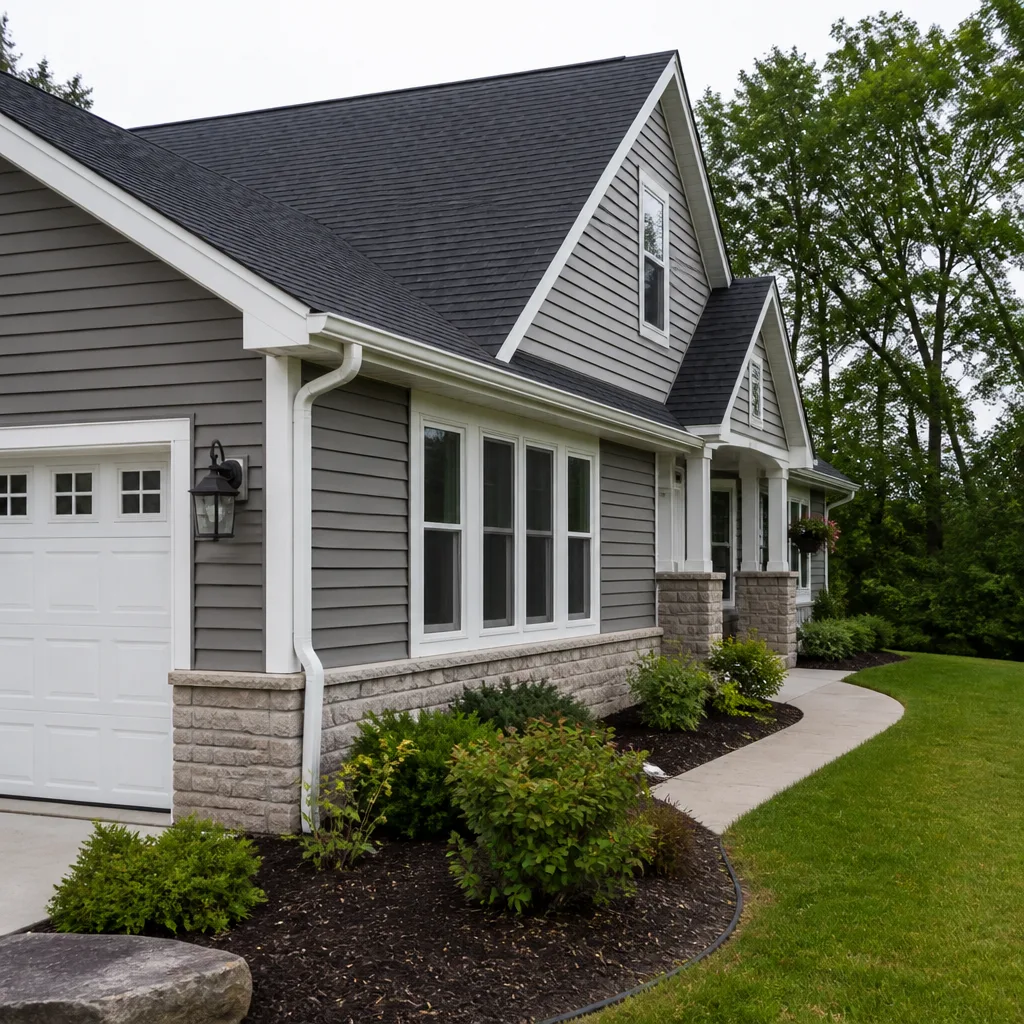
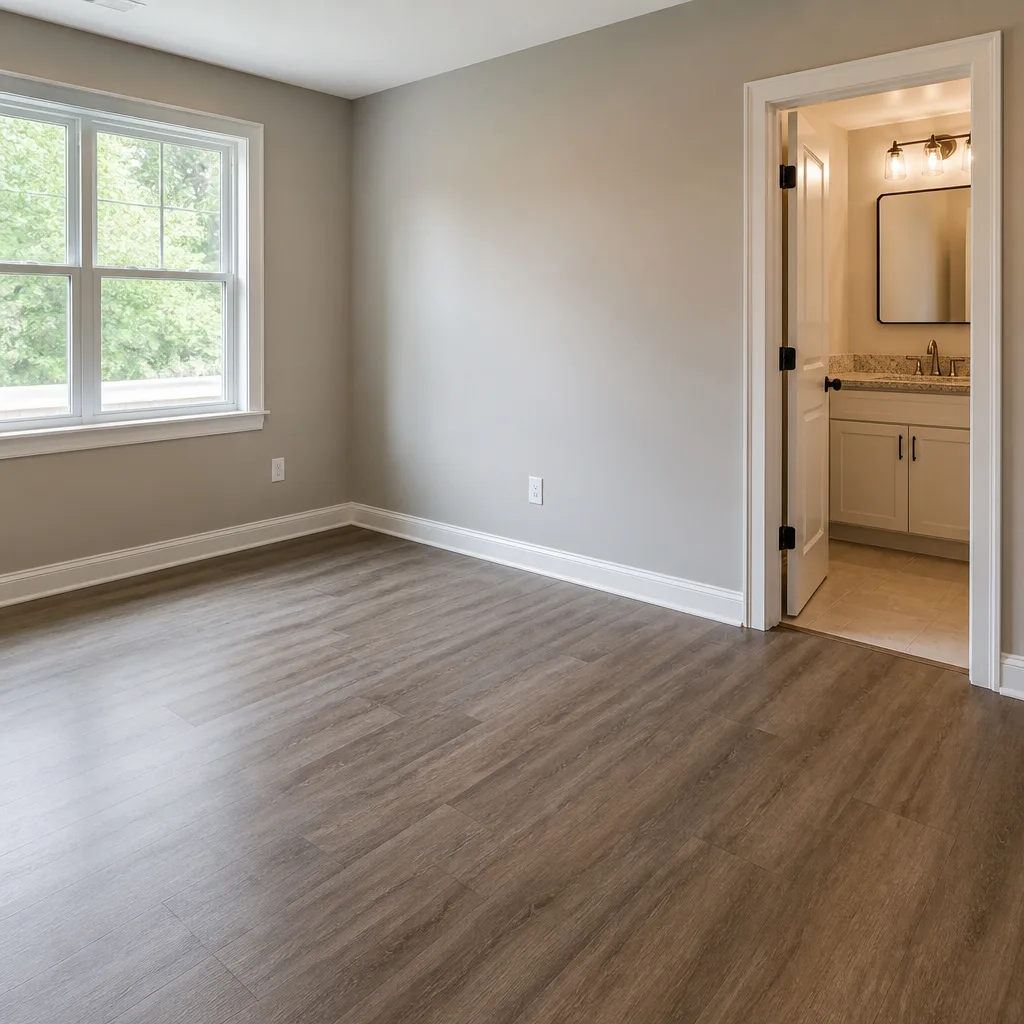

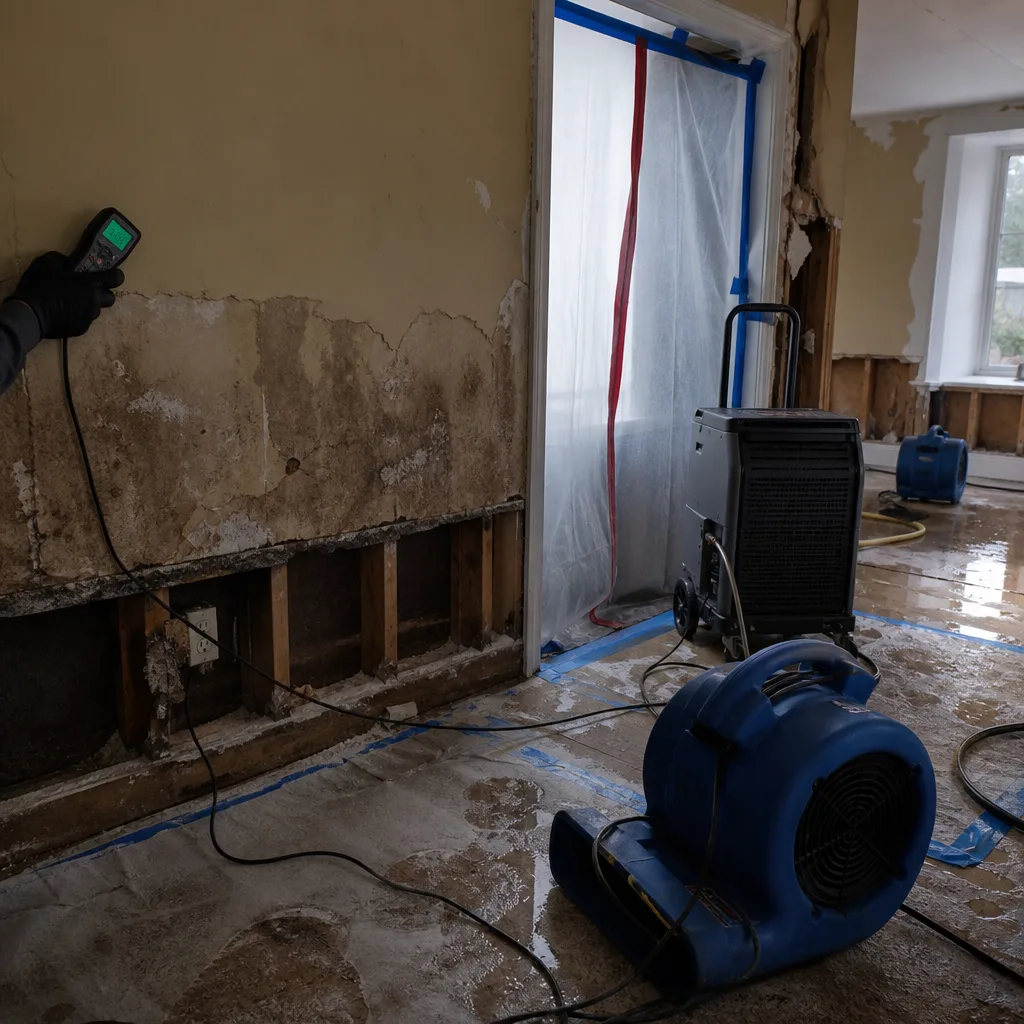 Before
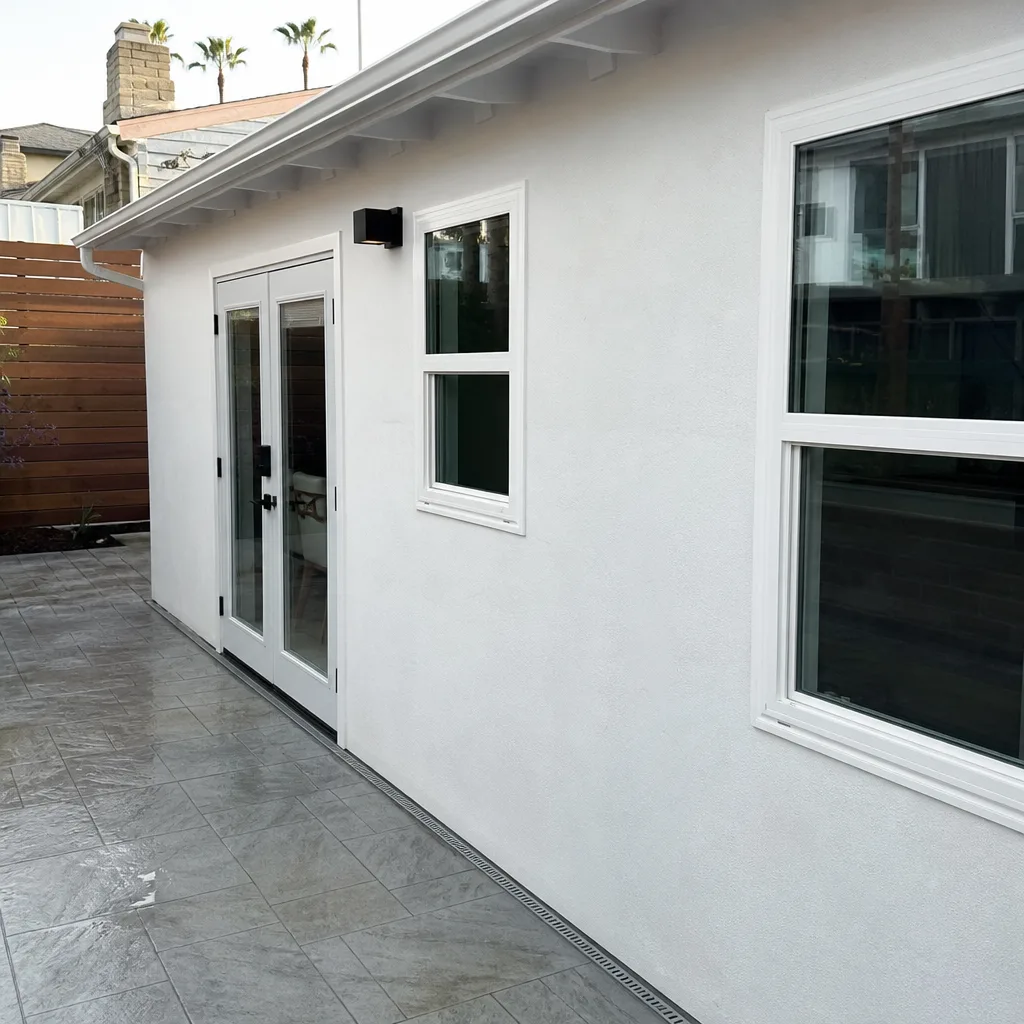 After
After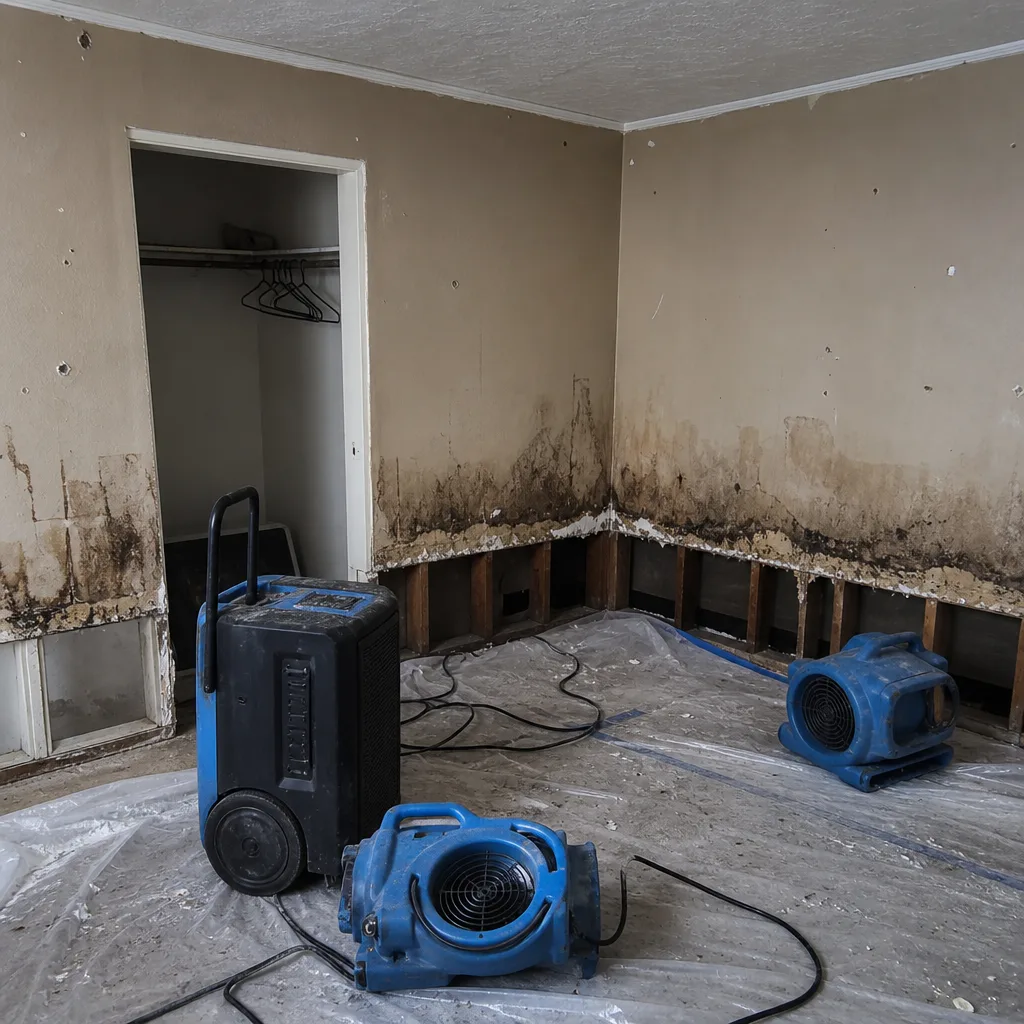 Before
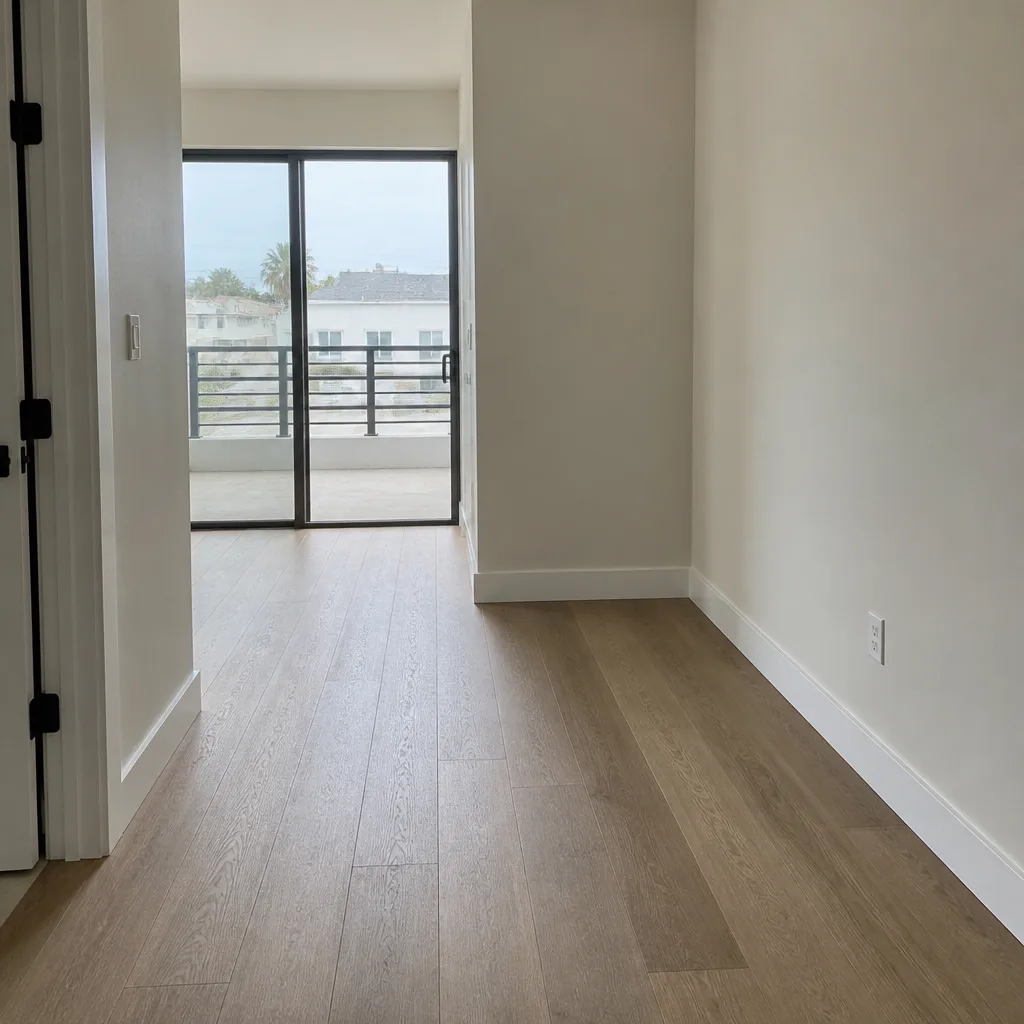 After
After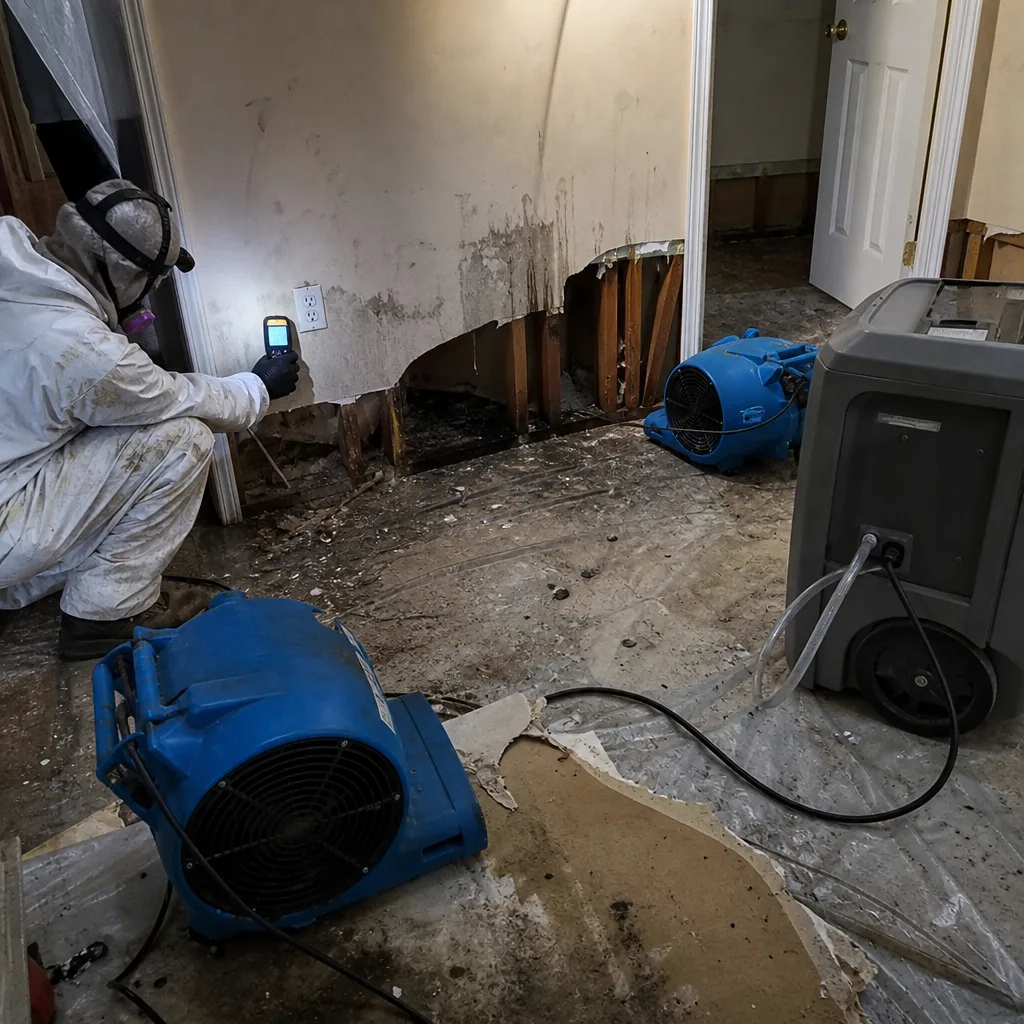 Before
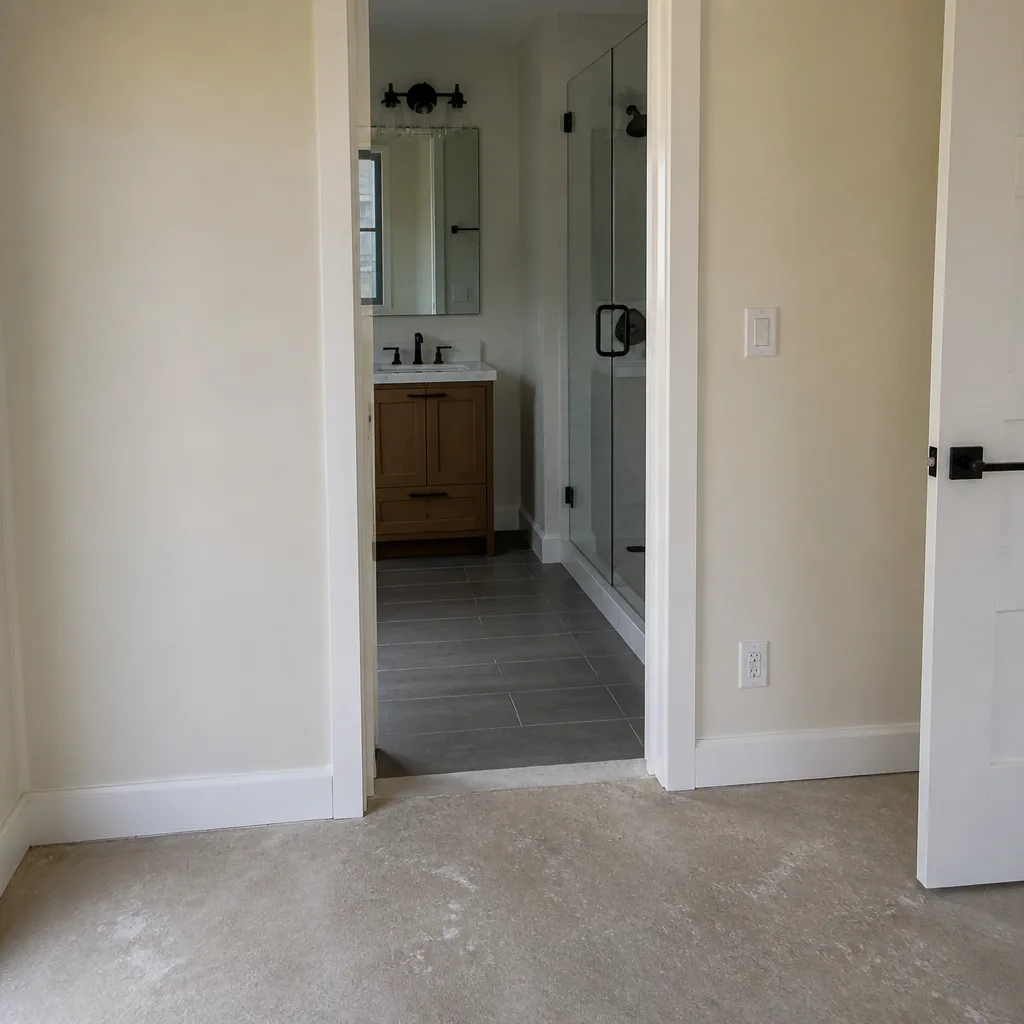 After
AfterSeasonal Damage Restoration Care for Playa del Rey: Year-Round Homeowner’s Guide
June and July are the months Playa del Rey homeowners call about mold - not because anything flooded, but because the marine layer holds relative humidity above 80% for stretches long enough to push moisture content in unventilated walls past the 19% threshold where mold colonies begin to establish. This isn’t a four-season problem. It’s a three-condition problem: winter atmospheric rivers, spring humidity activation, and summer coastal eddy fog that keeps wall moisture elevated for weeks without a single raindrop. In this guide, we’ll walk through a month-by-month care framework calibrated to Playa del Rey’s actual marine climate, with specific meter readings, inspection protocols, and documentation practices that turn your seasonal checks into evidence an insurer can reference. For related reading, see our complete guide to damage restoration in Playa del Rey.
Quick Answer
Seasonal damage restoration care in Playa del Rey means monitoring for three distinct marine-driven threats: winter atmospheric river intrusion (November-February), spring mold activation from residual moisture (March-May), and summer coastal eddy fog that sustains wall humidity without rain (June-August). For a detailed breakdown of what each season could cost you, see our damage restoration cost breakdown for Playa del Rey homeowners. Homeowners who run a disciplined inspection schedule - roof and drainage checks before storm season, interior moisture sweeps with a pinless meter after rains, and ventilation management during marine layer months - catch damage at the mitigation stage rather than the reconstruction stage, when costs multiply by five to ten times.
Table of Contents
- November-February: Pre-Storm Roof and Drainage Protocol
- March-May: The Post-Rain Moisture Sweep
- June-August: Marine Layer and Vapor Management
- September-October: Santa Ana Winds and Wildfire Smoke
- Building Your Dated Photo and Reading Log
- What Professional-Grade Documentation Looks Like
- Common Mistakes to Avoid
- When to Call a Professional
- Frequently Asked Questions
 Before
 After
AfterNovember-February: Pre-Storm Roof and Drainage Protocol
Atmospheric rivers hit Los Angeles County hardest between December and February, but the damage in Playa del Rey often starts in November when the first Pacific storm trains set up. The Del Rey and Westchester housing stock - heavy on 1940s-1970s ranch homes, 1980s stucco-over-frame construction, and the flat-roofed courtyard complexes near Vista del Mar - has predictable failure points that show up in our call logs every winter.
We’ve documented three patterns that repeat:
- Flat roof drains on courtyard buildings clog with eucalyptus debris from the stands along Culver Boulevard, backing water into parapet walls. The leak shows as a ceiling stain three rooms from the actual entry point.
- Stucco weep screeds buried below grade on 1980s-1990s homes trap water against the sill plate. Atmospheric river saturation overwhelms the drainage plane, and moisture migrates into base plates without ever showing on the interior.
- Original clay tile roofs with deteriorated felt underlayment allow wind-driven rain through cracked tiles. The damage is invisible from the street and often missed until ceiling drywall sags.
Our pre-storm inspection protocol for Playa del Rey properties:
- Roof drainage: Clear all gutters, downspouts, and flat roof drains. Check that downspouts discharge at least six feet from foundation or tie into underground drainage. Photograph each outlet.
- Parapet and flashing: Inspect metal flashing at roof-to-wall transitions with binoculars or a pole camera. Look for lifted seams, rust streaks, or sealant gaps. These are the entry points for the sustained wind-driven rain that atmospheric rivers deliver.
- Exterior grade: Verify soil slopes away from foundation for at least the first six feet. In the low-lying areas near the Ballona Wetlands, we’ve seen properties where winter groundwater rises to within inches of slab level - grade alone won’t solve it, but reversed grade makes it certain.
- Window and door seals: Check weatherstripping on south and west exposures, where the heaviest rain bands hit. Caulk failures at the head casing are common in stucco homes where thermal movement has cracked the sealant bead.
- Document with dated photos: Take wide shots of each elevation, close-ups of each potential failure point, and one photo of your moisture meter reading on exposed framing in garage or attic. This establishes your pre-storm baseline.
If you find soft spots in roof decking, deteriorated underlayment, or moisture readings above 16% in exposed framing, that’s pre-loss documentation worth having. It shows the condition before the storm, which matters when an adjuster tries to attribute damage to deferred maintenance rather than a covered weather event.
Our Water Damage Restoration in Playa del Rey team sees the claims that get denied for lack of this documentation - and the ones that get paid because the homeowner had a dated photo showing intact flashing in November and the same location compromised in January.
March-May: The Post-Rain Moisture Sweep
March is when the atmospheric river season tapers, and it’s also when we get the highest volume of mold-related calls in Playa del Rey. Not because mold grows instantly - because the moisture that entered in January has had sixty days to migrate into wall cavities, and homeowners are noticing the musty smell or the first surface spots.
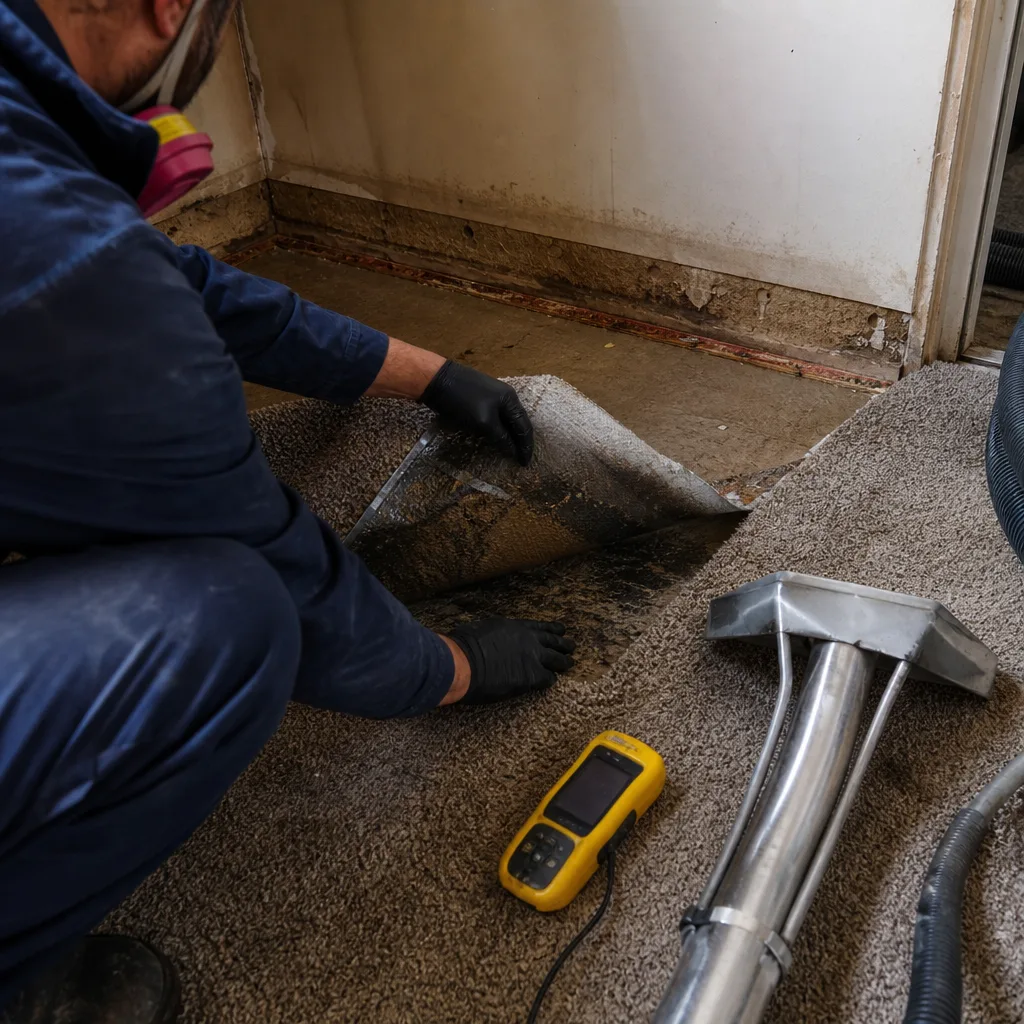
The critical window is the six weeks after the last significant rain. This is when you run a post-rain moisture sweep with a pinless moisture meter - the kind with electromagnetic sensors that read through drywall and tile without surface penetration. We use meters calibrated to read wood moisture equivalent, and we teach Playa del Rey homeowners to do the same.
Here’s what the readings mean in practice:
- Below 12%: Normal equilibrium for coastal Southern California. No action needed.
- 12-16%: Elevated. Indicates recent moisture loading that hasn’t fully dried. Increase ventilation, recheck in two weeks, and photograph the location.
- 16-19%: Concerning. Sustained readings in this range support mold growth if relative humidity stays above 60%. This warrants professional assessment - we provide free estimates and will run a full psychrometric survey.
- Above 19%: Active problem. Mold can establish on cellulose materials at this threshold within 48-72 hours of sustained conditions. Do not wait. Call for assessment.
Where to check in a Playa del Rey home:
- Exterior walls on the windward side - typically southwest, where storm bands hit hardest. Check at baseboard level and at any window or door header.
- Walls adjacent to tile showers or tub surrounds in homes built before 2005. The waterproofing failures we find in Del Rey vintage housing often show as elevated readings in the shared wall, not the bathroom itself.
- Garage walls that share a foundation with living space - especially where the garage slab sits lower than the house slab, creating a cold joint that wicks moisture.
- Crawl space perimeter walls if accessible. In the older homes near Pacific Avenue, dirt-floored crawl spaces with inadequate vapor barriers are common, and spring humidity activates them.
- Ceiling below any roof penetration - chimney, vent pipe, skylight. Even if you don’t see a stain, the meter tells you what the eye can’t.
Record each reading with the date, location, and meter model. If you call DryMark Restoration Playa del Rey for a Mold Remediation in Playa del Rey assessment, we’ll want to see this log. It tells us whether we’re looking at a recent acute event or a chronic condition that may have been developing across multiple seasons - and that distinction affects both the remediation protocol and the insurance coverage analysis.
June-August: Marine Layer and Vapor Management
This is the season that surprises homeowners. No rain since April, yet we’re documenting moisture content readings above 18% in exterior walls throughout Playa del Rey - particularly in the neighborhoods west of Vista del Mar where the coastal eddy pushes marine air directly against stucco and wood siding.
The mechanism is straightforward: warm interior air conditioned to 72°F meets an exterior wall surface chilled to 62°F by fog-laden air. The temperature differential creates a vapor pressure differential - the difference in water vapor concentration between the warm side and the cool side - that drives moisture through the wall assembly. When that moisture hits the cooler surface inside the wall, it condenses. No leak required.
We see this most often in:
- Homes with no exterior wall insulation - common in pre-1970s construction where the wall cavity is open to vapor movement.
- Properties where interior humidity is kept high - evaporative coolers, indoor plants, aquariums, or simply a household that prefers less air conditioning.
- Crawl spaces and attics without active ventilation - the marine layer air sits stagnant, and relative humidity climbs past 80% for days at a time.
Ventilation and vapor management for Playa del Rey’s marine layer months:
- Attic ventilation: Verify that soffit vents are unobstructed and ridge vents are intact. We use a smoke pencil to confirm air movement - no movement means the attic is a moisture reservoir. Target: attic relative humidity below 70%, measured mid-day when marine layer influence is weakest.
- Crawl space: If you have a dirt or unsealed crawl space, install a 6-mil polyethylene vapor barrier covering 100% of the ground surface, overlapped 12 inches at seams and sealed to foundation walls. Without this, ground moisture evaporates directly into the crawl space air and migrates upward through the subfloor.
- Interior humidity control: Maintain indoor relative humidity between 40% and 55%. In Playa del Rey’s marine layer season, this usually requires air conditioning or a dedicated dehumidifier, not just ventilation. A portable unit rated for your square footage is adequate for most homes under 2,500 square feet.
- Exterior wall monitoring: Run your pinless meter on the same wall locations you checked in March. Any reading that has risen by more than 3 percentage points without a rain event indicates vapor drive, not liquid intrusion. Document it - this pattern helps us design targeted drying if remediation becomes necessary.
- Bathroom and kitchen exhaust: Confirm that exhaust fans vent to exterior, not attic or crawl space. In the 1960s-1970s homes common in the Del Rey area, we still find fans terminating in attics, dumping moisture directly into the most vulnerable space.
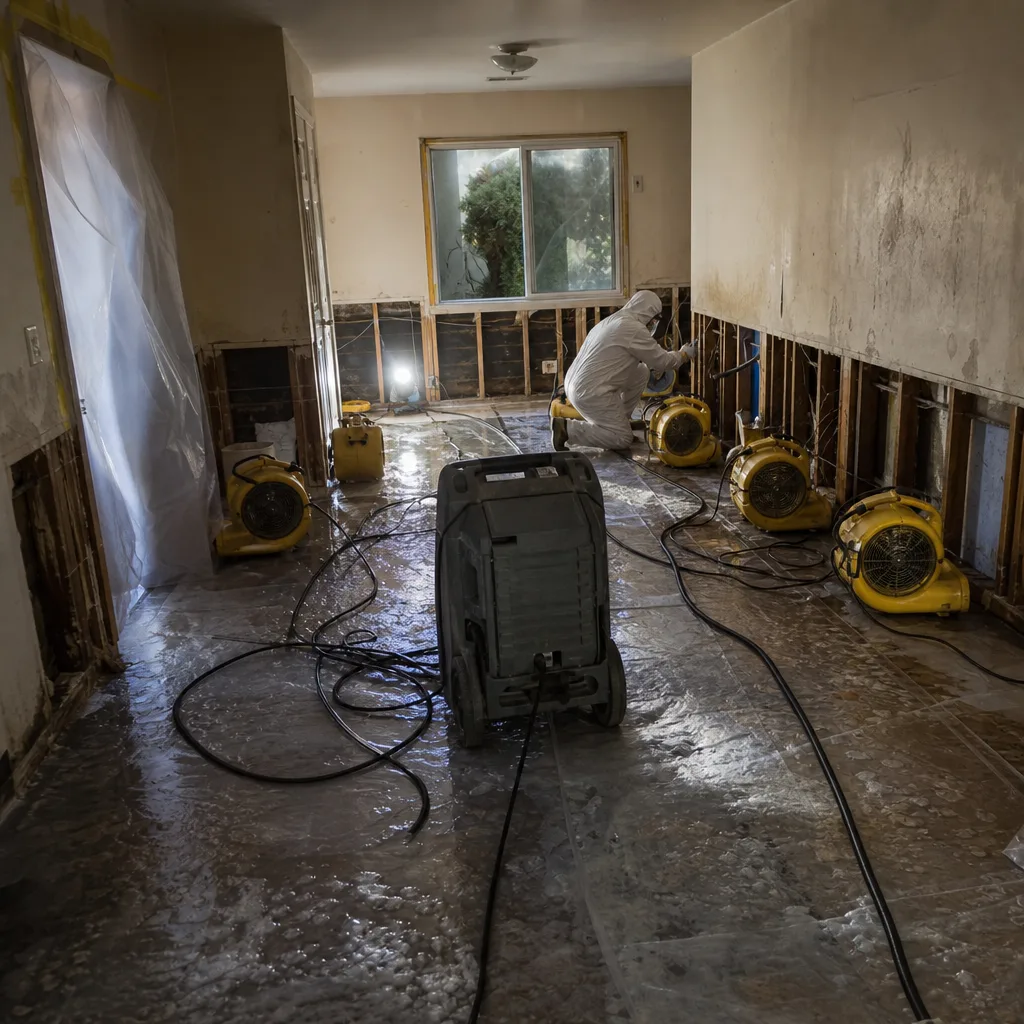
The equipment we deploy for marine-layer-related moisture issues includes Phoenix dehumidifiers and XPOWER air movers configured to establish a controlled drying environment - not just moving air, but managing the psychrometric conditions (temperature, humidity, and vapor pressure) that allow moisture to leave materials and be removed from the space. Our daily drying logs document grain depression, specific humidity, and material moisture content so the restoration invoice becomes a payable claim.
September-October: Santa Ana Winds and Wildfire Smoke
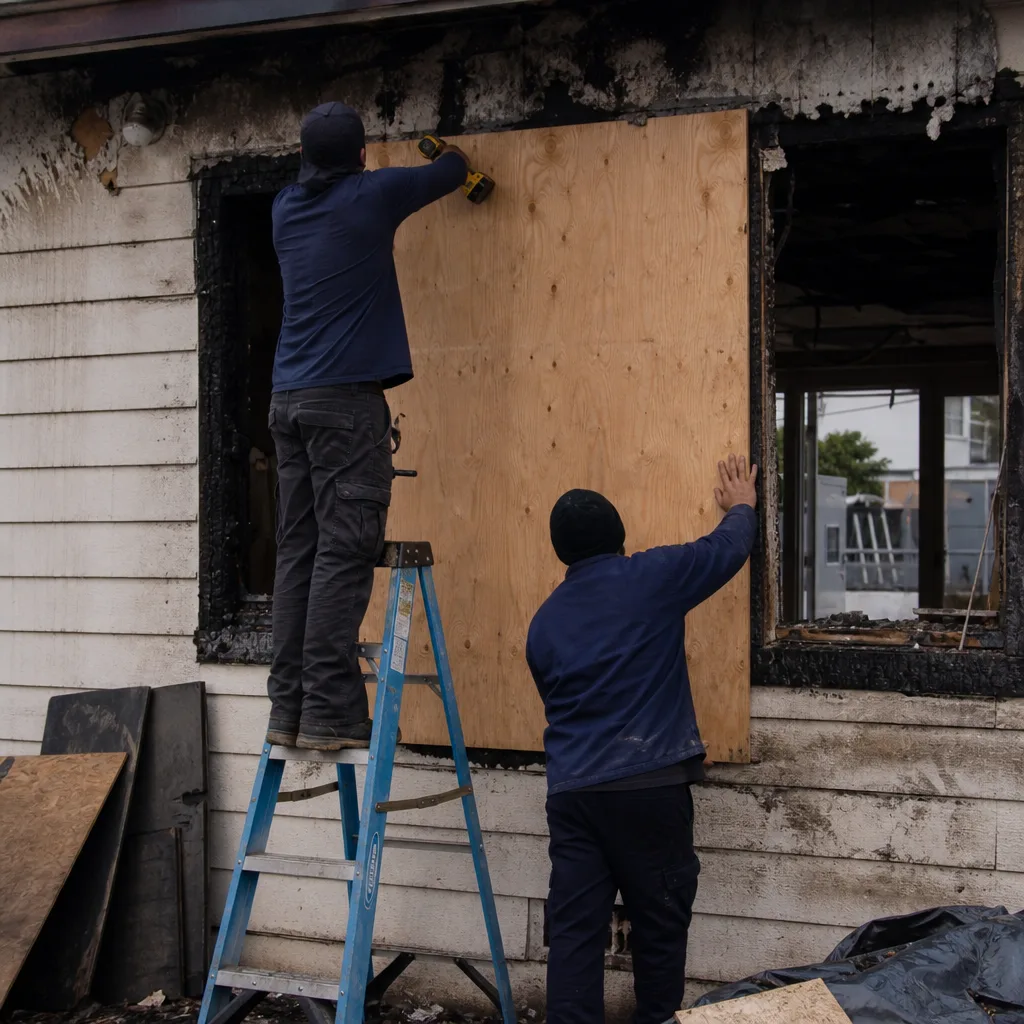
September and October bring the Santa Ana wind pattern - hot, dry, and fast-moving - and with it, the wildfire smoke window that affects Playa del Rey even when flames are miles away. The 2025 Franklin Fire and previous seasons have demonstrated that smoke and ash infiltration is a restoration issue, not just an air quality inconvenience.
Smoke damage in Playa del Rey homes typically follows one of two pathways:
- HVAC intake contamination: Ash particles smaller than 2.5 microns enter through outdoor air intakes and bypass standard filtration. They deposit on evaporator coils, in duct lining, and on supply registers. When the system cycles, it redistributes these particles through the living space.
- Pressure-driven infiltration: Santa Ana winds create positive pressure on windward walls and negative pressure on leeward walls. This pressure differential draws outdoor air through every gap in the building envelope - around windows, at electrical penetrations, through weatherstripping that was adequate for calm conditions but not for 40-mph sustained winds.
Smoke and ash assessment protocol:
- HVAC filter inspection: Check your filter after the first significant smoke event. If it’s gray or has visible particulate loading, the system was running during contamination. Document with a photo before replacement - this is evidence of exposure.
- Supply register wipe test: Run a white cloth across supply registers. Dark residue indicates duct contamination that requires professional cleaning. We document this with photo evidence and particle count readings.
- Exterior envelope check: After a Santa Ana event, inspect window and door seals for displacement. The pressure differentials that drive smoke infiltration also test your weatherstripping - failures here are predictive of future smoke damage.
- Odor survey: Walk the house after 24 hours with HVAC off. Smoke odor that persists without mechanical distribution indicates sorption - smoke compounds absorbed into porous materials like carpet, upholstery, and unsealed wood. This requires professional remediation, not just air cleaning.
When smoke damage becomes a restoration issue rather than a cleaning issue:
Surface residue on non-porous materials - countertops, sealed cabinets, glass - cleans with appropriate agents and HEPA vacuuming. But when smoke compounds have sorbed into drywall, insulation, or HVAC duct lining, the remediation protocol changes. We use thermal fogging or ozone treatment for light sorption, but heavy exposure often requires removal of affected materials and replacement. The decision point is the odor persistence test: if you can smell smoke in a closed room 48 hours after the event, with no HVAC running, sorption has occurred.
Our Fire & Smoke Damage Restoration in Playa del Rey documentation includes pre-treatment particle counts, post-treatment verification sampling, and a written scope with line-item pricing before any work begins - Haven Standard, Clause 1.
Building Your Dated Photo and Reading Log
The most powerful tool in a homeowner’s seasonal care program is also the simplest: a dated log of photos, moisture readings, and observations that creates a maintenance record an insurer can reference. We’ve seen this documentation convert disputed claims into paid claims. We’ve also seen its absence convert straightforward claims into denials.
What the log contains:
- Date and weather conditions for each inspection
- Wide photos of each building elevation, roof condition, and grade
- Close-up photos of specific features: flashing, seals, vents, drainage outlets
- Moisture meter readings with location, depth setting, and material type
- Narrative notes - what you observed, what you did, what you plan to check next
- Repair receipts or contractor reports if work was performed
Storage and format:
We recommend a cloud folder with subfolders by year and season, plus a simple spreadsheet with columns for date, location, reading, photo filename, and notes. The spreadsheet is searchable; the photos are timestamped by your device. Together they form an evidence trail.
When to share this log:
If you file a claim, provide the log to your adjuster with your proof of loss. If DryMark Restoration Playa del Rey performs your restoration, we incorporate your log into our own documentation package - the photo record on every visit, the drying log, the written scope - so the insurer receives a single, coherent file rather than conflicting accounts.
The Haven Standard requires this integration. Our founder built Back to Dry around the documentation gap that costs homeowners their claims, and that means your records and ours work together.
What Professional-Grade Documentation Looks Like
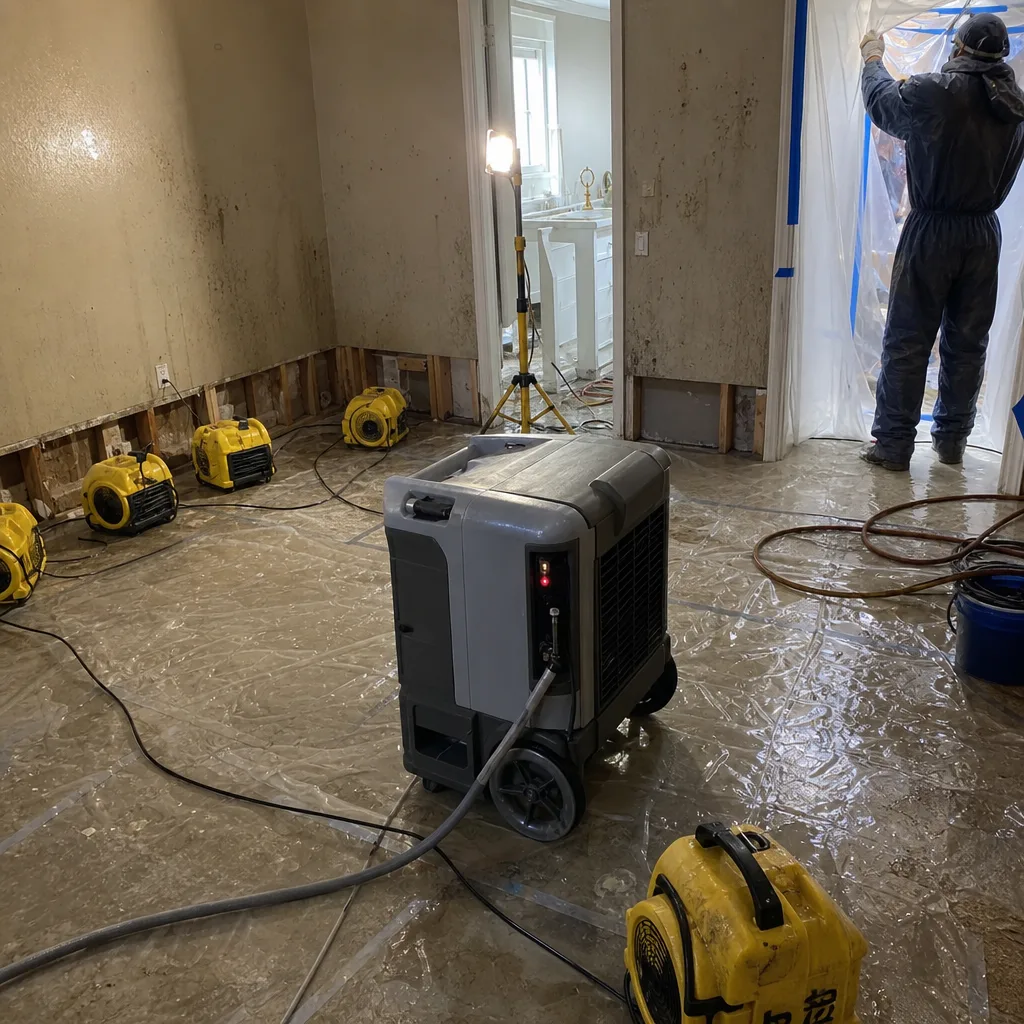
When seasonal checks reveal a problem that requires professional intervention, the difference between mitigation and reconstruction often comes down to how quickly the response is documented and how thoroughly the drying process is logged. Homeowners in Playa del Rey should know what professional-grade documentation looks like so they can evaluate any restoration contractor they consider hiring.
Our standard deliverable on every job includes:
- Written scope and price before work begins - Haven Standard, Clause 1. No exceptions. The scope lists each task, each piece of equipment, and the labor hours estimated. The price is fixed for the agreed scope; additions require written change orders.
- Photo record on every visit - dated, geotagged, and uploaded to a shared folder within 24 hours. You see what we see: moisture readings, equipment placement, material conditions, and progressive drying.
- Daily drying log - psychrometric data including temperature, relative humidity, specific humidity, and grain depression at multiple points in the affected area. This is the evidence that drying is progressing according to IICRC S500 standards, not guesswork.
- Moisture content readings on affected materials - wood, drywall, concrete, or other substrates, with target dry standards referenced. We use pin and pinless meters calibrated to manufacturer specifications, and we record the meter model and calibration date.
- Equipment inventory - each dehumidifier, air mover, and specialty drying unit identified by manufacturer and model. We deploy Phoenix and XPOWER equipment configured to the specific psychrometric conditions of your loss, and we document why each unit was selected.
- 365-Day Done Right Promise - a signed warranty under The Haven Standard, not a verbal assurance. If it’s not done right, we make it right.
The purpose of this documentation is not paperwork for its own sake. It’s to turn a restoration invoice into a claim an insurer will pay without a fight. Our founder, a former claims adjuster, built the company around this specific problem: the gap between what a contractor does and what an adjuster can verify. Every element of our documentation protocol exists to close that gap.
Common Mistakes to Avoid
- Waiting for visible mold before checking moisture. By the time mold is visible, colonies are established and the remediation scope has expanded from surface treatment to material removal. Run your meter in March regardless of what you see.
- Assuming no rain means no moisture problem. Playa del Rey’s marine layer season delivers more chronic moisture damage than winter storms. Check walls in July with the same discipline you apply in January.
- Documenting only after damage occurs. Pre-loss photos are evidence; post-loss photos are illustration. Without the before, an adjuster can attribute damage to maintenance failure rather than a covered event.
- Using a cheap moisture meter without calibration verification. A $30 meter with unknown calibration can read 5 percentage points off - the difference between “watch and wait” and “active problem.” We use meters with annual calibration certificates and recommend homeowners choose units from established manufacturers with stated accuracy ranges.
- Ventilating a crawl space without a vapor barrier. In Playa del Rey’s humid marine environment, ventilation without vapor barrier can increase moisture load by drawing humid air across cool surfaces. Seal first, then ventilate if needed.
- Running HVAC during wildfire smoke events without high-MERV filtration. Standard fiberglass filters don’t capture sub-micron ash particles. Upgrade to MERV 13 minimum during smoke season, or shut the system down entirely if smoke is heavy.
- Accepting verbal estimates or scope changes. Haven Standard, Clause 1 exists because verbal pricing creates disputes. Every price, every scope change, every warranty term belongs in writing before work proceeds.
When to Call a Professional
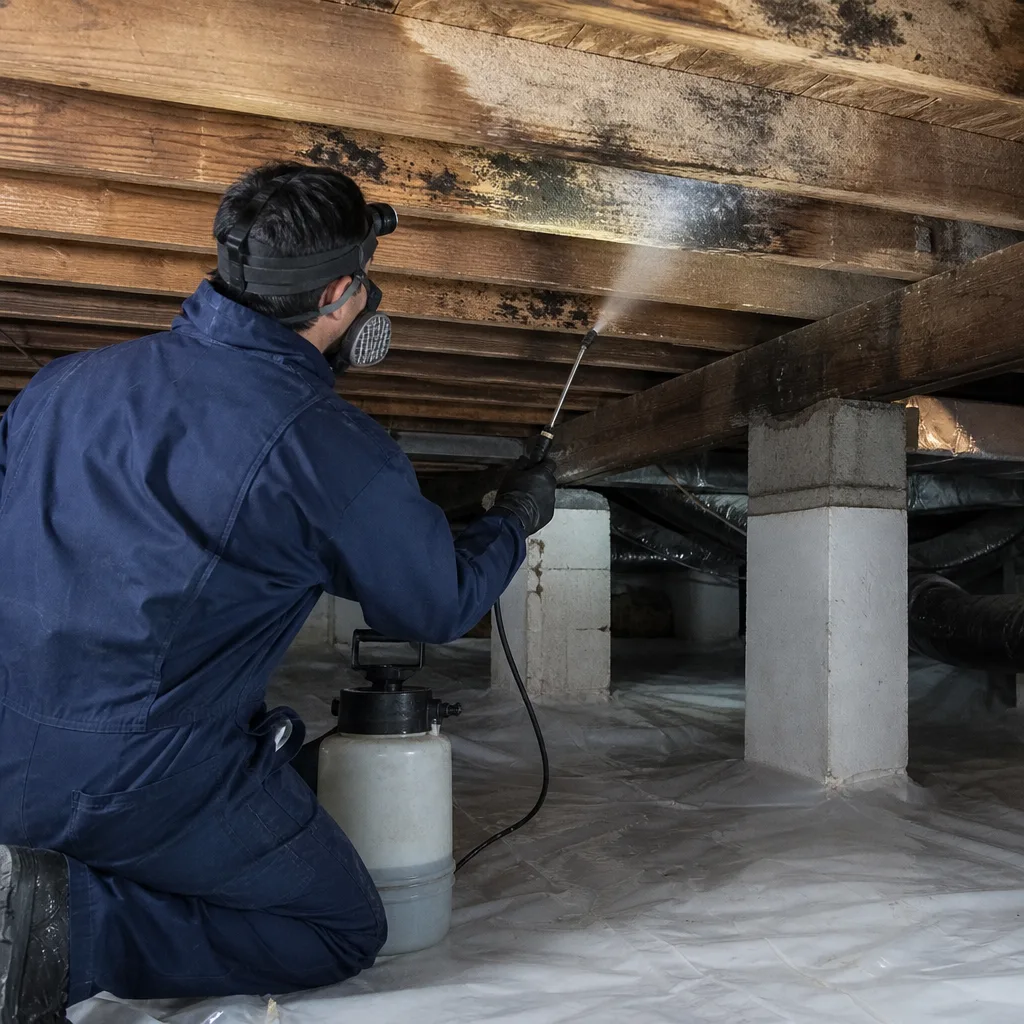
Call for professional assessment when moisture meter readings exceed 16% in multiple locations, when mold is visible on more than one square foot of surface, when smoke odor persists beyond 48 hours in a closed room, or when any seasonal check reveals a condition you’re not equipped to address yourself. Our Water Damage Restoration Maintenance Checklist for Playa del Rey Homeowners can help you decide. The cost of an assessment is negligible against the cost of delayed mitigation - water damage that reaches the reconstruction stage typically costs five to ten times more than early drying intervention.
DryMark Restoration Playa del Rey offers free estimates in Playa del Rey. Our live phone coverage is available 24 hours a day, 7 days a week - no voicemail trees, no next-business-day callbacks while water is still moving. Call (424) 351-9295 for assessment, or bring a competitor’s written estimate for our Free Second Opinion. We’ll review it at no charge and tell you what we see.
Frequently Asked Questions
Our seasonal moisture assessments are free for homeowners in our service area. We provide a written scope and price before any work begins - Haven Standard, Clause 1 - and we offer a Free Second Opinion on any competitor’s written estimate. Call (424) 351-9295 to schedule.
Standard homeowners policies typically exclude damage from humidity, condensation, or vapor migration unless a covered peril - such as a storm-created opening - initiated the sequence. However, documentation matters: if your seasonal log shows pre-existing normal readings and a post-event spike tied to a specific storm damage, the causal chain may be covered. We review policy language and documentation on every claim and coordinate directly with adjusters.
Our live dispatch answers every call, 24 hours a day, 7 days a week. For active water damage, we aim to have a technician on site within hours, not days - because water continues to migrate until the source is stopped and drying begins. For scheduled seasonal assessments, we typically book within 48 hours. Call (424) 351-9295 for current availability.
Surface cleaning is adequate only when mold growth is limited to non-porous materials, covers less than ten square feet, and the underlying moisture source has been eliminated. In Playa del Rey’s marine climate, we more commonly find that visible surface growth indicates established colonies within the wall cavity. We use moisture mapping and air sampling to determine the actual scope before recommending treatment - and we put that scope in writing with a fixed price before work begins.
We coordinate directly with your adjuster, providing the documented photo record, drying logs, and written scope that adjusters need to approve payment. Our founder’s background as a claims adjuster means we understand what documentation moves a file forward and what creates delays. You stay informed, but you don’t become the intermediary.
We recommend pinless meters with electromagnetic sensors that read through finished surfaces without damage - look for models with stated accuracy of plus or minus 1.5% and a moisture content range of 5% to 30% for wood scale. Brands we see perform reliably include Protimeter, Delmhorst, and Wagner. Avoid meters without stated accuracy specifications or calibration protocols. Whatever you choose, record the model and check its calibration annually against a known reference standard.
The Bottom Line
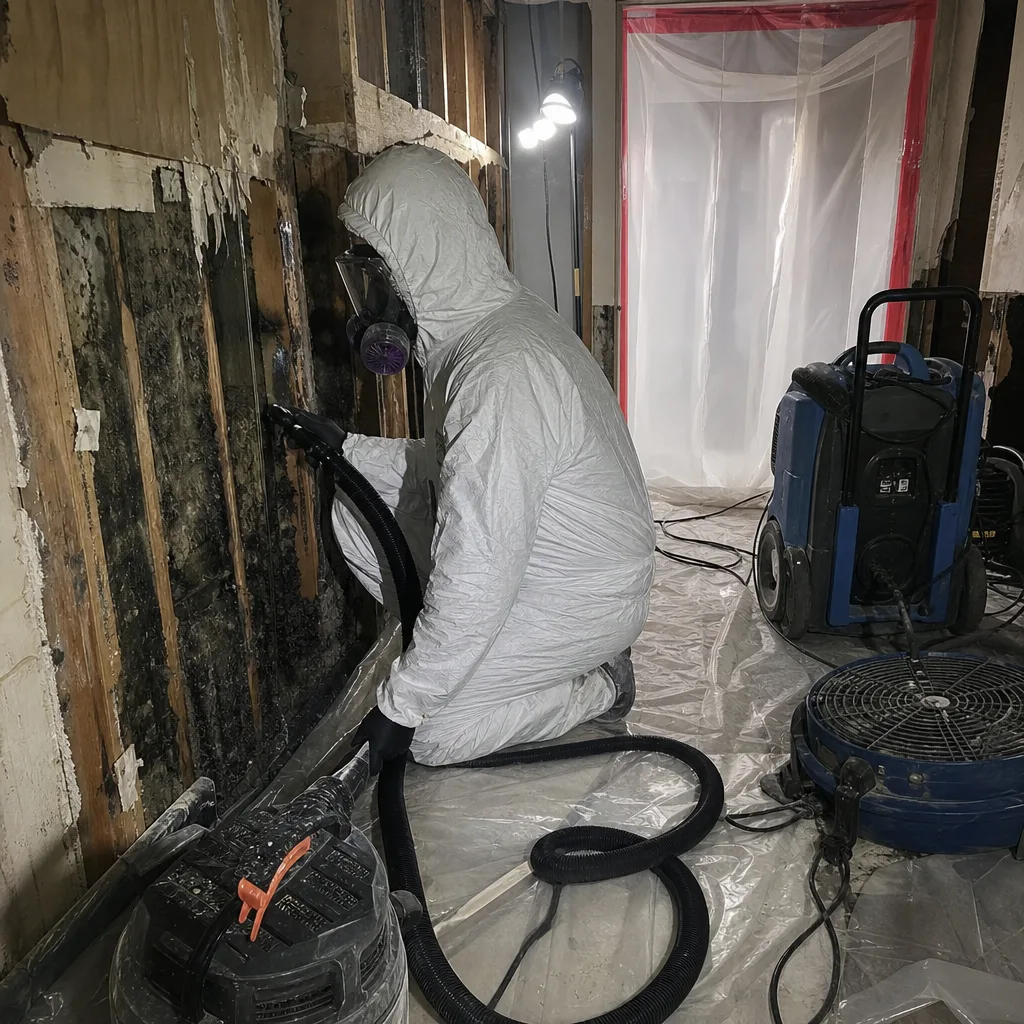
Playa del Rey’s damage calendar runs on marine conditions, not traditional seasons. For more guides & resources on protecting your home year-round, visit our blog. The homeowners who avoid major restoration costs are the ones who treat November-February as storm preparation season, March-May as moisture verification season, June-August as vapor management season, and September-October as smoke readiness season. They document every check with dated photos and meter readings. And when a reading or observation exceeds their comfort threshold, they call for professional assessment before the condition escalates.
The Haven Standard was built on the principle that documentation turns restoration from a disputed expense into a verified recovery. Your seasonal log is the first page of that documentation. Our written scope, photo record, and daily drying logs are the rest.
Call (424) 351-9295 for a free estimate or seasonal assessment. Live person, every call, every hour.
Written by Alicia Brennan, Owner at DryMark Restoration Playa del Rey, serving Playa del Rey since 2011.