
Last updated September 23, 2026
Free visual inspection and a written scope of work before any mitigation begins - photos, moisture readings, and drying logs go in your claim file
The scope we write is the scope we bill. Anything new gets shown to you, in writing, before we touch it.
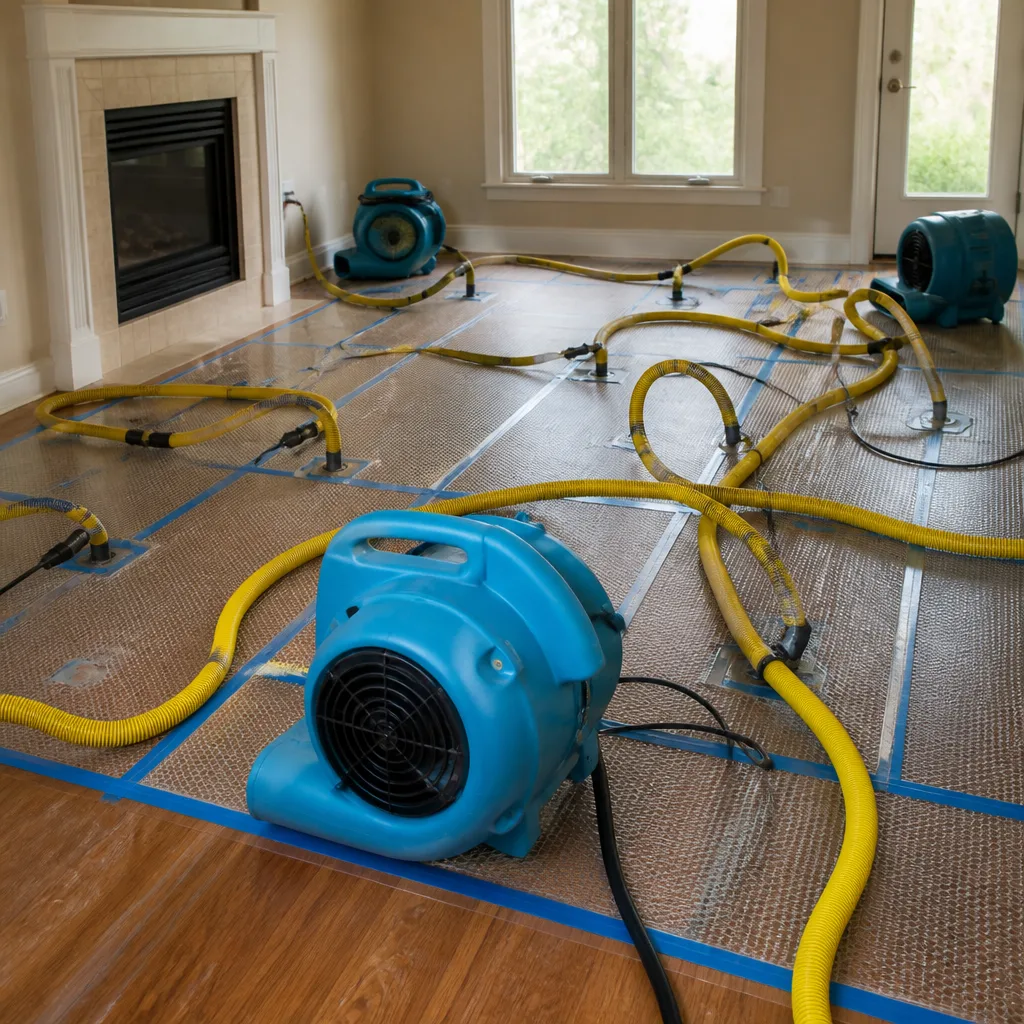

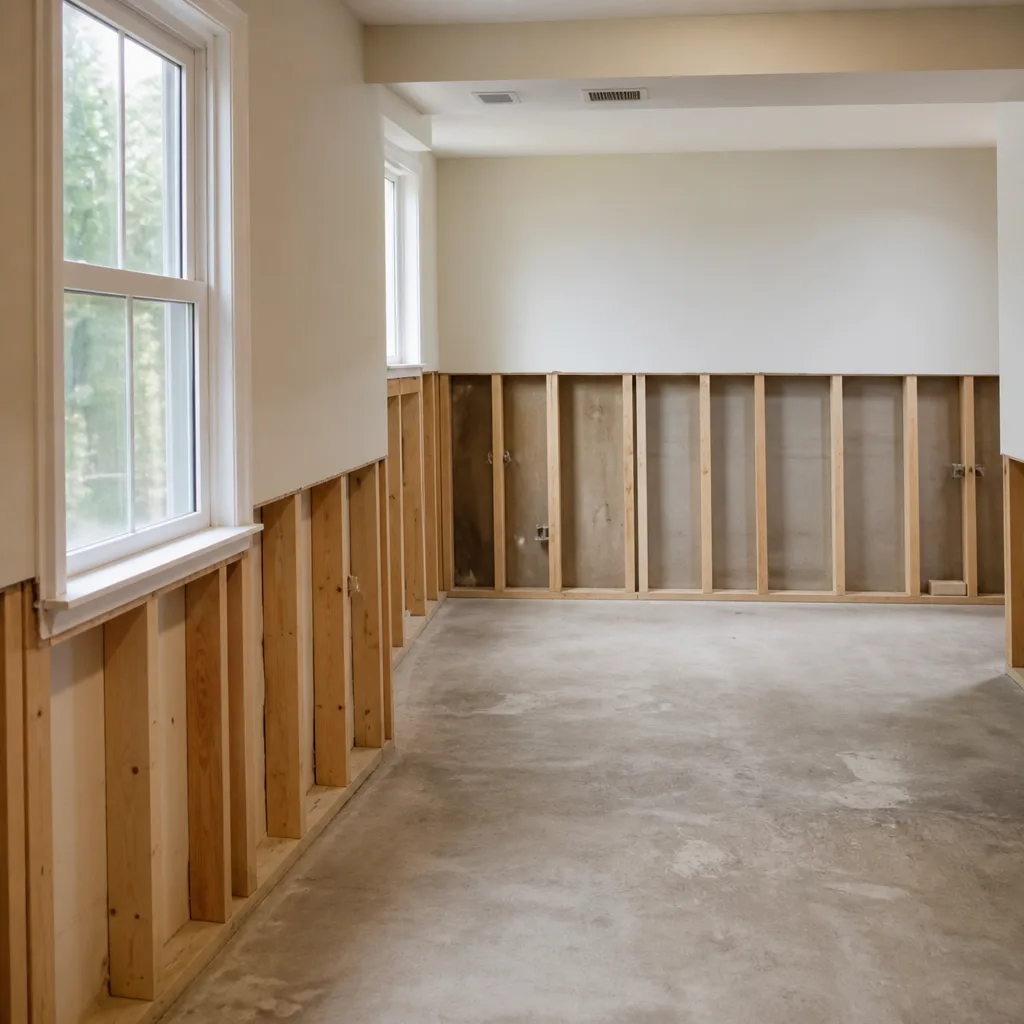

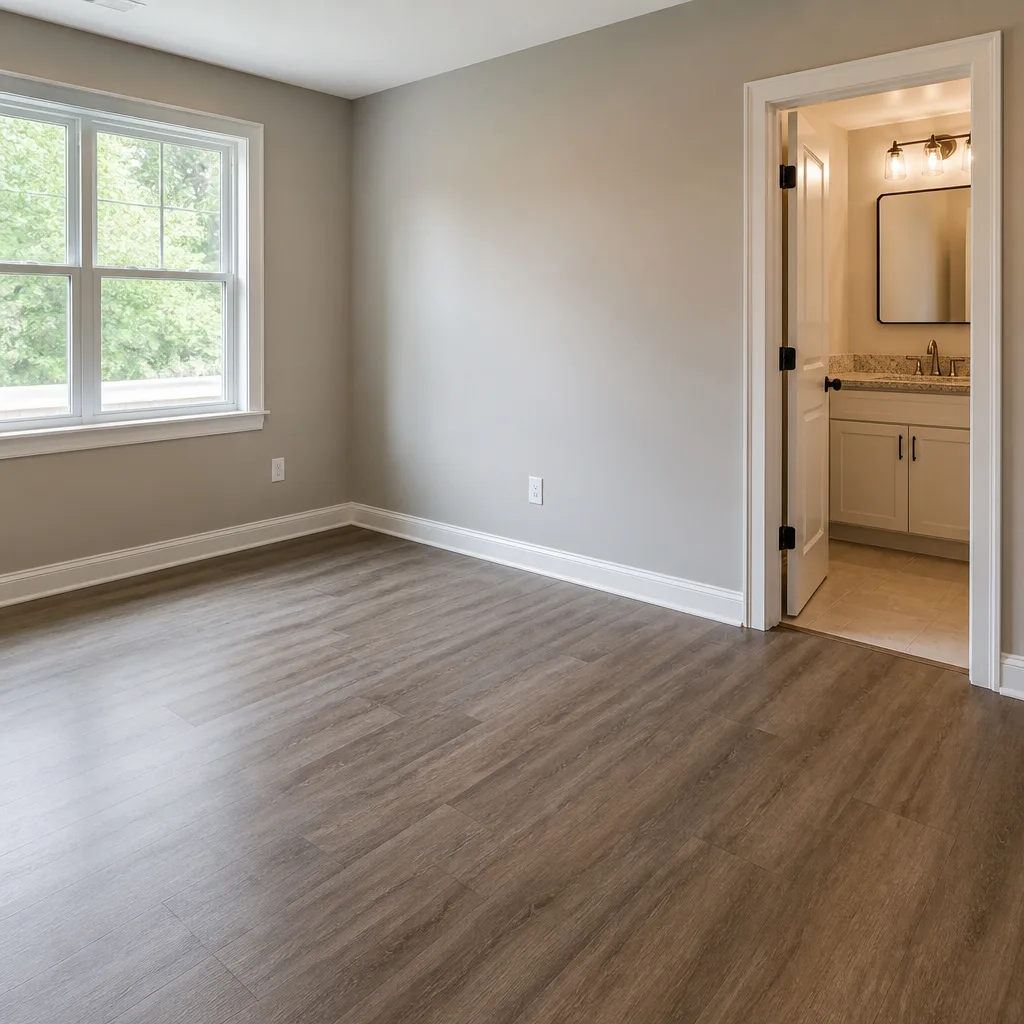

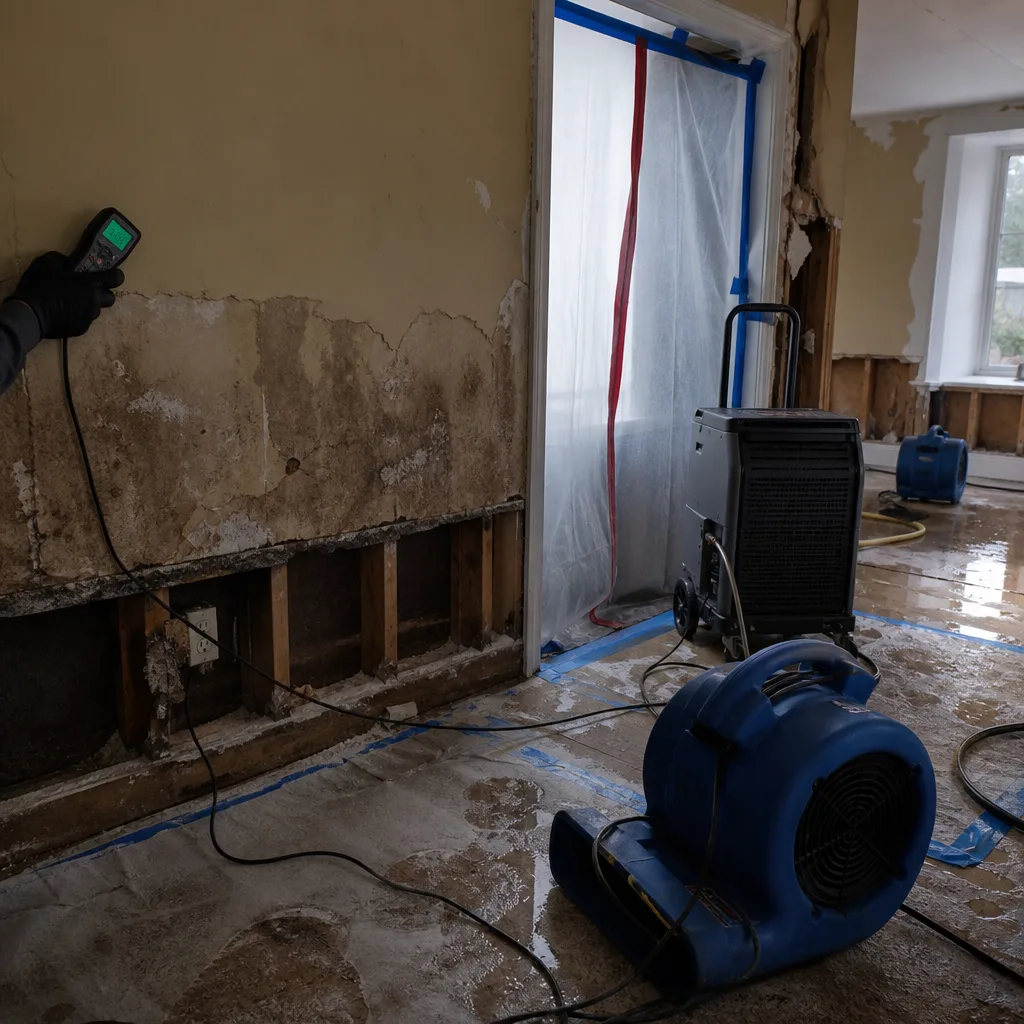 Before
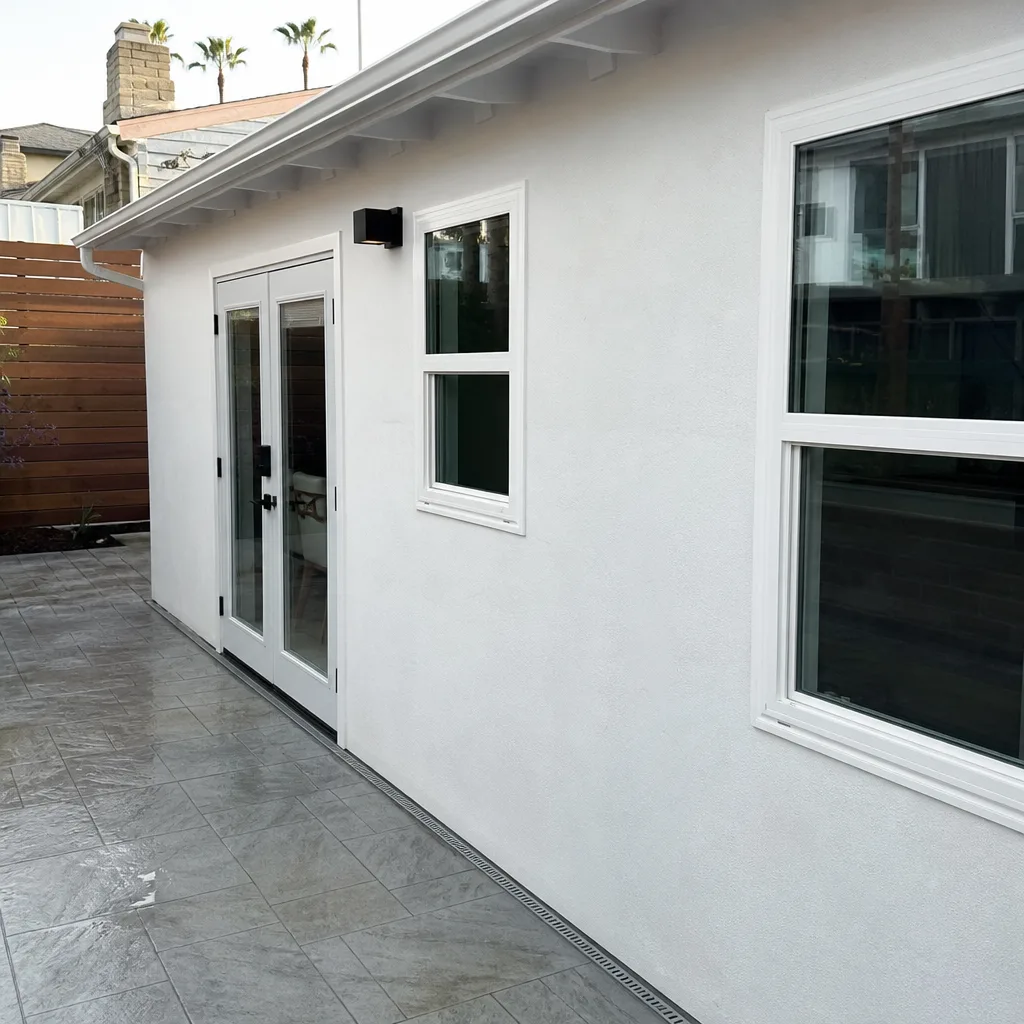 After
After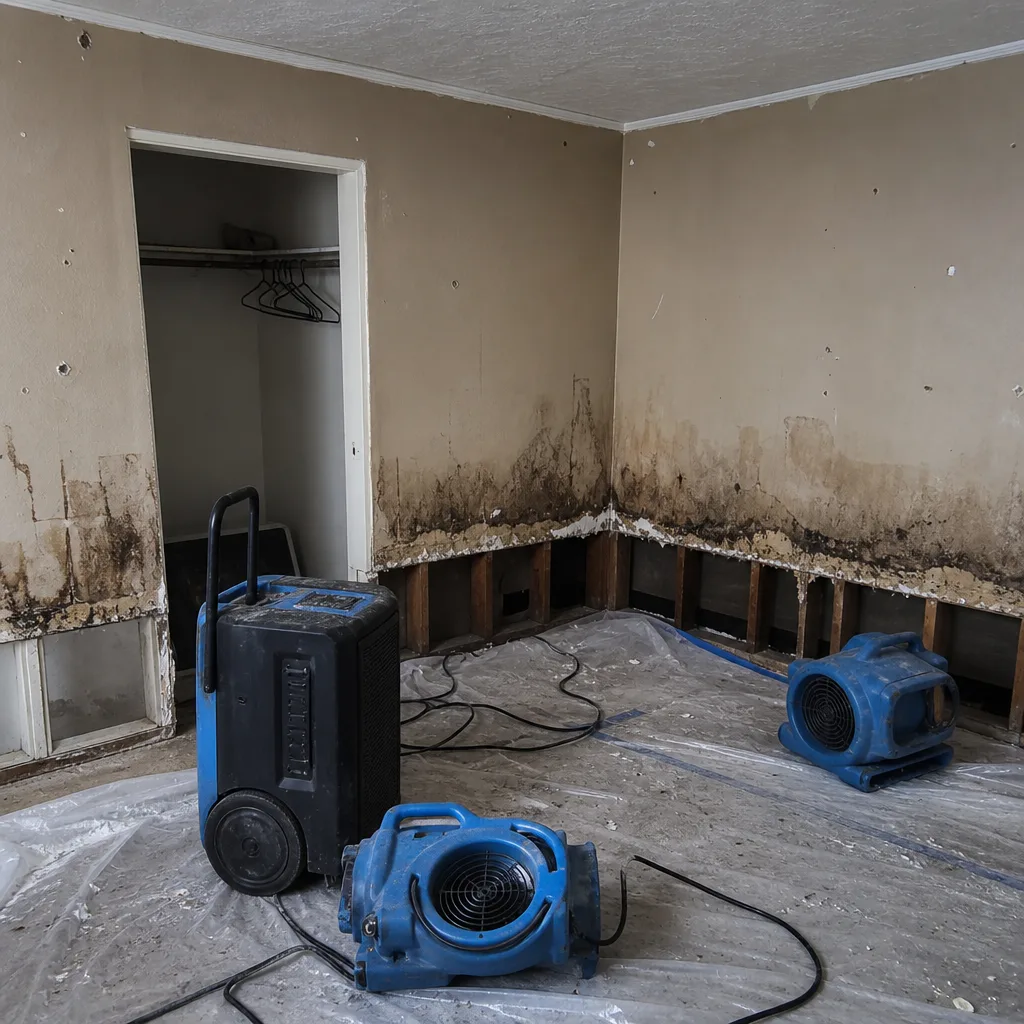 Before
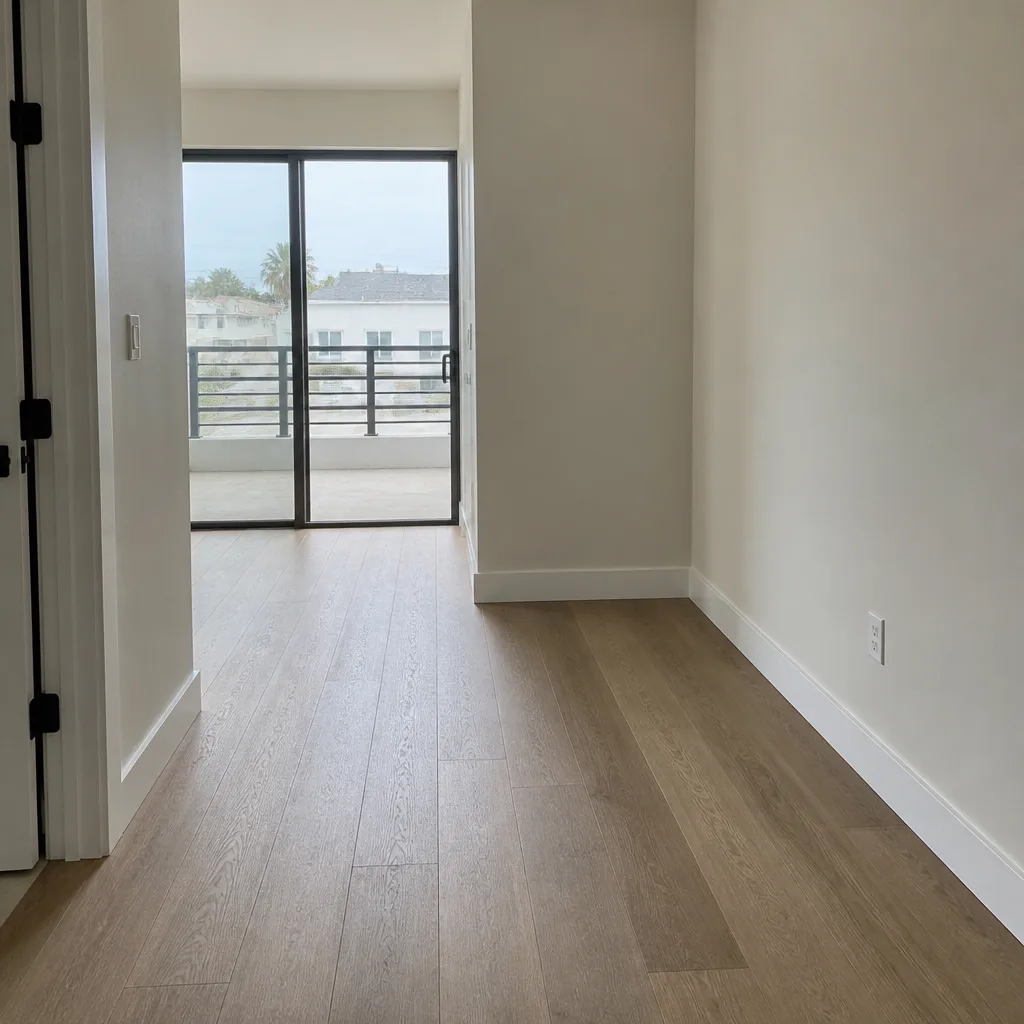 After
After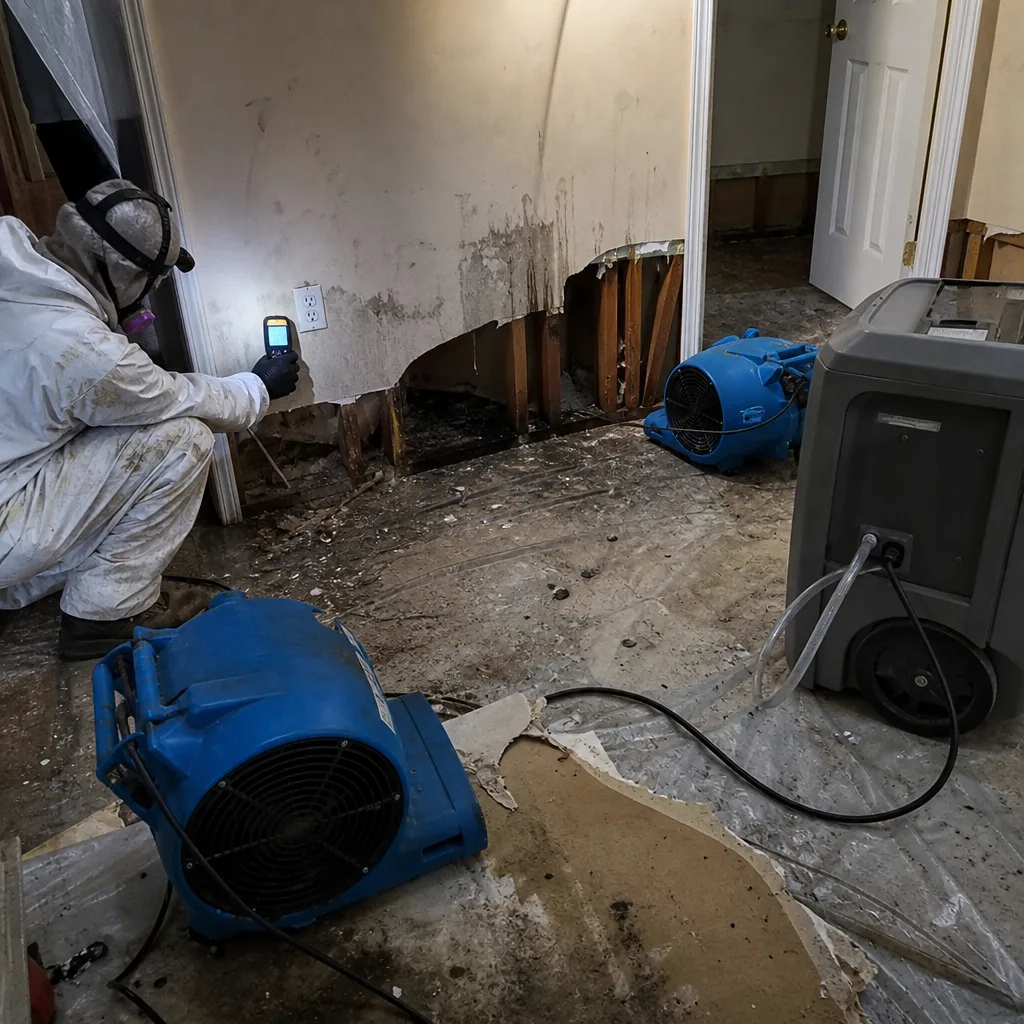 Before
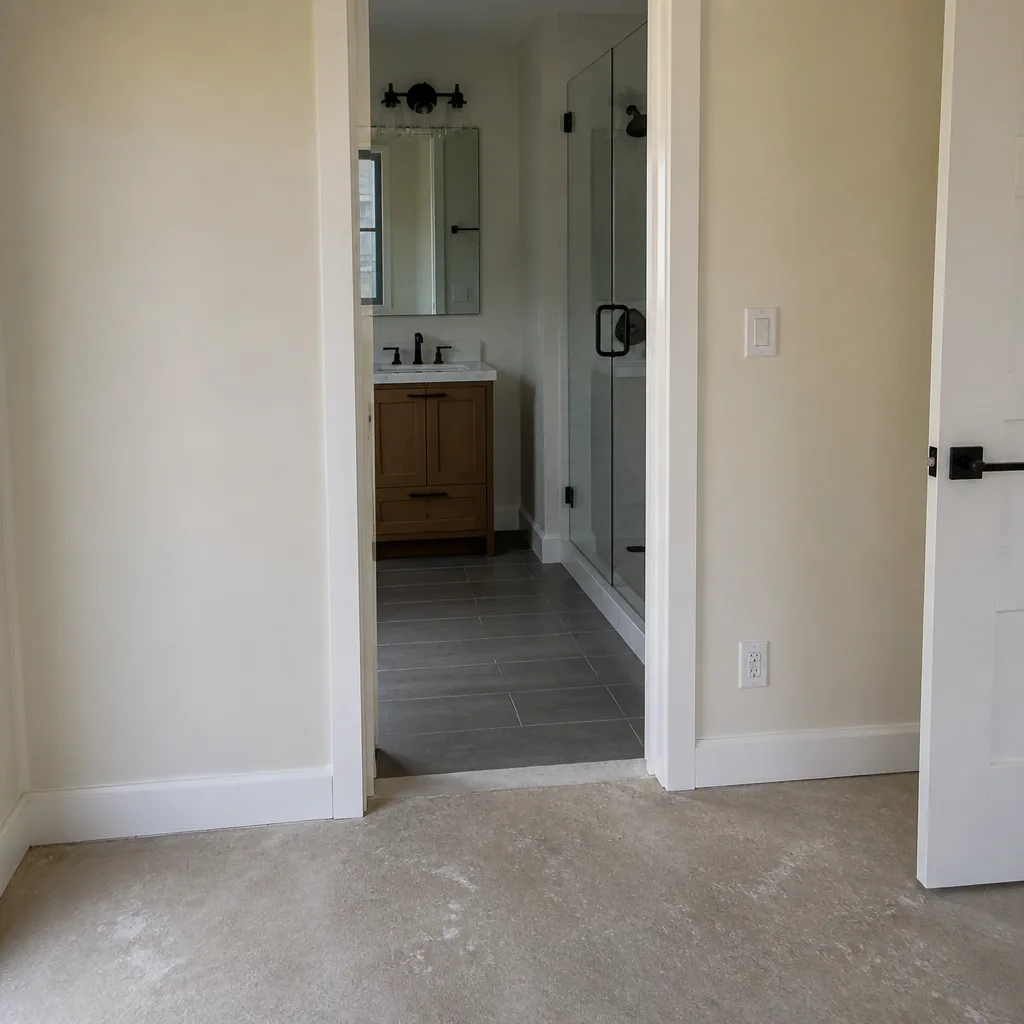 After
AfterDamage Restoration Warning Signs: A Playa del Rey Homeowner’s Reference Guide
A musty odor detectable only in one corner of a room isn’t a ventilation problem - it’s a moisture reading waiting to be taken. In Playa del Rey’s coastal construction, that smell most commonly traces to a failed stucco-to-foundation transition that has been wicking water for months before the smell appears. We’ve restored over 12,000 homes since 2011, and the pattern repeats: homeowners who learn to read their home’s early warning signs save an average of 60% on remediation costs compared to those who wait for visible damage. This guide teaches you to run the same sensory inventory our technicians use on first entry - odor type and location, floor deflection, paint behavior, window condensation timing - so you catch problems while they’re still a drying project, not a demolition. For seasonal maintenance tips to keep your home protected year-round, see our related guide.
Quick Answer
The most critical damage restoration warning signs in Playa del Rey homes are: musty odors localized to one corner or wall (indicating active moisture accumulation), paint bubbling that follows a horizontal line rather than random patches (signaling a continuous water source), floor deflection or popping sounds near plumbing walls, and efflorescence - white crystalline deposits - on stucco or concrete surfaces. These signs typically appear 2-8 weeks before visible water damage and can be distinguished from normal coastal humidity by their persistence, location pattern, and progression over time.
Table of Contents
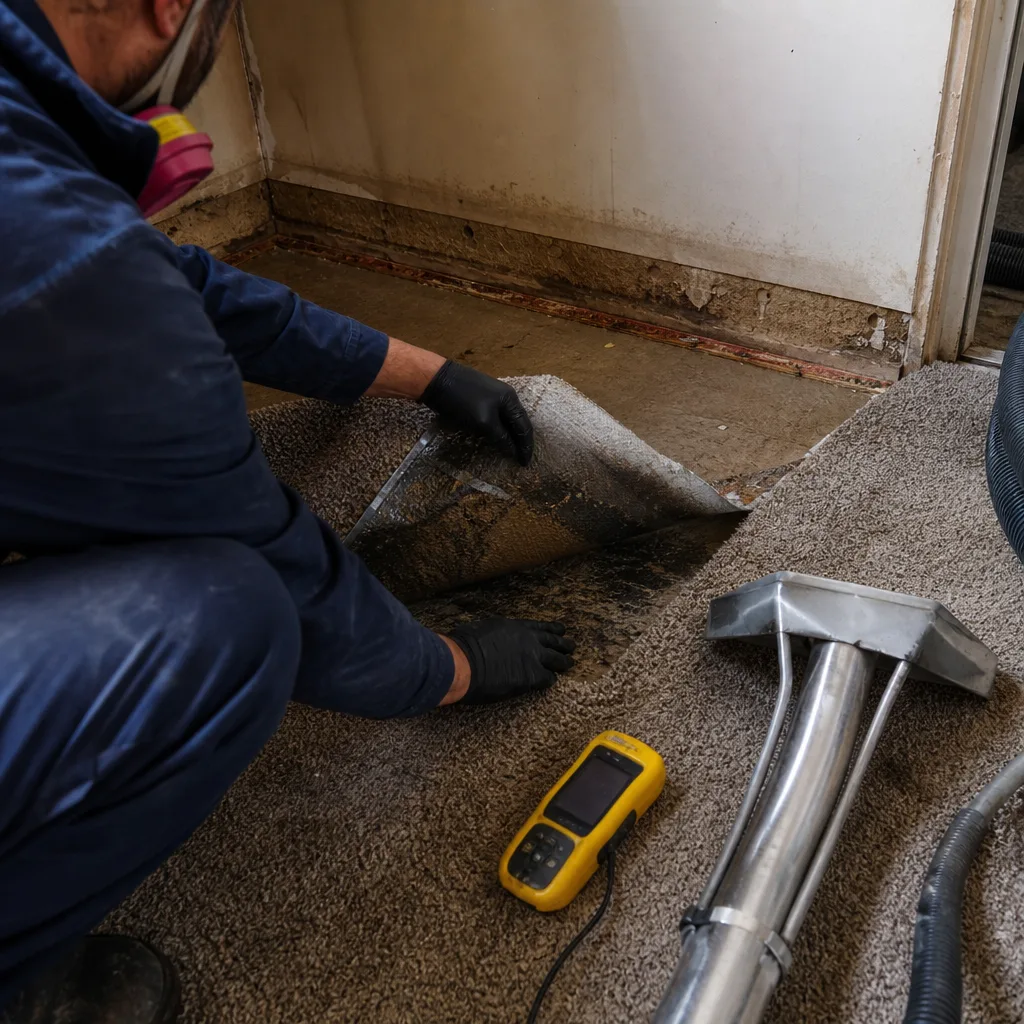
- Reading Your Home Like a Technician: The Sensory Inventory
- Coastal Construction Warning Signs Unique to Playa del Rey
- Distinguishing a One-Time Event from an Active, Ongoing Source
- Room-by-Room Warning Sign Reference
- Monitoring Check (Free) vs. Emergency Call (Paid and Time-Sensitive)
- Common Mistakes to Avoid
- When to Call a Professional
- Frequently Asked Questions
 Before
 After
AfterReading Your Home Like a Technician: The Sensory Inventory
When our technicians enter a Playa del Rey home for the first time, they run a standardized sensory protocol before touching any equipment. This isn’t intuition - it’s a documented assessment that produces comparable data across visits. Homeowners can replicate the observable portions of this protocol with no tools beyond a notebook and regular attention.
Odor: Type, Location, and Timing
Not all musty smells indicate the same problem. Our drying logs from Playa del Rey jobs show three distinct odor signatures:
- Sharp, ammonia-like mustiness near baseboards: Typically indicates urine-scale contamination from a failed wax ring or sewage backup, not clean water intrusion. This warrants immediate professional assessment due to bacterial and viral hazard.
- Sweet, earthy mustiness in a single corner: Usually slow wicking through a compromised stucco-to-foundation transition or failed deck flashing. The moisture content is often 18-24% - above the 16% threshold where mold colonization accelerates, but below the saturation point where drywall fails.
- Stale, locker-room smell that shifts with HVAC cycles: Points to condensation in ductwork or an evaporator coil pan overflow, common in Playa del Rey’s salt-air environment where coil corrosion accelerates.
Document where you smell it, what time of day, and whether it intensifies after rain or during Santa Ana wind conditions. Playa del Rey’s marine layer can mask early odors; the dry, warm Santa Ana period often reveals problems hidden by normal humidity.
Floor Deflection and Sound
Walk every room slowly, heel-first. Note any springiness, popping, or grinding sounds. In Playa del Rey’s 1950s-1970s slab construction - common in the original beach bungalow stock - a hollow sound under tile indicates delamination from moisture vapor transmission through the slab. In newer construction with raised floors over crawl spaces, deflection near plumbing walls suggests a slow leak in a pressurized line.
Measure deflection subjectively: does the floor feel different underfoot than it did six months ago? Progressive change indicates an active source; stable condition suggests a past event that has dried.
Paint Behavior: Pattern Recognition
Paint failure follows predictable patterns that reveal the water source:
- Horizontal bubbling along a wall’s lower third: Capillary rise from foundation moisture or slab wicking. Common in Playa del Rey where the water table sits 4-8 feet below grade and seasonal fluctuations push moisture upward.
- Vertical streaking from ceiling corners: Roof or upper-story plumbing leak tracking along a rafter or stud bay.
- Random, scattered blistering with no pattern: Usually humidity-driven, not liquid water. May indicate inadequate ventilation rather than intrusion.
- Bubbling concentrated around electrical outlets or switch plates: High-priority indicator - moisture has entered the wall cavity and may be interacting with electrical components. This warrants immediate professional assessment for safety.
Window Condensation Timing
Condensation on interior glass is normal in Playa del Rey during marine layer mornings. Condensation that persists past 10 AM, that appears on only one window in a room, or that forms on the window frame rather than the glass - these indicate elevated moisture in the surrounding wall cavity, not ambient humidity.
Coastal Construction Warning Signs Unique to Playa del Rey
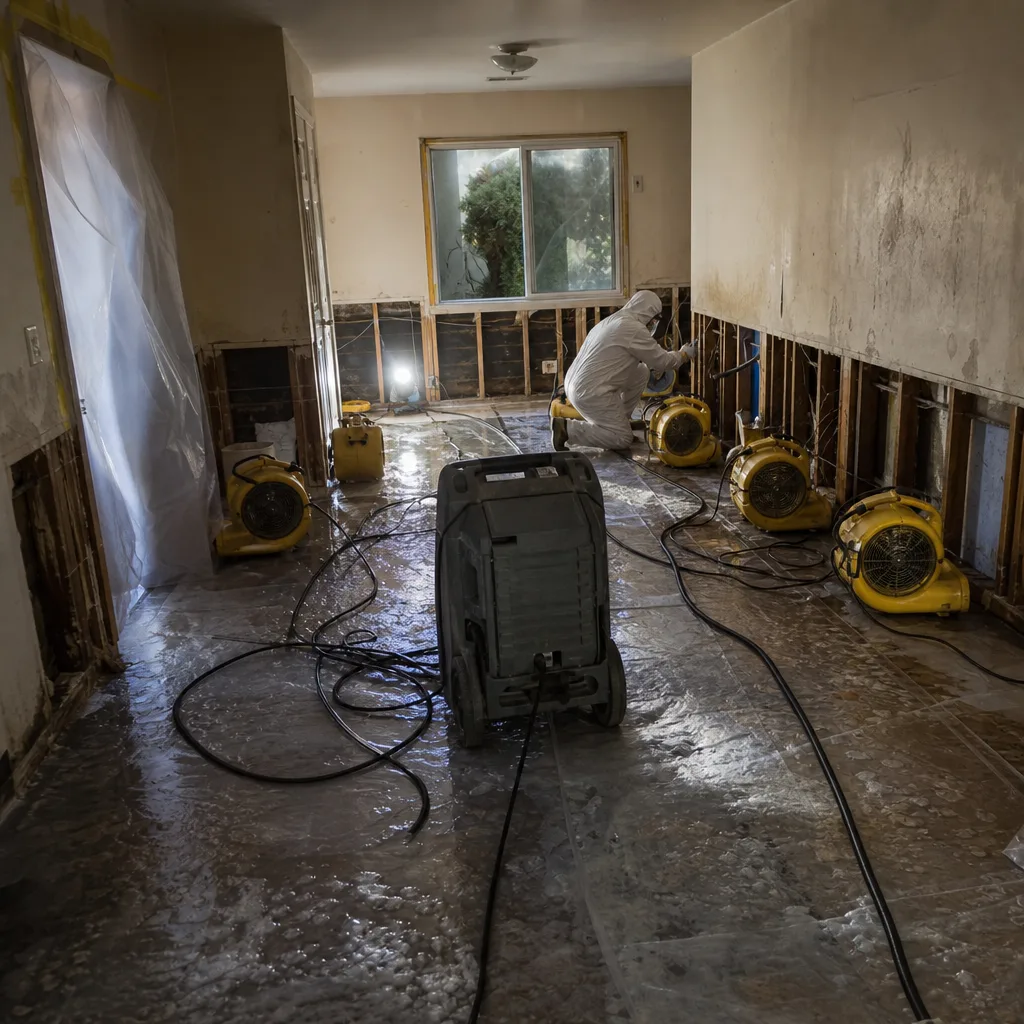
Playa del Rey’s coastal environment creates damage signatures that inland homeowners never see. Salt air accelerates metal corrosion, marine moisture sustains fungal growth at lower temperatures, and the specific construction practices of this beach community produce failure modes distinct from standard California building stock.
Efflorescence on Stucco and Concrete
White, powdery crystalline deposits on stucco surfaces - efflorescence - indicate soluble salts being drawn to the surface by evaporating water. In Playa del Rey, this is rarely a cosmetic issue. The salt content in our local soil and groundwater is elevated due to historic tidal influence and coastal aquifer characteristics. When efflorescence appears at the base of a stucco wall, it means water has penetrated the stucco matrix, dissolved salts, and is actively evaporating at the surface.
We’ve documented efflorescence on homes from the DryMark Restoration Playa del Rey home service area that traced to failed weep screeds - the metal flashing that should allow drainage at the stucco base. Once the weep screed corrodes (accelerated by salt air), water becomes trapped in the wall cavity. The efflorescence you see is the visible fraction; the moisture meter reading inside the wall typically runs 35-55%.
Rust Staining at Weep Screeds and Flashing
Orange-brown streaks emerging from stucco joints, particularly at window heads and sills, indicate corroding metal flashing. In Playa del Rey’s salt-air environment, galvanized steel flashing can fail in 8-12 years rather than the 20+ year lifespan expected inland. Rust staining is a leading indicator: the metal has perforated, and water is now entering the wall assembly.
Salt-Whitening at Window and Door Frames
White, chalky deposits on aluminum or vinyl window frames - distinct from paint oxidation - indicate salt crystallization from evaporating moisture. This occurs when wind-driven rain penetrates frame seals and evaporates repeatedly, leaving salt residue. The frame seal has failed; the question is whether the surrounding wall cavity has accumulated moisture. A moisture technician would check the drywall immediately adjacent to the frame with a pinless meter.
Stucco Cracking Patterns
Not all stucco cracks are equal. Hairline, random cracking is normal curing and thermal movement. Cracks that run vertically from window or door corners, or horizontal cracks that step in a stair pattern, indicate structural movement often caused by moisture-compromised foundations. Playa del Rey’s sandy, well-draining soils can become locally saturated by broken irrigation or sewer lines, creating differential settlement that manifests in these specific crack patterns.
Garage Floor Deterioration
Garage floors in Playa del Rey homes show accelerated spalling and aggregate exposure when moisture vapor transmission rates exceed 3 pounds per 1,000 square feet per 24 hours (the standard for successful flooring adhesion). The coastal humidity baseline keeps slabs closer to saturation year-round; any additional moisture source pushes them over the threshold. If your garage floor coating is failing in patches rather than wearing uniformly, moisture vapor is the likely cause.
Distinguishing a One-Time Event from an Active, Ongoing Source
This distinction determines whether you need monitoring or mitigation. A one-time event - an overflowed tub, a window left open during a storm - can often be resolved with targeted drying if caught within 24-48 hours. An active, ongoing source requires source repair before any drying is meaningful. Not sure whether to tackle it yourself or call a pro? Read our DIY vs Professional Damage Restoration: The Playa del Rey Homeowner’s Decision Guide.
The 72-Hour Observation Protocol
Without equipment, you can establish whether a moisture source is active using this protocol:
- Photograph the affected area with a ruler or coin for scale. Note date, time, and recent weather.
- Mark the boundary of any discoloration with pencil on the wall or tape on the floor.
- Eliminate all plausible one-time causes: Check irrigation timers, recent appliance use, window positions, and whether the area was cleaned recently.
- Observe for 72 hours without altering ventilation or heating. If the marked boundary expands, the source is active. If it contracts or remains stable, the event was likely one-time and the material is drying naturally.
- Check after the next rain event or irrigation cycle. Recurrence with weather correlation indicates envelope failure; recurrence with irrigation timing indicates plumbing or drainage failure.
Progressive vs. Static Indicators
| Indicator | Static (One-Time Event) | Progressive (Active Source) |
|---|---|---|
| Odor | Present but not intensifying; may fade with ventilation | Intensifies over days; localized and persistent |
| Paint | Bubbled area stable; no new blisters | New bubbling appears; existing blisters enlarge |
| Floor | Single soft spot; no expansion | Deflection area grows; new sounds develop |
| Staining | Uniform color; dry to touch | Darker at center or edges; may feel cool/damp |
| Efflorescence | Light, patchy; brushes off | Dense, recurring; reappears after removal |
Progressive indicators in two or more categories confirm an active source. Single-category progression still warrants professional moisture mapping to locate the source.
Room-by-Room Warning Sign Reference
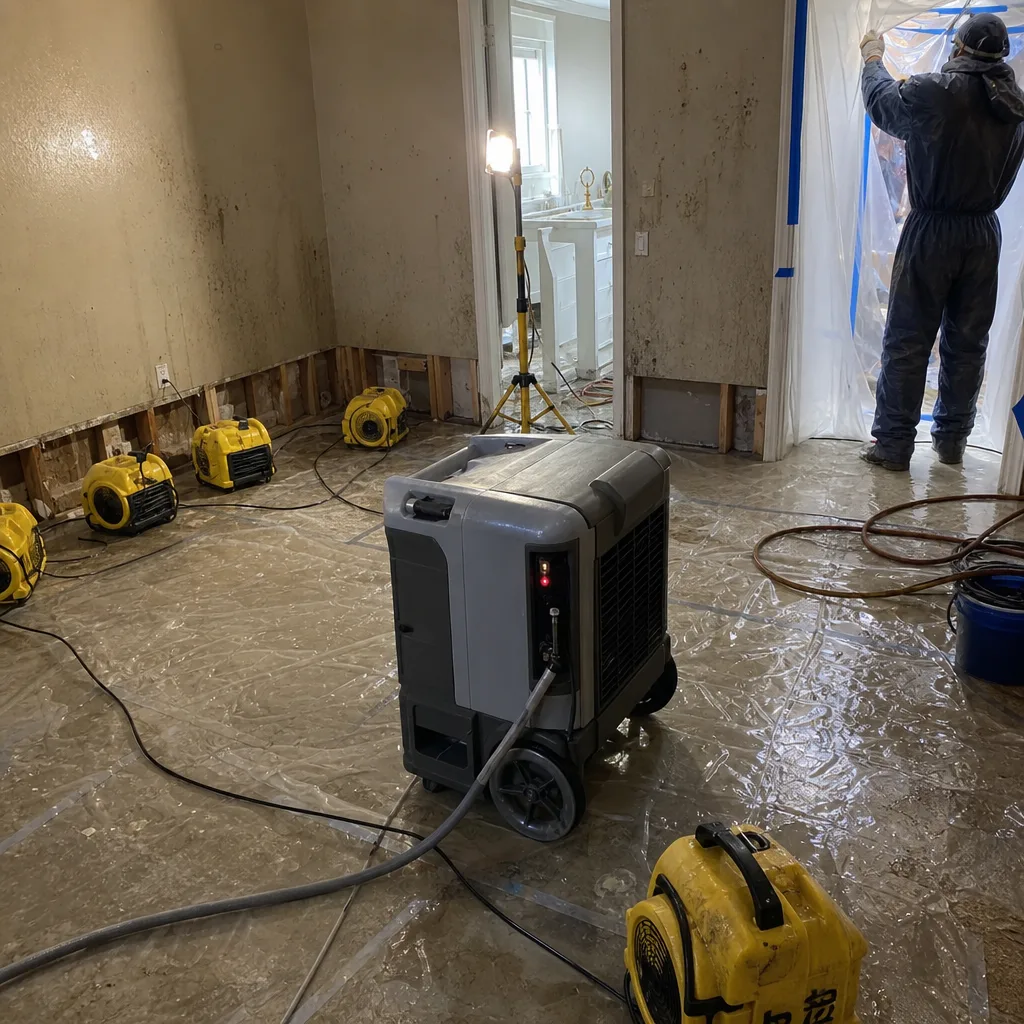
Use this as a systematic check, quarterly or after any weather event. Document your observations; they become valuable baseline data if you later need professional assessment or insurance documentation.
Kitchen
- Under-sink cabinet: Warped or stained cabinet floor; mustiness that returns after cleaning; corrosion on shutoff valves (salt-air accelerated).
- Dishwasher surround: Discolored grout at adjacent tiles; soft drywall at side panels; dishwasher tub not emptying completely.
- Refrigerator water line: Copper lines with green corrosion at compression fittings; plastic lines with kinking or abrasion at wall penetration.
- Slab perimeter: Tile popping or grout cracking in a line from sink wall to exterior wall - possible pressurized line leak in slab.
Bathrooms
- Shower/tub surround: Caulk separation at tub-to-wall joint (movement from moisture-compromised substrate); tile sounding hollow when tapped; grout erosion in horizontal lines (water pooling).
- Toilet base: Staining or softness at floor; rocking toilet indicating flange failure; odor that intensifies after flushing.
- Ventilation: Fan that no longer clears mirror condensation in under 10 minutes - may indicate duct blockage or termination failure, trapping moisture in ceiling cavity.
- Plumbing wall: Baseboard separation or paint bubbling on wall behind toilet or adjacent to shower valve - classic indicator of supply or drain line leak in wall.
Laundry Room
- Washer hoses: Bulging, cracking, or corrosion at fittings; braided steel hoses with rust weeping at ends.
- Drain standpipe: Water backing up during spin cycle; overflow staining on wall behind.
- Dryer vent: Extended drying times; lint accumulation at exterior termination; moisture condensation in duct (indicates blockage or improper slope).
Living Areas and Bedrooms
- Exterior walls: Cool spots that persist in summer; carpet tack strip rust; baseboard gaps that open and close seasonally more than other walls.
- Ceilings: Nail pops concentrated in one area; crown molding separation from ceiling; paint texturing that differs from original application.
- Windows: Condensation between double-pane glass (seal failure); frame swelling that impedes operation; water staining at top of window opening (indicates improper or failed head flashing).
Garage
- Slab surface: Dampness that persists after dry weather; white efflorescence; oil stains that spread beyond original boundary (moisture pushing upward).
- Walls: Staining at base where slab meets wall; drywall deterioration in lower 12 inches; mustiness after closing garage for 24 hours.
- Water heater and softener: Corrosion on connections; drip pan with standing water; supply line kinking or abrasion.
Exterior and Foundation
- Stucco: Efflorescence; rust staining; cracking patterns as described above; areas that sound hollow when tapped (delamination from moisture).
- Grade and drainage: Soil line above stucco weep screed (common in landscaped beds); downspouts discharging against foundation; irrigation spray hitting stucco surface.
- Roof and attic: Shingle granules in gutters; daylight visible through roof decking at eaves; soffit staining or sagging.
Monitoring Check (Free) vs. Emergency Call (Paid and Time-Sensitive)
Not every warning sign demands immediate emergency response. Misjudging this distinction costs homeowners unnecessary after-hours fees; underestimating true emergencies costs exponentially more in secondary damage. These are the decision criteria we apply when Playa del Rey homeowners call our 24-hour live line.
Free Monitoring Check Indicators
Schedule a standard appointment during business hours if you observe:
- Stable, non-expanding discoloration with no odor
- Single-category progressive indicator (odor only, or paint only, but not both)
- Historical efflorescence that has not recurred after previous cleaning
- Window condensation that resolves by midday and affects multiple windows uniformly
- Any observation where your 72-hour protocol shows no expansion
A monitoring check includes moisture mapping with pinless and pin-type meters, thermal imaging to locate potential hidden moisture, and a written report with recommendations. There is no charge for this assessment, and no obligation to proceed with any work.
Emergency Call Indicators
Call immediately, any hour, if you observe:
- Active water flow or dripping from any ceiling, wall, or fixture
- Sagging ceiling material or bubbling paint with water visible behind
- Electrical outlet or switch that is warm, sparking, or has visible moisture
- Sewage odor with any liquid present
- Structural deformation: wall tilting, floor sinking, door frames out of square
- Multiple progressive indicators in a single area (odor + paint + floor)
- Water entering from exterior during active rain
Emergency response includes source stop (shutting water main if plumbing-related), extraction of standing water, placement of professional-grade drying equipment from Dri-Eaz or Phoenix systems, and documentation with photo record. The written scope and price are delivered before work begins, per Haven Standard, Clause 1.
Common Mistakes to Avoid
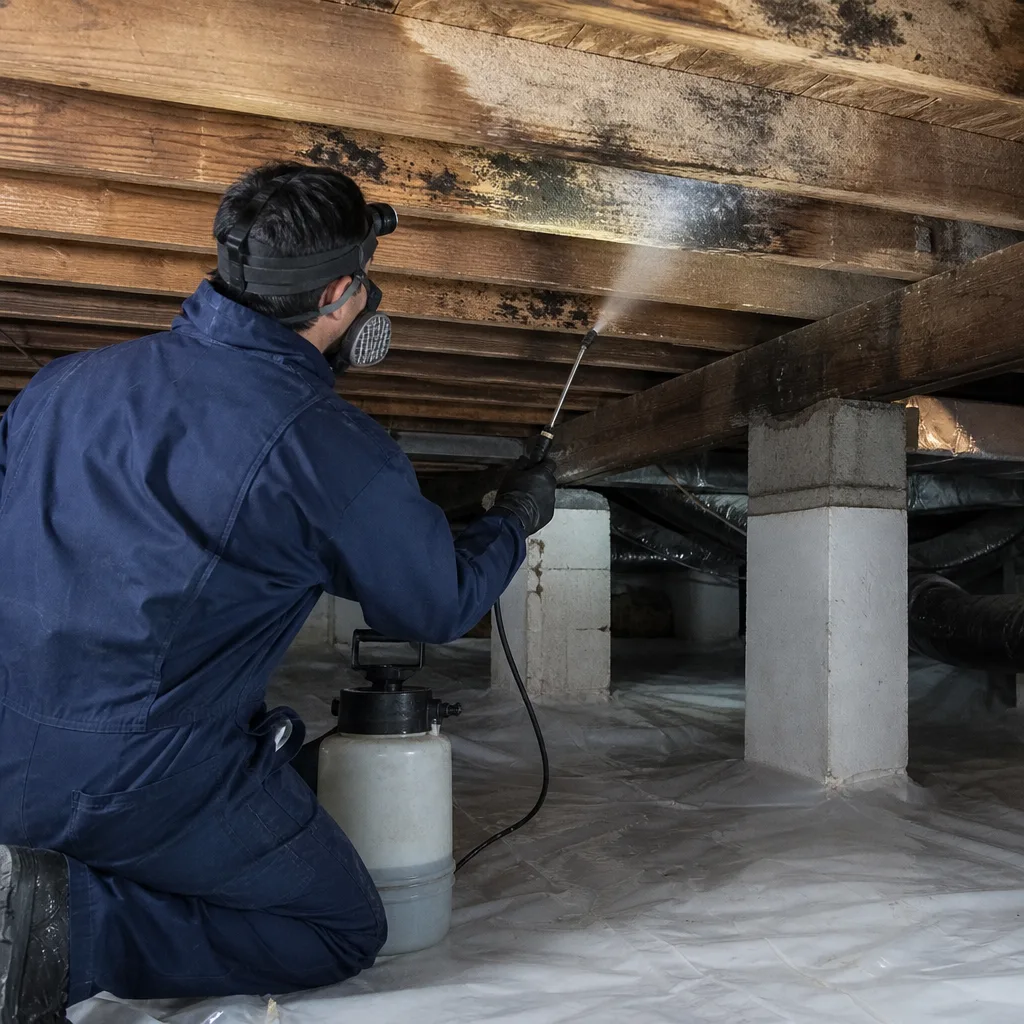
- Attributing localized mustiness to “just coastal humidity.” Playa del Rey’s ambient humidity is uniform across a home. A smell confined to one corner indicates a localized moisture source, not general climate. We’ve seen homeowners ignore this for months, turning a $400 drying project into a $12,000 mold remediation.
- Using bleach on visible mold. Bleach does not penetrate porous materials and can provide moisture that sustains deeper growth. It also removes visible evidence while leaving viable mold structure, complicating later professional assessment and insurance documentation.
- Waiting for insurance approval before calling. Most policies require “reasonable and necessary” mitigation to prevent further damage. Delay that results in expanded damage may be partially denied. Document everything, but begin source control immediately.
- Assuming new construction is immune. Playa del Rey’s 2000s-era construction boom produced homes with envelope failures that are now reaching the 15-20 year mark where flashing corrosion and sealant degradation become critical. Age of home is not protective.
- Ignoring garage and exterior storage areas. These spaces often lack the climate control and occupancy that would reveal problems early. By the time damage reaches interior living spaces, the source has typically been active for 6-18 months.
- Accepting “mystery moisture” explanations. Every moisture source is discoverable with proper investigation. If a professional cannot explain where water is coming from, the investigation is incomplete, not the source inexplicable.
- Skipping documentation of pre-existing conditions. Photograph your home’s baseline condition quarterly. When damage occurs, these images establish causation, timeline, and pre-loss condition for insurance purposes. Our photo record on every visit is standard; your own baseline documentation is equally valuable.
When to Call a Professional
Call for professional assessment when any progressive indicator is confirmed, when multiple indicator categories align in one area, or when your 72-hour observation produces ambiguous results. The cost of misjudgment - in structural damage, mold proliferation, or insurance complications - far exceeds the cost of early professional evaluation. If you’re ready to hire help, our step-by-step guide to hiring a damage restoration contractor in Playa del Rey walks you through the process.
DryMark Restoration Playa del Rey offers free estimates in Playa del Rey - call (424) 351-9295. Our live person answers every call, 24 hours a day, 7 days a week, with no voicemail on emergency lines. Every job is quoted in writing before work begins, documented with a photo record on every visit, and covered by the 365-Day Done Right Promise under The Haven Standard. We also provide a Free Second Opinion on any competitor’s written estimate at no charge.
For water-specific concerns, see our detailed guide on Water Damage Restoration in Playa del Rey. For mold-related warning signs, our Mold Remediation in Playa del Rey page covers assessment protocols and remediation standards.
Frequently Asked Questions
A standard moisture assessment with written report is typically provided at no charge by reputable restoration companies. At DryMark Restoration Playa del Rey, our monitoring check includes pinless and pin-type moisture meter readings, thermal imaging scan, and a written findings report with no obligation to proceed with work. Emergency response for active water intrusion involves extraction and drying services that are billed according to the written scope delivered before work begins, per Haven Standard, Clause 1. Call (424) 351-9295 to schedule either service.
Most homeowner policies cover sudden and accidental damage but exclude long-term maintenance issues. The critical factor is whether the damage was hidden and unknown versus visible and ignored. Documented warning sign observations - dated photos, notes - can actually support your claim by establishing when damage became discoverable. Our documentation protocols, including photo records on every visit and written drying logs, are designed to provide insurers with the evidence needed to establish coverage. We coordinate directly with adjusters as part of our standard process.
Our live dispatch answers every call immediately, and emergency crews are typically on-site within 60-90 minutes for active water intrusion in the Playa del Rey area. Response time for non-emergency monitoring checks is usually same-day or next business day by appointment. Speed matters for mitigation - water damage categories escalate from clean water to gray water to black water based on time and temperature - but reconstruction work is always scoped, scheduled, and priced in writing before beginning, never rushed.
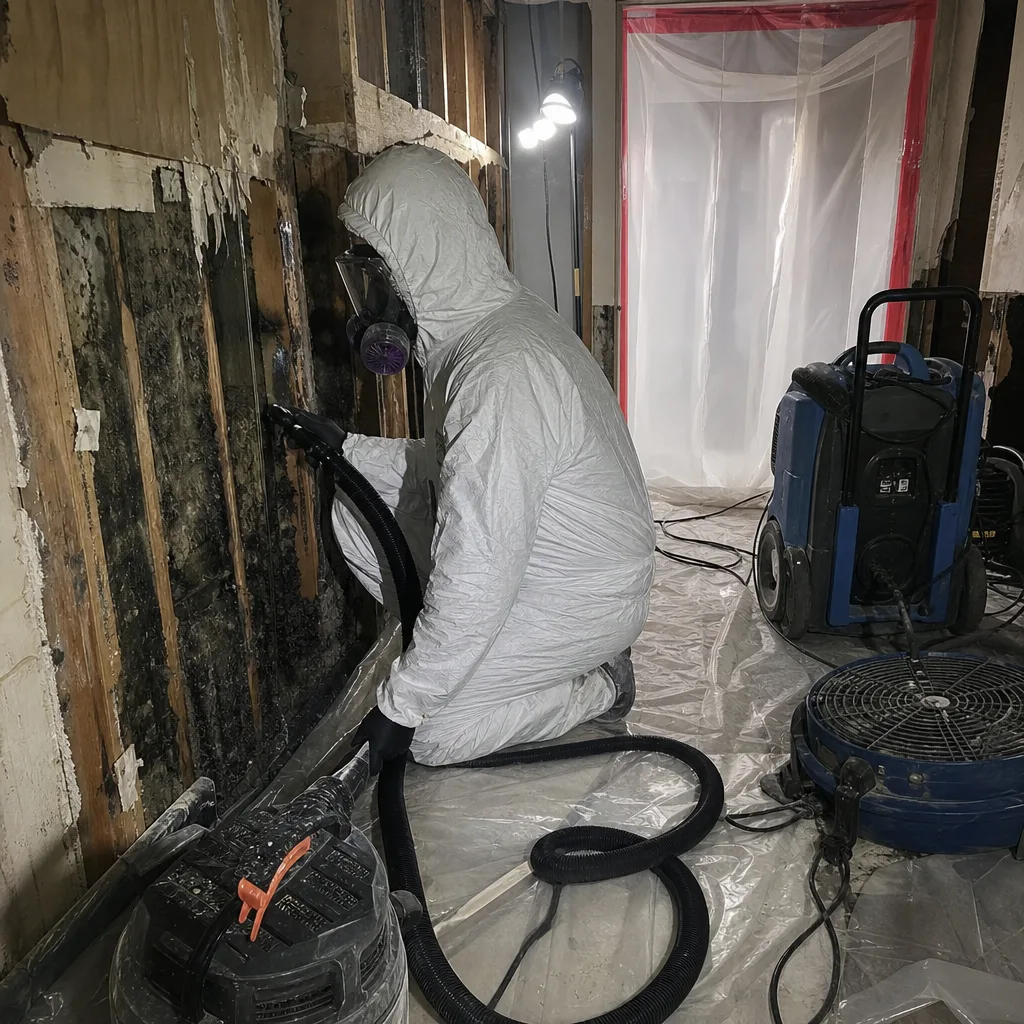
Visible mold on a hard surface smaller than 10 square feet can sometimes be addressed with proper containment and cleaning. However, visible growth is rarely the full extent; mold typically extends 2-4 times the visible area within wall cavities. More importantly, the moisture source must be identified and eliminated or the mold will return. Our assessment determines whether the growth is surface-only or indicates a larger concealed problem. For fire and smoke damage or biohazard situations, professional remediation is always required due to health and safety regulations.
Consumer moisture meters ($30-80) typically measure surface moisture only, with limited penetration depth and no calibration documentation. Professional-grade meters used by IICRC-certified technicians measure moisture content at multiple depths, provide psychrometric data (temperature, relative humidity, vapor pressure), and produce readings traceable to standardized calibration. The difference matters: we’ve seen consumer meters read “dry” on surfaces that registered 28% moisture content at 3/4 inch depth - well into the mold growth range. Our Dri-Eaz and Phoenix drying systems are sized and positioned based on professional moisture mapping, not surface readings.
Playa del Rey’s baseline humidity (typically 65-85% versus 40-60% inland) extends drying timelines by 20-40% unless equipment is properly specified. Salt air corrodes metal components faster, meaning weep screed and flashing failures accelerate once begun. Marine layer conditions can mask early moisture problems by keeping everything superficially damp, delaying homeowner recognition. Our drying protocols account for these factors with enhanced dehumidification capacity and more frequent moisture monitoring - documented in daily drying logs that track psychrometric conditions and equipment performance.
At minimum: a written scope and price before work begins (Haven Standard, Clause 1); a photo record of conditions before, during, and after work; daily drying logs with moisture readings and equipment readings; and a written completion certificate or warranty. Our 365-Day Done Right Promise provides a signed guarantee, not a verbal assurance. Be wary of companies that cannot produce sample documentation or that begin work before providing written pricing. The documentation gap is what costs homeowners their claims - it’s why we built our company around closing that gap.
The Bottom Line
Your Playa del Rey home communicates damage potential through specific, observable signals: odor location and character, paint failure patterns, floor behavior, and coastal-specific signs like efflorescence and salt-whitening. Learning to read these signals transforms you from a reactive homeowner - calling after visible damage - to an informed observer who catches problems during the drying-project window, before they become demolition projects. The sensory inventory in this guide mirrors our technician protocol because the same observations that protect your home also produce the documented evidence that protects your insurance claim. Document what you observe, run the 72-hour protocol when uncertain, and call for professional assessment when progressive indicators confirm an active source. Explore our more guides & resources for additional homeowner protection strategies.
Written by Alicia Brennan, Owner at DryMark Restoration Playa del Rey, serving Playa del Rey since 2011.