
Last updated September 23, 2026
Free visual inspection and a written scope of work before any mitigation begins - photos, moisture readings, and drying logs go in your claim file
The scope we write is the scope we bill. Anything new gets shown to you, in writing, before we touch it.
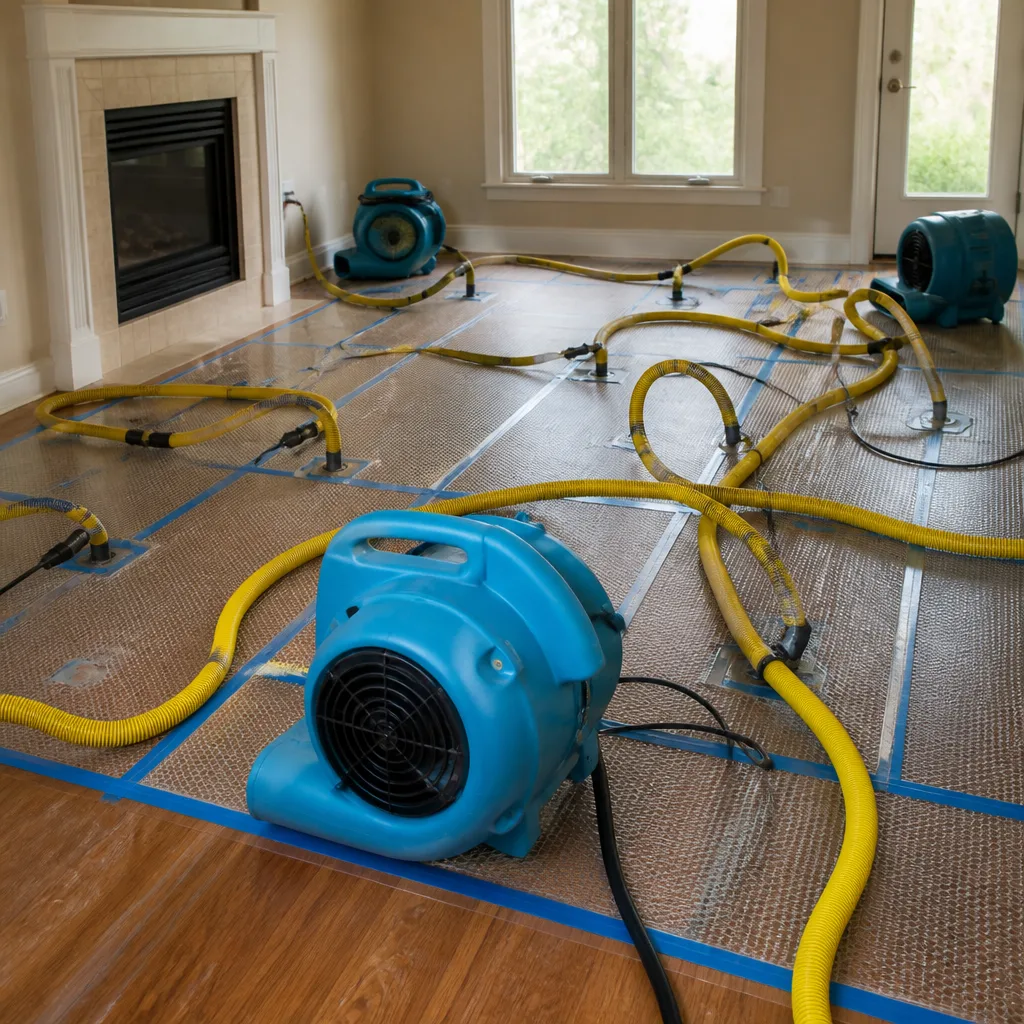
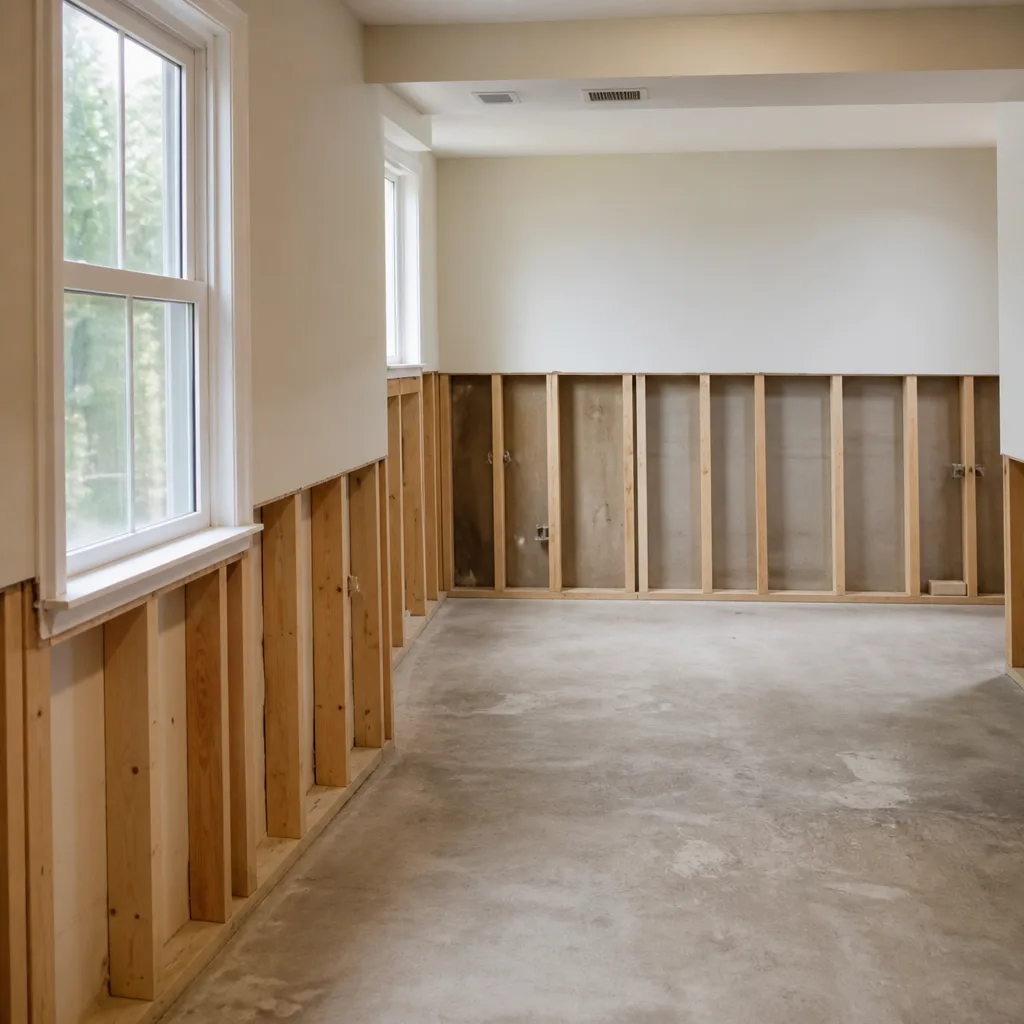
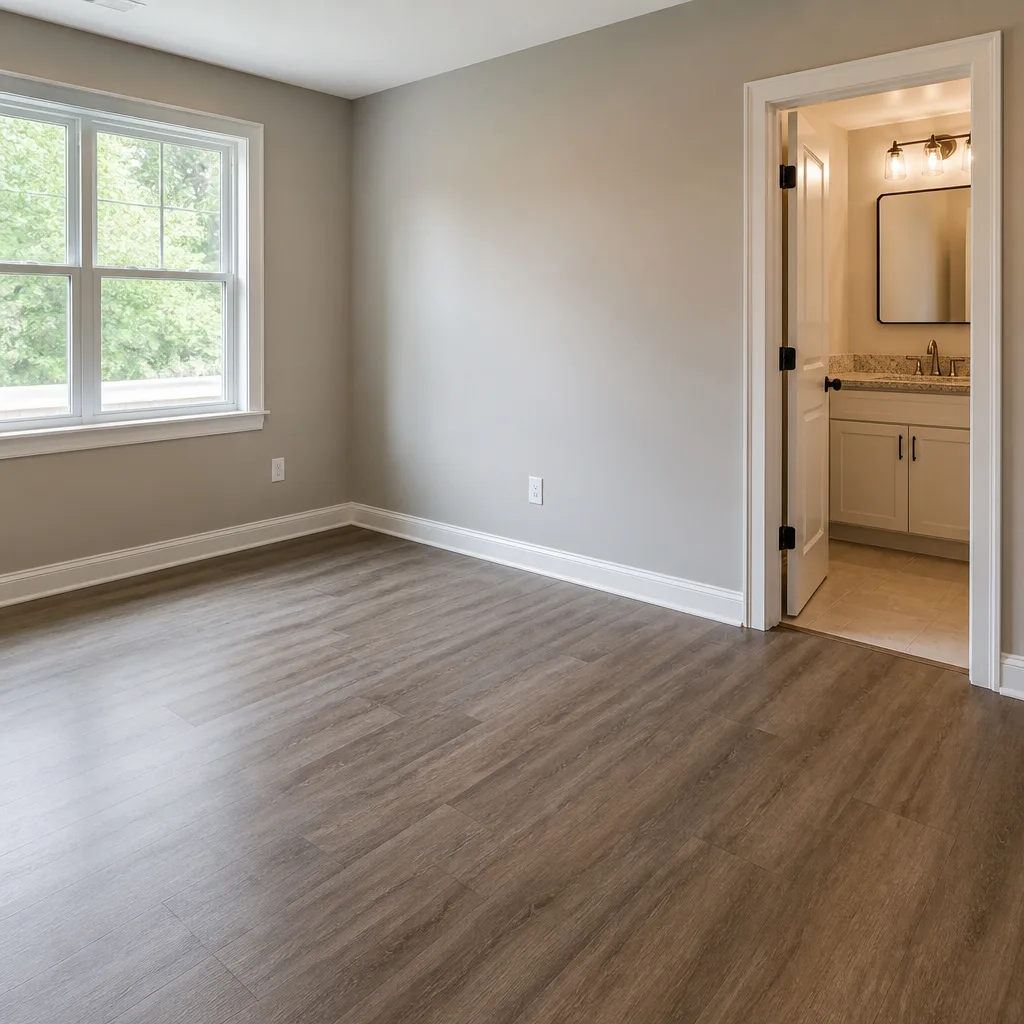

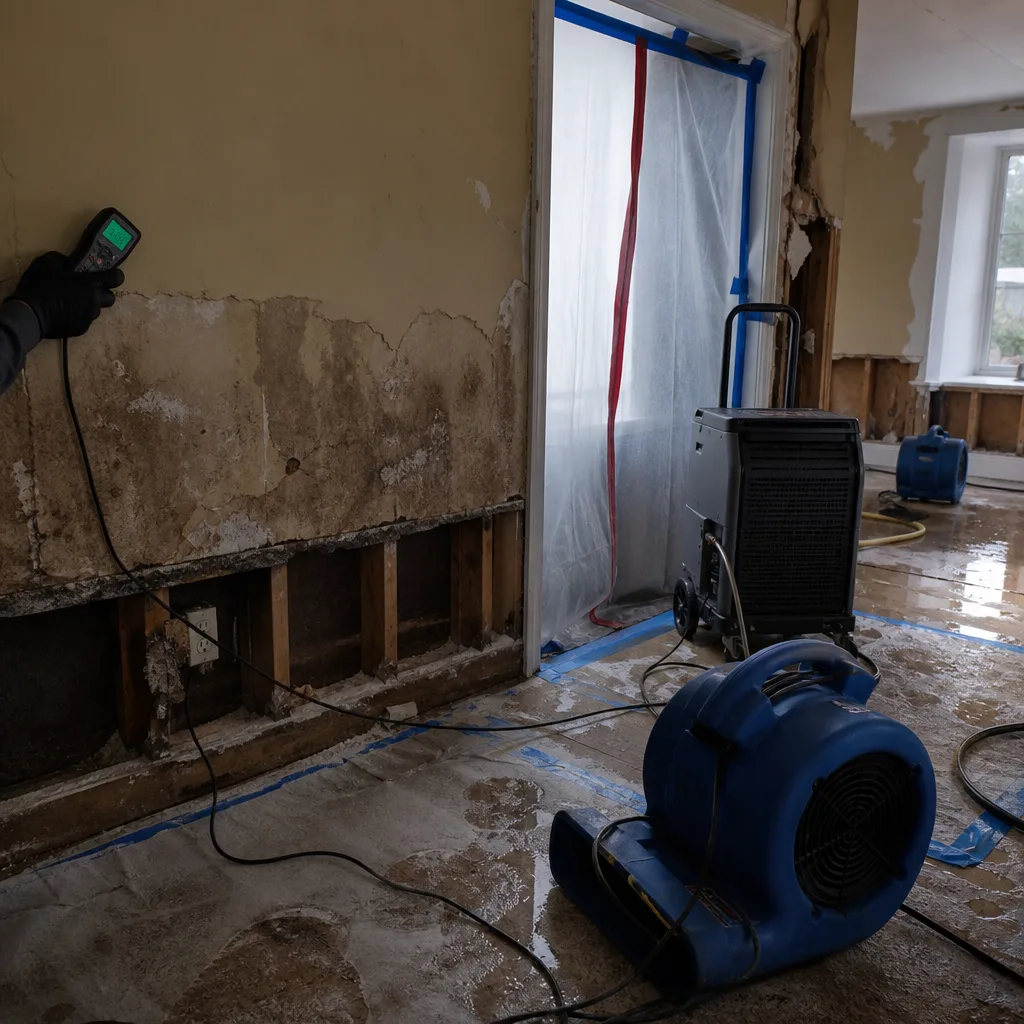 Before
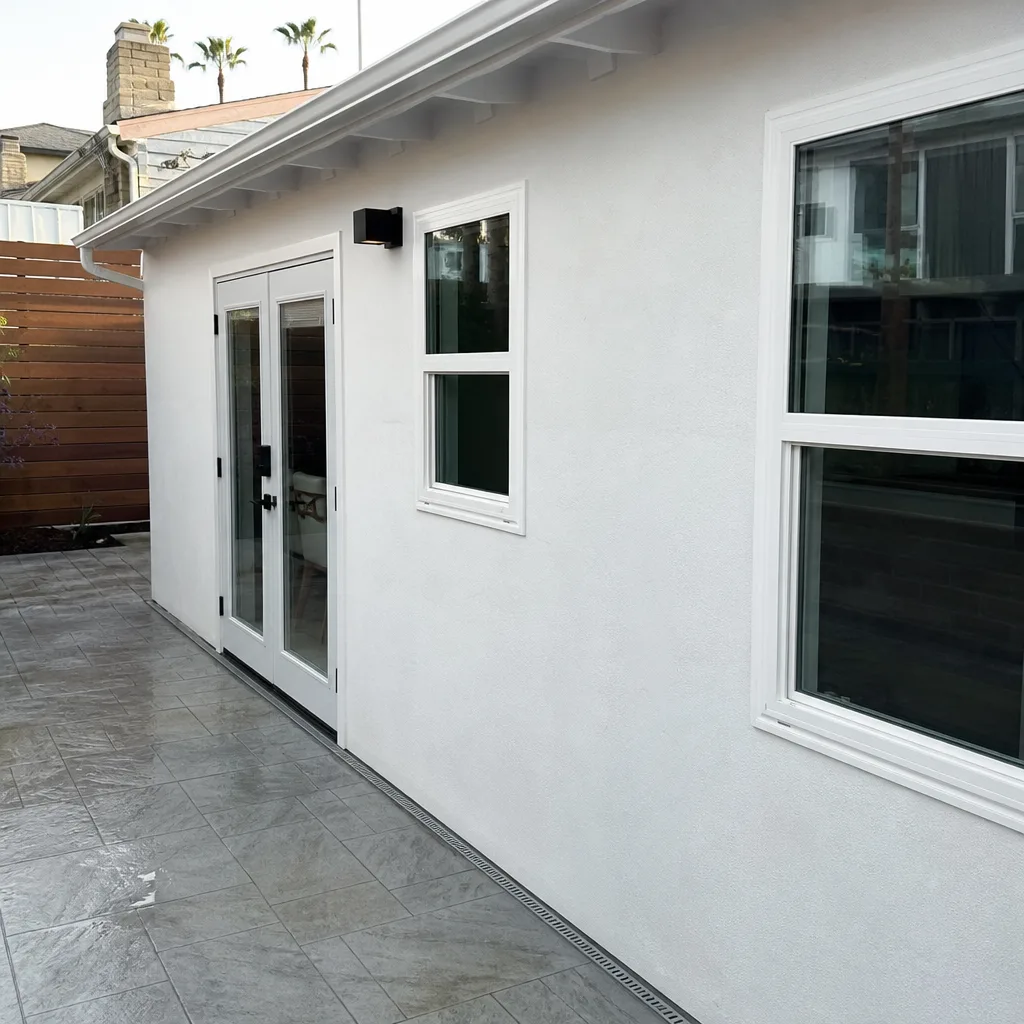 After
After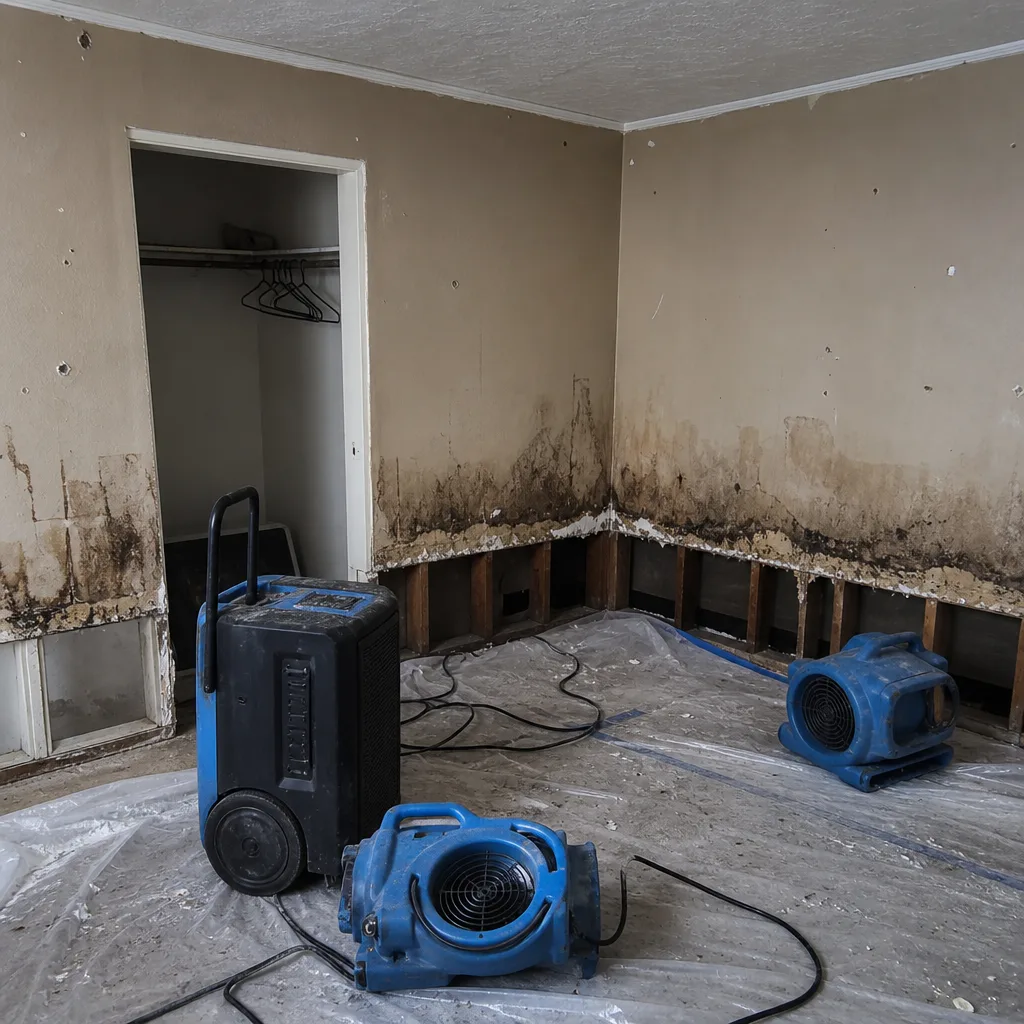 Before
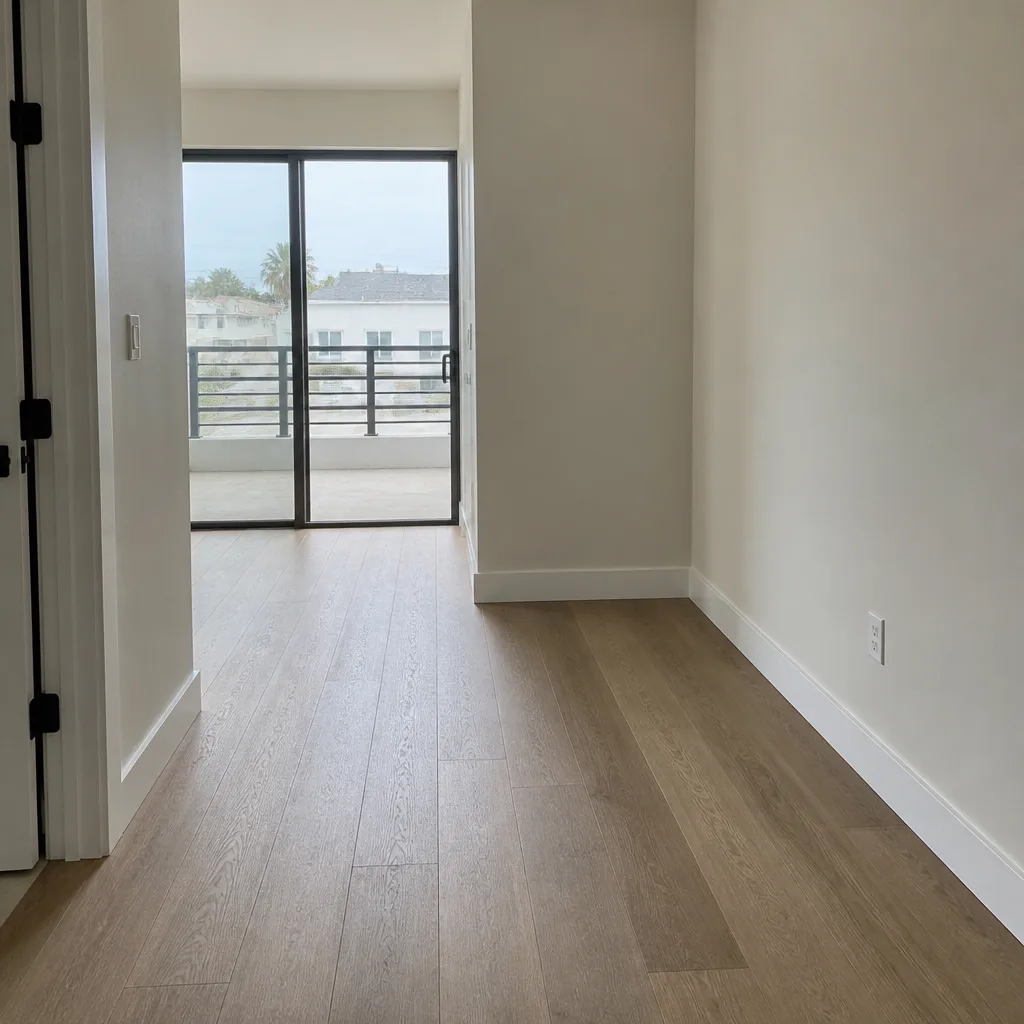 After
After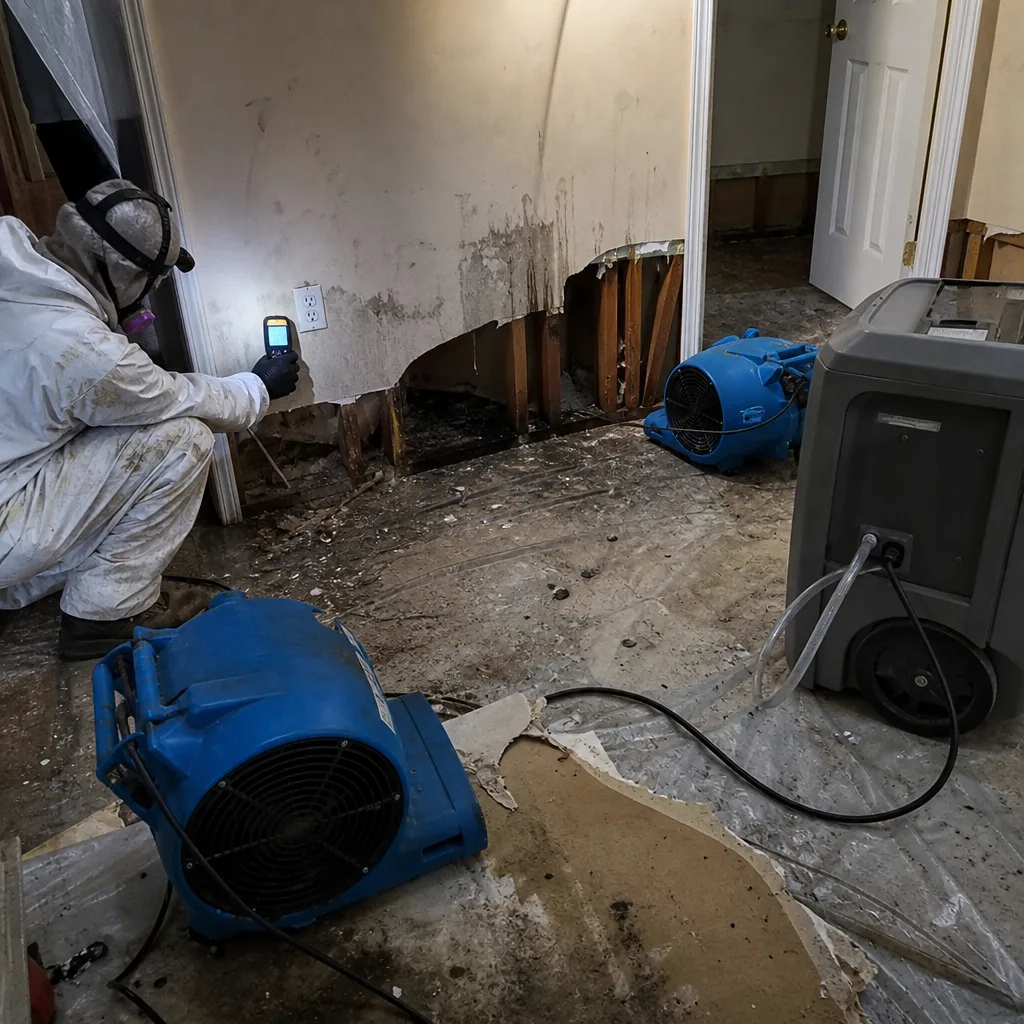 Before
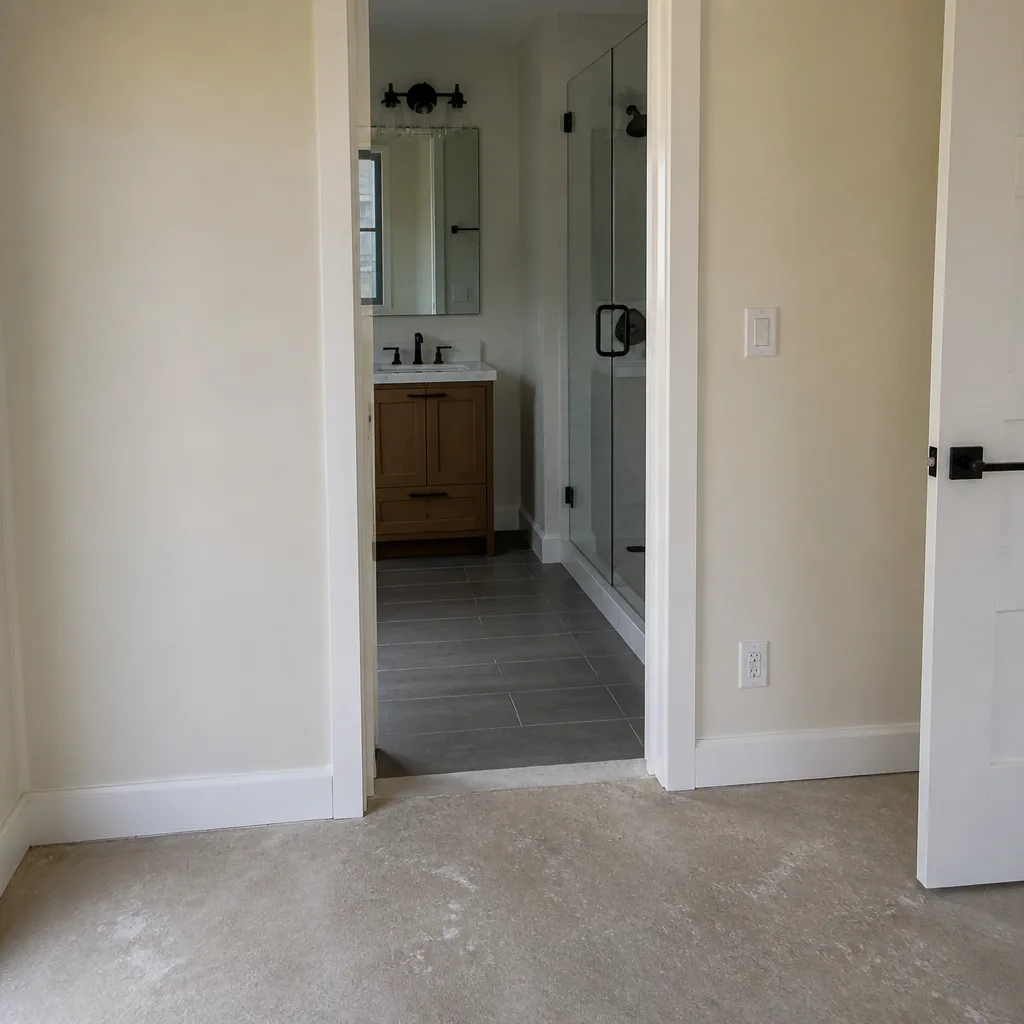 After
AfterDIY vs Professional Damage Restoration: The Playa del Rey Homeowner’s Decision Guide
Here’s the counterintuitive truth we’ve learned from 12,000 homes since 2011: a Playa del Rey homeowner who rents fans and dries a flooded bathroom themselves, then files an insurance claim, often ends up worse off than if they’d done nothing at all. Self-performed remediation without moisture logs, psychrometric data, and documented clearance readings creates an evidence gap that adjusters use to deny or reduce claims. The DIY versus professional question isn’t answered by how handy you are. It’s answered by whether you need an insurer to pay for it. In this guide and across our more guides & resources, you’ll learn the four variables that actually determine when self-remediation is appropriate, what documentation package your claim requires, and when California contractor law makes DIY restoration illegal regardless of your skill level.
Quick Answer
DIY damage restoration is appropriate in Playa del Rey only for Category 1 clean water incidents under 10 square feet with no wall cavity involvement and no insurance claim intended. For everything else, including any situation where you plan to file a claim, professional restoration is required because the documentation package, not the labor, is what insurers pay for.
Table of Contents
- When DIY Restoration Is Actually Appropriate
- The Documentation Gap That Kills Claims
- California Contractor Law: When DIY Becomes Illegal
- The Hidden Costs of DIY Restoration
- The Four-Variable Decision Matrix
- What a Professional’s Documentation Package Actually Contains
- Common Mistakes to Avoid
- When to Call a Professional
- Frequently Asked Questions
 Before
 After
AfterWhen DIY Restoration Is Actually Appropriate
Self-remediation is legally and practically viable in a narrow set of circumstances. We’ve seen it work when all four conditions are met simultaneously.
The four required conditions:
- Category 1 clean water only. This is water from a broken supply line, overflowing sink, or tub with no contaminants. Not dishwasher discharge, not washing machine runoff, not toilet water. Category 1 can degrade to Category 2 within 24-48 hours in Playa del Rey’s mild coastal climate, where relative humidity often sits above 60% and slows natural evaporation.
- Less than 10 square feet of affected area. Measured by the wetted footprint, not the room size. A bathroom floor that got wet is one calculation; water that traveled under baseboards into the hallway is another.
- No wall cavity involvement. Water that reached drywall, insulation, or the gap between baseboard and stud requires professional drying with wall-cavity injection systems like Injectidry. Surface drying with a household fan leaves moisture behind.
- No insurance claim intended. This is the decisive factor. If you’re paying out of pocket and accepting all risk of future mold or structural damage, DIY is your option. The moment a claim enters the picture, documentation requirements override labor considerations.
We’ve handled calls from Playa del Rey homeowners in the Del Rey Hills area who attempted self-drying after a supply line leak, then discovered mold six months later when selling their home - a scenario covered in our How to Hire a Damage Restoration Contractor in Playa del Rey: A Step-by-Step Guide. The initial incident was small enough for DIY. The hidden moisture in the exterior wall, where morning marine layer fog already elevates baseline humidity, was not.
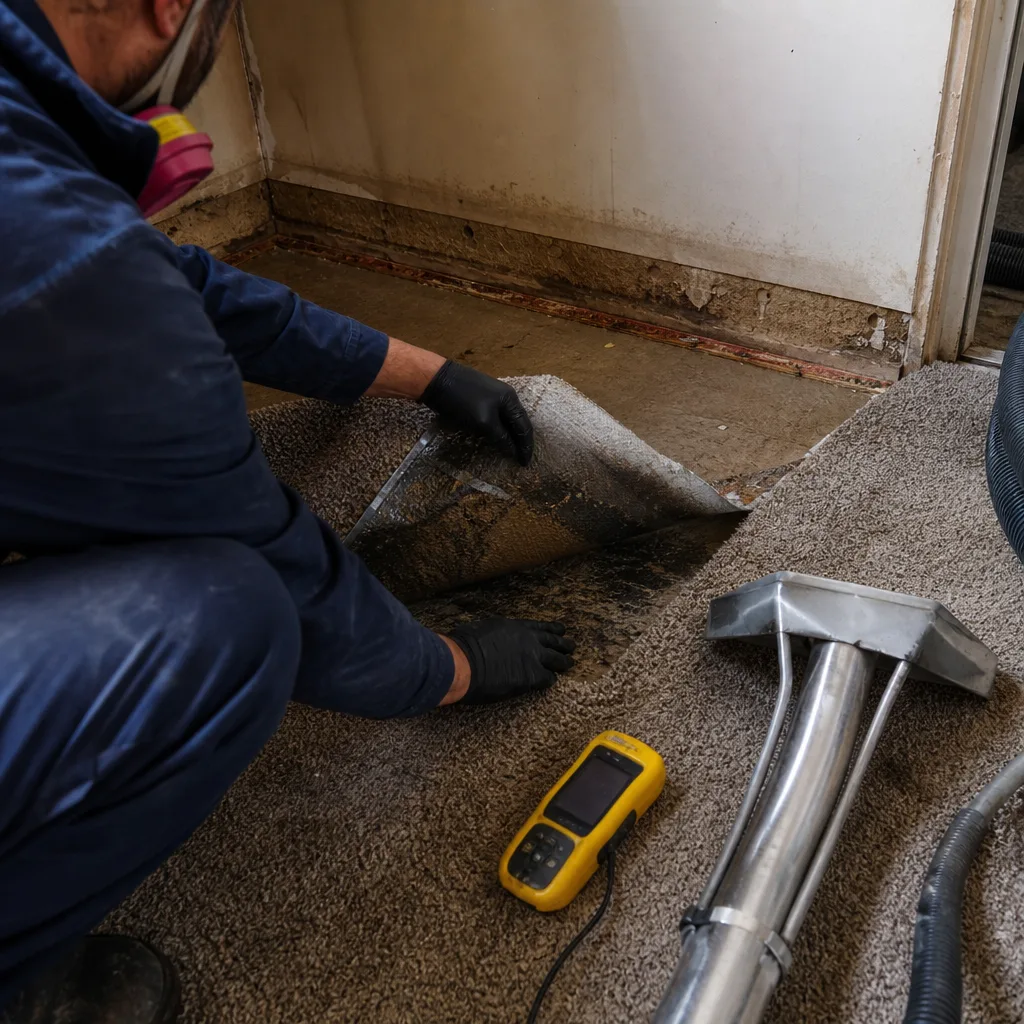
If you meet all four conditions, the appropriate DIY protocol is: extract standing water with a wet/dry vacuum, deploy air movers and a dehumidifier rated for the space, monitor with a pinless moisture meter daily, and stop when readings match unaffected areas of the home. No meter? Then you have no endpoint. Call someone who does.
The Documentation Gap That Kills Claims
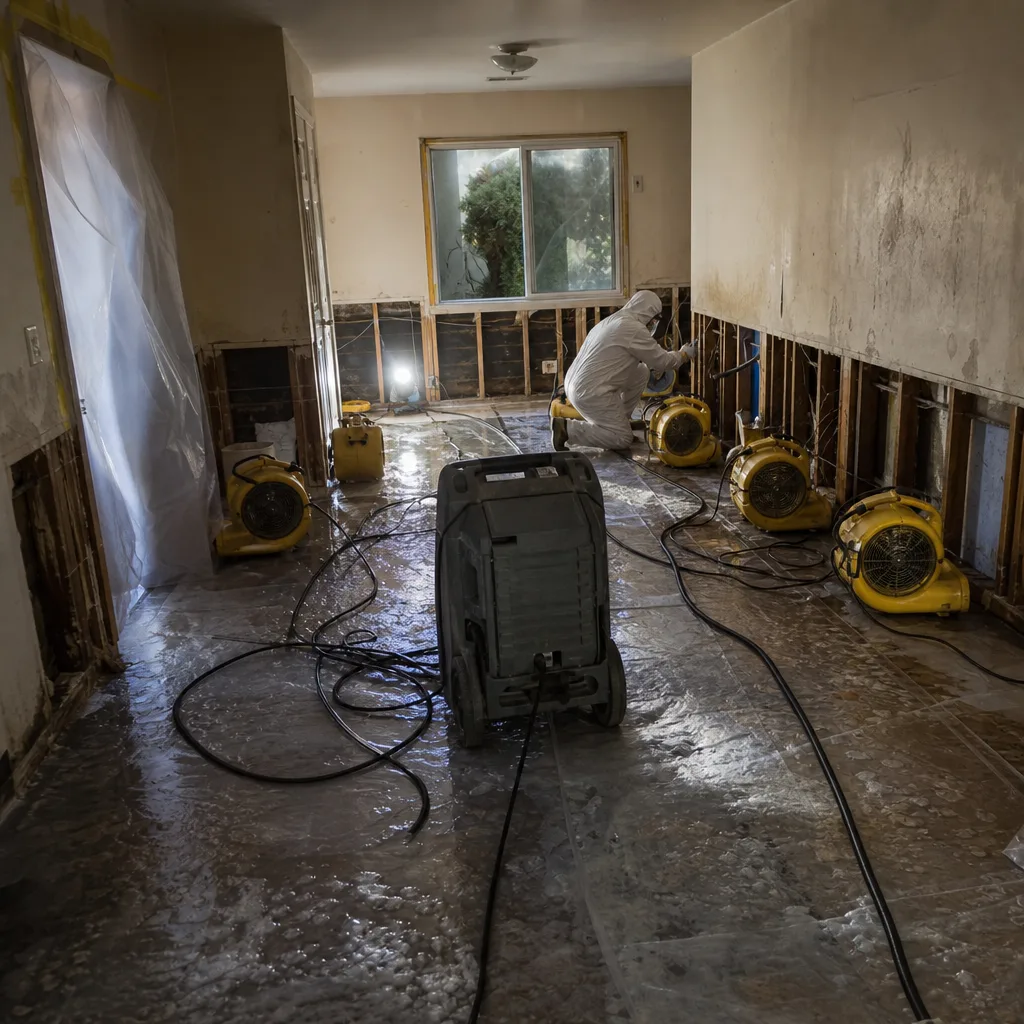
This is the core argument most restoration companies won’t make clearly, because it undermines their own marketing about equipment and speed. The primary value of professional restoration is not the drying itself. It’s the documentation that makes the drying provable to an insurance company.
Here’s what happens when a Playa del Rey homeowner self-dries and then files a claim:
- The adjuster requests evidence that all moisture was eliminated, not just visible water.
- The homeowner has no moisture logs, no psychrometric readings (temperature, relative humidity, and vapor pressure measurements that prove drying progress), and no material-specific moisture content percentages.
- The insurer can argue that residual moisture caused subsequent mold or structural damage, shifting liability to the homeowner.
- The claim is denied or reduced based on “improper or incomplete remediation.”
We’ve reviewed claims files where the adjuster’s denial letter cited exactly this sequence. The homeowner’s intent, skill, and effort were irrelevant. The absence of a documented protocol was decisive.
Professional restoration under IICRC standards produces a paper trail: initial moisture mapping with readings by material type (drywall, plywood, oak flooring, concrete), daily drying logs showing progressive reduction in moisture content, equipment placement diagrams, and final clearance readings demonstrating that materials returned to within normal range. This package is what turns a restoration invoice into a payable claim.
Water Damage Restoration in Playa del Rey through our team includes this documentation as standard deliverables, not upsells. Every visit produces a photo record, every day produces a drying log, and every job concludes with a written summary of moisture readings. Haven Standard, Clause 1 requires a written price before work begins, so the documentation cost is transparent from the start.
California Contractor Law: When DIY Becomes Illegal
California’s contractor licensing framework sets legal boundaries that many homeowners don’t know exist. Self-performed restoration crosses into illegal territory in specific scenarios, regardless of the owner’s skill or the structure’s occupancy status.
Projects requiring a B-1 General Contractor or C-10 Electrical license:
- Any structural repair, including wall reconstruction, subfloor replacement, or ceiling drywall installation exceeding $500 in materials and labor combined.
- Electrical work affected by water damage: outlet replacement, rewiring of flooded circuits, panel work. The C-10 license is mandatory; homeowner exemption does not apply to electrical in most California jurisdictions.
- Plumbing modifications beyond direct replacement of like-for-like fixtures.
The $500 threshold is cumulative, not per-trade. A homeowner who self-performs $300 in drywall repair and $300 in electrical replacement has triggered contractor licensing requirements. Los Angeles County enforcement varies by inspector, but unpermitted work discovered during sale disclosure can trigger mandatory professional remediation and permit retroactivity.
Playa del Rey’s proximity to LAX and its mix of 1940s bungalows and 1970s condos creates specific code considerations. Older homes in the Playa del Rey Hills and Westchester Bluffs areas often contain asbestos-containing materials (ACMs) in drywall compound and flooring. Disturbing these materials during self-remediation without proper abatement certification violates California Health and Safety Code Section 25915 and creates liability that insurers will not cover.
We’ve arrived at jobs where the homeowner’s well-intentioned demolition exposed ACMs, stopping all work until certified abatement could be arranged. The delay cost exceeded what professional restoration would have charged initially, and the insurer denied coverage for the abatement because the disturbance was self-caused.
The Hidden Costs of DIY Restoration
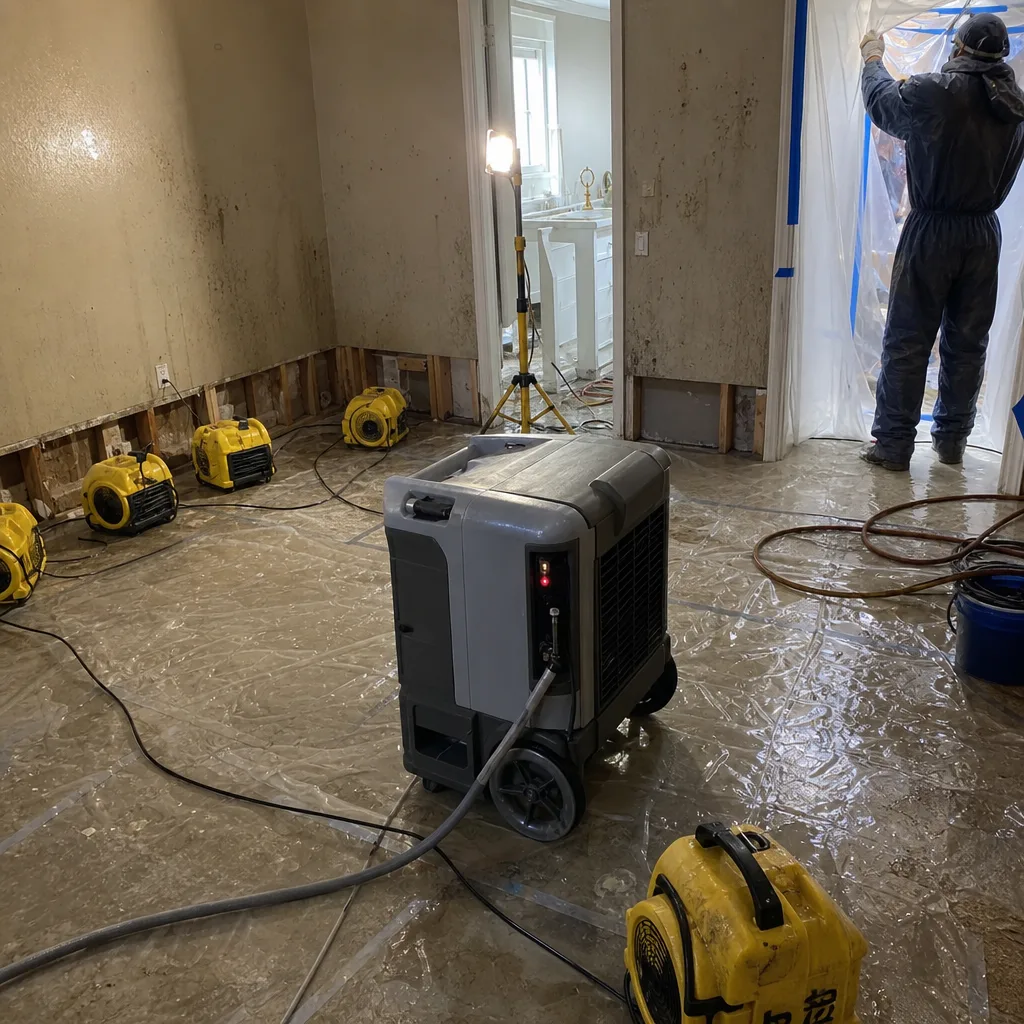
The visible costs of DIY are easy to calculate: fan rental, dehumidifier purchase, moisture meter, cleaning supplies. The hidden costs emerge weeks or months later, and they’re typically larger than the initial professional quote would have been.
Secondary mold claims. Self-dried areas that test positive for elevated mold spores during pre-sale inspection require professional remediation of the DIY-treated area, plus adjacent areas that may have been cross-contaminated. The remediation scope is often larger than the original water damage would have required, because mold colonization has progressed unchecked.
Failed clearance tests. When DIY-dried areas are later tested by a professional, they frequently fail moisture-content clearance because the homeowner lacked the equipment to detect bound water in materials. Injectidry systems and other wall-cavity drying equipment are not available for consumer rental. The cost of re-drying, plus the professional documentation package that should have been produced initially, exceeds original professional pricing.
Insurance premium impacts. A denied claim based on incomplete self-remediation creates a claim history entry without payment. Future premiums may increase based on claim frequency, not payout amount. The homeowner bears the cost of both the unsuccessful claim and higher rates going forward.
Material replacement scope expansion. Wood flooring that could have been saved with proper drying often requires full replacement when DIY drying proceeds too slowly. Playa del Rey’s marine climate, with its persistent humidity and salt air, accelerates wood warping and fastener corrosion once moisture penetrates subflooring, which is why our Seasonal Damage Restoration Care for Playa del Rey: Year-Round Homeowner’s Guide emphasizes proactive monitoring.
We’ve documented cases where a $2,400 professional drying job would have saved $18,000 in flooring replacement. The homeowner’s $400 fan rental was not the savings it appeared to be.
The Four-Variable Decision Matrix
Use this matrix for any water damage incident in Playa del Rey. Find your combination of the four variables for a clear recommendation.
| Water Category | Square Footage | Claim Intent | Wall Cavity? | Recommendation |
|---|---|---|---|---|
| Category 1 (clean) | Under 10 sq ft | No claim | No | DIY acceptable with moisture meter monitoring |
| Category 1 (clean) | Under 10 sq ft | No claim | Yes | Professional - cavity drying requires Injectidry or equivalent |
| Category 1 (clean) | Under 10 sq ft | Claim intended | No | Professional - documentation required for claim payment |
| Category 1 (clean) | Over 10 sq ft | Any | Any | Professional - square footage triggers IICRC protocol requirements |
| Category 2 (gray) | Any | Any | Any | Professional - contamination requires antimicrobial protocol and PPE documentation |
| Category 3 (black) | Any | Any | Any | Professional - legally requires hazmat handling and disposal documentation |
| Any category | Any | Claim intended | Yes | Professional - cavity documentation is claim-critical |
The pattern is clear: wall cavity involvement or claim intent alone is sufficient to require professional service. Only the single cell in the upper-left corner, with all four conditions optimized, permits DIY.
For fire and smoke damage, the matrix simplifies further: all scenarios require professional restoration. Fire & Smoke Damage Restoration in Playa del Rey involves chemical contamination from combustion byproducts, structural assessment requirements, and specialized deodorization protocols that are not available to consumers. Self-cleaning of fire damage almost always results in persistent odor and failed clearance, with no documentation path for claim payment.
What a Professional’s Documentation Package Actually Contains
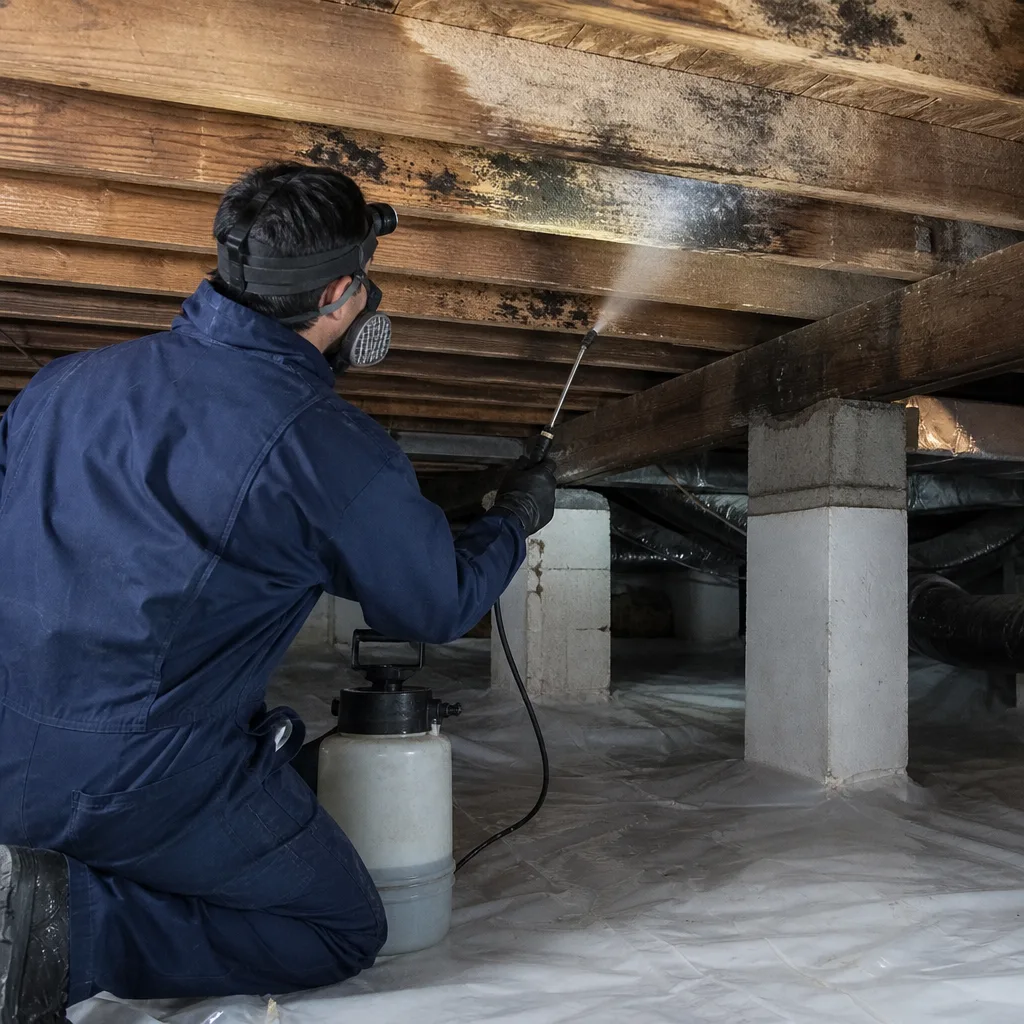
When we say documentation is what you’re paying for, here’s what that means in specific deliverables - detailed in our Water Damage Restoration Maintenance Checklist for Playa del Rey Homeowners. This is the package that transforms restoration from an expense into a recoverable insurance claim.
Initial assessment documentation:
- Photo record of all affected areas, with timestamp and technician identification. Our crews produce this on every visit, not just the first.
- Moisture mapping with readings by material classification: gypsum drywall (normal range 0.5-1.0% moisture content by weight), plywood subfloor (10-12%), oak flooring (6-9%), concrete slab (3-4% with calcium chloride testing). Each reading is recorded with meter type, calibration date, and location diagram.
- Psychrometric data: temperature, relative humidity, and vapor pressure differential (the measurable force that drives moisture from wet materials into dry air) for the affected space and a dry reference area.
- Water category classification with source documentation and contamination assessment.
Daily progress documentation:
- Drying log with equipment inventory: Dri-Eaz or Phoenix dehumidifiers by pint capacity, B-Air or XPOWER air movers by CFM rating, Injectidry cavity drying panels with vacuum pressure readings.
- Updated moisture readings for each mapped location, showing progressive reduction.
- Equipment adjustment notes: air mover repositioning, dehumidifier capacity changes, introduction of supplemental heat or desiccant systems.
- Photo record of drying progress and any discovered secondary damage.
Completion documentation:
- Final moisture readings demonstrating return to within normal range for each material type.
- Clearance certificate with technician signature, license number, and IICRC certification reference.
- Written scope of all work performed, with line-item pricing per Haven Standard, Clause 1.
- 365-Day Done Right Promise documentation under The Haven Standard.
This package is what an adjuster reviews to approve payment. Without it, the adjuster has no basis to distinguish proper remediation from ineffective drying. The equipment matters because it produces the readings. The readings matter because they populate the logs. The logs matter because they secure the claim.
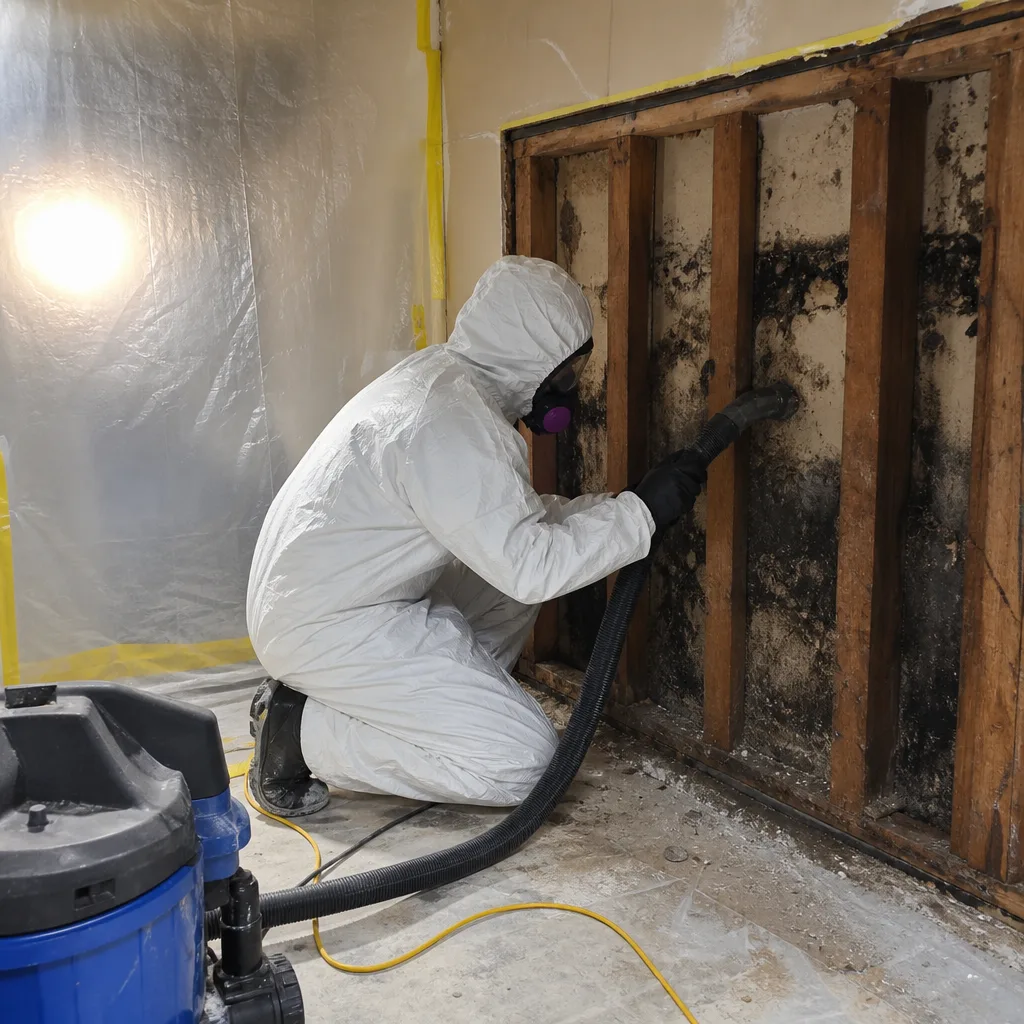
Mold Remediation in Playa del Rey requires additional documentation: pre-remediation air and surface sampling with laboratory chain-of-custody, containment negative-pressure verification, post-remediation clearance sampling, and protocol comparison to EPA Mold Remediation Guidelines and IICRC S520 standards. Self-performed mold remediation without this documentation is inadmissible for insurance purposes and may violate California disclosure requirements for property sale.
Common Mistakes to Avoid
- Renting equipment without understanding capacity ratings. A residential dehumidifier removes 30-50 pints per day. A professional Phoenix 200 HT removes 145 pints at AHAM conditions (80°F, 60% RH). Playa del Rey’s typical 65-75% RH means consumer equipment runs continuously without achieving drying goals.
- Declaring dryness by touch or appearance. Drywall can feel dry to the touch while containing 15% moisture content, well above the 1% threshold that prevents mold growth. Only a pin or pinless moisture meter provides a valid endpoint.
- Ignoring the marine layer factor. Playa del Rey’s morning fog and persistent onshore flow mean exterior walls never reach the low-humidity conditions that accelerate drying in inland climates. Self-drying takes longer here and often fails without professional-grade dehumidification.
- Filing a claim after self-remediation without documentation. This creates the evidence gap described above. If you’ve already self-dried, consult a restoration professional before filing to assess whether professional verification can retroactively document the area.
- Assuming homeowner’s insurance covers DIY mistakes. Most policies exclude damage caused by “improper maintenance or repair,” which insurers interpret to include unqualified remediation. Your premium pays for covered perils, not for the consequences of self-performed work.
- Neglecting permit requirements for reconstruction. Even successful DIY drying requires licensed contractor involvement for structural repairs exceeding $500. The drying and reconstruction are separate scopes; completing one does not authorize the other.
- Using bleach on mold. Bleach does not penetrate porous materials and can worsen mold problems by adding moisture. This is the most common DIY mold mistake we encounter in Playa del Rey condos, where limited ventilation traps chlorine fumes and incomplete killing leaves viable spores.
When to Call a Professional
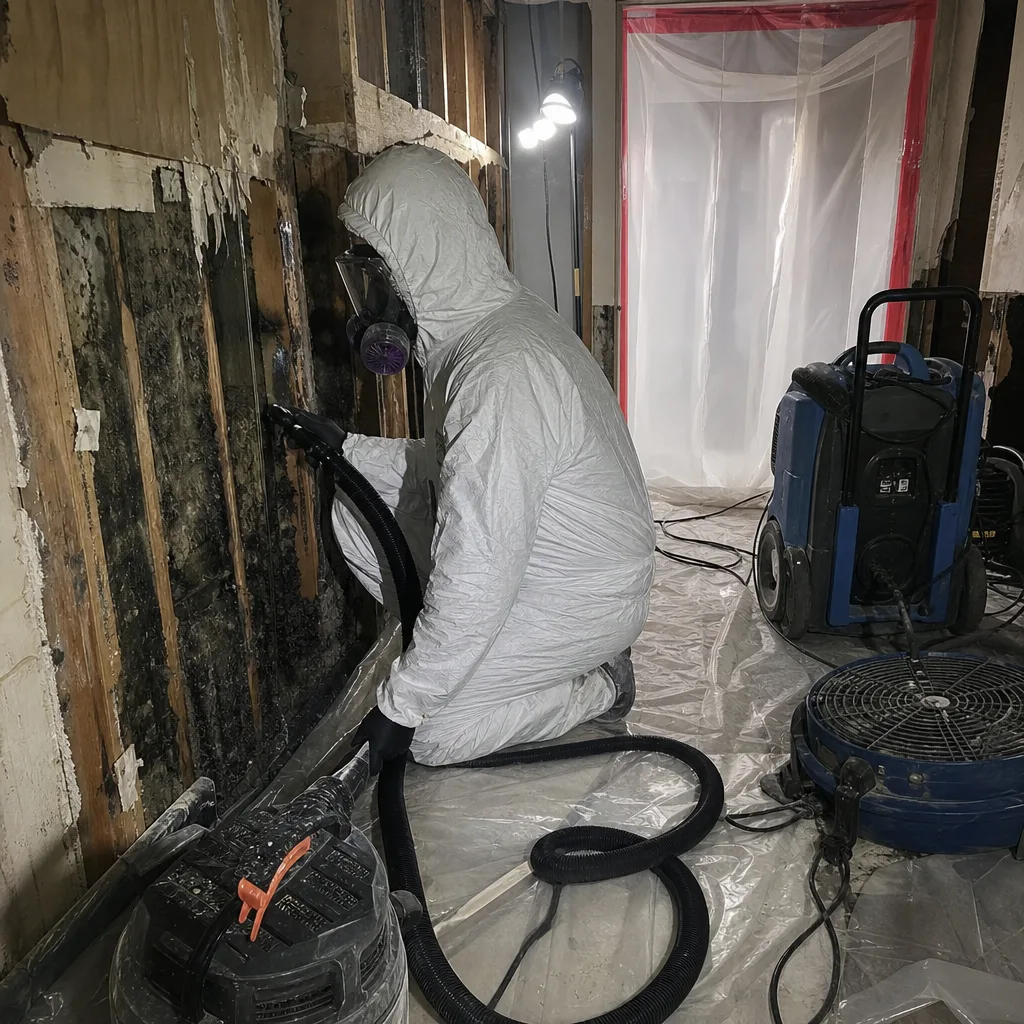
Call when any variable in the matrix points to professional service: Category 2 or 3 water, any square footage over 10, any claim intent, any wall cavity involvement, any fire or smoke damage, any mold suspicion, or any reconstruction need. Call when you lack the equipment to measure drying progress. Call when California contractor law requires licensed work.
DryMark Restoration Playa del Rey offers free estimates in Playa del Rey. We’ll assess your situation, explain where it falls on the decision matrix, and provide a written price before any work begins. Haven Standard, Clause 1 applies to every call. If you’ve already received a competitor’s estimate, our Free Second Opinion service reviews it at no charge. Live phone coverage is available 24 hours a day, 7 days a week with no voicemail on emergency lines. Call (424) 351-9295.
Frequently Asked Questions
Professional water damage restoration in Playa del Rey typically ranges from $1,200 for limited Category 1 drying of a single room to $8,000-$15,000 for whole-house Category 2 or 3 remediation with wall cavity drying and reconstruction. Pricing depends on water category, affected square footage, material types, and whether reconstruction is included. We deliver a written price before work begins on every job, per Haven Standard, Clause 1. Call (424) 351-9295 for an exact quote - estimates are free.
Insurance may cover the initial water damage but typically denies or reduces payment for self-performed remediation that lacks documentation. Most policies require “reasonable and necessary” repairs performed by qualified parties, and adjusters use the absence of moisture logs, drying protocols, and clearance readings to challenge whether hidden moisture was properly addressed. Professional documentation is what makes a claim payable.
Our live dispatch answers every call 24 hours a day, 7 days a week with no voicemail on emergency lines. Response time to Playa del Rey locations typically ranges from 45 minutes to 2 hours depending on traffic patterns and current call volume. Speed matters for mitigation work - water, fire, storm, sewage - where every hour increases damage scope and cost.
Visible mold on a hard surface under 10 square feet can sometimes be addressed with proper cleaning, but this does not constitute remediation and produces no documentation for insurance or sale disclosure. Hidden mold in wall cavities, HVAC systems, or subflooring requires professional remediation with containment, negative air pressure, and post-clearance testing per IICRC S520. Playa del Rey’s humidity and older building stock mean visible mold often indicates larger hidden colonization. Call (424) 351-9295 for assessment - estimates are free.
We coordinate directly with adjusters as part of our standard service. Our documentation package - photo records, drying logs, moisture readings, and written scope - is formatted specifically for adjuster review. We do not require you to manage claim communication, though we keep you informed of all correspondence. Direct adjuster coordination is one of the services that distinguishes professional restoration from labor-only drying.
Stop work and call immediately. Do not discard any equipment or materials. We can often document the condition as found and establish a professional protocol that incorporates your initial efforts into the claim file. The longer DIY continues without documentation, the larger the evidence gap becomes. Early professional involvement preserves more claim value than delayed conversion.
The Bottom Line
The DIY versus professional restoration decision is not about your capability or your budget. It’s about whether you need an insurance company to recognize your remediation as valid. For the single scenario where all four variables align - Category 1 water, under 10 square feet, no wall cavity, no claim - DIY is appropriate with proper equipment and moisture monitoring. For every other combination, professional service is required for legal compliance, documentation integrity, or both. The documentation package, not the drying labor, is what secures claim payment. That’s why we built Back to Dry around documented evidence: written prices before work begins, photo records on every visit, and daily moisture logs that turn restoration invoices into payable claims.
DryMark Restoration Playa del Rey home
Written by Alicia Brennan, Owner at DryMark Restoration Playa del Rey, serving Playa del Rey since 2011.